Trusted Chemical Tank Suppliers for Industrial Storage Solutions
Choosing Reliable Chemical Tank Suppliers: What Really Matters
Having spent well over a decade in the industrial equipment sector—mostly around chemical handling and storage—I've come to appreciate the subtle, often overlooked factors that set a great chemical tank supplier apart from the rest. It's not just about capacity or price, though of course those matter. Frankly, in real terms, what counts is quality, customization, and the supplier's ability to back up their claims with proper testing and adherence to strict safety standards.
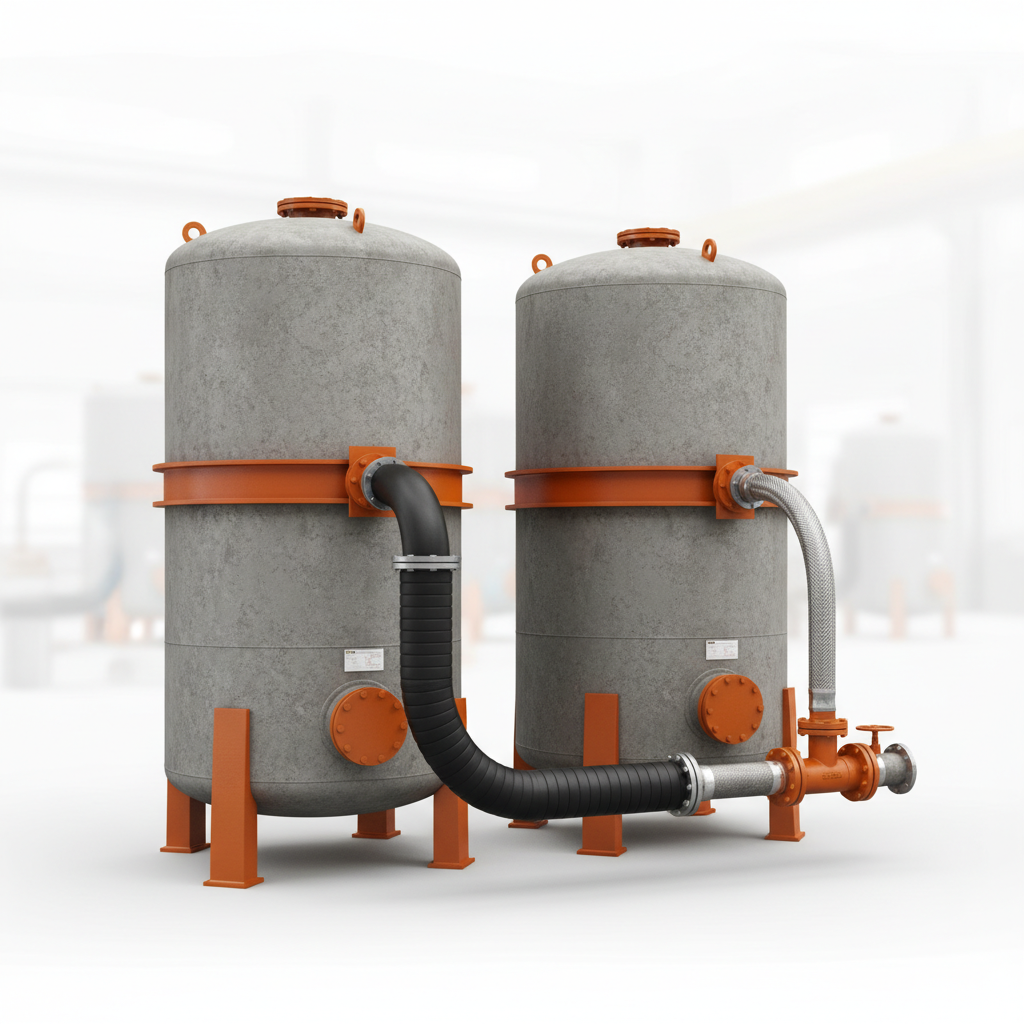
Oddly enough, many companies still underestimate how critical tank design is to chemical safety. Take, for example, the materials chosen: high-density polyethylene (HDPE) tanks are great for many corrosive liquids but sometimes chemical engineers demand stainless steel for solvents or acids with aggressive properties. I've seen cases where mismatched materials led to expensive downtime and safety hazards. So trust me, matching chemical compatibility is kind of everything.
Beyond just materials, I noticed that suppliers who offer rigorous testing results — such as hydrostatic pressure tests, UV resistance ratings, and impact resilience data — tend to be those who stand the test of time. You really don't want to gamble with subpar plastic tanks that degrade or get brittle when exposed to sunlight or chemical fumes.
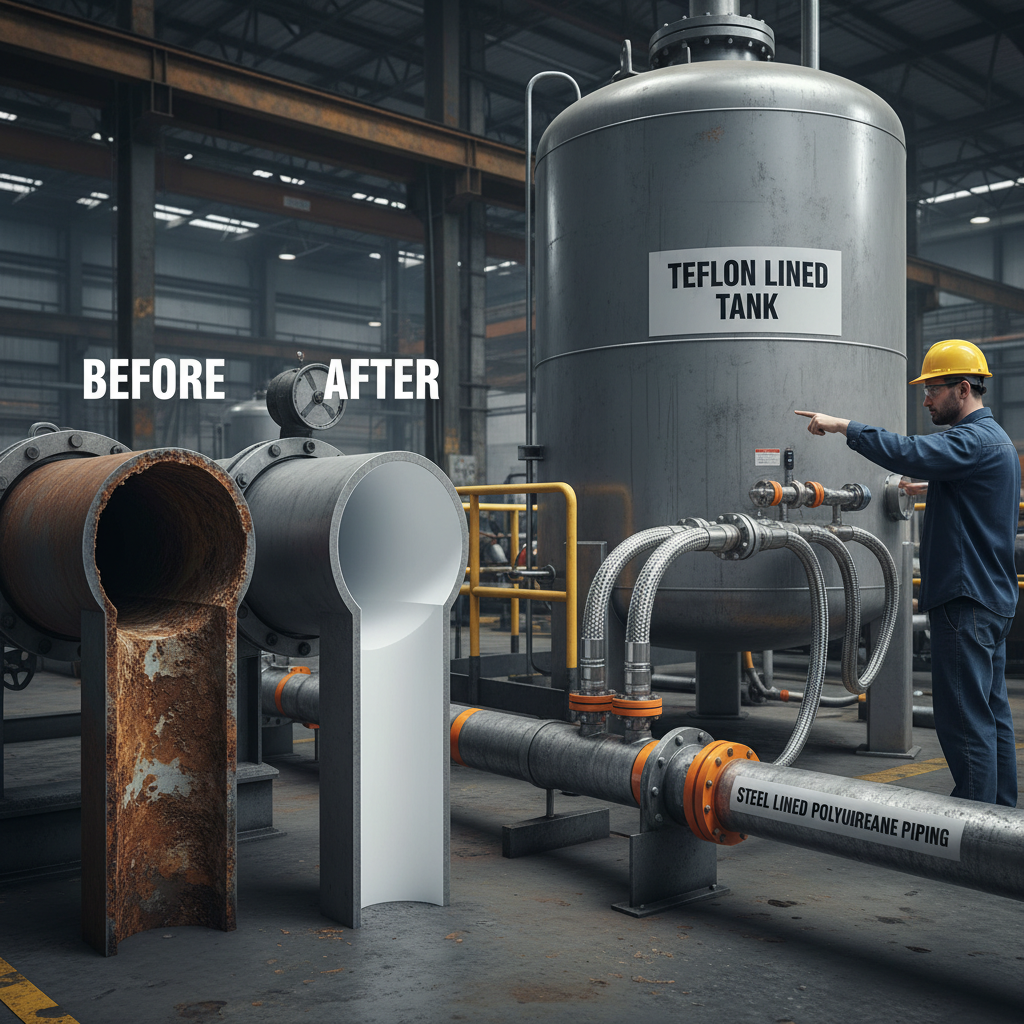
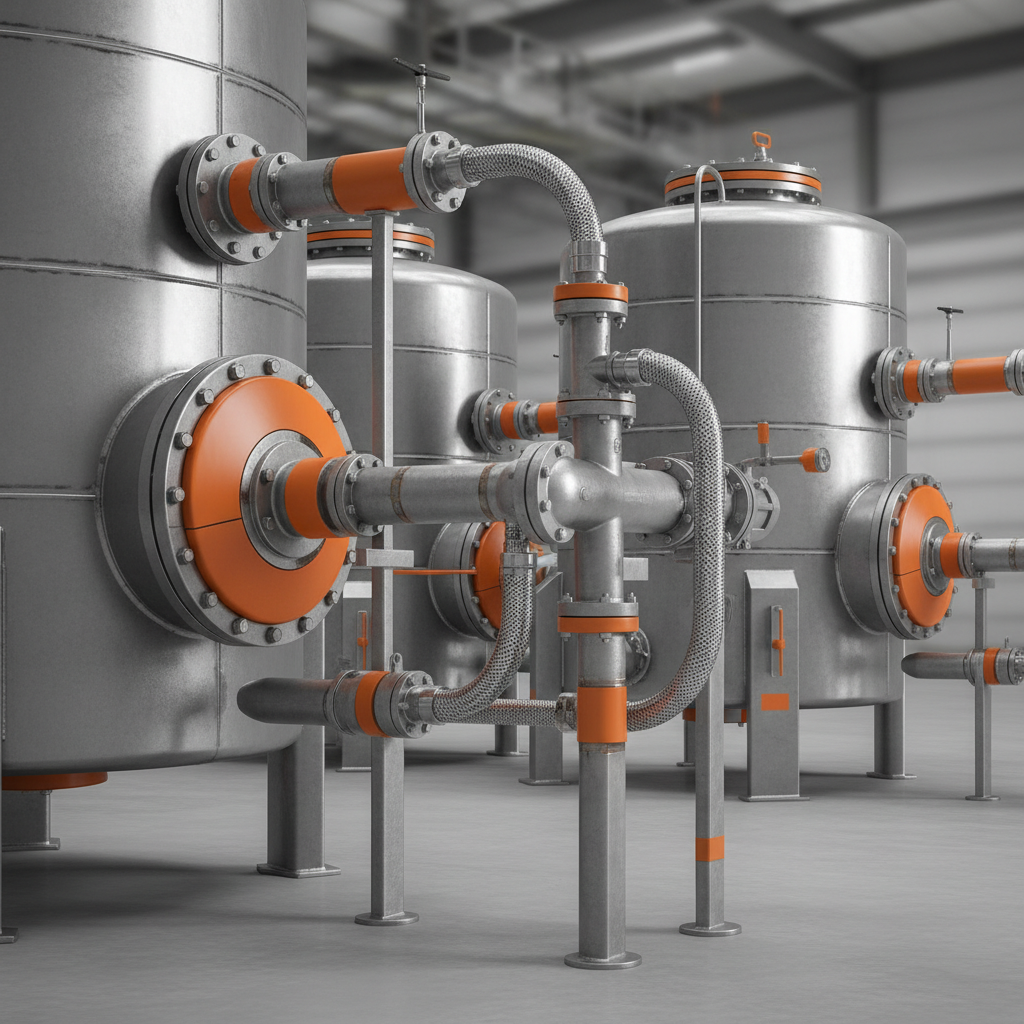
Customization is another aspect I feel is often undervalued. Many clients come with very specific site restrictions or integration needs. Some tanks have to fit into tight spaces, come with special venting systems, or require internal linings. The good suppliers I know take this seriously and collaborate closely rather than just selling cookie-cutter tanks.
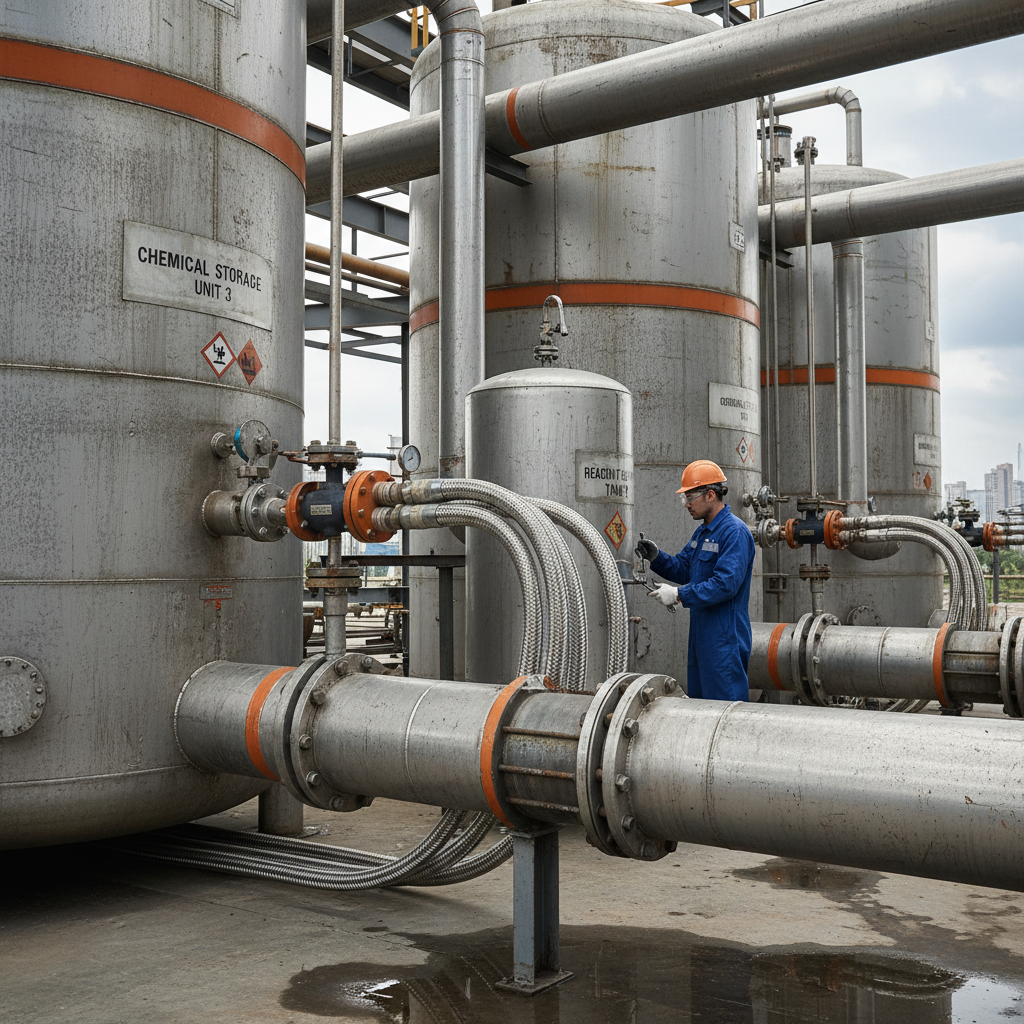
Speaking of which, I recall one project with a mid-sized wastewater treatment plant operator who was struggling to find a tank that could withstand high concentrations of sulfuric acid while fitting within a compact area. Their usual vendors kept pushing standard models that simply wouldn't work. Fortunately, after some back and forth with a supplier that could adapt tank thickness, wall reinforcements, and add specialized fittings, the operator got exactly what they needed — on budget and on time. Moments like that remind me that supplier expertise and responsiveness can truly save the day.
| Specification | Details |
|---|---|
| Material Options | HDPE, Stainless Steel, Fiberglass Reinforced Plastic |
| Capacity Range | 500 liters to 50,000 liters |
| Standard Testing | Hydrostatic, UV Resistance, Chemical Compatibility |
| Customization Options | Wall thickness, fittings, liners, venting systems |
| Typical Lead Time | 2 to 6 weeks |
Now, comparing suppliers in this space is a bit of an art. Here's a quick look at some typical qualities I've seen across notable vendors. These aren't endorsements but rather observations formed over years of industry chatter and first-hand dealings:
| Supplier | Quality & Certification | Customization | Price Range | Lead Time |
|---|---|---|---|---|
| QW Metal | ISO 9001, SGS Testing | Extensive: fittings, sizes, materials | Mid to High | 3-5 weeks |
| Supplier B | CE Marking | Limited options | Low to Mid | 2-4 weeks |
| Supplier C | ISO 14001 | Moderate customization | Mid | 4-6 weeks |
As you can see, if you value tested quality and a partner that works with you rather than just sells to you, then you might look closely at suppliers like QW Metal, who's been known for solid industrial-grade tanks and custom fabrication. Honestly, the industrial market now demands tanks that can provide longevity, reduce maintenance costs, and comply with ever-evolving environmental regulations.
In closing, remember that investing in the right chemical tank supplier isn’t just a purchase. It sets the foundation for safety, efficiency, and peace of mind. And sometimes, it's those trusted relationships behind the tanks that make the biggest difference — you know, the kind you build over years.
References
- Industry Safety Standards for Chemical Storage Tanks, Chemical Engineering Journal, 2022
- QW Metal Product Certifications and Testing Reports, 2023
- Wastewater Treatment Case Study, Industrial Equipment Today, 2021
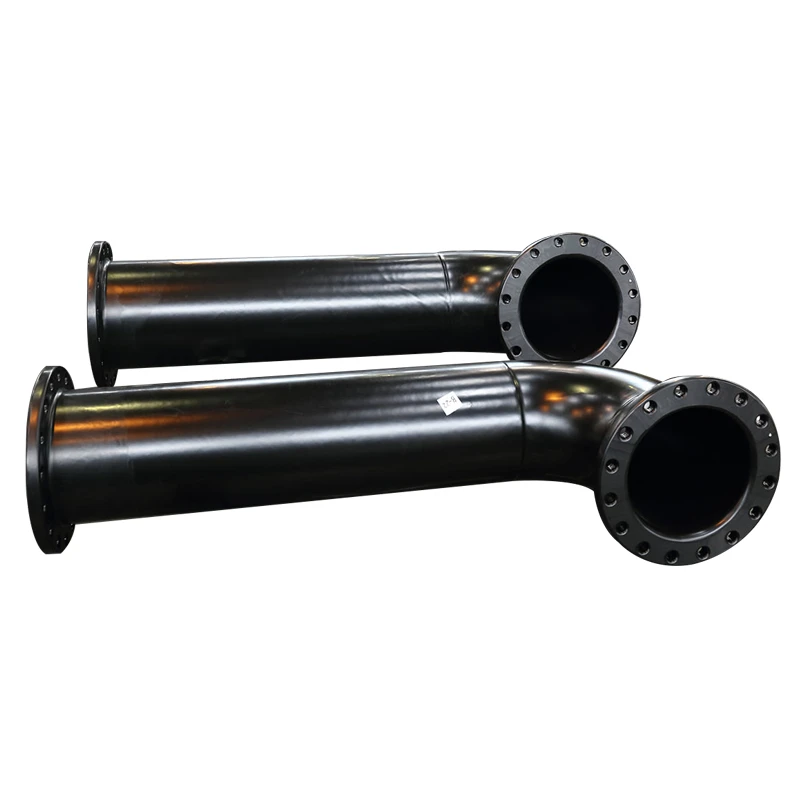
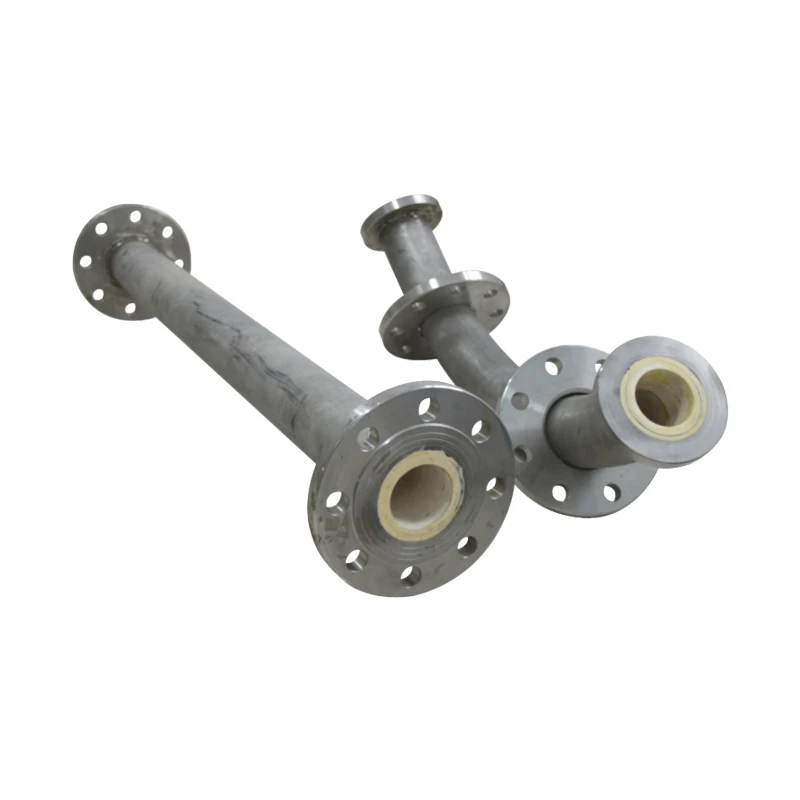
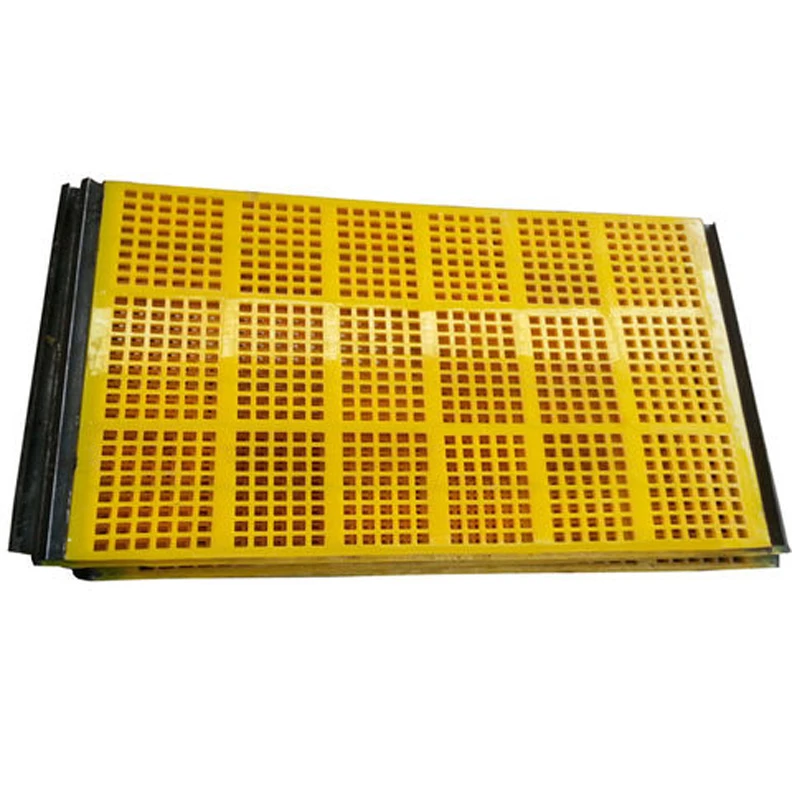
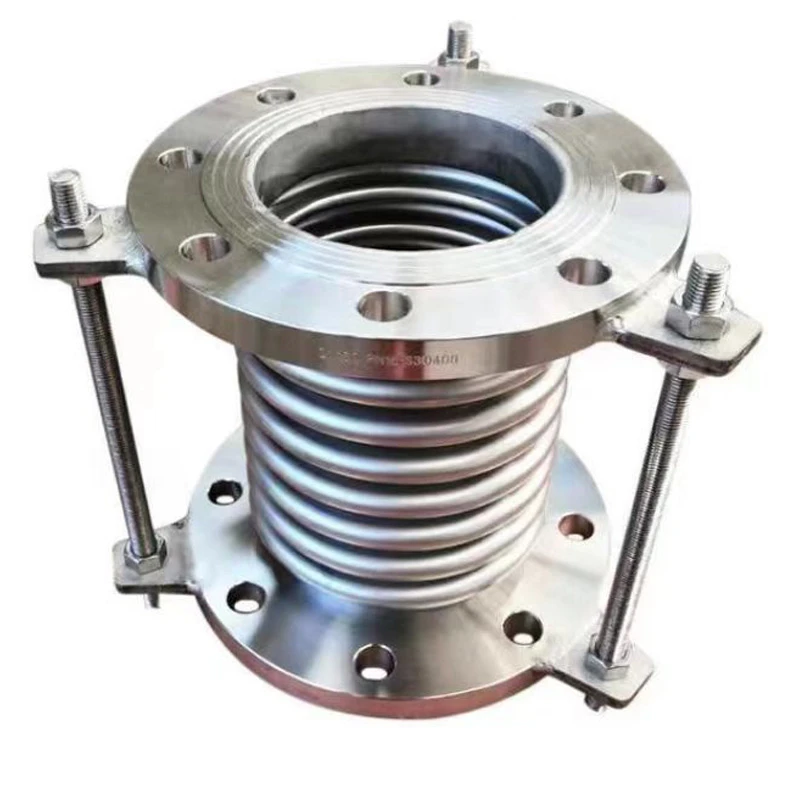
Related Products
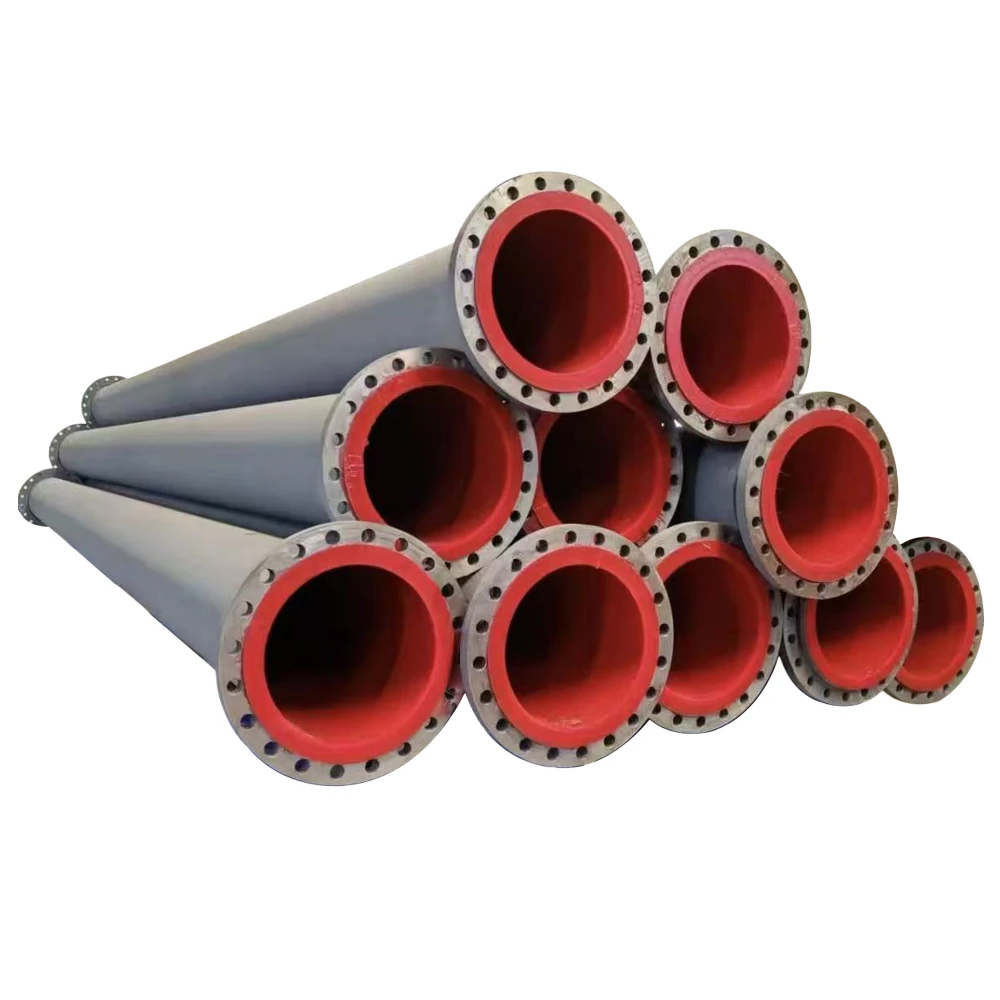
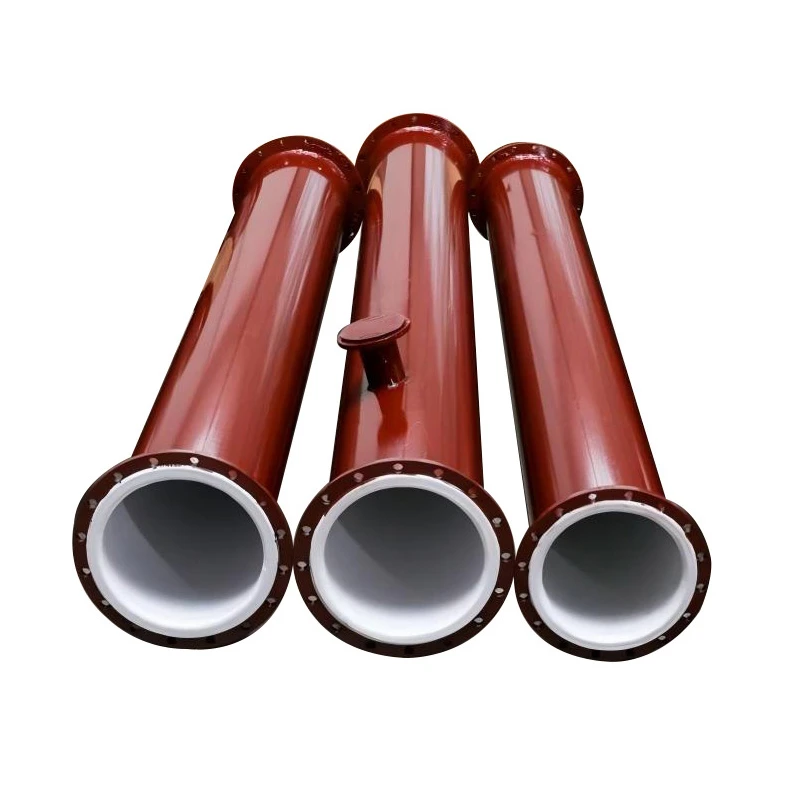
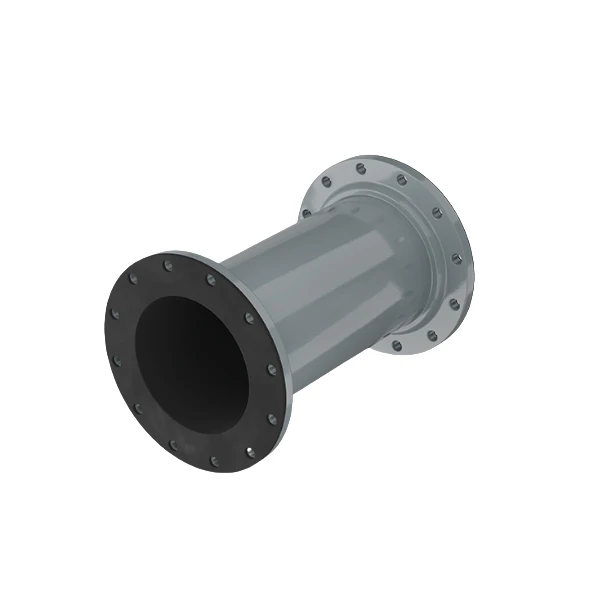
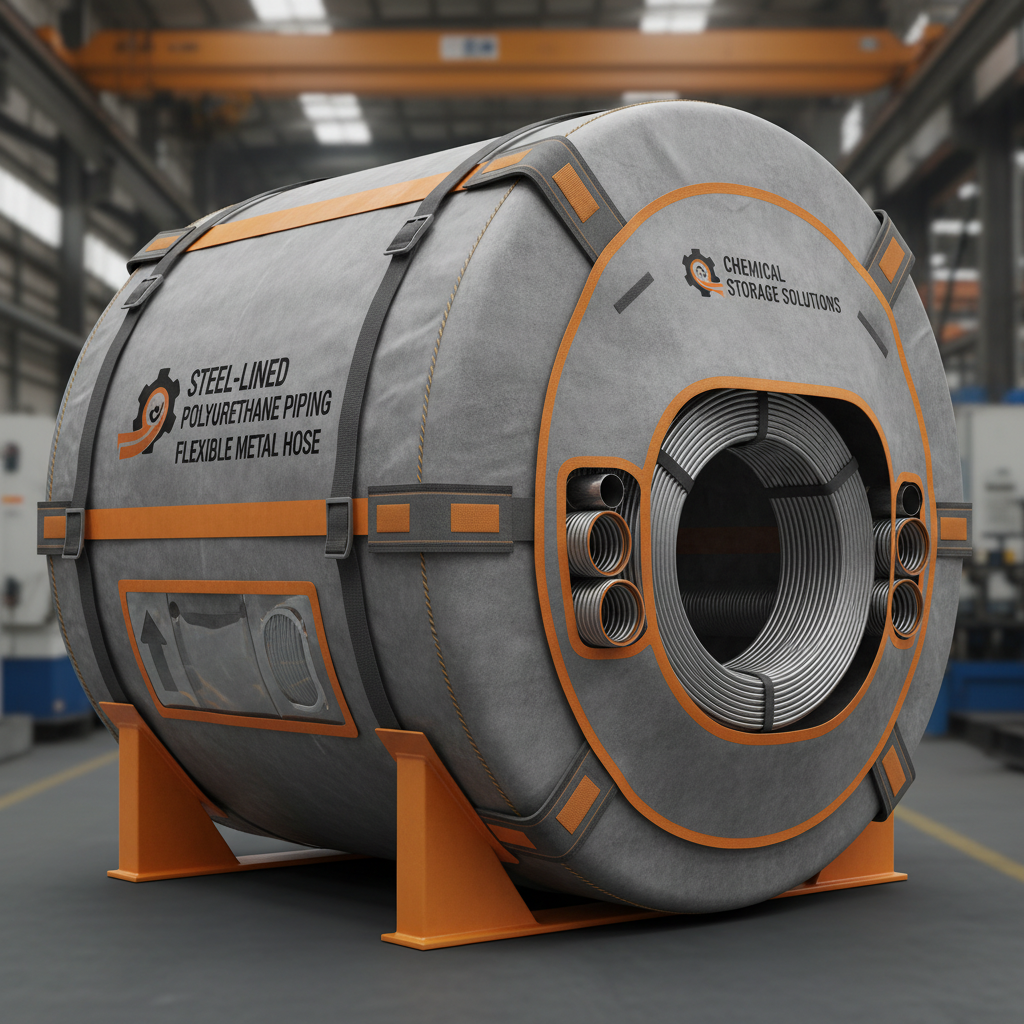
Our main products are polyurethane lined pipes, mining equipment fittings and metal hoses.