Chemical Tanks: Global Applications, Innovations, and Safety Insights
Understanding Chemical Tanks: Essential Vessels for Global Industry
Chemical tanks might just be these unassuming giants of industry — but they’re absolutely pivotal in modern manufacturing, environmental safety, and humanitarian operations worldwide. They store and transport everything from industrial acids to pharmaceuticals, facilitating processes that keep society running smoothly and safely. Grasping their design, applications, and evolving innovations is more than a technical dive; it’s crucial for sustainability, safety, and economic efficiency on a global scale.
Why Chemical Tanks Matter Globally
The chemical industry alone contributes over $5 trillion annually to the global economy, and chemical tanks are at its heart. According to the International Organization for Standardization (ISO), proper storage of chemicals prevents environmental disasters and supports operational continuity. Yet, many regions still face challenges due to inadequate storage infrastructure, risking contamination and economic losses. Chemical tanks address such challenges by offering safe, scalable solutions to handle a wide array of substances.
What Are Chemical Tanks?
In simple terms, chemical tanks are specially engineered containers designed to hold chemicals safely over short or long periods. They must withstand corrosive substances, pressure variations, and often extreme temperatures. But beyond just storage units, they’re safety vessels — designed to protect workers, communities, and the environment from potentially hazardous leaks or spills. They also underpin industries ranging from petrochemicals and food processing to water treatment and pharmaceuticals.
Key Features of Chemical Tanks
1. Durability & Corrosion Resistance
Chemical tanks are often made from stainless steel, carbon steel with protective coatings, or advanced polymers. This ensures that even the most aggressive chemicals don’t degrade the tank’s structure. For instance, tanks storing sulfuric acid require specialized liners or alloys to prevent corrosion over years of use.
2. Capacity & Scalability
From portable 500-liter units to massive 10,000-cubic-meter tanks, chemical tanks come in various sizes. This flexibility allows industries — be it a small lab or a huge refinery — to configure storage that matches their operational scale without excess cost or space footprint.
3. Safety Features & Compliance
Modern chemical tanks often include pressure relief valves, sensors to detect leaks or temperature deviations, and secondary containment areas. Regulatory compliance with international safety standards like ISO 9001 and API 650 ensures these vessels meet rigorous safety and quality benchmarks.
4. Cost Efficiency
While upfront costs might be significant, investing in high-quality chemical tanks reduces long-term liabilities related to spills, contamination, and maintenance. Plus, modular designs enable easier repairs and upgrades.
Common Specifications of Typical Chemical Tanks
| Specification | Typical Range | Notes |
|---|---|---|
| Material | Stainless Steel, Carbon Steel, FRP | Material choice mirrors chemical type |
| Capacity | 500L – 10,000 m3 | Customizable sizes available |
| Operating Temp | -40°C to 200°C | Depends on insulation and lining |
| Pressure Rating | Atmospheric to 10 bar | Varies by design and purpose |
| Safety Features | Pressure relief valves, leak detectors | Critical for regulatory compliance |
Global Applications & Use Cases for Chemical Tanks
- Environmental Management: In water treatment plants worldwide, chemical tanks safely store disinfectants and pH adjusters to protect public health.
- Disaster Relief: Post-disaster scenarios often require rapid deployment of chemical tanks for fuel, potable water chemicals, or sanitation needs (chemical tanks suppliers sometimes support these urgent efforts).
- Petrochemical Industry: Large refineries in the Middle East and North America depend on chemical tanks for storage of crude oil additives and cleaning agents.
- Pharmaceuticals: Precision storage tanks ensure purity for sensitive medicinal compounds in Europe and Asia’s burgeoning pharma hubs.
- Remote Industrial Zones: In mining operations or isolated manufacturing, chemical tanks provide reliable onsite storage reducing transport risks.
Mini takeaway: Chemical tanks are crucial in diverse scenarios, protecting environments and communities from chemical hazards across all continents.
Advantages & Long-Term Value
What really strikes me, beyond the technical specs, is how chemical tanks combine safety and efficiency with sustainability. They reduce environmental risks through robust containment, enabling industries to comply with ever-tougher regulations. They also lower operational costs by minimizing downtime and leaks. Emotionally, they foster trust — workers feel safer knowing their workplace is equipped with reliable tanks, and communities nearby gain peace of mind.
Innovation also fuels their economic value: modular designs mean easier expansion; improved materials extend service life; and digital monitoring enhances maintenance planning. All these factors contribute directly to better ROI for businesses and safer, greener outcomes for the planet.
Comparing Leading Chemical Tank Vendors
| Vendor | Materials Offered | Typical Tank Sizes | Key Markets | Unique Feature |
|---|---|---|---|---|
| QW Metal | Stainless Steel, Carbon Steel, FRP | 500L–10,000 m3 | Industrial, Pharmaceutical, Water Treatment | Custom engineering and rapid deployment |
| Global Tanks Inc. | Carbon Steel, Lined Tanks | 1,000L–5,000 m3 | Oil & Gas, Chemical Plants | Advanced safety sensors and IoT integration |
| EcoStor Tanks | Fiberglass Reinforced Plastic (FRP) | 300L–3,000 m3 | Wastewater, Agriculture | Eco-friendly materials and recyclable components |
Future Trends & Innovations
Now, looking ahead, chemical tanks are evolving with the rest of the industrial world. I find it fascinating how chemical tanks are increasingly integrating smart sensors, offering real-time data on chemical levels, pressures, and temperatures. This digital transformation enables predictive maintenance, slashing downtime and risk.
Furthermore, sustainability pushes innovation in materials: biodegradable liners, composites reducing carbon footprints, and modular designs which can be reconfigured or recycled. Green energy also plays a role—tanks designed to store biofuels or hydrogen safely are on the rise.
Challenges & Possible Solutions
Despite the advances, chemical tanks face challenges like cost barriers for small operators, corrosion concerns in harsh environments, and difficulties in rapid deployment during emergencies. Luckily, modular builds and new polymer linings are making tough chemicals easier to handle safely. Plus, increasing standards, like ISO 14001 for environmental management, encourage manufacturers to innovate responsibly.
FAQ: Frequently Asked Questions About Chemical Tanks
- What materials are best for storing highly corrosive chemicals?
- Stainless steel alloys such as 316L or specially lined carbon steel tanks offer excellent corrosion resistance. Fiberglass Reinforced Plastic (FRP) tanks are also common due to their chemical inertness and durability.
- How often should chemical tanks be inspected or maintained?
- Industry standards usually recommend inspections annually or semi-annually depending on usage, chemical type, and environmental conditions. Advanced sensor systems can alert operators proactively to potential issues.
- Can chemical tanks be customized for specific applications?
- Absolutely. Many vendors, including QW Metal, offer tailored sizes, materials, linings, and safety features to meet precise operational needs and regulatory requirements.
- Are chemical tanks safe for transporting hazardous materials?
- Yes, provided they meet transportation regulations like the UN's packaging standards and are equipped with certified safety mechanisms such as pressure relief and leak detection.
Conclusion: Why Investing in High-Quality Chemical Tanks Pays Off
It’s clear: chemical tanks do far more than just hold liquids. They safeguard industries, environments, and communities against the risks of chemical handling — fostering trust and promoting sustainability. For businesses aiming to balance cost, safety, and innovation, selecting the right chemical tanks is crucial. If you want to explore reliable, customizable chemical tank solutions, definitely visit QW Metal. Their expertise might just be what your operation needs to thrive safely and sustainably.
Final thought: A well-designed chemical tank isn’t just a container — it’s a commitment to safety, efficiency, and a greener future.
References:
1. International Organization for Standardization (ISO)
2. Wikipedia: Chemical Storage Tank
3. United Nations Environment Programme (UNEP)

Related Products
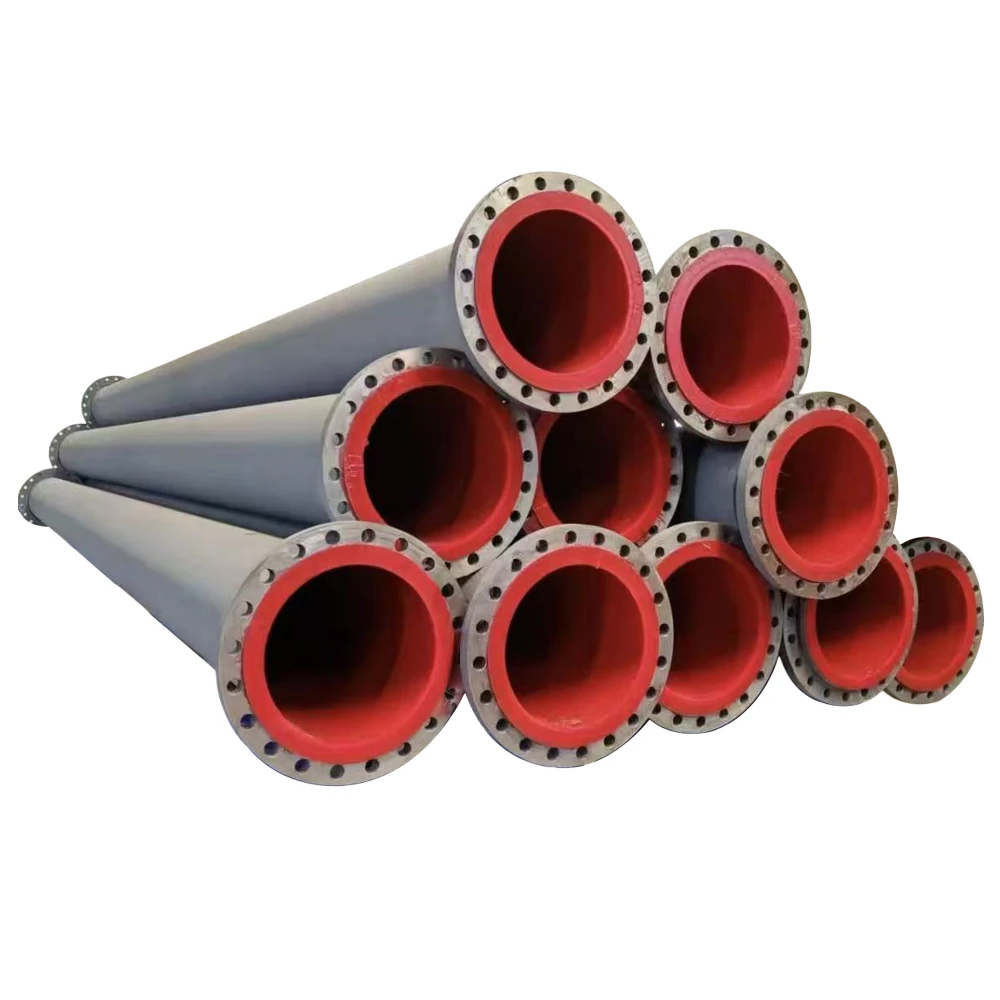
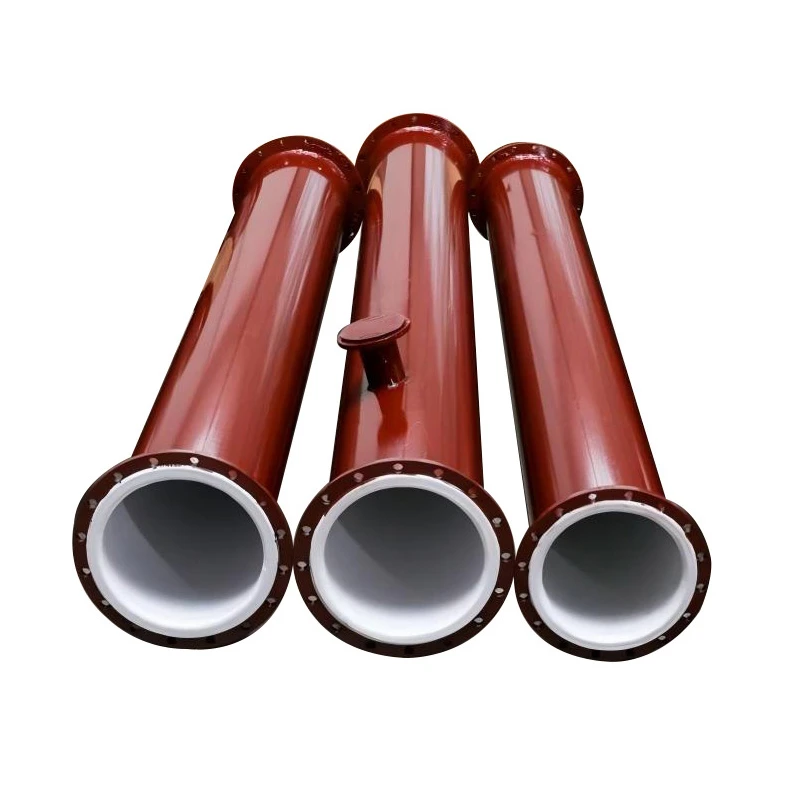
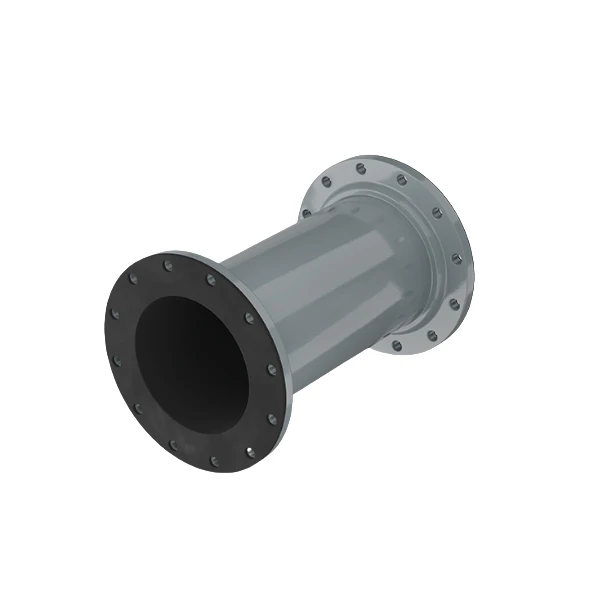
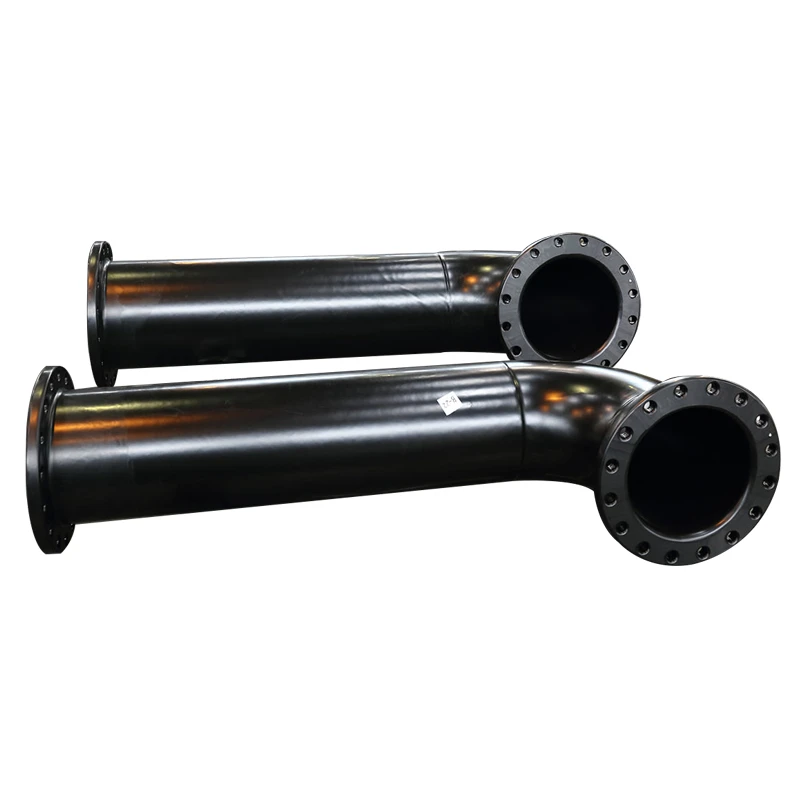
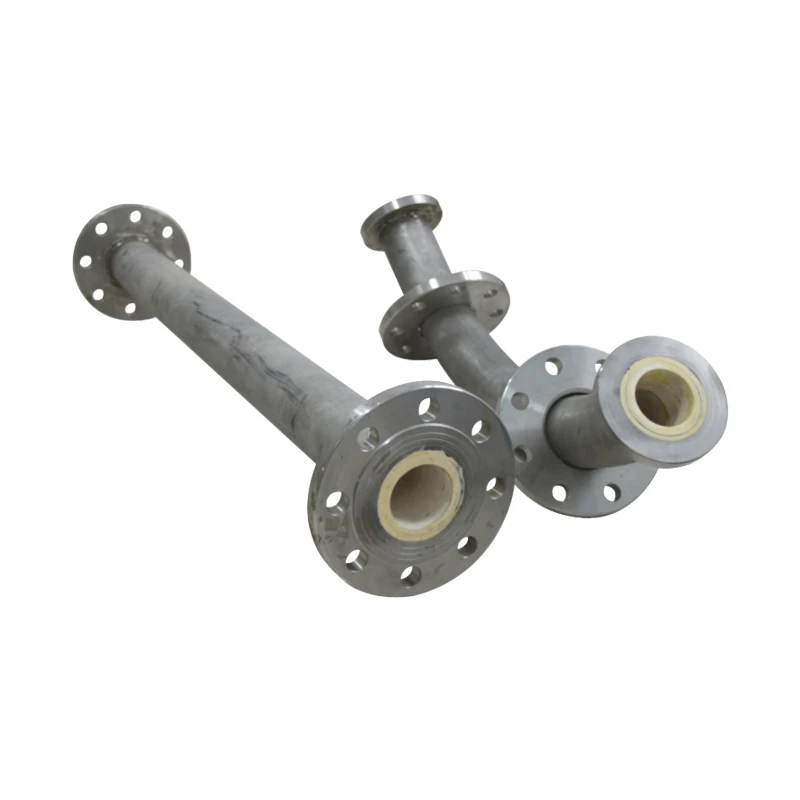
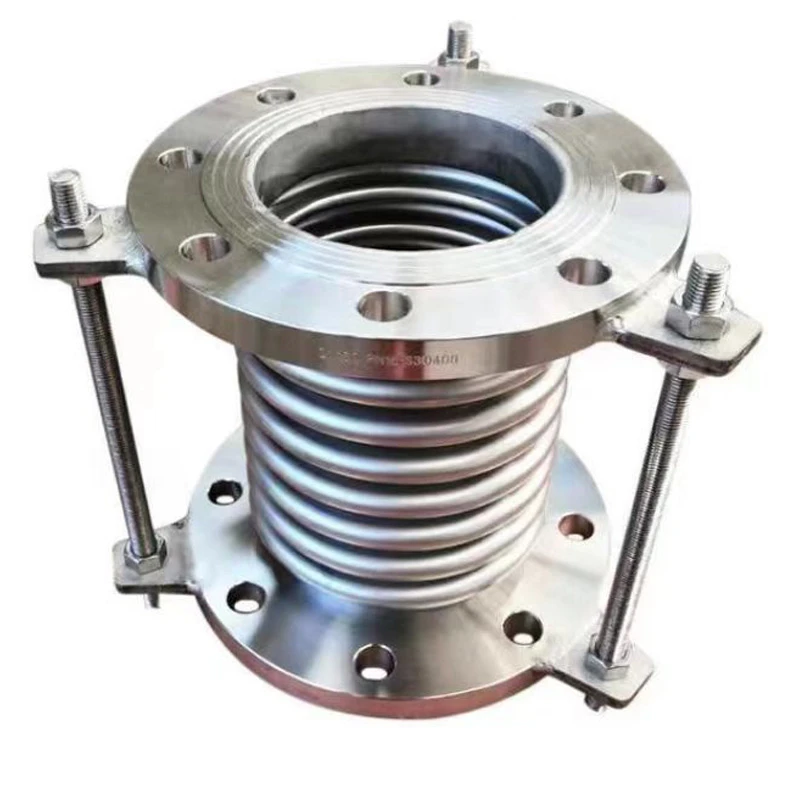
Our main products are polyurethane lined pipes, mining equipment fittings and metal hoses.