Durable Rubber Lined Tanks for Corrosive Industrial Applications
Rubber Lined Tank: Durable Solutions for Harsh Industrial Environments
Having spent over a decade working hands-on in the industrial equipment sector, I’ve had my fair share of experience with tanks designed to endure corrosive materials, abrasive slurries, and tough chemical processes. Among these, the rubber lined tank really stands out as a practical yet often underappreciated workhorse.
Now, I suppose at first glance, a tank lined with rubber might seem a bit counterintuitive—rubber? In a world dominated by stainless steel, carbon steel, and fiberglass? But frankly, it’s this lining that extends a tank’s life under conditions where bare metal tanks would quickly fail. It’s not just about protection; it’s about combining strength with chemical resistance and abrasion tolerance.
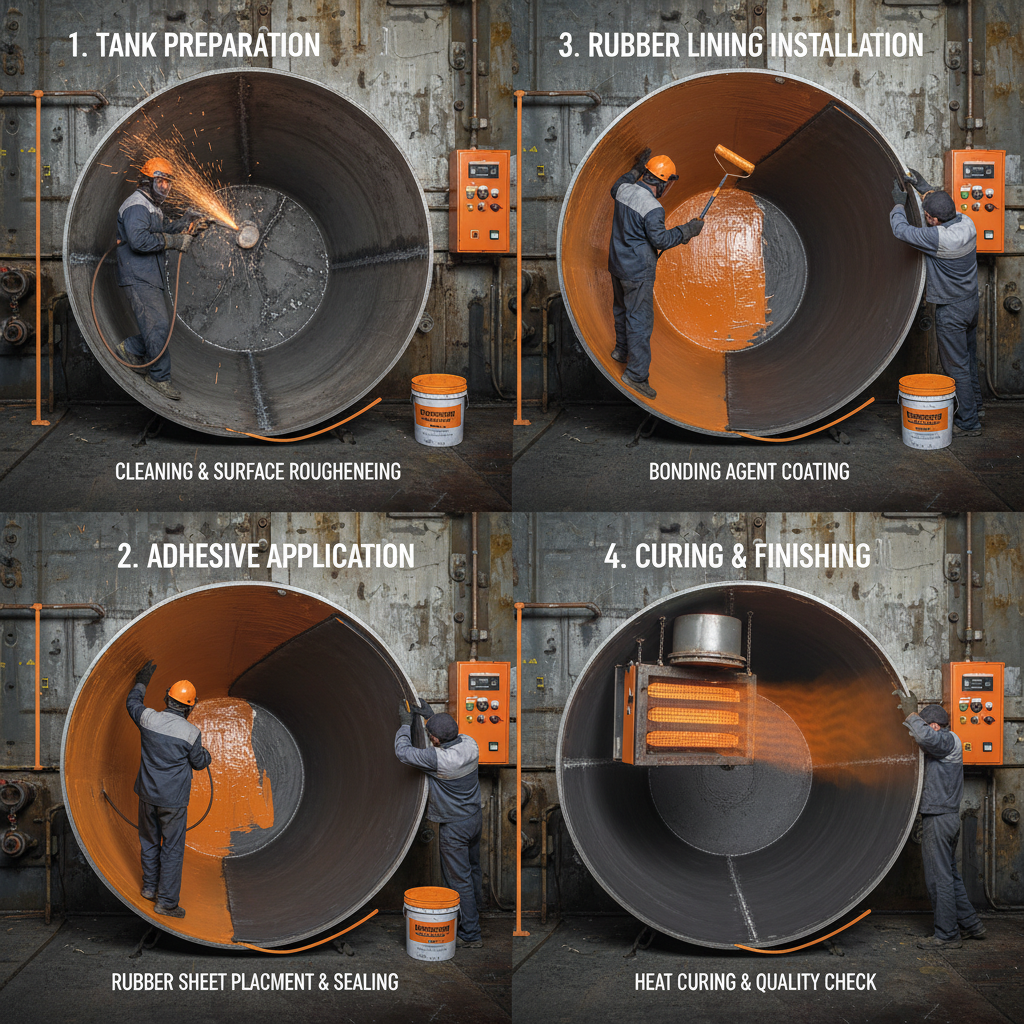
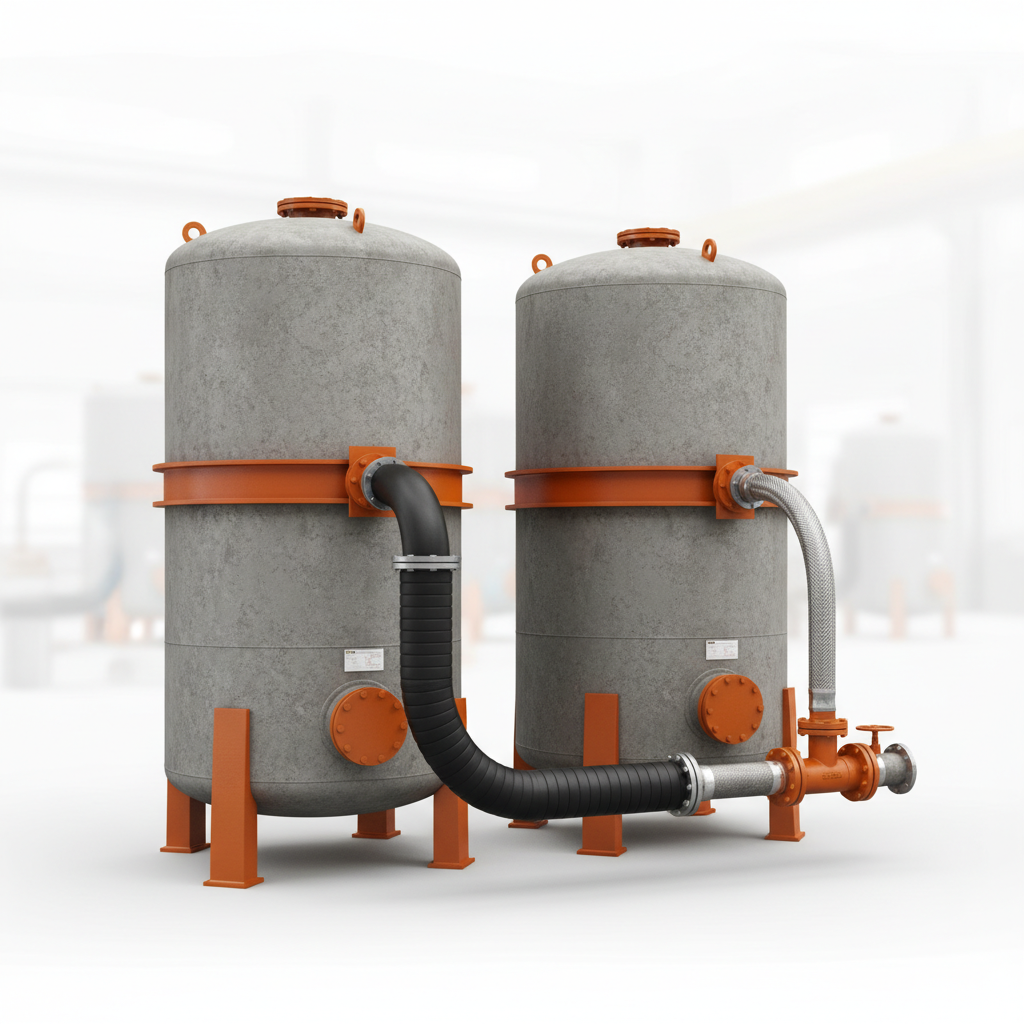
In real terms, these tanks typically consist of a carbon steel shell bonded internally with thick sheets of industrial-grade rubber. This dual-material construction gives you the solid mechanical strength of steel on the outside, but a resilient, chemical-resisting inner layer that fights corrosion and wear like a champ. I recall an instance where a client was dealing with highly acidic slurry in mineral processing. Switching to rubber lined tanks saved them frequent downtime—and costly repairs—within a matter of months.
One thing that always impresses me is the flexibility of customization. Depending on the process requirements, the thickness of the rubber lining can vary—from around 6mm (1/4 inch) to over 20mm (3/4 inch) for the more abrasively demanding applications. Plus, the type of rubber can be tailored: natural rubber, neoprene, EPDM, or nitrile, each offering a slightly different balance of chemical resistance and mechanical resilience. It’s worth remembering that selecting the right grade depends heavily on what exactly you’re processing—many engineers say that a mismatch could mean wasted money or premature failure.
Testing and quality control are absolutely critical for these tanks. Rubber is bonded to the steel by vulcanization, a heat-and-pressure chemical process that must be closely monitored to avoid delamination under working stresses. Inspection techniques often include ultrasonic testing and vacuum box testing to ensure perfect adhesion and liner integrity. From what I’ve seen, vendors with in-house vulcanizing equipment tend to have better consistency, so it’s something to consider when vetting suppliers.
| Specification | Detail |
|---|---|
| Tank Material | Carbon Steel (SS optional) |
| Rubber Lining Thickness | 6mm - 20mm (customizable) |
| Rubber Types | Natural Rubber, Neoprene, EPDM, Nitrile |
| Bonding Method | Vulcanization (heat & pressure) |
| Common Uses | Chemical storage, slurry holding, pulp & paper industry |
| Typical Sizes | From 1 cubic meter to 100+ cubic meters |
Speaking of vendors, I’ve worked with a handful, and it’s odd how much variability there can be—not just in price but the level of after-sales support and engineering consultation. Some companies treat rubber lined tanks like a commodity, while others truly offer value through customization and reliability guarantees.
| Vendor | Customization | Quality Control | Typical Lead Time | Price Range |
|---|---|---|---|---|
| Q&W Metal | High (various rubber types & thickness) | Strict (in-house vulcanizing & testing) | 4-6 weeks | Moderate |
| Vendor A | Medium | Standard (outsourced testing) | 6-8 weeks | Lower |
| Vendor B | Low (few options) | Basic QC | 3-4 weeks | High |
The takeaway? If you need a rubber lined tank, it pays to go beyond the sticker price and think about quality, material options, and testing rigor — your operation’s uptime depends on it. Oddly enough, the “soft” rubber layer ends up being the hardest-working hero in many corrosive and abrasive scenarios.
In closing, it’s worth noting that even after years in this trade, the rubber lined tank still surprises me with its adaptability—across industries from mining to wastewater treatment and pulp & paper. So, whether you’re on the hunt for your first or next generation tank, keep these insights in mind and, frankly, choose wisely.
Related Products
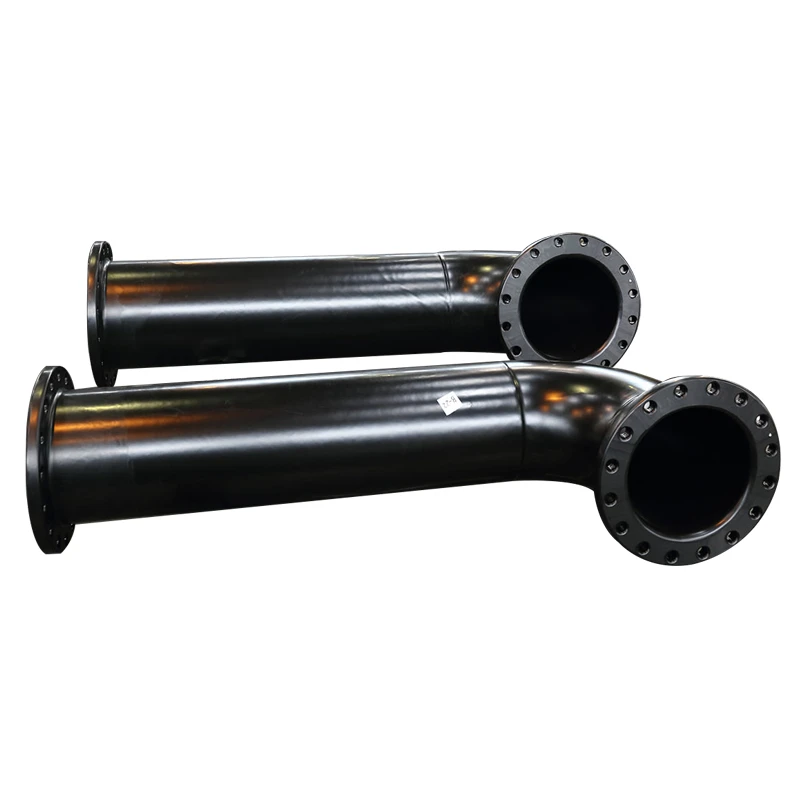
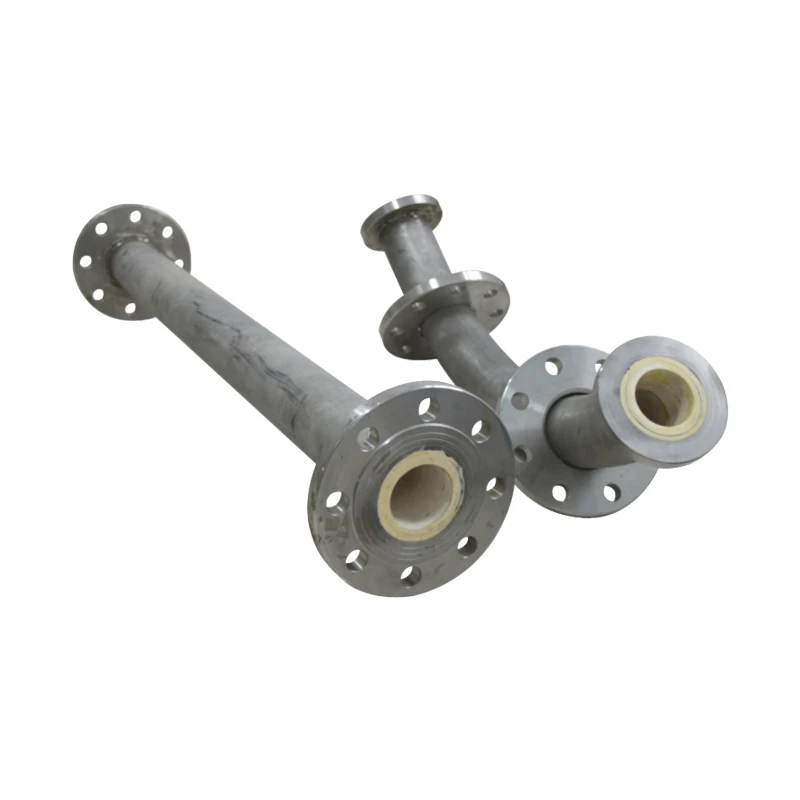
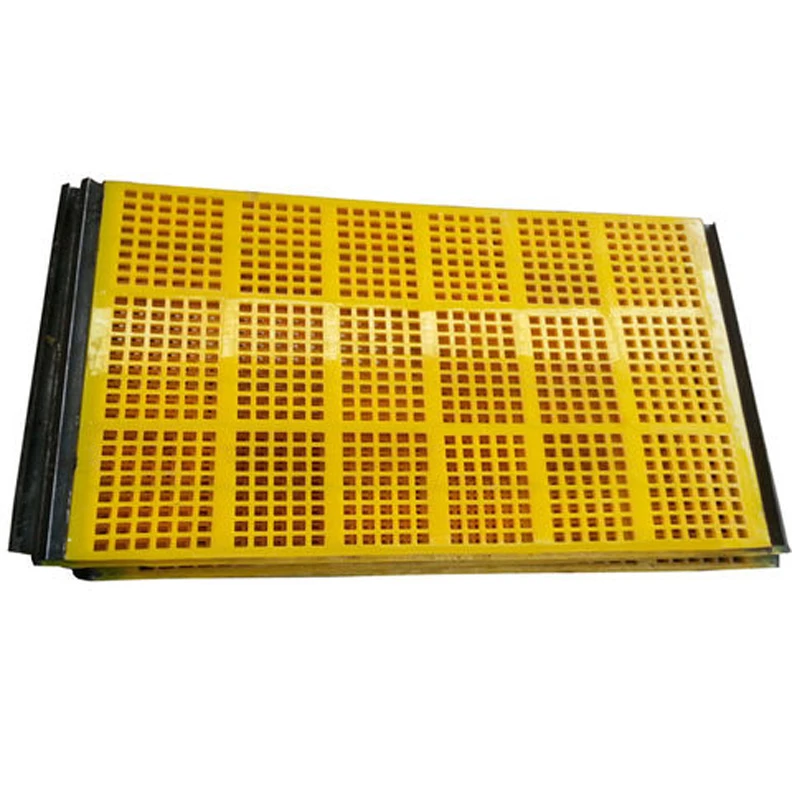
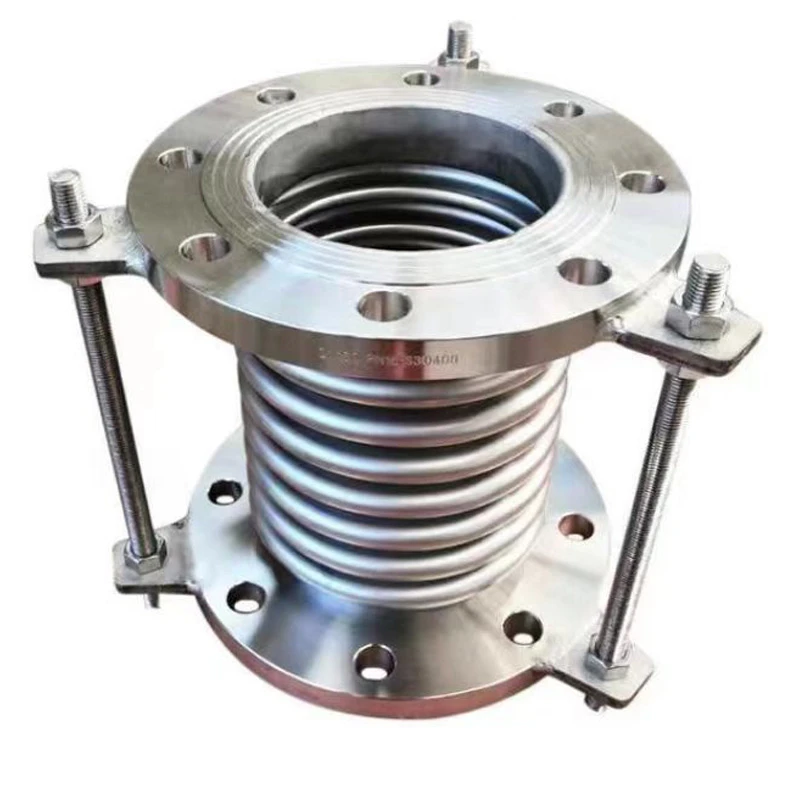
Our main products are polyurethane lined pipes, mining equipment fittings and metal hoses.