Teflon Lined Tanks: Durable Chemical Storage Solutions for Industry
Teflon Lined Tanks is a key solution in the industry, specifically within chemical processing, pharmaceuticals, and food manufacturing. This article explores how https://www.qwmetal.com supports professionals with durable, high-performance products, and explains why this product is an ideal choice for businesses in these sectors.
Table of Contents
- Teflon Lined Tanks Overview
- Benefits & Use Cases of Teflon Lined Tanks
- Cost, Maintenance & User Experience
- Sustainability & Market Trends
Teflon Lined Tanks Overview
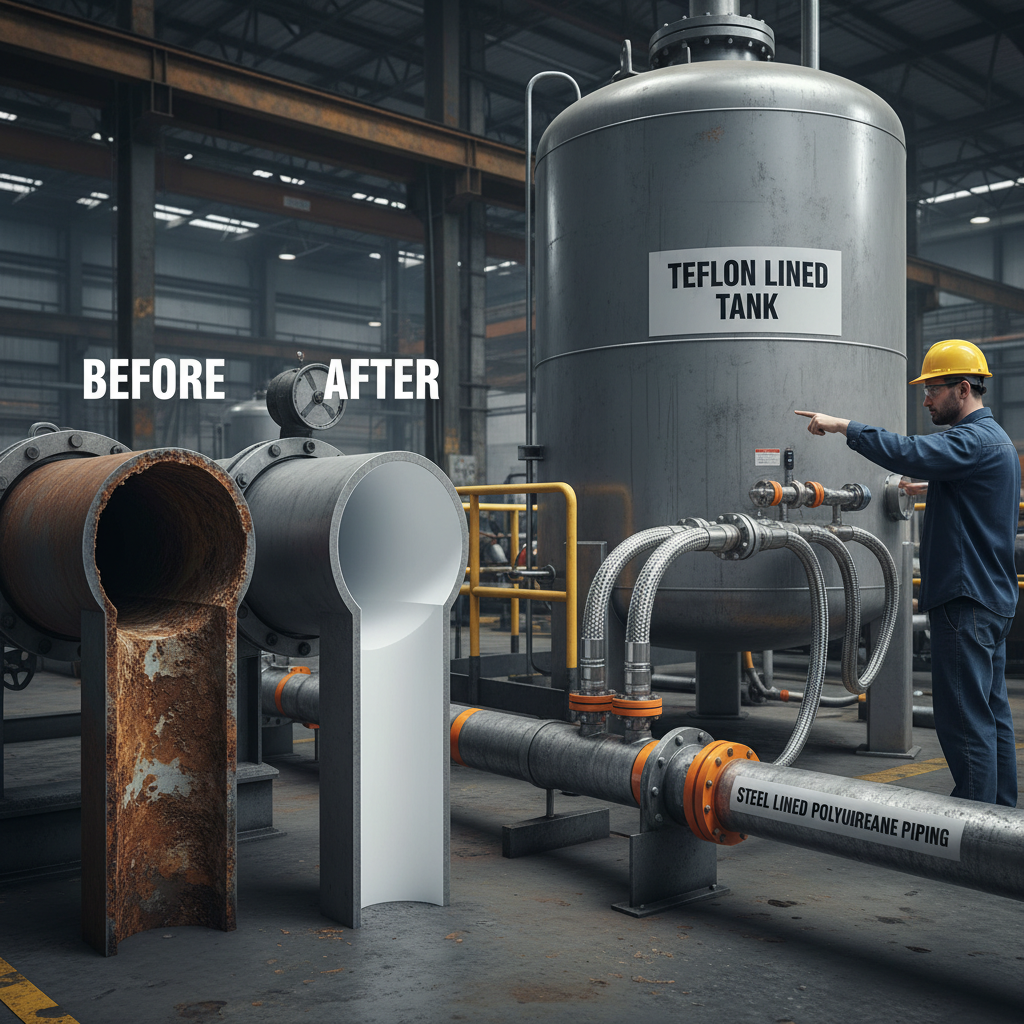
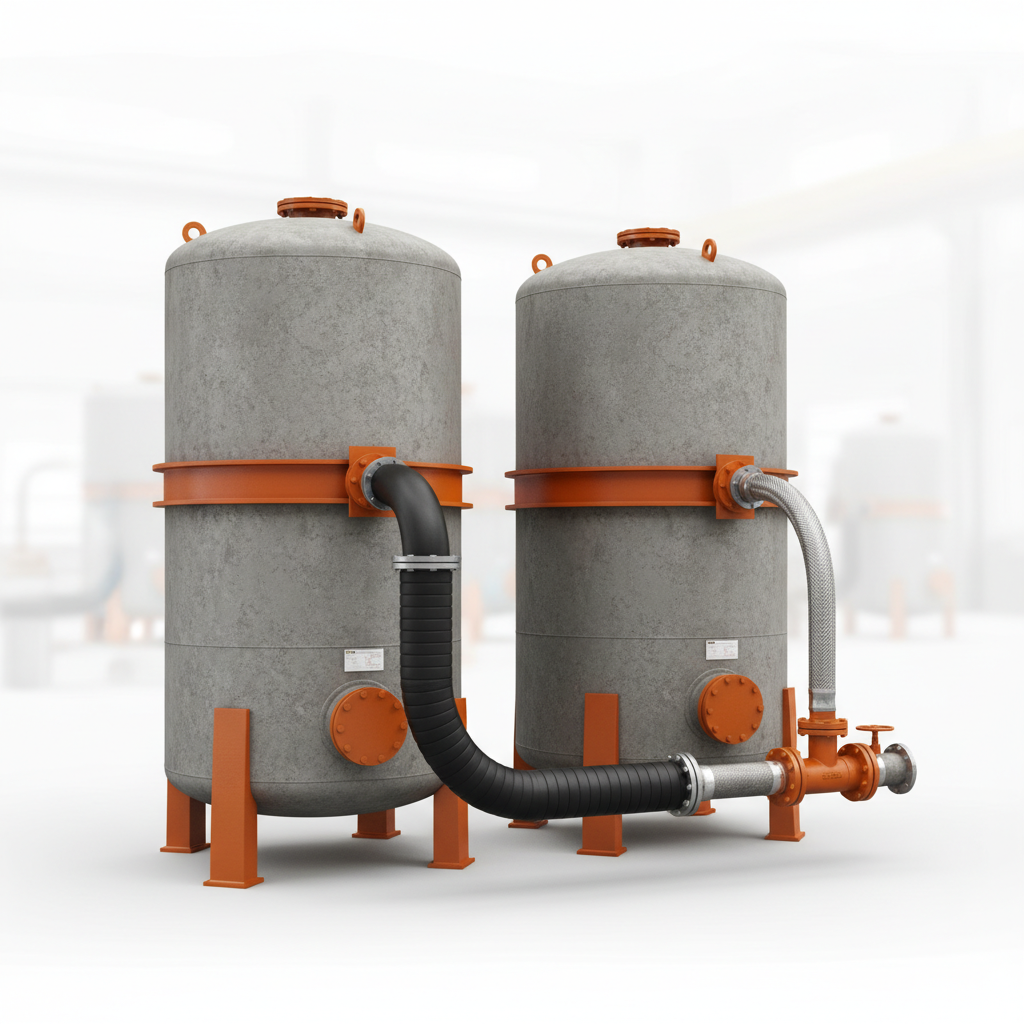
At its core, a Teflon Lined Tank is essentially a metal tank—often stainless steel—coated internally with polytetrafluoroethylene (PTFE), most commonly known as Teflon. This lining provides exceptional chemical resistance, preventing harsh substances from corroding or damaging the tank itself. Frankly, it’s a bit like giving your tank an impervious shield. These tanks are crucial in industries that handle aggressive chemicals, acids, or solvents where contamination or degradation would pose serious issues.
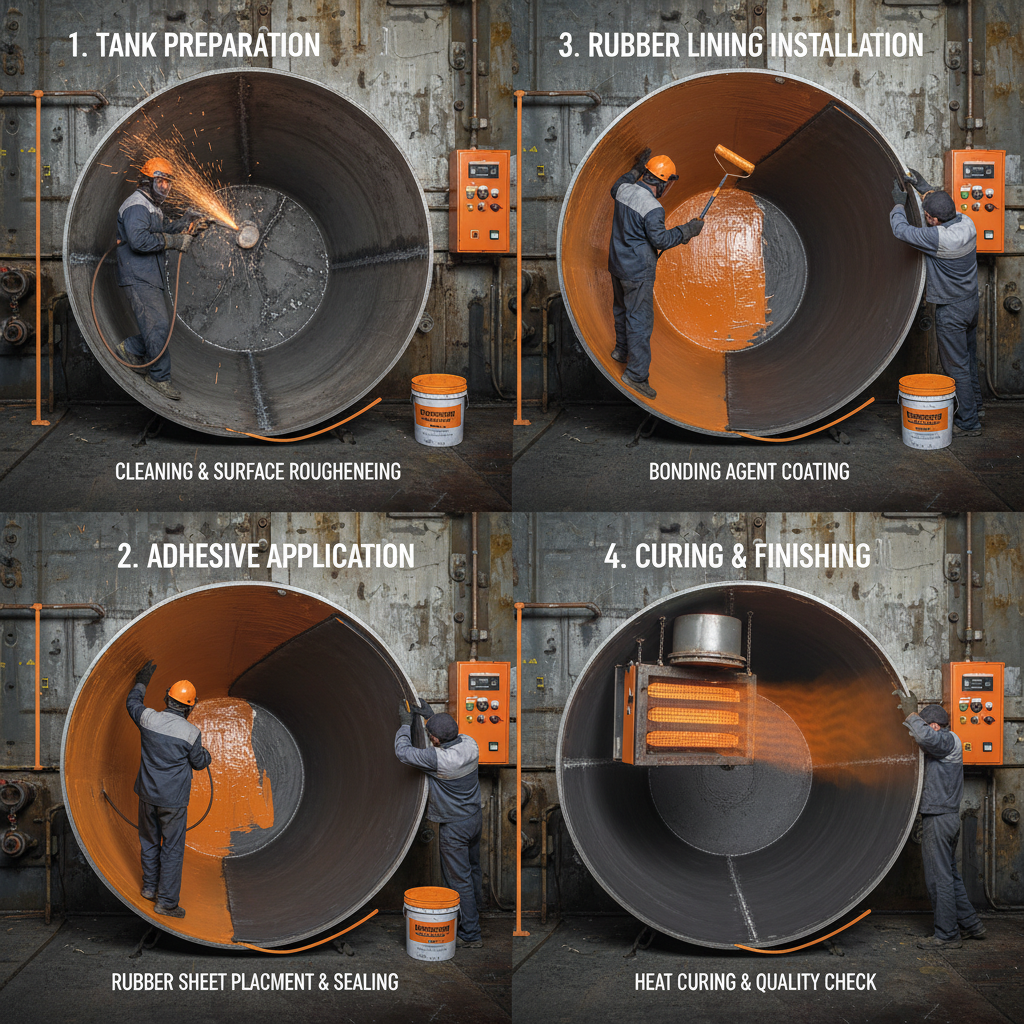
Technically speaking, the lining is applied through a meticulous process involving spraying or molding PTFE inside the tank and curing it at high temperatures. The thickness of the lining and its purity make all the difference—too thin, and you risk exposure; too thick, and you might lose volume or heat transfer efficiency. Product specs often include liner thickness ranging from 1.5 mm to 3 mm, depending on customer needs.
| Specification | Typical Value |
|---|---|
| Material | Stainless Steel 304/316 |
| Teflon Lining Thickness | 1.5 - 3 mm |
| Temperature Resistance | Up to 260°C (500°F) |
| Pressure Rating | Vacuum to 10 bar |
| Capacity Range | 500 L to 20,000 L+ |
Benefits & Use Cases of Teflon Lined Tanks
You might wonder: why opt for Teflon Lined Tanks over other storage solutions? Well, in real terms, their non-reactivity is a game changer. Industries such as chemical manufacturing, where corrosive acids or solvents are daily fare, rely heavily on these tanks to maintain integrity and purity of content. Likewise, pharmaceutical companies benefit from the non-stick, contamination-free surface during sensitive processes.
Moreover, Teflon’s low friction surface means residual material buildup is minimal, easing cleaning and turnaround time. This often translates to higher productivity and better compliance with strict regulatory standards. Vendors like QW Metal emphasize customization, with tanks tailored to specific temperature, pressure, or capacity requirements—this is crucial since one size simply doesn’t fit all in industrial contexts.
Interestingly, many engineers I spoke with also appreciate the insulation properties, which help maintain temperature stability, especially when paired with external heating or cooling jackets.
Cost, Maintenance & User Experience
It’s no secret that Teflon Lined Tanks come with a higher upfront cost compared to some alternatives, but the long-term story is more interesting: durability drastically cuts down replacement and repair expenses. Plus, the chemical resistance means fewer disruptions from corrosion or leaks, which are costly in their own right.
From what customers share, the total cost of ownership tends to be competitive, especially when factoring in reduced downtime and easier cleaning cycles. Maintenance mostly revolves around routine inspections for lining integrity—though, oddly enough, major damage is rare when tanks are properly operated.
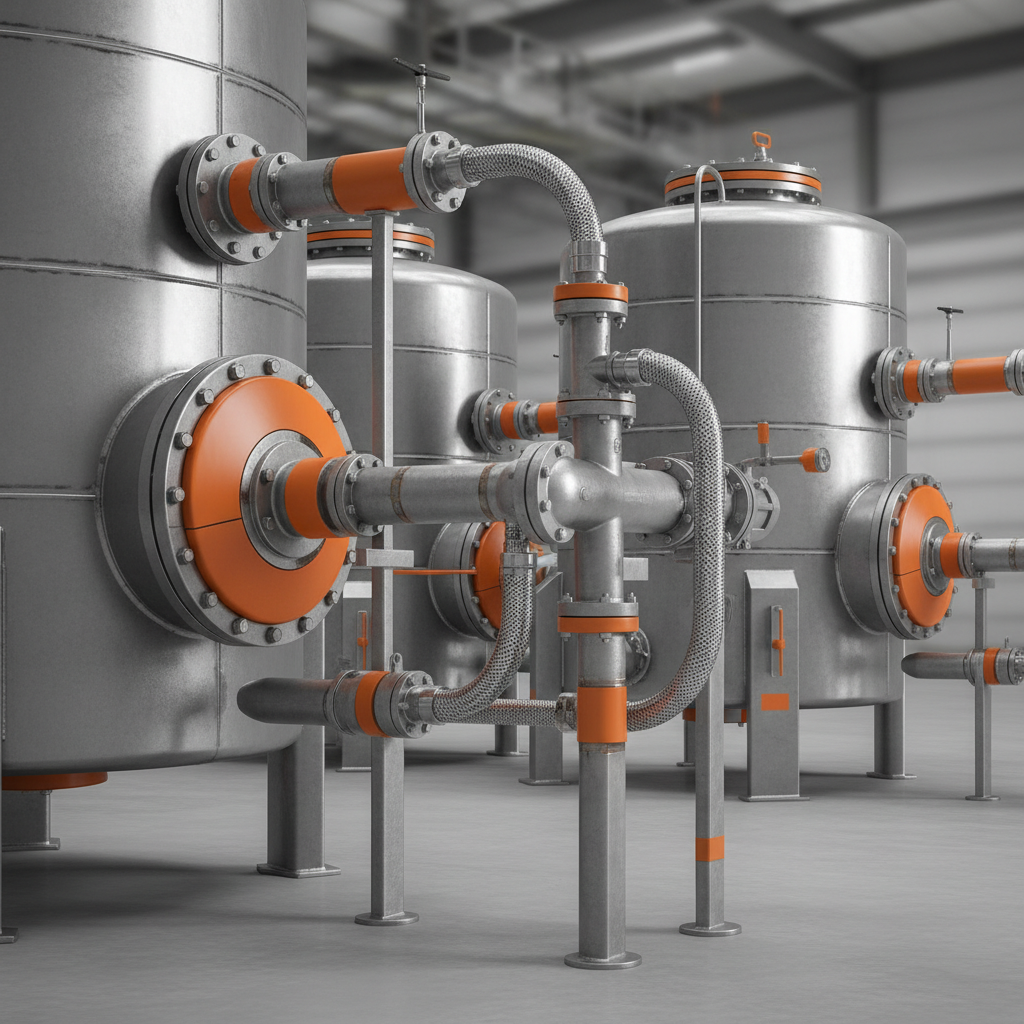
Feedback highlights that the user experience improves with tanks designed for easier access and ergonomic handling. QW Metal, for instance, integrates features like manways and nozzles tailored to client workflows, making life on the shop floor greener and less stressful.
| Vendor | Material Quality | Customization | Lead Time | Pricing |
|---|---|---|---|---|
| QW Metal | High-grade 304/316 SS | Full customization | 4-6 weeks | Competitive |
| Vendor B | Standard SS | Limited options | 6-8 weeks | Higher |
| Vendor C | Mid-tier SS | Custom batches only | 5-7 weeks | Moderate |
Sustainability & Market Trends
Sustainability is undeniably at the forefront of industrial innovation today, and Teflon Lined Tanks are part of that conversation. While PTFE itself is a fluoropolymer with a complex environmental footprint, its durability means fewer tanks are scrapped and replaced prematurely, which frankly helps reduce waste. Plus, many manufacturers are working toward greener production processes for these linings.
Regulatory frameworks, especially in the EU and US, increasingly demand that plants reduce leaks and contamination risks. Teflon liners, with their impermeability and chemical inertness, align well with these tightening standards. Market demand is growing accordingly; sectors like pharmaceuticals and specialty chemicals show strong adoption rate increases, kind of reflecting the overall shift toward safer, cleaner chemical handling.
Frequently Asked Questions about Teflon Lined Tanks
- What is Teflon Lined Tanks and how does it work?
- A Teflon Lined Tank is a storage container with an internal lining of Teflon (PTFE). This lining prevents chemicals from reacting with the tank metal, protecting both the tank and the stored substance. It works by creating a chemically inert barrier that resists corrosion and contamination.
- What are the main benefits of using Teflon Lined Tanks in industrial applications?
- Key benefits include outstanding chemical resistance, ease of cleaning, durability, and better containment of aggressive substances. This reduces maintenance and downtime, improving overall operational efficiency.
- How does Teflon Lined Tanks compare to traditional alternatives?
- Compared to non-lined or rubber-lined tanks, Teflon Lined Tanks offer superior chemical inertness, longer service life, and less risk of lining failure. They typically handle higher temperatures and harsher chemicals more reliably.
- What industries can benefit most from Teflon Lined Tanks implementation?
- Industries such as chemical processing, pharmaceuticals, food and beverage, and specialty manufacturing find Teflon Lined Tanks especially valuable for handling corrosive, reactive, or ultra-pure materials safely and efficiently.
Conclusion on Teflon Lined Tanks from china
Teflon Lined Tanks stand out as a smart investment for industries requiring reliable, long-lasting chemical storage with minimal contamination risk. The robust technology, supported by trusted suppliers like QW Metal, makes these tanks both an economically and operationally sound choice. For businesses seeking to improve process safety and compliance, they simply make sense.
- Durability and chemical resistance reduce downtime and maintenance.
- Customization options ensure fit-for-purpose solutions.
- Visit our website: https://www.qwmetal.com
Ultimately, Teflon Lined Tanks reflect how materials engineering and industrial design converge to solve real-world challenges in chemical handling.
References:
1. Chemical Processing Magazine, 2023.
2. QW Metal Manufacturing Data Sheets, 2024.
3. Industrial Equipment Review, 2023.
Related Products
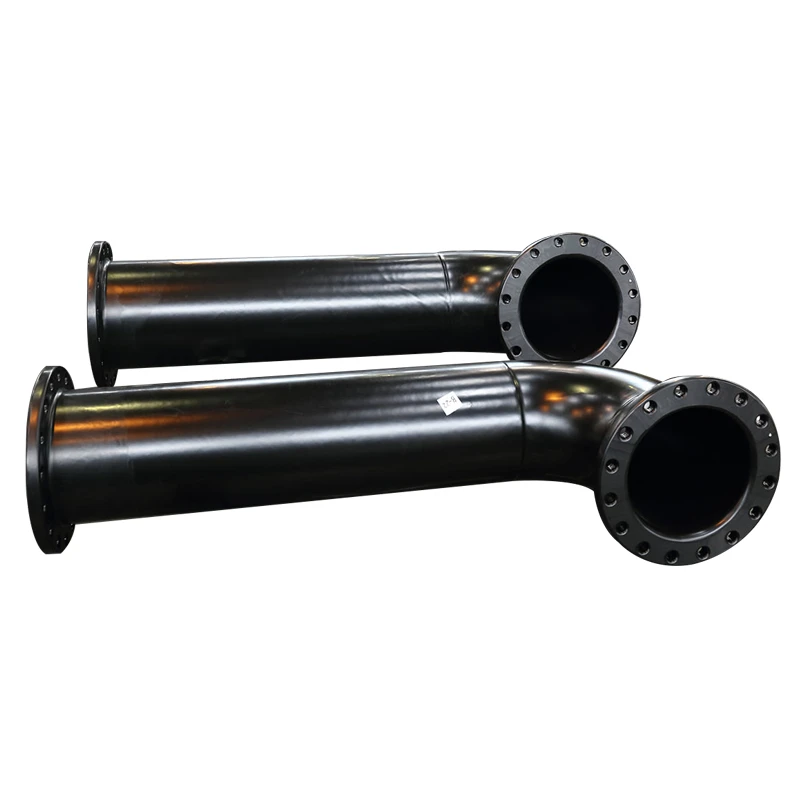
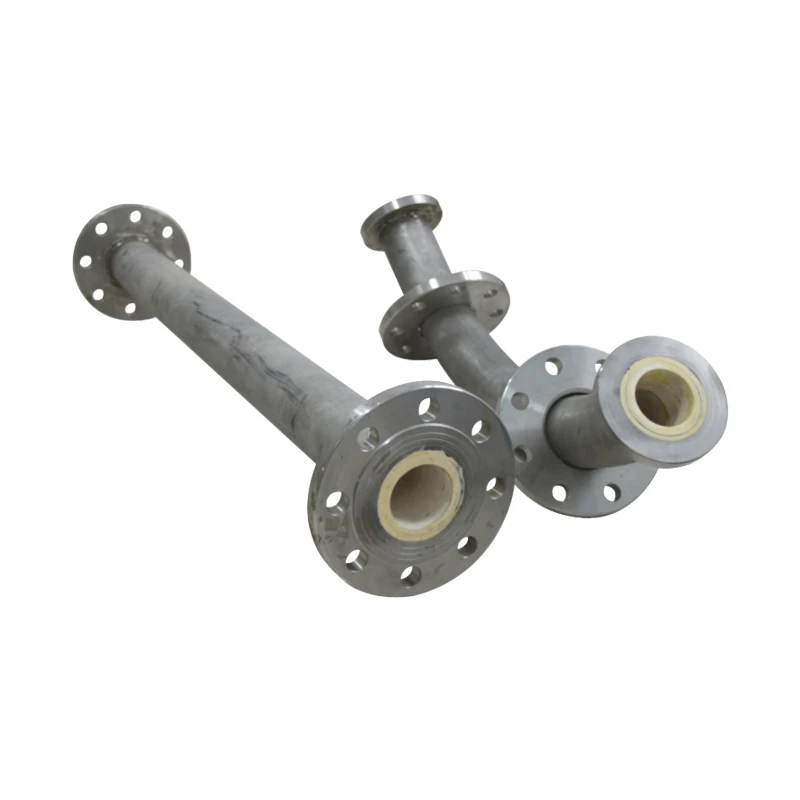
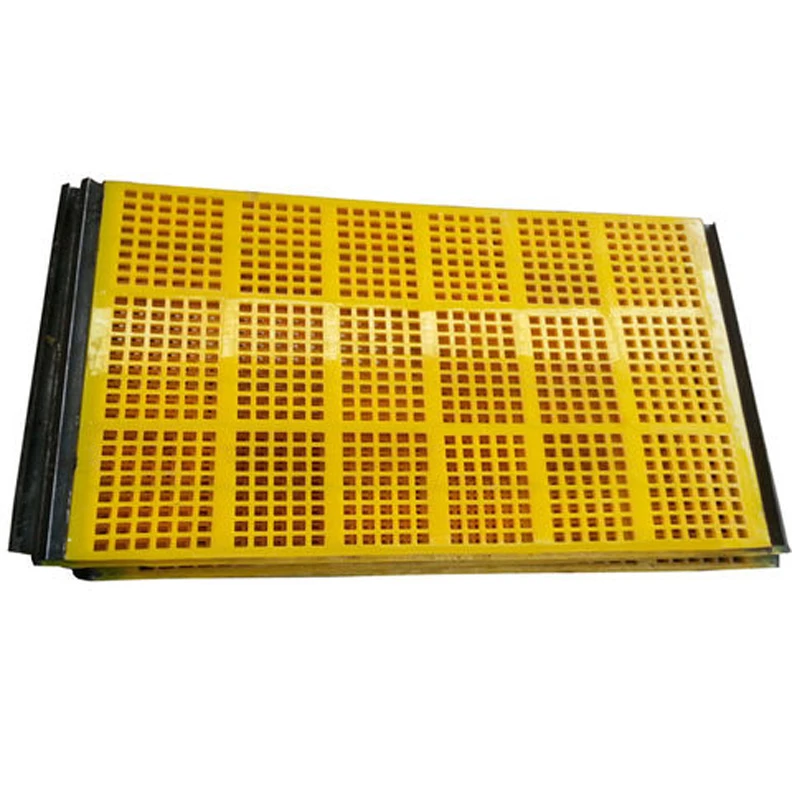
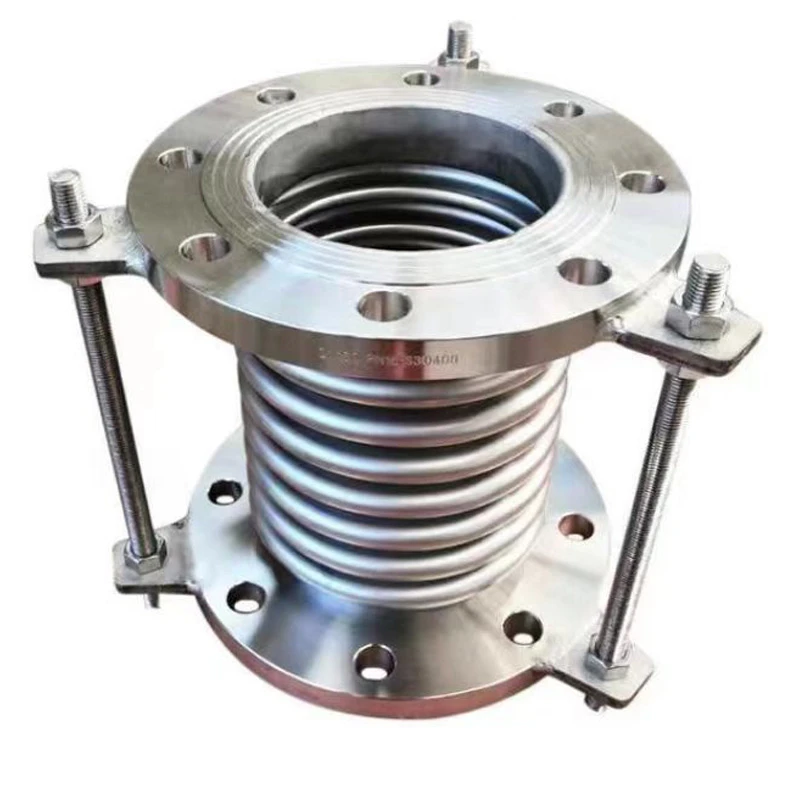
Our main products are polyurethane lined pipes, mining equipment fittings and metal hoses.