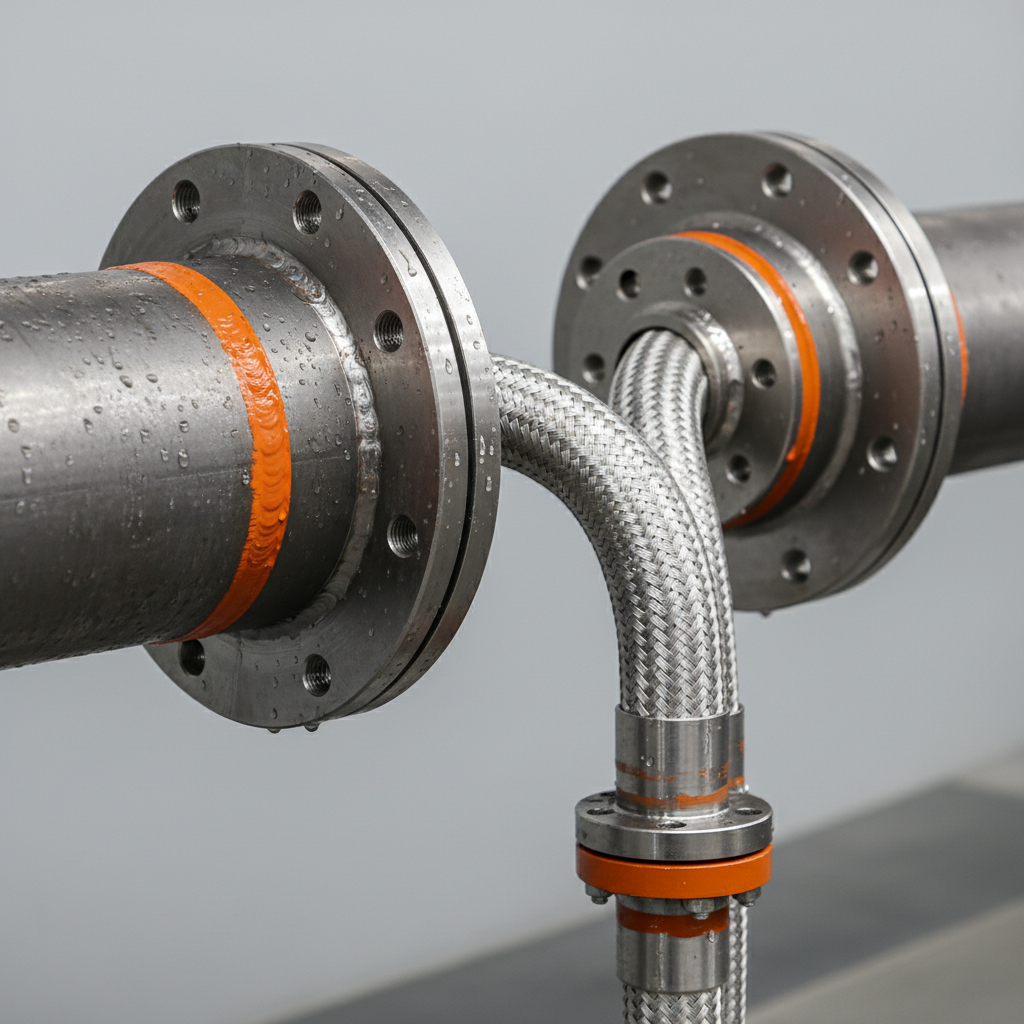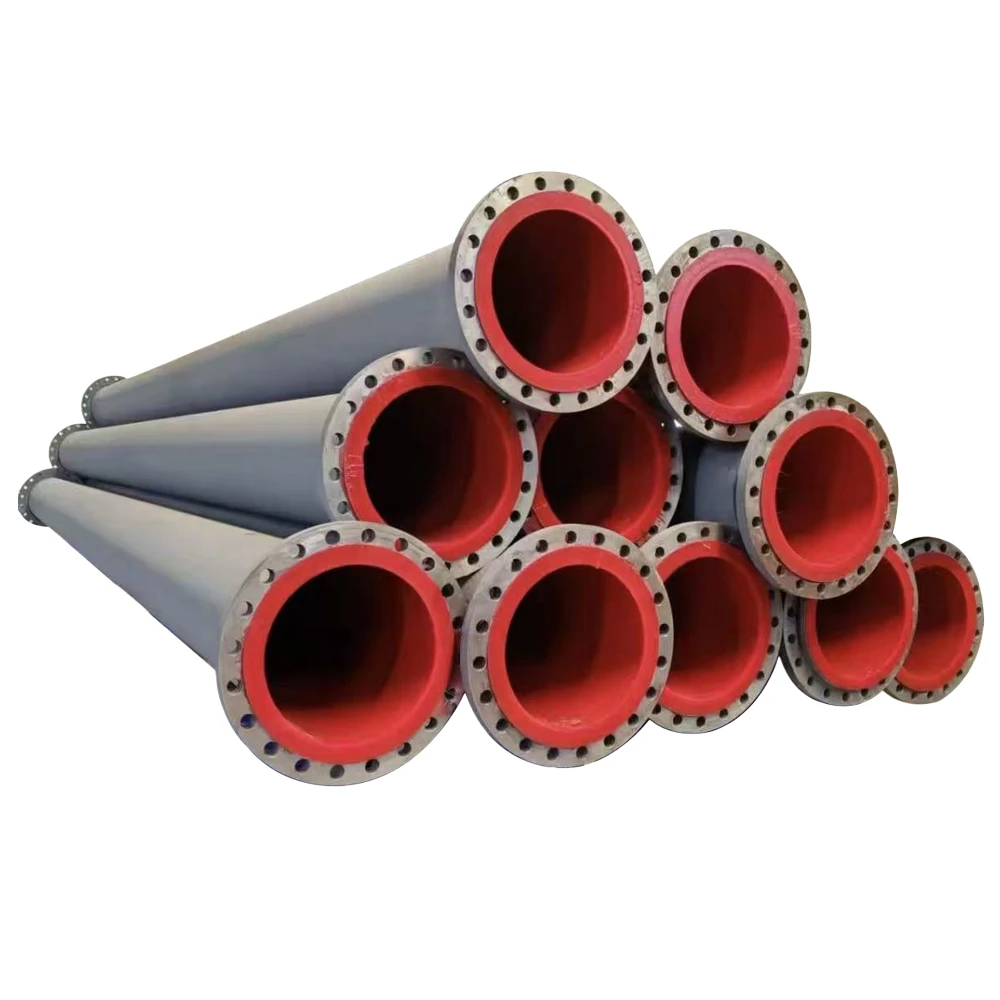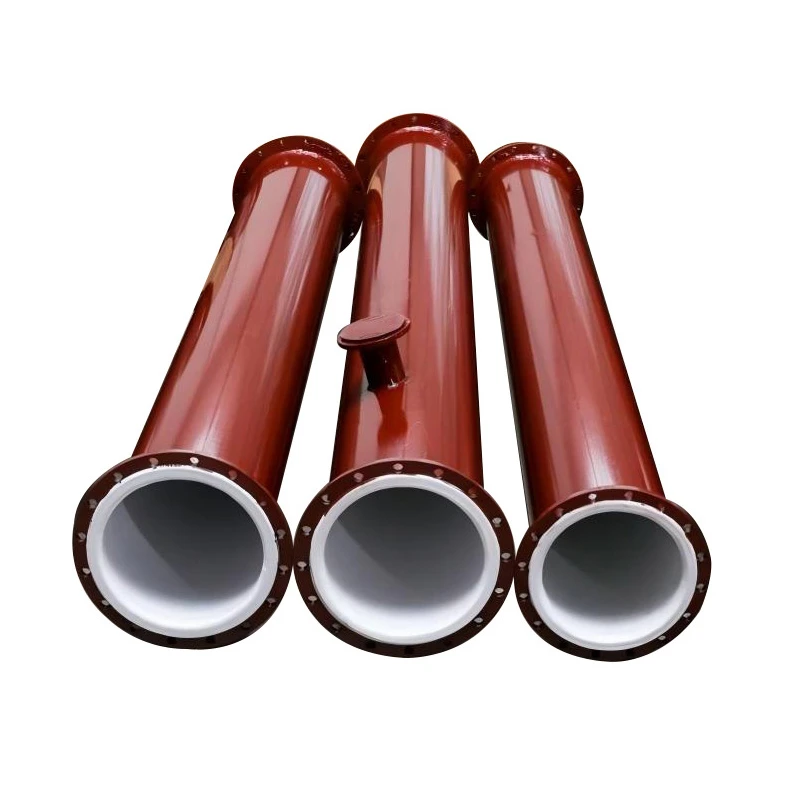

When assessing the ptfe lined pipe price, procurement managers must look beyond the initial sticker cost and evaluate the total value proposition. Polytetrafluoroethylene (PTFE) lining is a critical engineering choice for transporting highly corrosive chemicals, where standard metallic piping would fail rapidly. This article provides a detailed breakdown of the factors that influence the costing of these specialized conduits and how to optimize your selection for long-term industrial viability.
The commercial value of fluoropolymer-lined systems is derived from their near-universal chemical resistance and thermal stability. In B2B procurement, the variation in quotes often stems from differences in the lining process, the quality of the host metal, and the specific pressure ratings required for the application. Understanding these technical nuances allows engineers and buyers to differentiate between low-cost alternatives and high-performance solutions that reduce downtime.
Readers will gain insights into the core cost drivers, from raw material fluctuations to the impact of custom engineering. We will examine how factors like ptfe lined pipe price are influenced by the interaction between the lining and the outer shell, providing a framework for more accurate budgeting and supplier comparison in the chemical and mining sectors.
Analyzing Cost Drivers for Fluoropolymer Lined Piping
The pricing of PTFE-lined piping is not standardized because these products are often engineered to specific chemical environments. At the fundamental level, the cost is driven by the raw Polytetrafluoroethylene resin, which is a specialized polymer known for its high cost of production and processing. Unlike standard plastic pipes, these are composite structures where a high-performance liner is bonded or fitted into a metallic shell, usually carbon steel or stainless steel. The complexity of ensuring a leak-proof seal between the liner and the flange is a significant driver of the final cost.
Furthermore, the manufacturing process—whether it involves extrusion, molding, or the application of a shrink-fit liner—impacts the labor and energy expenditure. Quality control is another invisible cost; rigorous pressure testing and spark testing are mandatory to ensure there are no pinholes in the liner, as a single defect can lead to the catastrophic corrosion of the outer shell. In industries such as chemical processing or oil and gas, the cost of failure far outweighs the initial investment, making the verification process a critical part of the value chain.
Evaluating PTFE Lined Systems for Industrial Procurement
For a procurement specialist, evaluating quotes requires a multidimensional approach. It is not merely about the price per meter, but about how the specific configuration matches the operational environment. The following seven dimensions detail the technical and commercial factors that determine the final investment requirement.
Material Influence on Budgeting
The grade of the fluoropolymer used significantly alters the cost. While standard PTFE is common, variations like PFA (Perfluoroalkoxy) or FEP (Fluorinated Ethylene Propylene) may be required for different temperature ranges or melt-processability needs. The purity of the resin and its molecular weight affect the durability and chemical resistance, directly impacting the procurement cost. Choosing the correct polymer prevents premature replacement, optimizing the long-term budget.
| Material Grade | Cost Impact | Primary Driver | Recommended Use |
|---|---|---|---|
| Standard PTFE | Baseline | Material Availability | General Corrosive Acids |
| Modified PTFE | Moderate Increase | Processing Ease | High-Pressure Systems |
| PFA Lining | Significant Increase | Melt-Processability | Ultra-Pure Applications |
| FEP Lining | Moderate Increase | Transparency/Flexibility | Low-Temperature Acids |
| High-Density PTFE | Moderate Increase | Wear Resistance | Abrasive Slurries |
| Composite Liners | Variable | Multi-layer Tech | Extreme Temp Gradients |
Impact of Lining Thickness
Lining thickness is a trade-off between cost and service life. Thicker liners provide a greater safety margin against permeation and mechanical wear, particularly in systems transporting aggressive solvents. However, increasing the thickness requires more raw material and may complicate the fitting process. A precise engineering analysis of the fluid's permeation rate is necessary to avoid over-specifying the thickness, which would unnecessarily inflate the project cost.
Outer Shell Material Selection
The exterior pipe, which provides the structural integrity, varies in cost based on the metal used. Carbon steel is the most economical choice for most industrial settings. However, if the external environment is also corrosive (e.g., coastal regions or offshore platforms), stainless steel or alloy shells are required. This shift in metallurgy can double or triple the cost of the assembly, regardless of the internal lining material.
Customization vs. Standardization
Standard lengths and diameters benefit from economies of scale. When a project requires custom bends, T-junctions, or non-standard flange ratings, the cost increases due to the need for specialized molds and manual finishing. Hebei Qiao Wan's capability to provide both standardized and customized solutions allows clients to balance the need for precision engineering with budget constraints, ensuring that customized components are only used where strictly necessary.
Installation and Integration Costs
The total cost of ownership includes the labor for installation. PTFE-lined pipes are heavier than plastic and more fragile than pure metal. Specialized handling is required to ensure the liner is not collapsed or scored during installation. The cost of specialized gaskets and fasteners compatible with fluoropolymer systems must also be accounted for to avoid leaks at the joints, which are the most common points of failure.
Maintenance and Lifecycle Value
Low-cost piping often leads to high maintenance costs. A high-quality lining reduces the frequency of replacements and unplanned shutdowns. When calculating value, the "cost per year of service" is a more accurate metric than the purchase price. High-grade PTFE systems offer exceptional resistance to wear and abrasion, which is essential in harsh industrial environments, effectively lowering the total cost of ownership over a ten-year horizon.
Supplier Evaluation Criteria
Selecting a supplier involves assessing their technical expertise. A manufacturer with a skilled team of engineers can optimize the design—such as suggesting a more efficient diameter or a more suitable shell material—to reduce costs without sacrificing performance. Evaluating the supplier's quality control measures, such as their testing protocols for liner integrity, is the most effective way to mitigate the risk of expensive premature failures.
FAQ
What primarily determines the cost of PTFE lined piping?
The cost is primarily determined by the grade and thickness of the fluoropolymer liner, the material of the outer supporting shell (e.g., carbon steel vs. stainless steel), and the complexity of the components, such as custom bends or specialized flange configurations. Additionally, the rigor of quality testing, such as spark and pressure tests, adds to the value and final price.
Is it more cost-effective to use PFA or PTFE linings?
PTFE is generally more cost-effective for standard industrial applications due to lower raw material costs and established manufacturing processes. PFA is typically more expensive but is necessary for applications requiring extreme purity or specific thermal molding characteristics. The choice depends on whether the application's technical requirements justify the higher investment.
How does the outer shell material affect the total price?
The outer shell provides the structural strength. Carbon steel is the most budget-friendly option. However, if the external environment is corrosive, upgrading to stainless steel or other alloys is necessary. This upgrade significantly increases the price but prevents external corrosion from compromising the integrity of the entire piping system.
Can customization reduce the overall project cost?
While custom parts have a higher unit price than standard ones, professional customization can reduce costs by optimizing the system layout. By reducing the number of joints and fittings through a custom-engineered design, a company can lower the total material count and reduce the risk of leaks, leading to lower installation and maintenance costs.
What are the risks of choosing the cheapest available option?
The primary risks include poor liner bonding, inconsistent thickness, and inadequate testing. In corrosive environments, a faulty liner can lead to the rapid corrosion of the outer shell, resulting in catastrophic leaks, environmental hazards, and expensive emergency shutdowns. The cost of a single failure often far exceeds the savings gained from a cheaper initial purchase.
How should I evaluate a supplier's technical capability?
Evaluate the supplier's engineering staff, their experience with specific industrial applications, and their quality assurance certifications. Ask for details on their testing process for liner integrity. A supplier that offers technical consultations and design optimization, like Hebei Qiao Wan, typically provides better long-term value than one that only takes orders for standard parts.
References and further reading
- Industrial Piping Standards for Fluoropolymer Linings - Material Engineering Handbook.
- ASTM International Standards for Thermoplastic-Lined Steel Pipe.
- Chemical Resistance Guide for PTFE and PFA Polymers.
Related Articles