Durable and Chemical-Resistant PTFE Lined Tanks for Industry | QW Metal
Understanding the Importance of a PTFE Lined Tank in Today’s Global Landscape
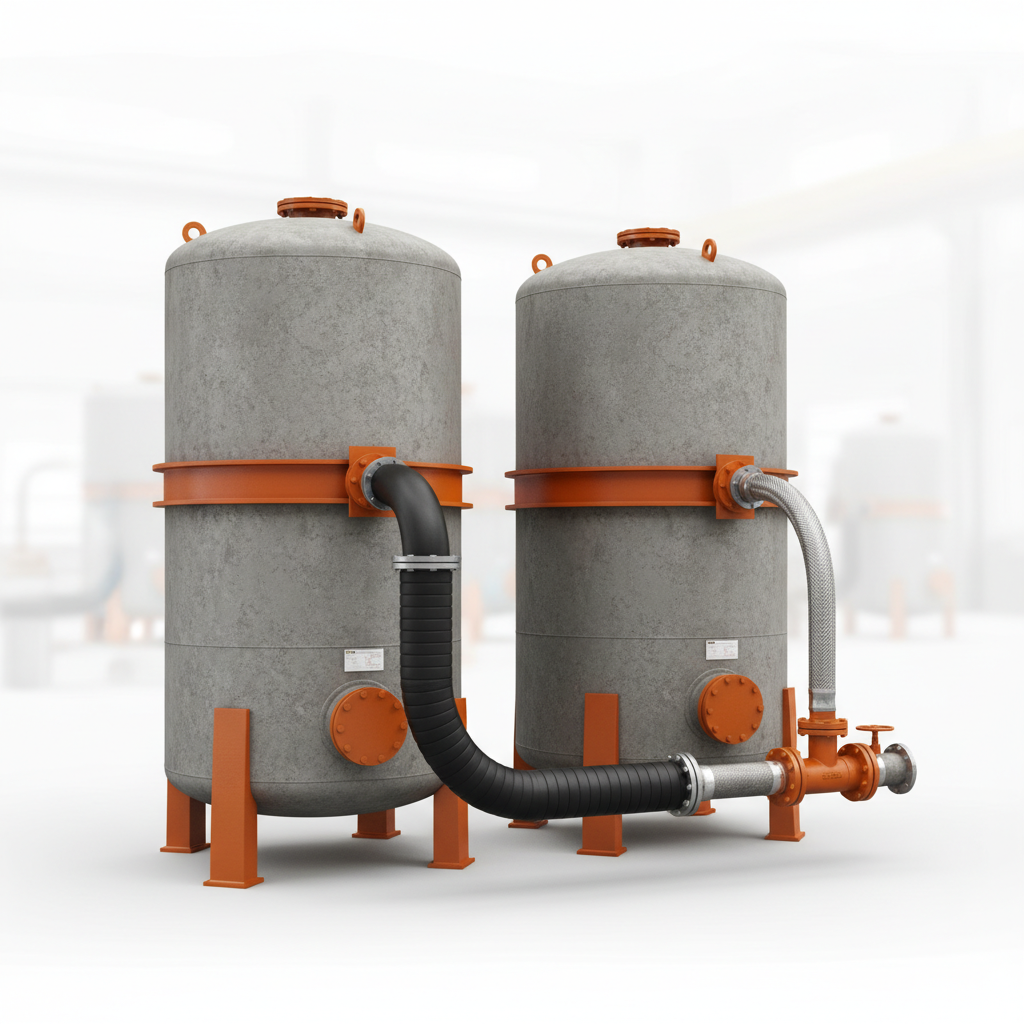
At first glance, a ptfe lined tank might sound like something tucked away in the esoteric corners of chemical engineering manuals. But actually, it’s one of those quietly crucial technologies that keeps industries—from pharmaceuticals to water treatment—running smoothly worldwide. Why does this matter on a global scale? Because the need for chemical-resistant, durable storage solutions continues growing alongside industries and humanitarian efforts, affecting everything from clean water access to chemical production safety.
Key benefits of understanding these tanks include recognizing how they protect against corrosion, extend equipment life, and ensure the integrity of sensitive substances—crucial factors in industrial efficiency and environmental safety.
Global Context: Why PTFE Lined Tanks Have Gained Industrial Traction
According to the International Standards Organization (ISO) and reports from the United Nations, the industrial sector is facing increasing demand for equipment that combines longevity and chemical resistance without frequent costly maintenance. Corrosion alone accounts for an estimated 20-25% of plant failures globally (ISO 8044:2019). That’s a massive economic and safety burden.
In real terms, many industries struggle with traditional tank linings that degrade rapidly under aggressive chemical exposure, risking leaks, contamination, and downtime. Here’s where the ptfe lined tank comes in—it addresses these challenges by offering a lining capable of withstanding harsh acids, solvents, and extremes in temperature.
Defining the PTFE Lined Tank
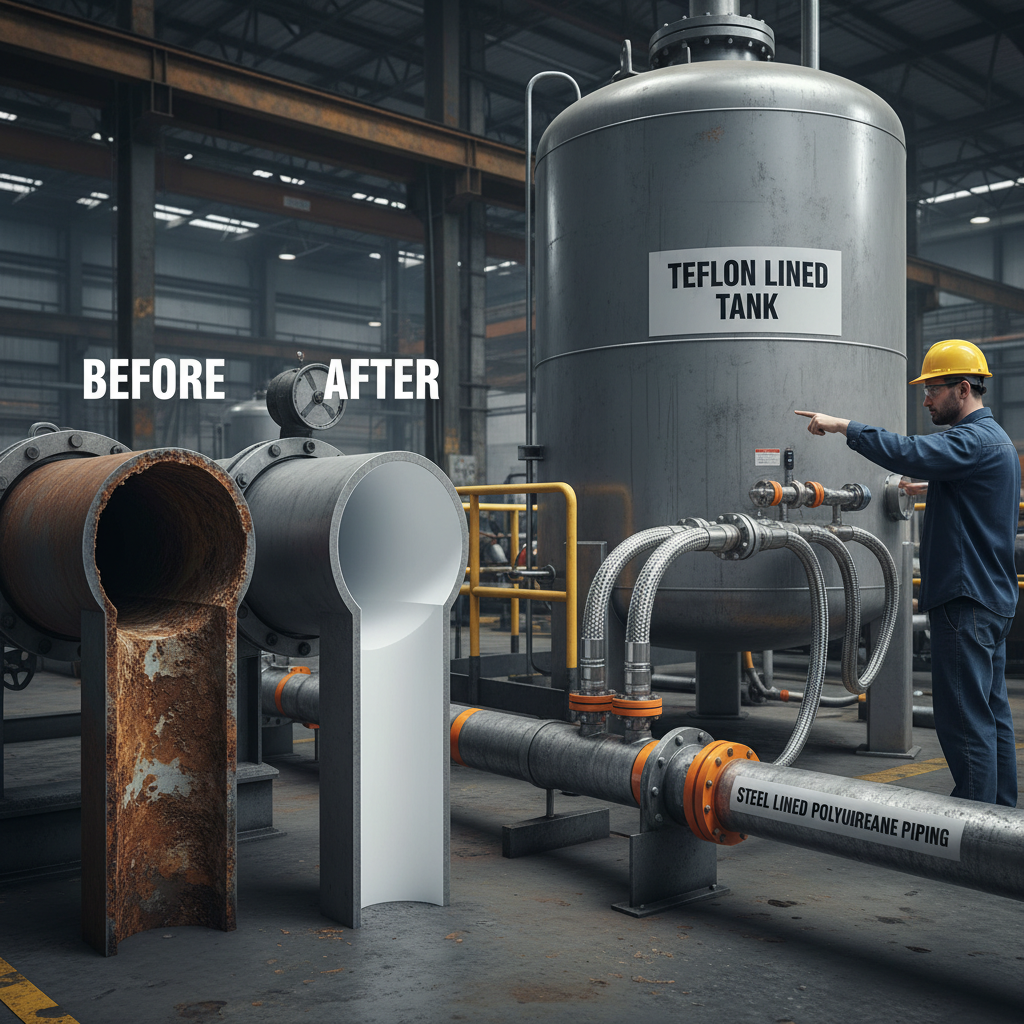
Let’s break it down: PTFE or polytetrafluoroethylene is a synthetic fluoropolymer known for its remarkable chemical inertness and non-stick characteristics. When manufacturers line an industrial-grade tank with PTFE, it means the tank’s interior surface has a protective PTFE coating, creating a barrier that resists corrosion, contamination, and mechanical wear.
These tanks serve a crucial role in modern industry—they’re used anywhere from chemical processing plants, where aggressive solvents are stored, to food-grade applications, ensuring purity in storage.
Core Components & Key Factors That Define PTFE Lined Tanks
1. Durability and Chemical Resistance
The most celebrated feature: PTFE’s amazing resistance to nearly all chemicals known, barring a few like molten alkali metals. Industrial mixers, reactors, and storage tanks benefit immensely; they rarely suffer from corrosion-related failures.
2. Temperature & Pressure Tolerance
While PTFE can endure temperatures roughly between −200°C to 260°C, the tank’s lining plus its structural materials handle a wide operational range—great for industries that require heating or cooling during chemical reactions.
3. Low Friction & Non-Adherence
PTFE’s smooth surface makes it highly resistant to sticking substances, whether sludges or viscous chemicals. This improves cleaning cycles and reduces contamination risks.
4. Scalability
From small lab tanks to massive industrial reactors, PTFE linings can be customized to fit the exact shape and size needed, allowing scalability across applications.
5. Cost Efficiency Over Time
Though initial investment might be higher compared to unlined or rubber-lined tanks, reduced downtime, maintenance, and long service life mean lower total cost of ownership.
Mini Takeaway:
Summing up these qualities, the modern PTFE lined tank is a cornerstone solution for many industries, offering robustness and adaptability that old tank linings simply can't match.
Global Applications and Noteworthy Use Cases
Industries across the world take advantage of PTFE lined tanks—notably chemical manufacturing hubs in Europe and Asia, and water treatment plants in the Americas. In pharmaceutical production, these tanks are indispensable for storing highly reactive ingredients safely.
Disaster relief operations, surprisingly, also use PTFE lined tanks ptfe lined tank for safely storing and transporting potable water in corrosive or harsh environments, ensuring safe drinking water delivery where nothing else will suffice.
In industrial zones with aggressive chemical usage like mining sites in Australia or refineries in the Middle East, these tanks mitigate risks associated with hazardous liquid storage.
Advantages & Long-Term Value of PTFE Lined Tanks
- Reliability: Less downtime, leak prevention, and corrosion resistance translate to steady, uninterrupted operations.
- Sustainability: Fewer replacements mean less material waste, supporting green initiatives.
- Safety: Secure containment reduces risk of accidents related to chemical exposure.
- Economic Savings: Over their lifecycle, these tanks prove cost-effective by minimizing repairs and replacements.
- Trust & Innovation: Industries adopting PTFE lining often gain reputational boosts, projecting commitment to quality and safety.
It feels like the perfect marriage of logic and emotion; industries not only protect their bottom line but also uphold safety and environmental integrity, which frankly is priceless.
Product Specifications: A Typical PTFE Lined Tank
| Specification | Details |
|---|---|
| Materials | Stainless Steel / Carbon Steel base with PTFE lining |
| Tank Volume | Typically ranges from 500 to 50,000 liters |
| Temperature Range | -200°C to 260°C (lining limits) |
| Pressure Rating | Up to 10 bar, depends on tank design |
| Chemical Resistance | Resists almost all corrosive chemicals including acids and solvents |
| Coating Thickness | Typically 0.5 to 3 mm PTFE lining thickness |
Vendor Comparison: Major PTFE Lined Tank Manufacturers
| Vendor | Customization Options | Lead Time | Warranty | Price Range |
|---|---|---|---|---|
| QW Metal Inc. | High – custom sizes, linings, accessories | 4-8 weeks | 3 years | Mid to High |
| CorroSafe Tanks | Moderate – standard sizes with some custom lining | 6-10 weeks | 2 years | Mid |
| FluoroTech Systems | High – extensive customization & automation options | 8-12 weeks | 5 years | High |
Future Trends & Innovations in PTFE Lined Tanks
As sustainability moves to the front burner, materials scientists are exploring bio-based fluoropolymers to add eco-friendly edges to traditional PTFE. Automation is also entering tank fabrication—robotic lining applications and sensors to monitor integrity in real-time.
Imagine a PTFE lined tank integrated with IoT devices that alarms operators to coating degradation before leaks occur. It’s exciting stuff, and kind of inevitable as digital transformation touches every inch of industry.
Challenges & Practical Solutions
Not all roses, though—PTFE lining can be tricky to apply uniformly, and damage during maintenance might be hard to detect visually. Plus, costs still deter some smaller businesses from switching over.
One solution many providers recommend is regular ultrasonics or thermographic inspection to catch lining flaws early. Also, modular designs help quickly swap out faulty units, keeping downtime low.
Frequently Asked Questions About PTFE Lined Tanks
- How do PTFE lined tanks compare to rubber-lined tanks for chemical storage?
- PTFE lined tanks generally offer superior chemical resistance and longevity compared to rubber-lined variants. Rubber linings tend to degrade faster with aggressive solvents and require more frequent maintenance.
- Are PTFE lined tanks suitable for food-grade applications?
- Yes, PTFE is FDA-approved for food contact and is often used in the food and pharmaceutical industries to ensure contamination-free storage.
- What is the typical lifespan of a PTFE lined tank in industrial usage?
- With proper maintenance, these tanks can last 10-20 years or more, outperforming many traditional storage solutions.
- Can PTFE lined tanks handle high-pressure environments?
- They can, up to a design pressure limit usually around 10 bar, depending on structural material and lining thickness.
- How eco-friendly are PTFE lined tanks?
- While PTFE itself is not biodegradable, its durability reduces waste by eliminating frequent replacements. New research is underway for greener fluoropolymers.
Conclusion
Long-term, a ptfe lined tank offers unmatched resilience, safety, and efficiency. Whether you’re managing a chemical plant or running water treatment in a challenging environment, these tanks pay dividends in peace of mind and operational excellence.
Curious to see what a PTFE lined tank can do for your operation? Visit our website to explore tailored options that fit your needs.
Reflection & References
It's fascinating how a seemingly simple lining can pivotally impact global industry and safety. For those who dig deeper into materials science or industrial design, PTFE lined tanks represent both ingenuity and practicality—a pretty neat combination, don’t you think?
Related Products
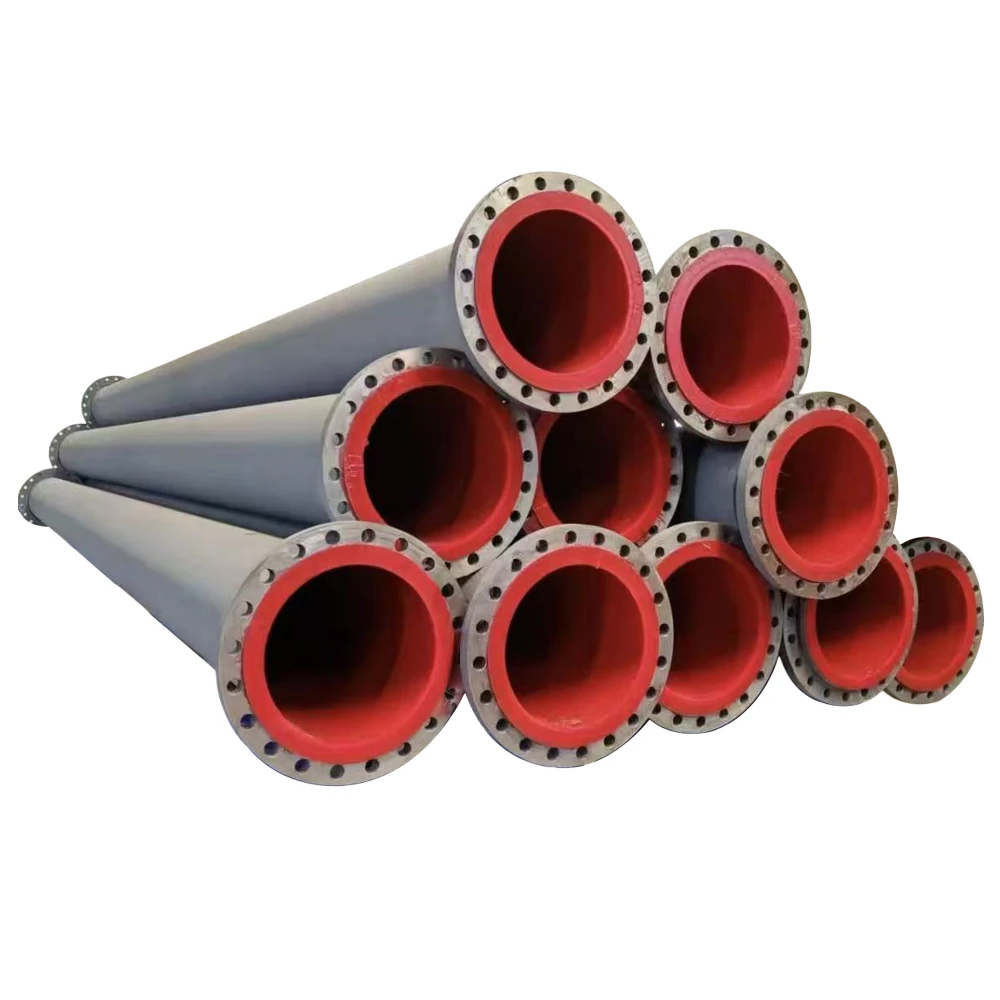
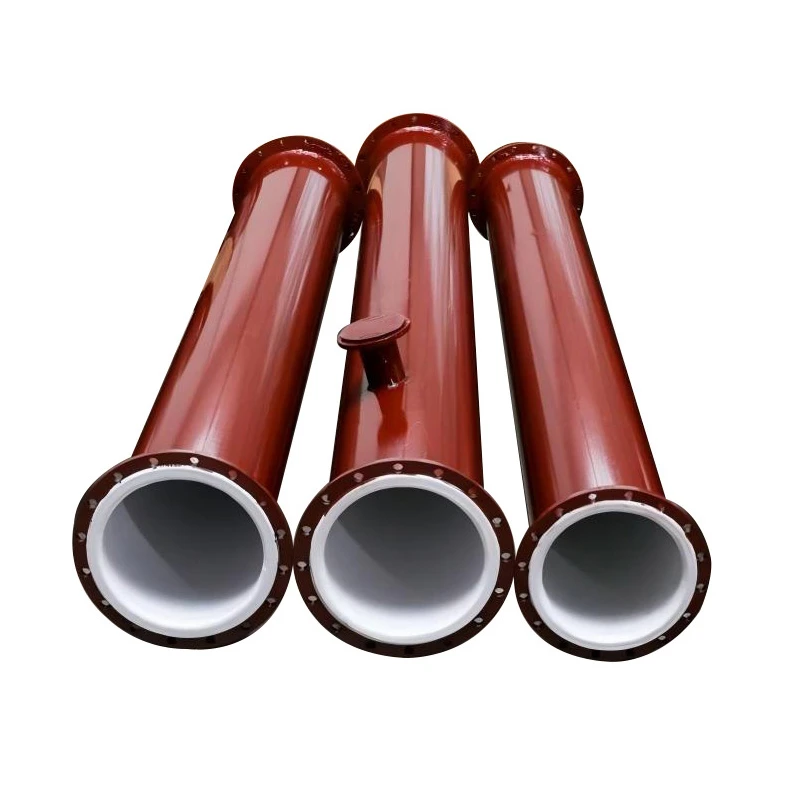
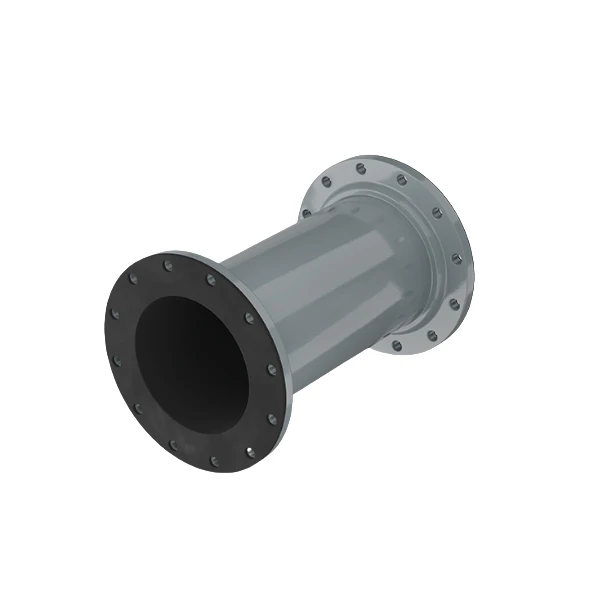
Our main products are polyurethane lined pipes, mining equipment fittings and metal hoses.