Rubber Lined Tank Solutions – Durable, Cost-Effective Chemical Storage Tanks
The Quiet Power of Rubber Lined Tanks: Why They Matter Globally
If you've ever worked in industries handling corrosive chemicals, harsh liquids, or even wastewater treatment, chances are you've run into tanks lined with rubber. These rubber lined tanks aren't just containers; they are crucial guardians against chemical attack, leakage, and costly downtime. Globally, as industries expand and environmental regulations tighten, understanding what rubber lined tanks are and why they matter is more important than ever.
From petrochemical plants in the Middle East to water treatment projects in Southeast Asia, these tanks ensure safety and longevity. Knowing their benefits is not just for manufacturers but also for engineers, planners, and environmentalists who want to see sustainable, cost-effective industrial solutions take hold worldwide.
Global Relevance: Tackling Harsh Environments with Rubber Lined Tanks
It might surprise some to learn just how integral rubber lined tanks are in heavy industry. According to the International Organization for Standardization (ISO), chemical-processing and water treatment sectors, which represent a large share of global industrial output, heavily rely on corrosion-resistant storage solutions. In fact, the World Bank reports that water treatment infrastructure investments have surged in developing nations by over 20% in the past decade — and storage plays a huge role in operational success.
Frankly, corrosion causes billions in damage annually. So the challenge is clear: how do you safely store and handle aggressive chemicals or contaminated water without constant repairs or environmental risk? Rubber lined tanks, with their specialized protective layers, answer this with durability and cost efficiency — a true global boon.
What Exactly Is a Rubber Lined Tank?
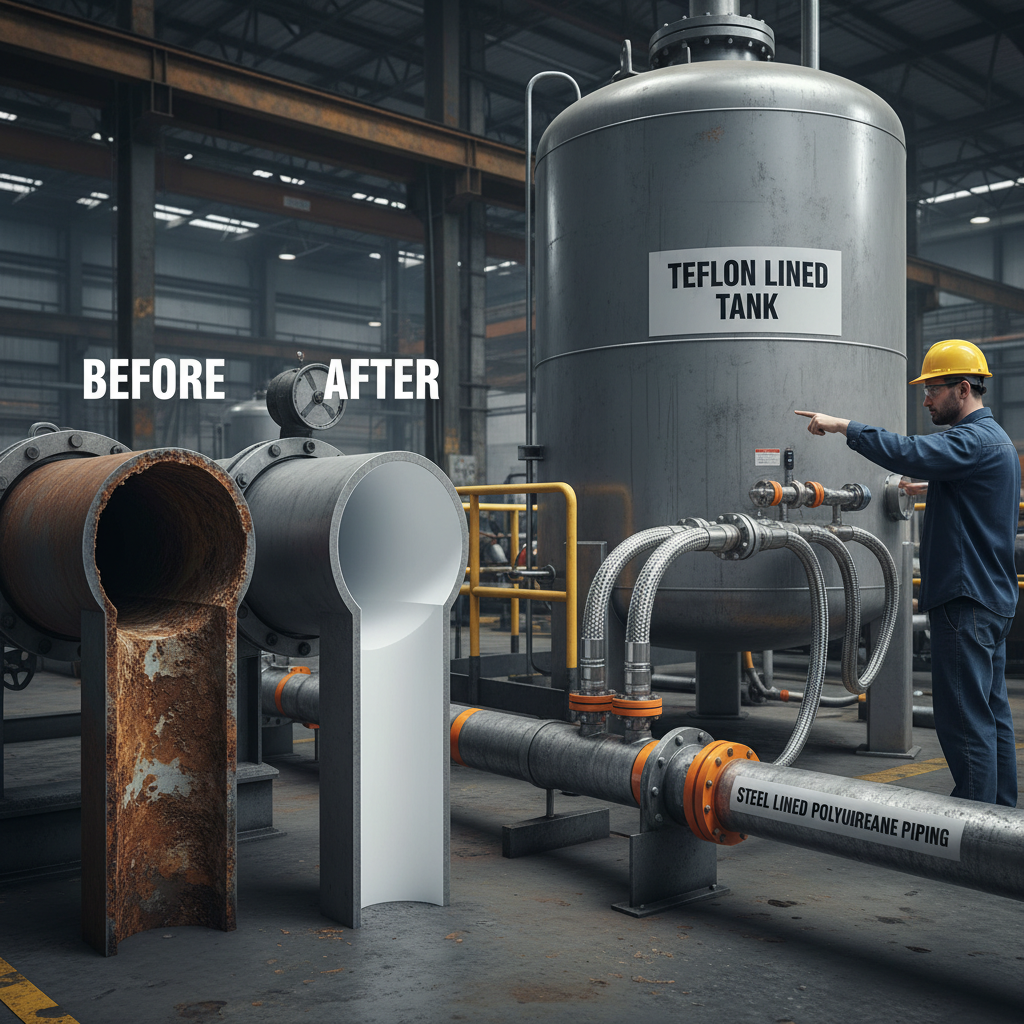
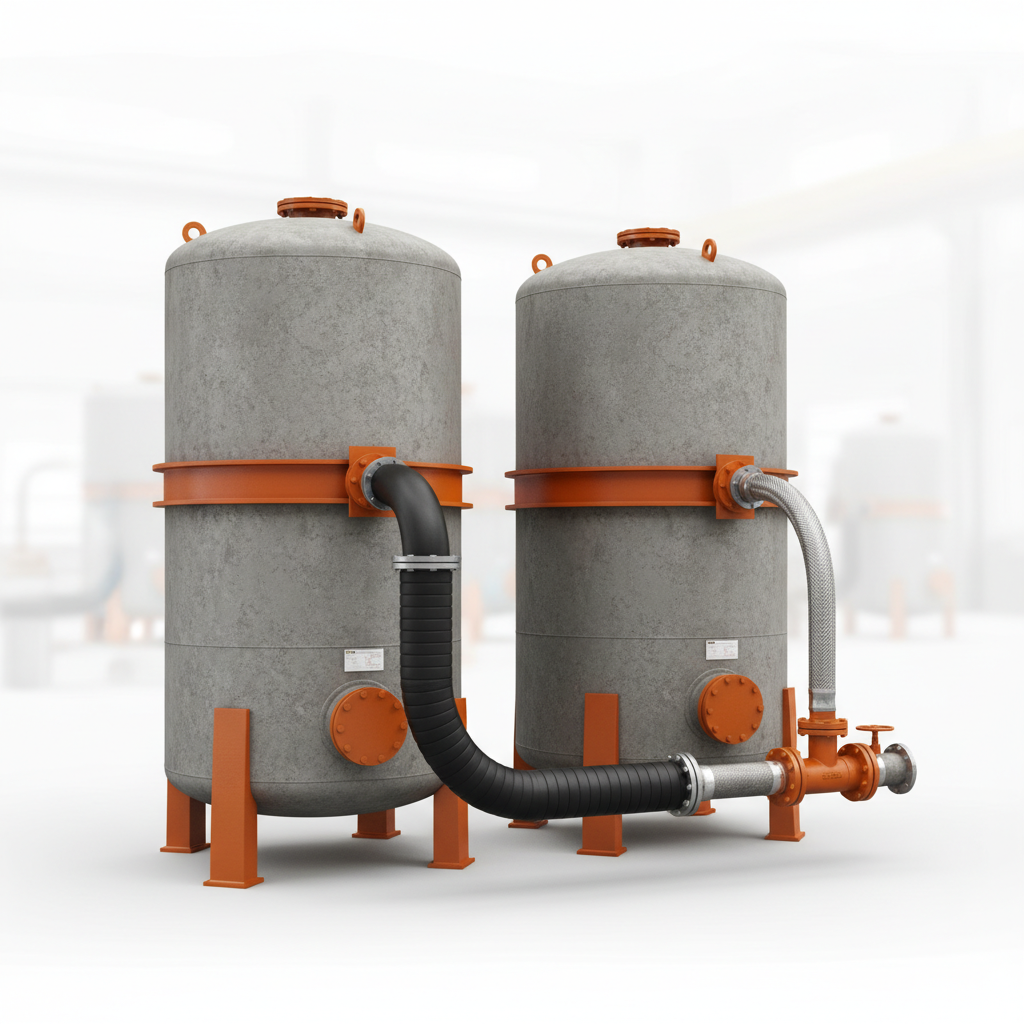
Simply put, a rubber lined tank is a storage vessel typically made from steel or other metals but protected inside and sometimes outside by a thick rubber coating. This rubber layer acts as a shield — resisting abrasion, acids, alkalis, and various solvents. Think of it as the tank’s tough but flexible skin.
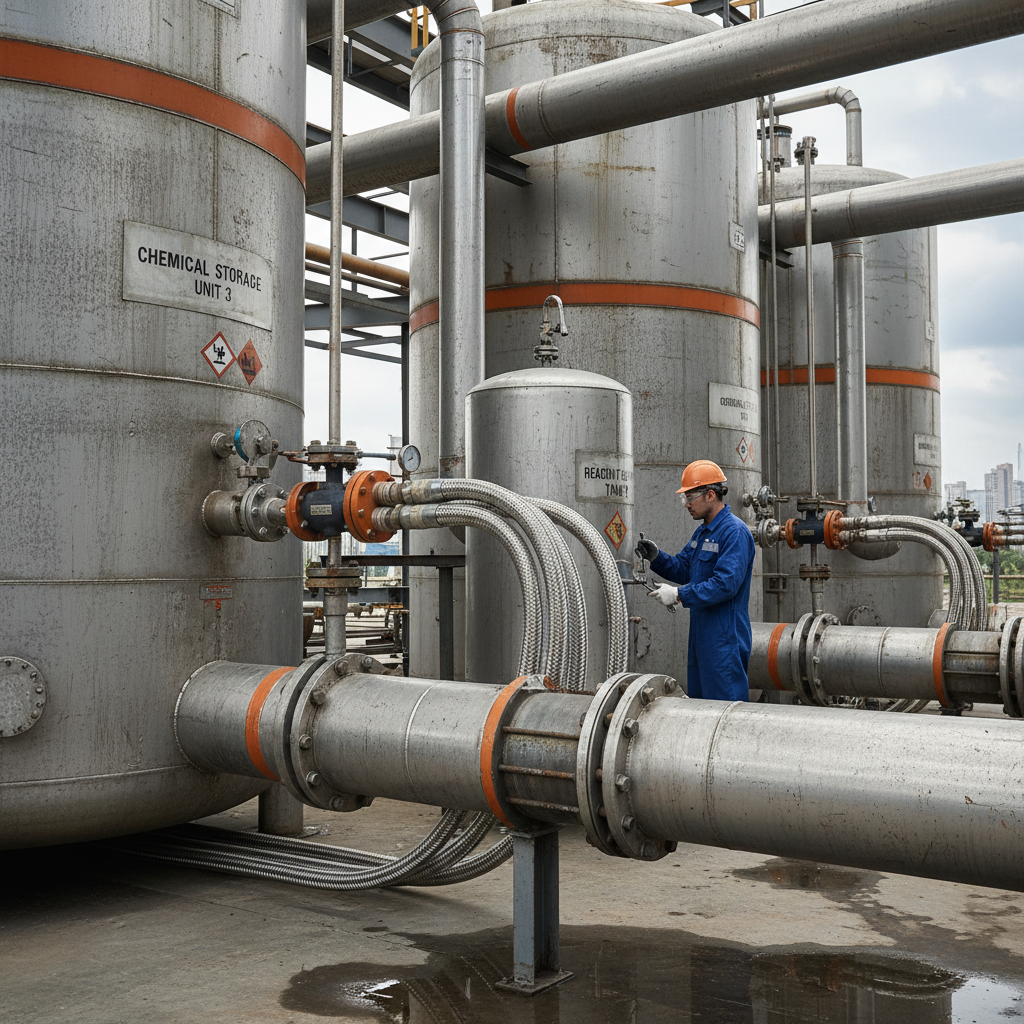
In modern industry, these tanks support chemical processing, mining, pharmaceuticals, and agriculture by safely holding liquids that would otherwise corrode or damage standard metal tanks. Beyond pure industry usage, they can also facilitate humanitarian efforts, like storing potable water or treating wastewater in areas lacking robust infrastructure.
Core Components and Key Factors Behind Rubber Lined Tanks
1. Durability and Corrosion Resistance
The rubber lining significantly extends a tank’s service life by protecting steel walls from aggressive substances. For example, in acid storage, metal without lining often degrades in just a few months, whereas lined tanks can last several years with minimal maintenance.
2. Material Quality and Type of Rubber
Not all rubber is created equal. Natural rubber, EPDM, neoprene, and nitrile rubbers each offer different resistance profiles. Choosing the right one depends on the liquid stored. Engineers often consult chemical compatibility charts to ensure proper selection.
3. Thickness and Application Method
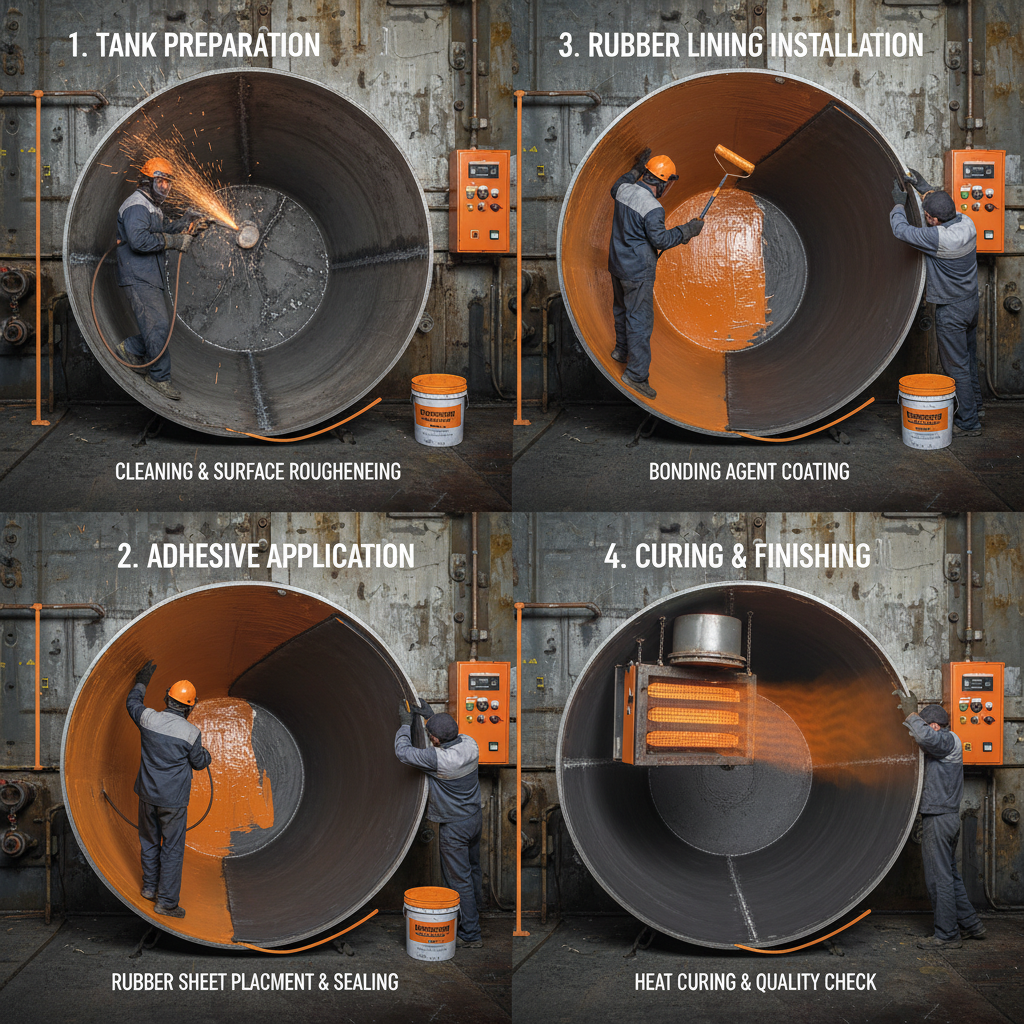
The protective layer typically ranges from 3 to 12 millimeters; thinner coatings offer cost savings but less protection. Linings can be applied via spraying, hand-laying, or extrusion, with quality controls like adhesion tests to prevent premature failure.
4. Size and Scalability
Tanks come in all sizes—from small pilot units to massive vats holding thousands of gallons. Rubber lining adapts fairly well across scales, but bigger tanks require more rigorous quality assurance and often modular construction.
5. Maintenance and Inspection
Routine checking for blistering, cracks, or wear ensures the tank’s long-term reliability. Some industries mandate periodic inspections by certified technicians, sometimes involving non-destructive testing methods.
Mini takeaway:
Knowing these factors helps engineers select and maintain tanks that balance cost and performance, reducing unexpected downtime.
Where Rubber Lined Tanks Make a Real Difference
Applications range widely:
- Chemical Industry: Storing acids, lye, and solvents safely.
- Water Treatment: Handling wastewater with abrasive solids and corrosive additives.
- Mining: Holding slurry and tailings that eat away at unprotected surfaces.
- Food & Beverage: Sometimes used where mild chemical resistance is needed, though with food-safe rubbers.
Geographically, rubber lined tanks find homes in regions with rapid industrial growth and tough climates — Middle East, Southeast Asia, parts of Africa, and South America. An NGO working on water sanitation in rural Africa, for example, might install these tanks to safely store treated water, reducing local health risks considerably.
Advantages: Why Choose Rubber Lined Tanks?
- Cost Efficiency: Extends equipment life, reducing replacement costs and spares inventory.
- Sustainability: Less frequent disposal of corroded tanks means less industrial waste.
- Safety and Environmental Protection: Prevents leaks that would cause chemical spills and contamination.
- Reliability and Peace of Mind: Many engineers say it’s hard to beat the predictability of rubber protection under harsh conditions.
Future Trends: What’s Next for Rubber Lined Storage Solutions?
Innovation isn’t standing still. Hybrid linings that combine rubber with polymer composites are emerging, improving resistance against ultra-aggressive chemicals. Digital sensors embedded under the lining for real-time wear monitoring are a promising trend, reducing the guesswork in inspections.
Moreover, environmental demands push for more recyclable materials and lower VOC (volatile organic compound) emissions during application. I also noticed some manufacturers promoting fully automated spray systems, minimizing human error and boosting consistency.
Challenges and Smart Solutions
Despite their strengths, rubber lined tanks face issues like lining delamination, uneven thickness, and sometimes complex repair logistics. But new testing standards and repair kits can extend their lifespan once the first signs of wear pop up. Plus, expert training for installation crews is critical — even the best rubber won’t perform well if applied carelessly.
Ultimately, it's about knowing your process and having the right partners. And in this space, quality really does matter.
Frequently Asked Questions About Rubber Lined Tanks
- How long does a typical rubber lined tank last under industrial use?
- With proper maintenance, these tanks often last between 8 to 15 years. Factors like chemical type, lining thickness, and operating environment heavily influence longevity.
- Can rubber lining be repaired if damaged?
- Yes, most linings can be patched or re-lined, but it requires specialist skills and materials to ensure uniform adhesion and performance.
- Are there environmental concerns with disposing of rubber lined tanks?
- Disposal must follow local regulations. The rubber lining complicates recycling, but many facilities recover the steel structure separately, reducing landfill waste.
- How do I choose the right type of rubber for my chemical storage?
- Consult chemical compatibility charts and partner with tank vendors who offer samples or testing protocols to confirm suitability before purchase.
Rubber Lined Tank Specifications & Comparison
| Specification | Typical Value | Remarks |
|---|---|---|
| Tank Material | Carbon Steel / Stainless Steel | Depends on stored liquid |
| Rubber Lining Thickness | 3-12 mm | Varies by application |
| Rubber Types | EPDM, Neoprene, Nitrile | Selected by chemical resistance |
| Max Operating Temp | 80-120°C | Depends on rubber type |
| Typical Tank Volume | 1000 - 50,000+ Liters | Customizable |
Vendor Comparison: Top Rubber Lined Tank Providers
| Provider | Lining Options | Typical Lead Time | Customization Level | Warranty |
|---|---|---|---|---|
| QW Metal Industries | EPDM, Neoprene, Nitrile | 4-6 Weeks | High - Custom sizes & specs | 5 years |
| Global Tanks Ltd. | Neoprene, Natural Rubber | 6-8 Weeks | Medium | 3 years |
| EcoLine Containers | EPDM only | 8-10 Weeks | Low - mostly standard designs | 4 years |
Many industries and organizations find that partnering with providers who understand the nuances of rubber lining — and offer customization — is well worth the investment. If you want a reliable, long-lived solution, I’d say start your search with these options.
Conclusion: Rubber Lined Tanks as a Pillar of Industrial Safety and Sustainability
In the grand scheme, rubber lined tanks might seem like a small piece of the vast industrial puzzle, yet their role is crucial. They protect equipment, preserve environments, and enable industries to handle increasingly complex chemical processes without constant interruptions. Given the global push for more sustainable and safer operations, their importance will only grow.
Curious to learn more about these sturdy, versatile tanks? Check out rubber lined tank options and see how the right choice can save time, money, and headaches in your projects.
References
Related Products
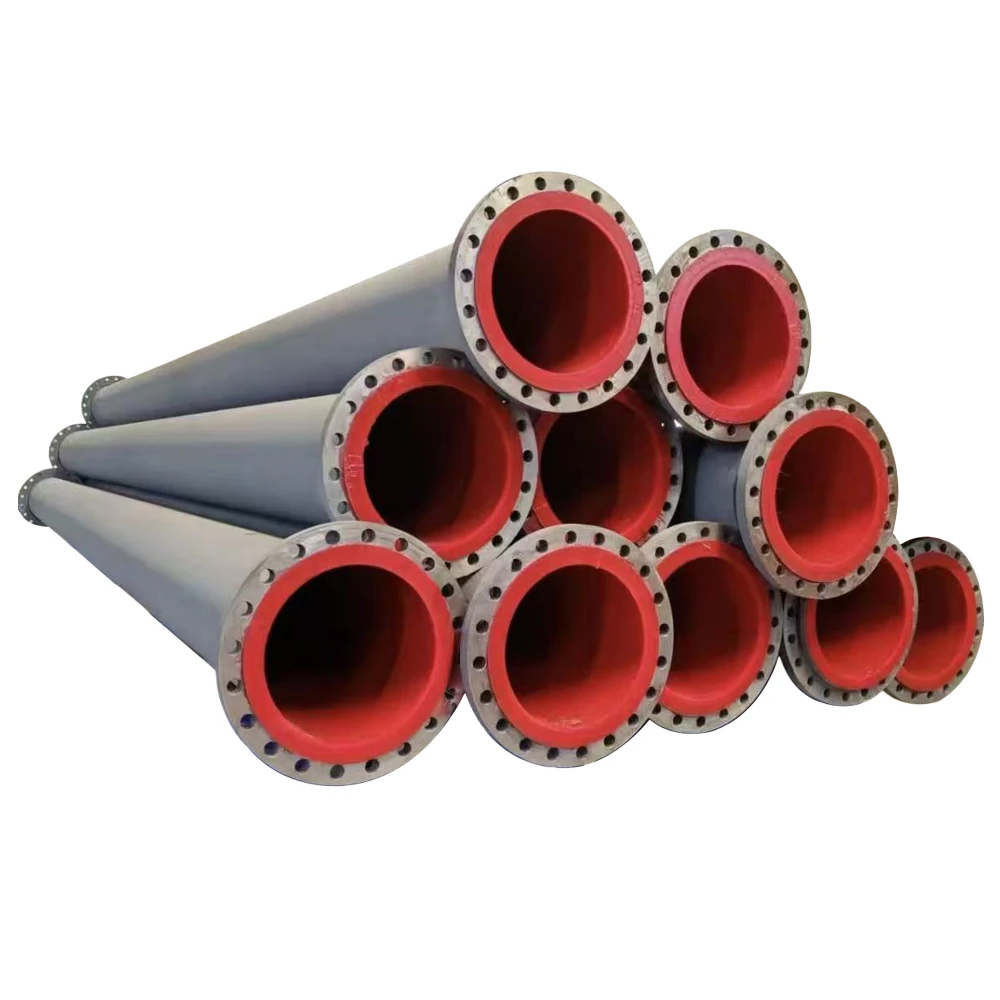
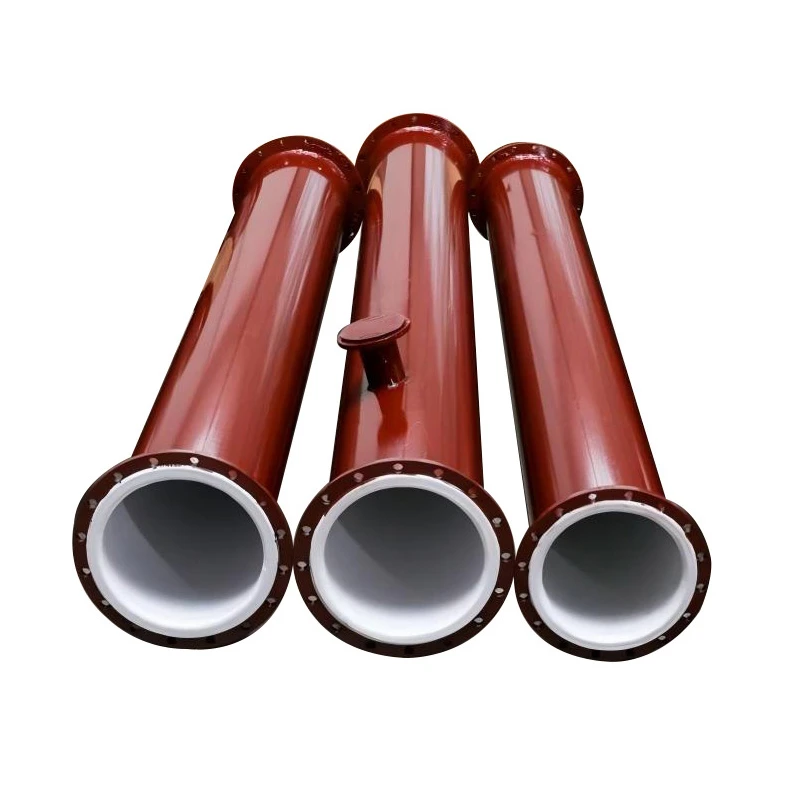
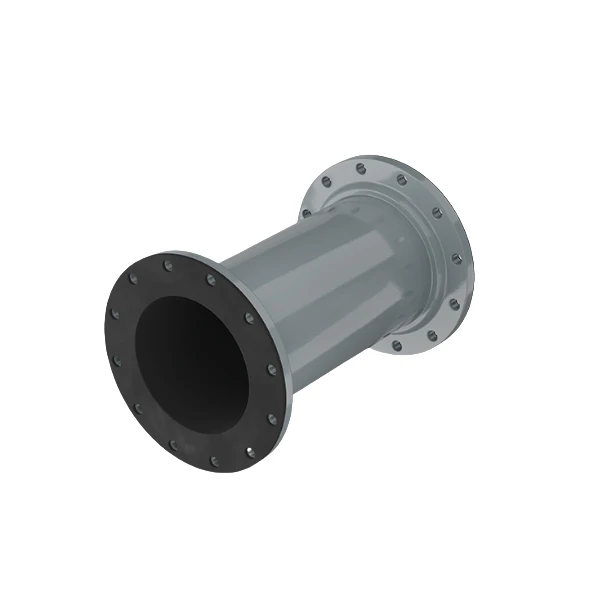
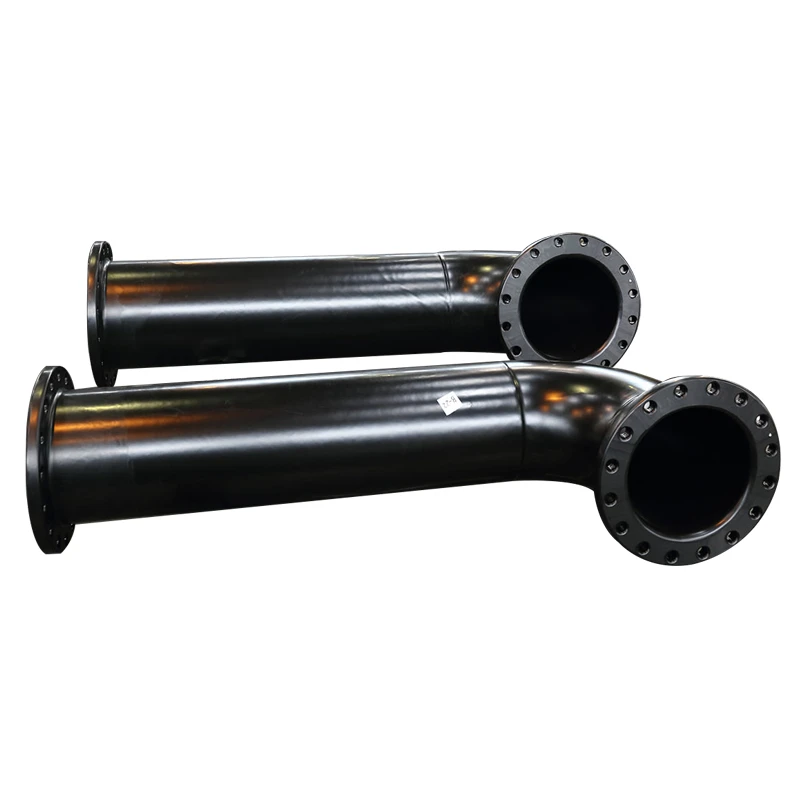
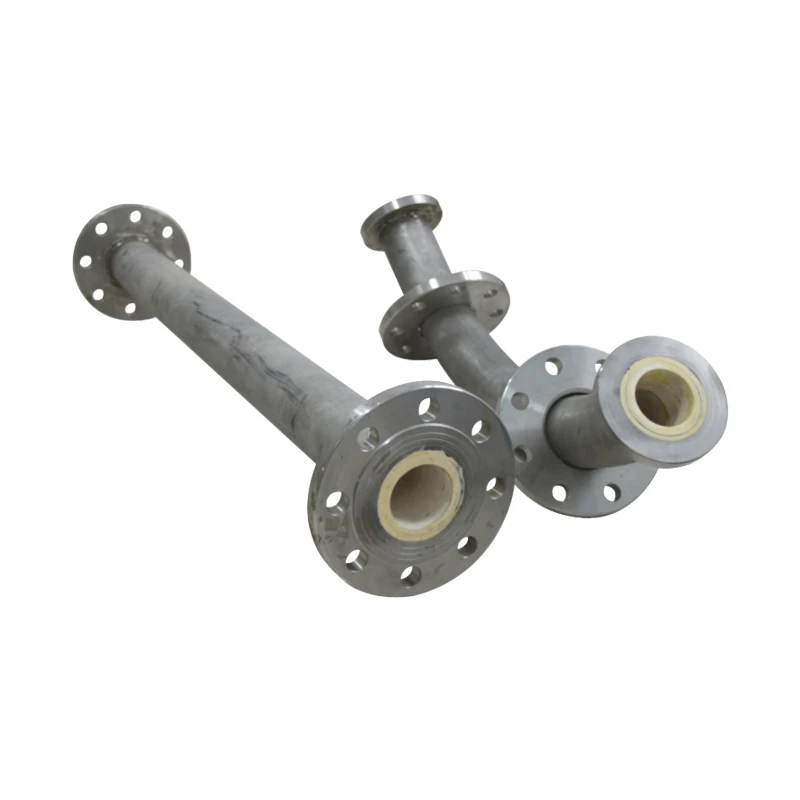
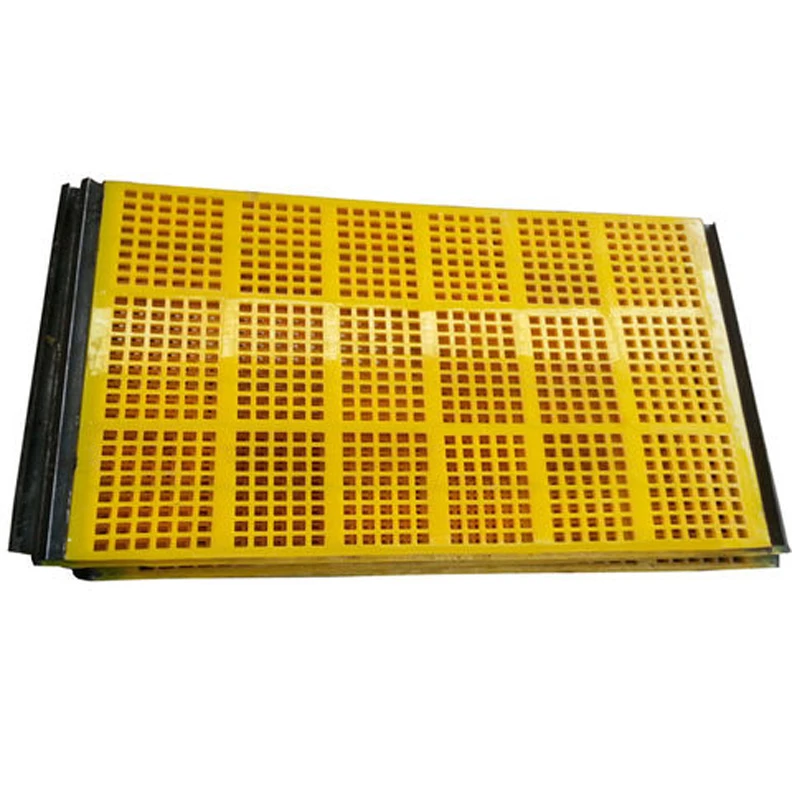
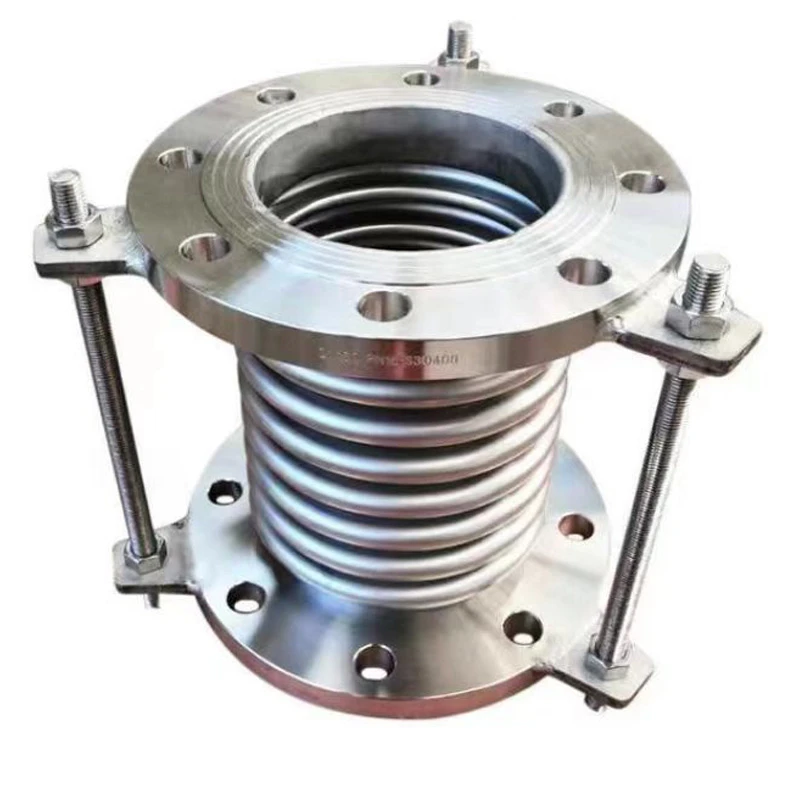
Our main products are polyurethane lined pipes, mining equipment fittings and metal hoses.