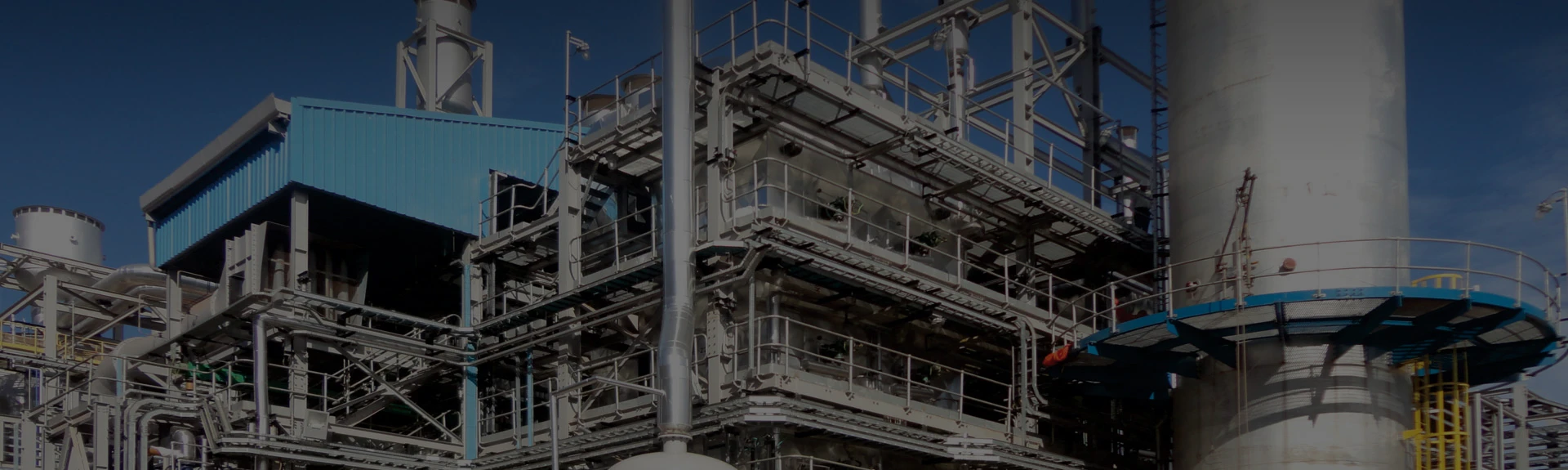
Chemical Tank Suppliers: Safety, Innovation, and Global Industrial Sustainability
Understanding Chemical Tank Suppliers: A Vital Link in Global Industry
Chemical tank suppliers might not make headlines every day, but they play a crucial role in multiple industries worldwide. From manufacturing plants in Europe to remote mining sites in Australia, reliable storage for chemicals is fundamental to safety, efficiency, and sustainability. Frankly, without these suppliers, the global handling and transportation of chemicals would be a logistical nightmare—this isn’t just about big factories, it’s about everyday safety and environmental protection on really large scales. Understanding who chemical tank suppliers are and what they do, therefore, matters—not only for business but for global progress toward safer industrial practices.
Introduction: The Global Landscape for Chemical Tank Suppliers
Manufacturers produce an estimated 400 million tons of chemicals globally each year (source: ISO). Safe containment and transport require storage solutions that meet demanding regulations and environmental standards. Growing awareness about environmental responsibility, coupled with rapid industrialization in emerging markets, increasingly pressures chemical tank suppliers to innovate. Meanwhile, incidents like chemical spills or tank failures remain prominent risks, demanding robust technologies from these suppliers. Thus, chemical tank suppliers are at the crossroads of economic growth and environmental safety.
Yet, many organizations still face challenges sourcing tanks that balance cost, durability, and compliance—a gap these suppliers aim to bridge.
What Are Chemical Tank Suppliers?
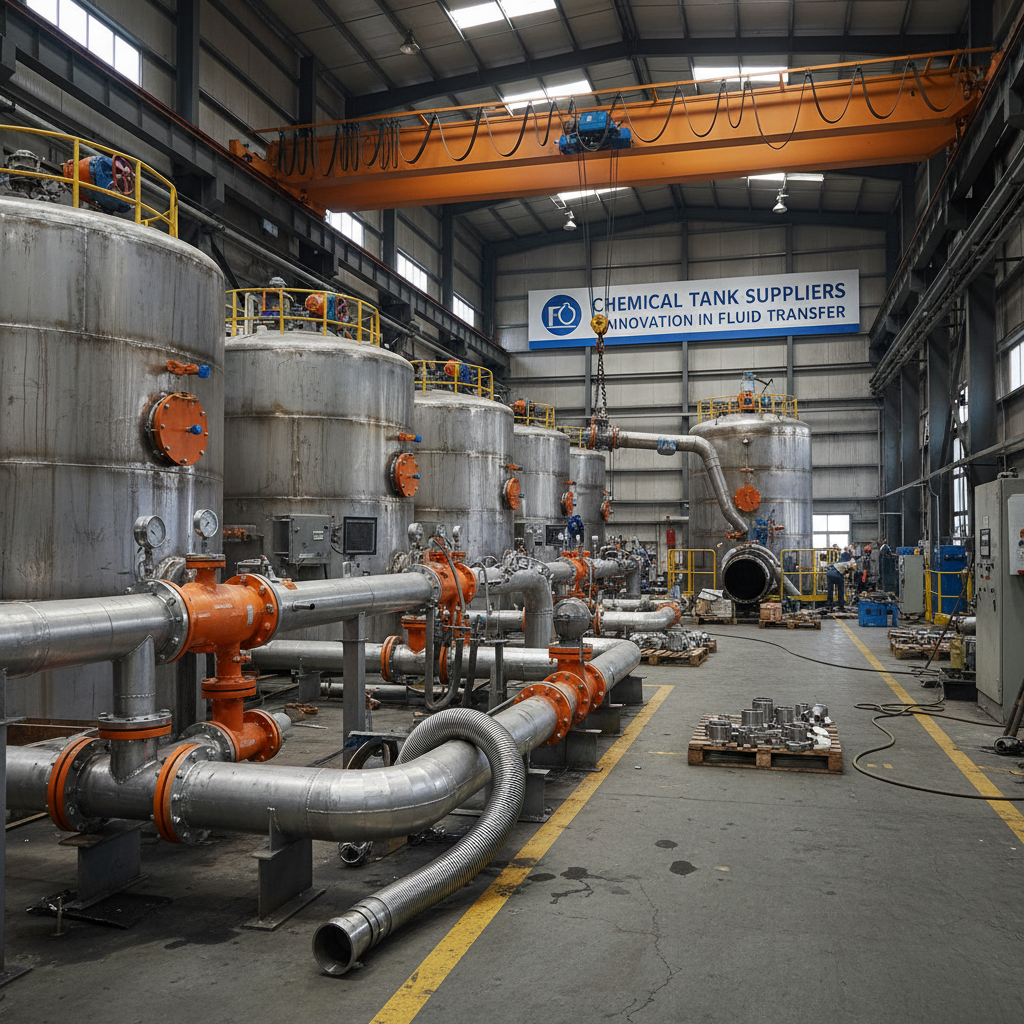
At its simplest, chemical tank suppliers are companies or manufacturers specializing in the design, fabrication, and delivery of storage tanks meant to safely store and transport chemicals. This can include everything from massive steel containers for industrial sites to modular tanks designed for quick deployment in humanitarian efforts. Their products must comply with strict codes and handle a wide variety of substances—corrosive acids, flammable solvents, or even food-grade liquids.
In essence, they’re the unsung heroes who make sure hazardous chemicals stay put—so they don’t cause harm to people, the environment, or infrastructure.
Core Components and Key Factors in Choosing Chemical Tank Suppliers
1. Durability and Material Quality
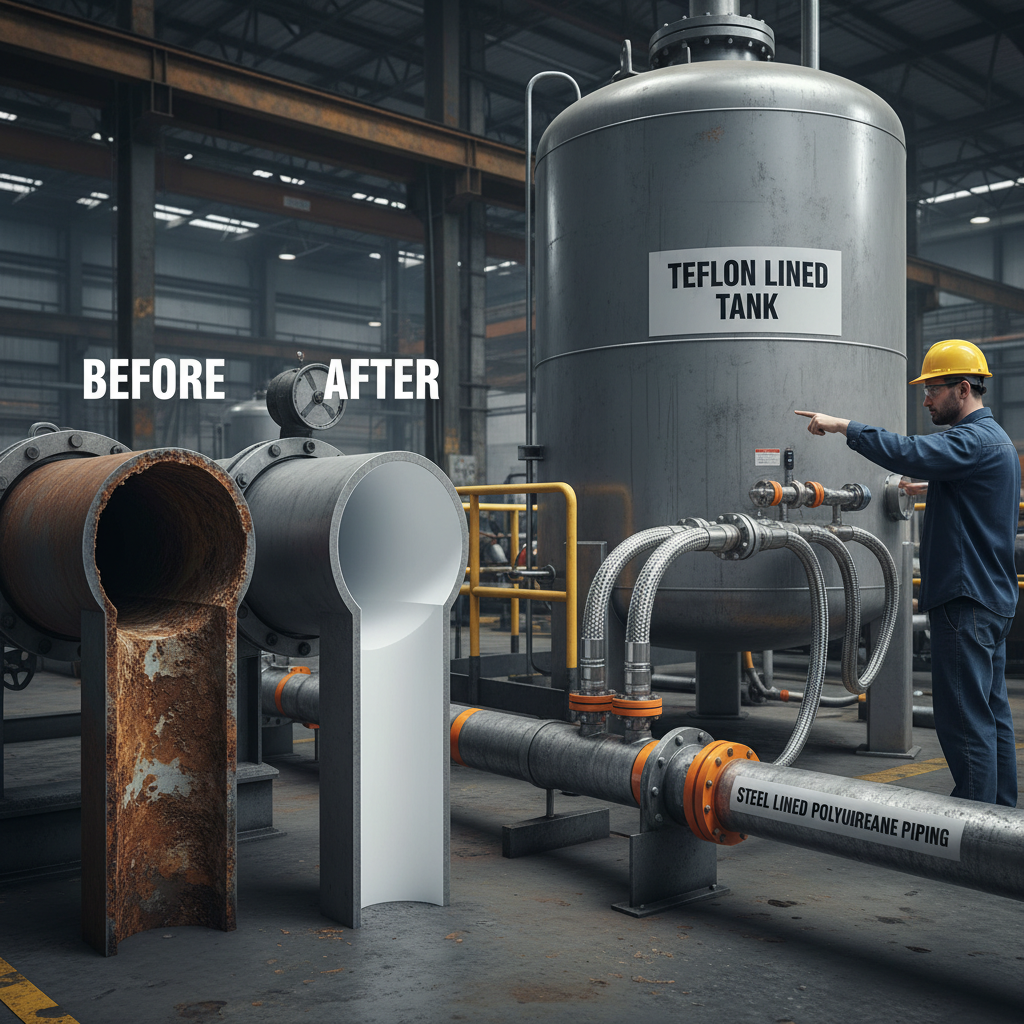
Tanks face constant exposure to harsh chemicals, UV radiation, and physical stresses—so suppliers prioritize corrosion-resistant materials like stainless steel, fiberglass-reinforced plastics, or specially coated carbon steel. This durability extends life cycle and keeps risks low.
2. Compliance and Safety Certifications
Compliance with international standards (like API 650, ISO 9001) is a must. Many suppliers also provide custom solutions that meet specific local regulations to reduce liability and improve safety on site.
3. Scalability and Customization
Different industries demand different sizes and configurations. Good suppliers offer scalable tank designs, modular units, and flexible installation options—often tailoring tanks for exact chemical properties.
4. Cost Efficiency
Cost is always a consideration, but you don’t want to sacrifice quality. Leading suppliers balance upfront investment with long-term maintenance costs—often resulting in total cost-of-ownership savings.
5. Environmental Impact
Increasingly, suppliers incorporate sustainable materials and eco-friendly coatings while optimizing tanks for leak prevention and easy recycling.
Product Specification: Typical Chemical Tank Models
| Model | Material | Capacity | Recommended Chemicals | Compliance |
|---|---|---|---|---|
| CT-500 | Fiberglass Reinforced Plastic | 5000 liters | Acids, alkalis | ISO 9001, API 12F |
| ST-1000 | Stainless Steel 316 | 10,000 liters | Solvents, fuels | ASME, ISO 14001 |
| CT-MOD | Coated Carbon Steel | Modular sizes up to 20,000 liters | Various chemicals | API 650, CE Mark |
Global Applications and Use Cases
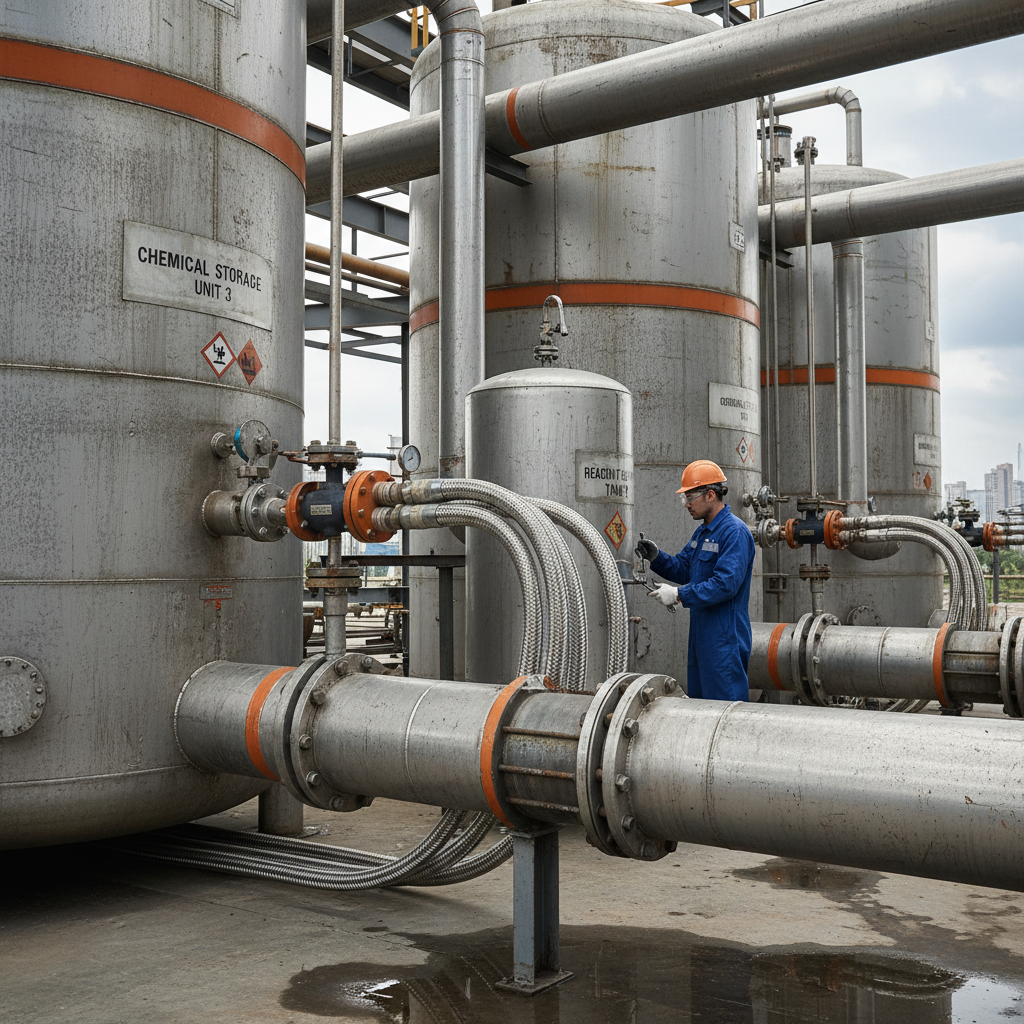
The reach of chemical tank suppliers stretches across continents and industries. In post-disaster relief operations in Southeast Asia, mobile chemical tanks enable safe storage of disinfectants and fuel—a crucial lifeline for affected communities. Australian mining companies rely heavily on large-capacity stainless steel tanks to store reagents onsite, ensuring operational continuity in remote deserts.
In Europe, stringent environmental regulations have fueled the demand for double-walled tanks and smart-monitoring systems supplied by industry leaders. Even humanitarian organizations use modular chemical tanks for sanitation chemicals, improving both health and dignity in refugee camps.
Vendor Comparison: Leading Chemical Tank Suppliers
| Supplier | Material Expertise | Customization | Global Reach | Sustainability Initiatives |
|---|---|---|---|---|
| QW Metal Solutions | Steel & Fiberglass | High - modular and tailored | Asia, Europe, Americas | Eco-friendly coatings, recycling programs |
| GlobalTank Co. | Composite materials | Medium - standard sizes | Europe, North America | Solar power installations |
| SafeStor Tanks | Carbon steel with coatings | Low - off-the-shelf only | Regional (Asia-Pacific) | Limited |
Advantages and Long-Term Benefits of Partnering with Chemical Tank Suppliers
- Safety and Compliance: Reduced risk of spills and accidents protects workers and communities.
- Cost Savings: Durable tanks reduce repair and replacement expenses over time.
- Environmental Stewardship: Modern tanks minimize leaks and waste, supporting sustainability goals.
- Adaptability: Custom solutions fit unique operational needs, no matter where you are in the world.
- Innovation: Digital monitoring and IoT-enabled tanks allow real-time oversight, increasing reliability.
It’s worth noting that partnering with a dependable chemical tank supplier feels less like a vendor relationship and more like a safeguard for your entire operation—there’s an intangible peace of mind that comes with quality.
Future Trends & Innovations in Chemical Tank Supply
Looking ahead, the industry is embracing greener technologies: lightweight composite materials that reduce carbon footprints, and smart sensors that predict maintenance needs before failures happen. Automation in tank fabrication means faster lead times and more precise customization. On the policy front, tighter regulations worldwide push suppliers to develop environmentally friendlier coatings and tanks compatible with bio-based chemicals. Oddly enough, this convergence of tech and sustainability might be the biggest driver yet for innovation in chemical storage.
Challenges and Expert Solutions
Despite progress, challenges remain. Corrosion remains a persistent enemy, especially in marine or highly acidic environments. Transportation logistics can be awkward given the bulk and hazardous nature of chemical tanks. And local regulatory variations mean suppliers must be nimble in compliance. To tackle these, some suppliers now apply advanced nano-coatings or integrate modular tank designs to simplify assembly onsite. Others leverage data analytics to improve delivery routes and scheduling.
FAQ: Common Questions About Chemical Tank Suppliers
- What materials are best for chemical tanks storing corrosive liquids?
- Stainless steel (like 316 grade) and fiberglass reinforced plastics are commonly preferred for corrosive chemicals due to their resistance to chemical degradation and long-term durability.
- How can chemical tanks be customized for varying chemical types?
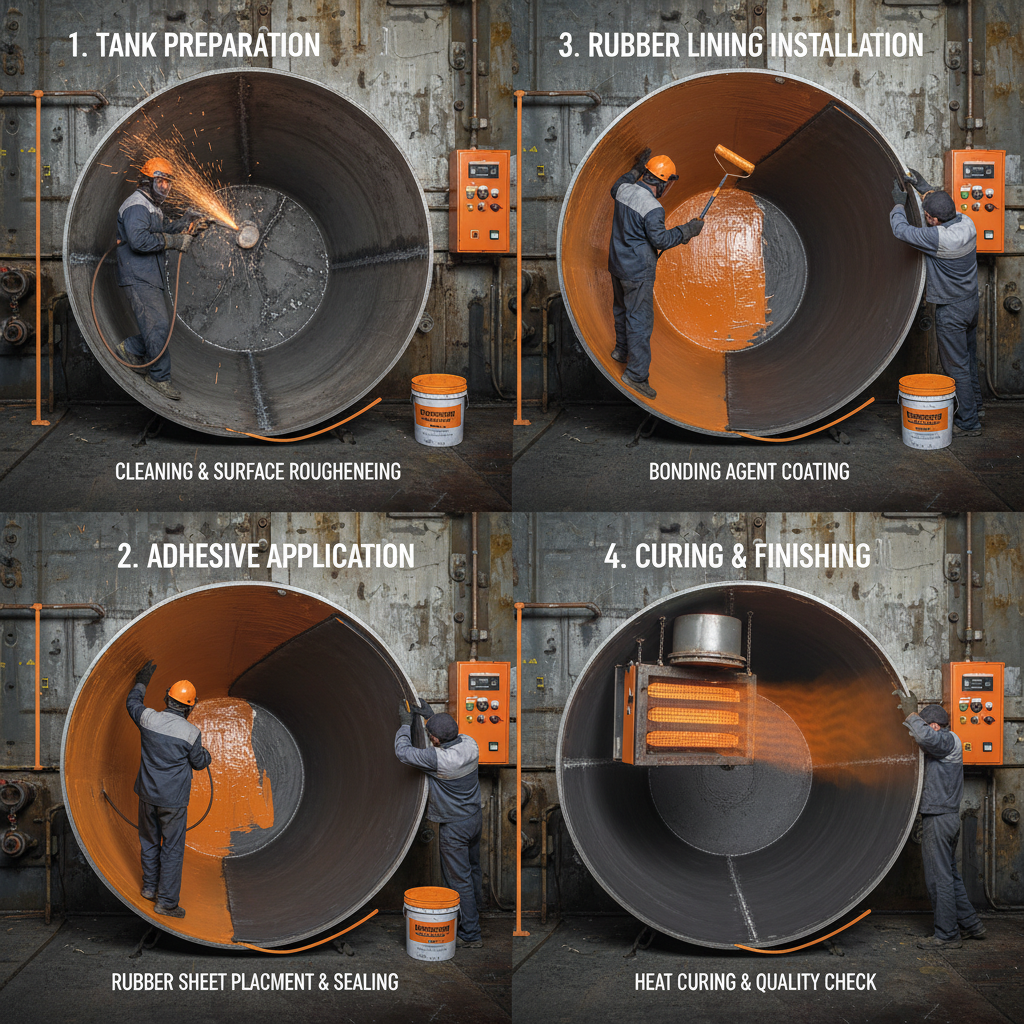
- Suppliers offer modular designs with options for lining materials, wall thickness, and fittings tailored to specific chemical properties, ensuring compatibility and safety.
- Are there eco-friendly options for chemical storage tanks?
- Yes, modern tanks use recyclable materials, eco-friendly coatings, and are designed to minimize leaks—supporting sustainability without compromising safety.
- How do I ensure the chemical tanks comply with local regulations?
- Reputable suppliers provide certifications and customizations complying with regional laws like API, ISO standards, or local environmental requirements, ensuring legal and safe use.
- Can tanks be shipped internationally for remote operations?
- Absolutely. Many suppliers specialize in shipping modular or flat-pack tanks optimized for international transport and fast onsite assembly, perfect for remote or emergency deployments.
Conclusion
All in all, choosing the right chemical tank suppliers isn’t just about ticking boxes—it’s a strategic decision impacting safety, environmental legacy, and operational success. With rising regulatory pressures and technological advances, these suppliers are more important than ever. Curious for more details or ready to source tanks that fit your project? Visit our website: chemical tank suppliers to explore tailored solutions for your needs.
Mini takeaway: Reliable chemical tank suppliers are silent guardians of industrial safety and sustainability worldwide.
References:
1. ISO Technical Committees
2. American Petroleum Institute (API)
3. Wikipedia: Chemical Storage

Related Products
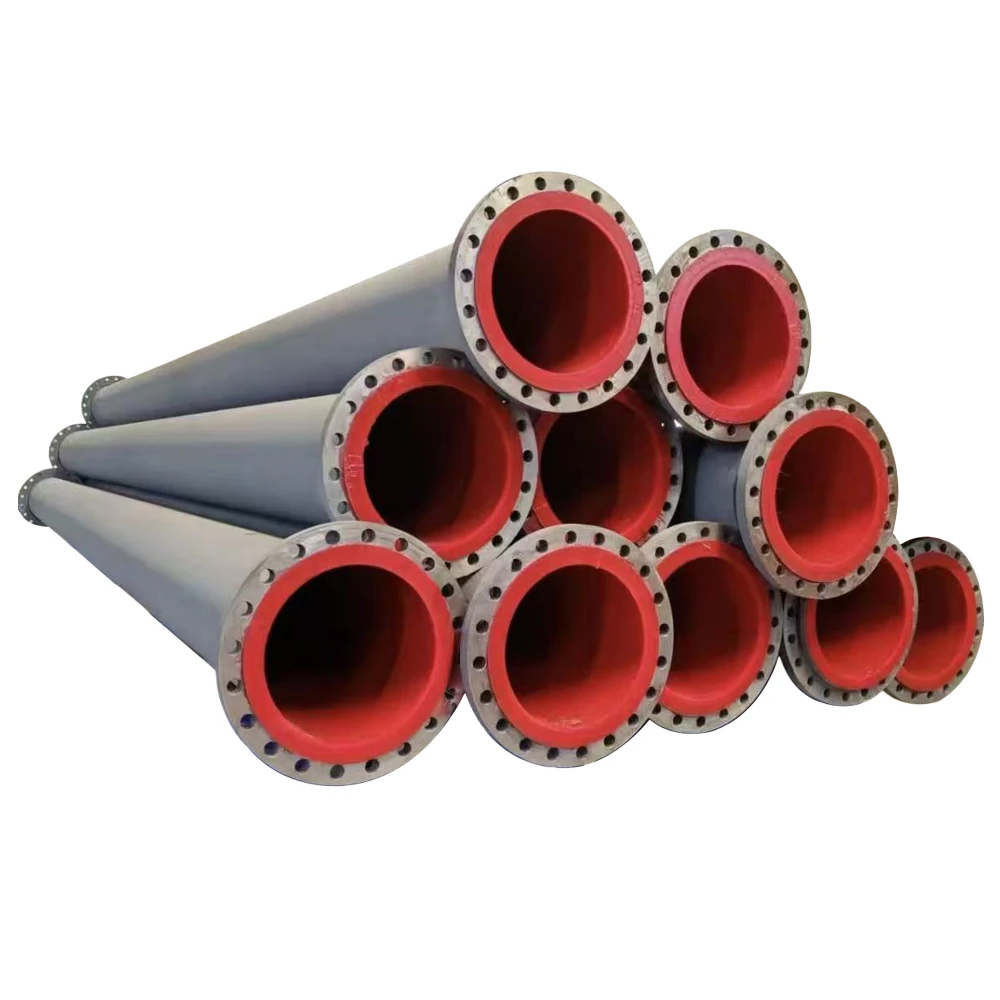
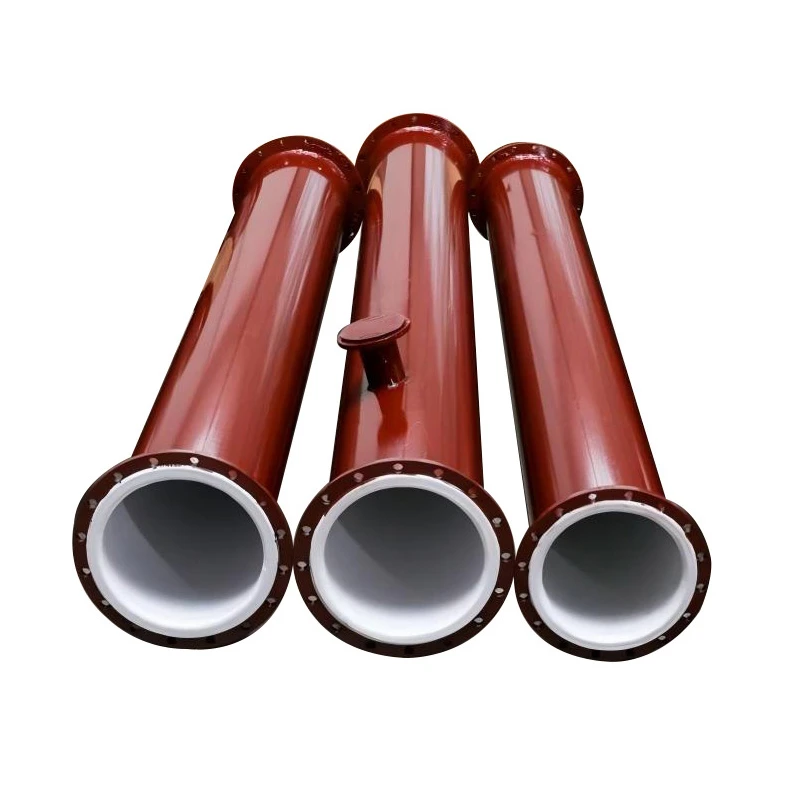
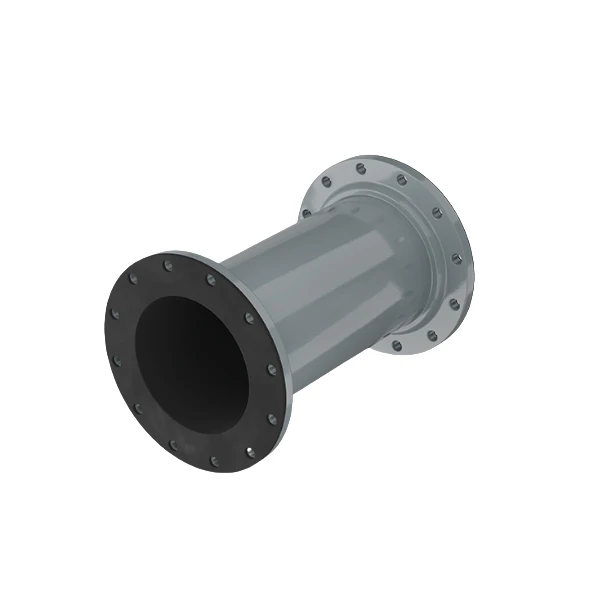
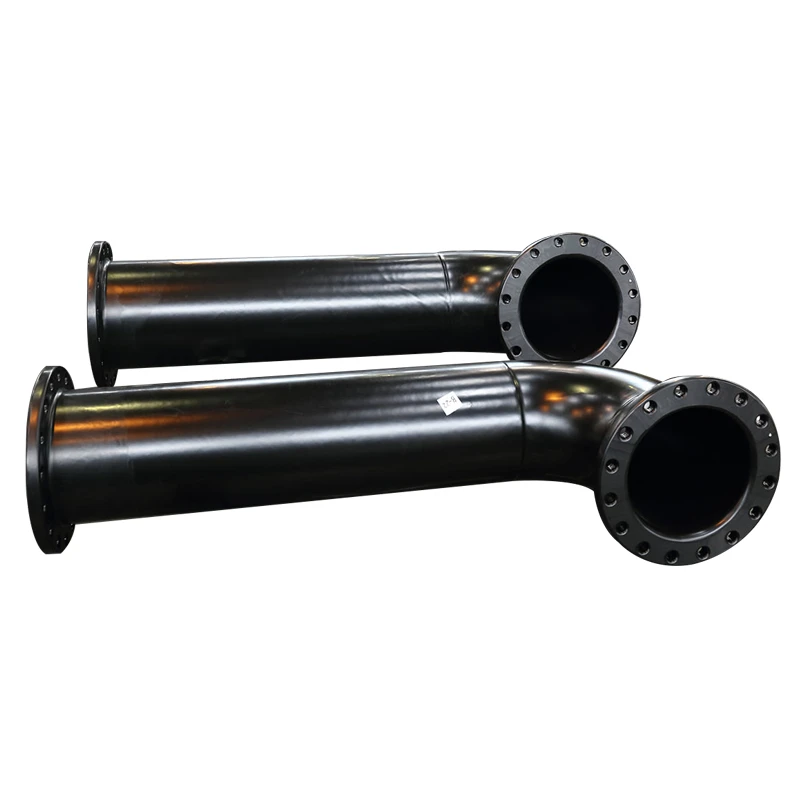
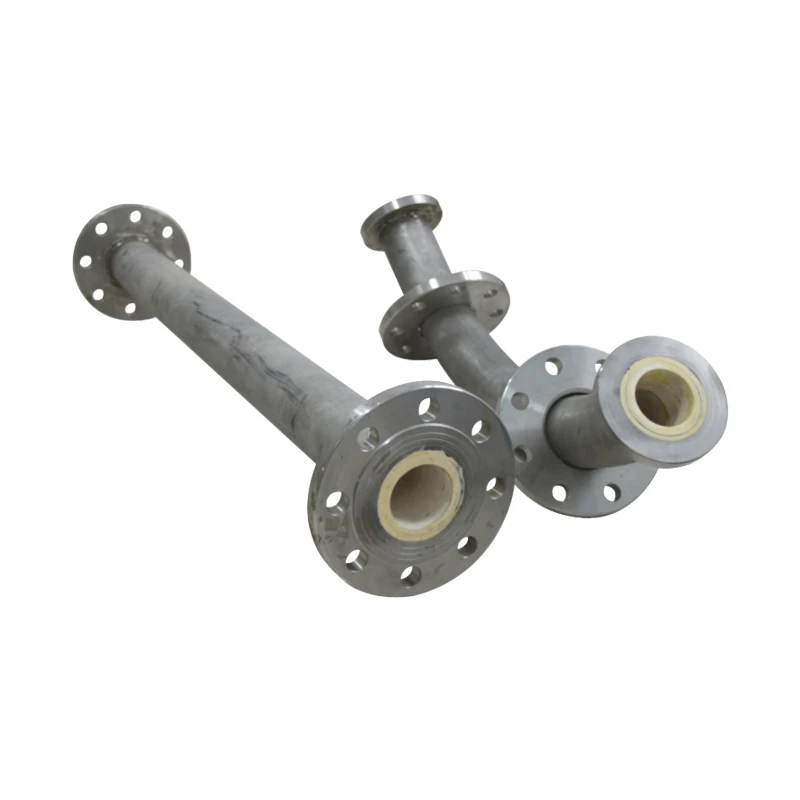
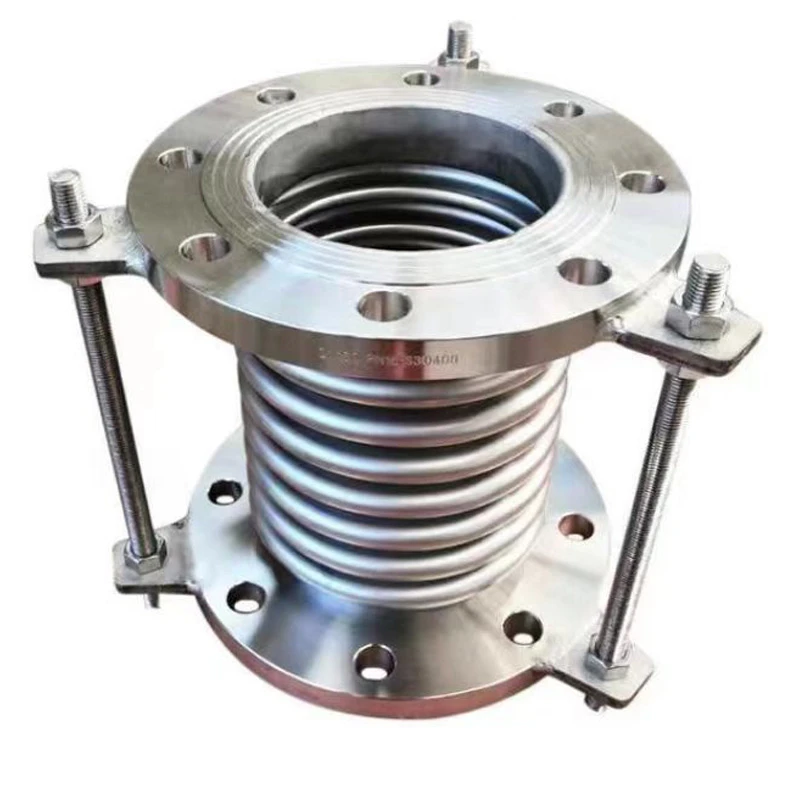
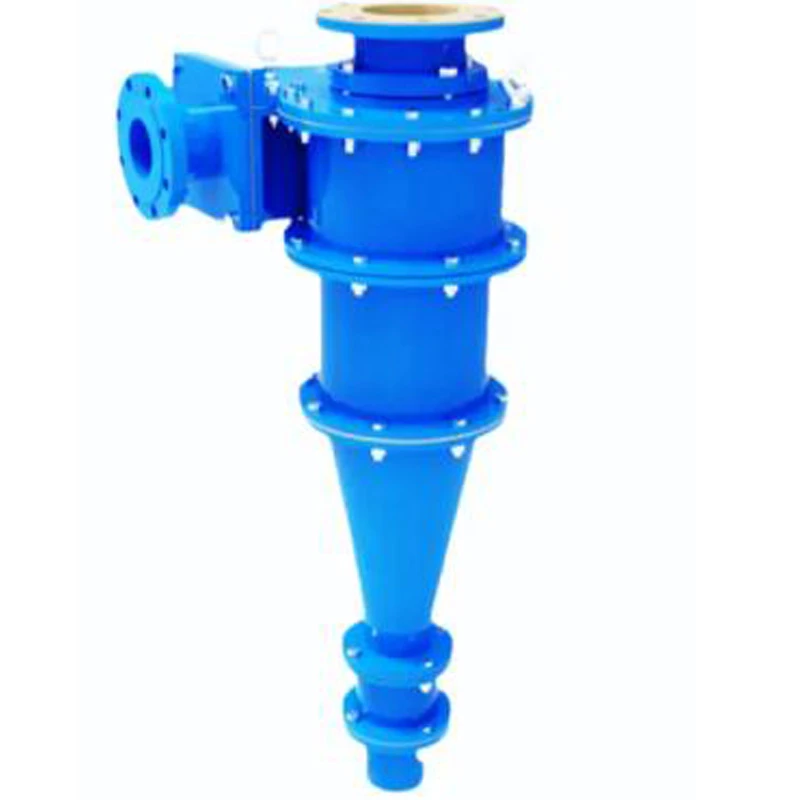
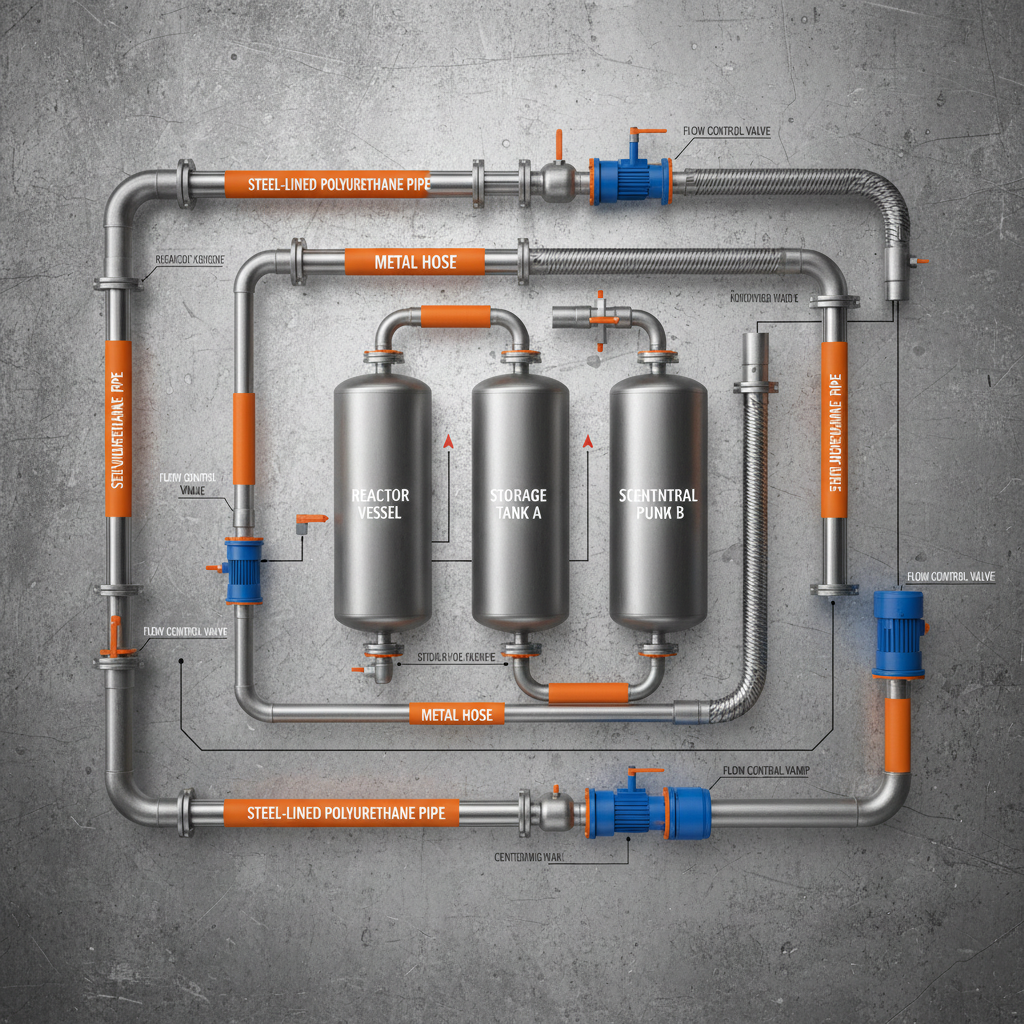
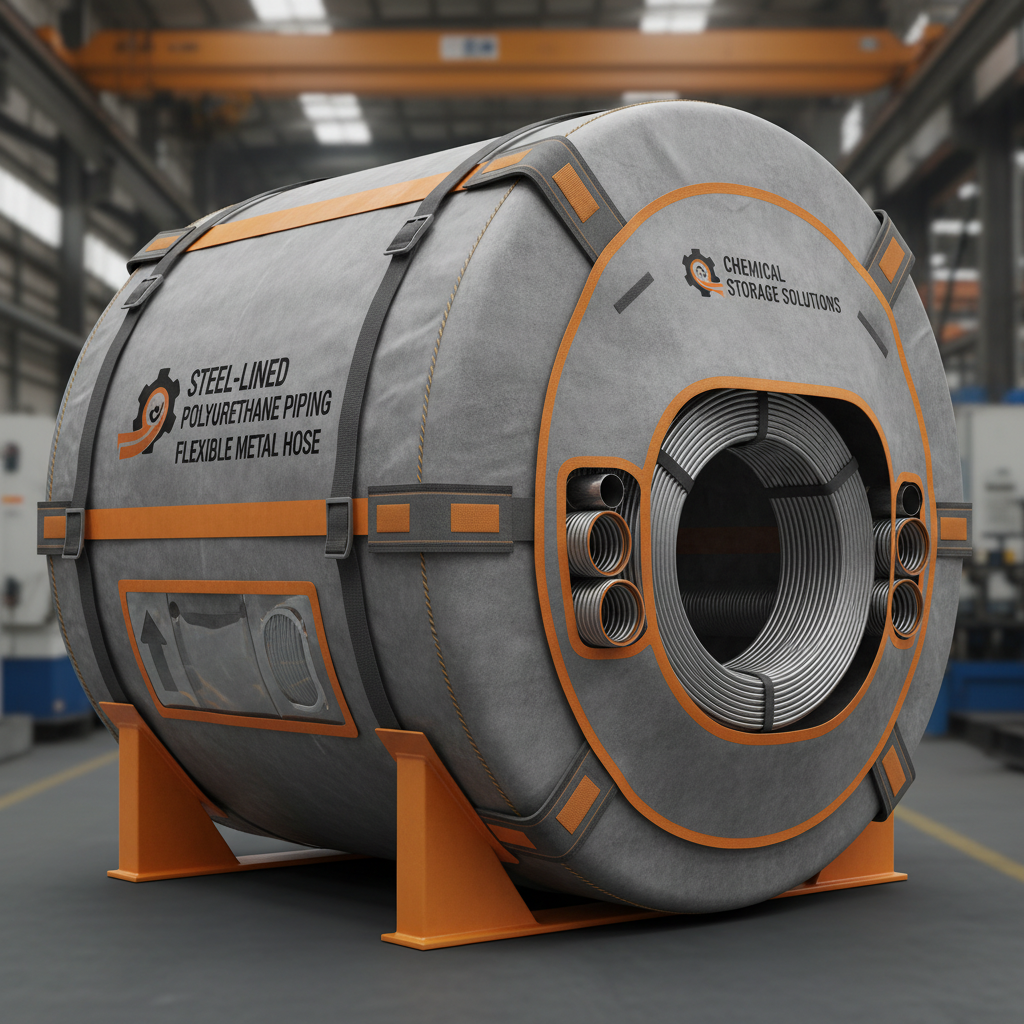
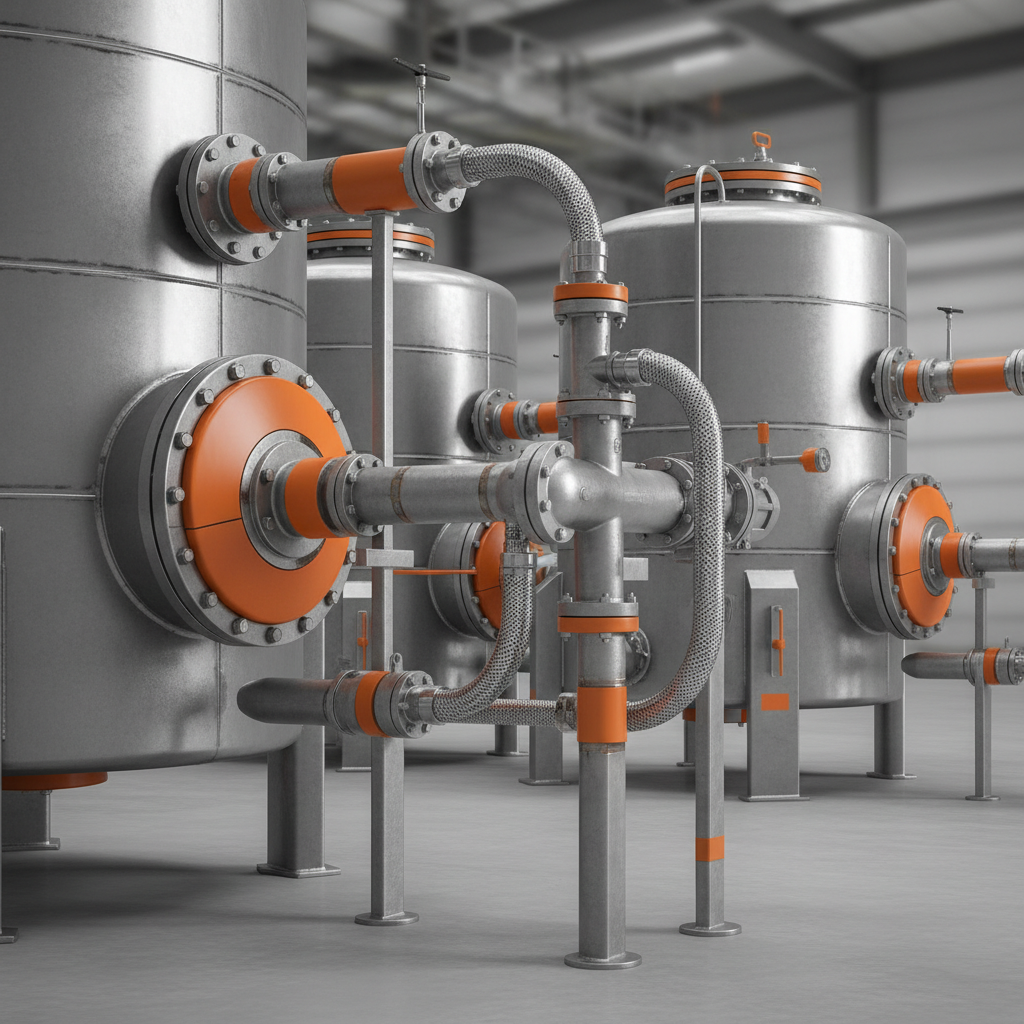
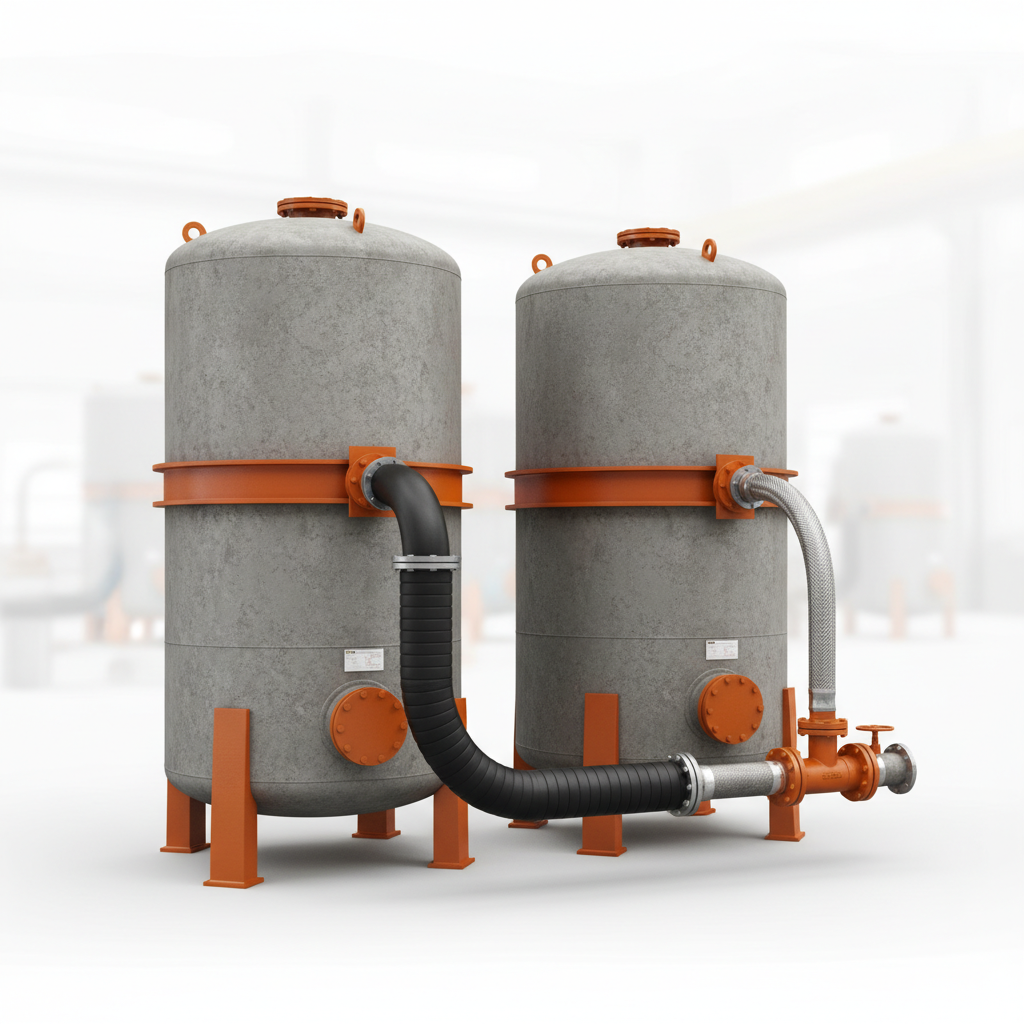
Our main products are polyurethane lined pipes, mining equipment fittings and metal hoses.