The Essential Guide to Rubber Lined Tanks for Chemical & Industrial Storage
Understanding Rubber Lined Tanks: A Vital Solution for Durable Fluid Storage
If you’ve ever dealt with aggressive chemicals, corrosive fluids, or harsh industrial liquids, you know how challenging storing them can be. Enter the rubber lined tank — an unsung hero in industrial storage solutions worldwide. These tanks combine the structural strength of metal with the corrosion resistance of rubber lining, offering a proactive approach to storage that guards against leaks, contamination, and premature wear.
Why does this matter globally? With industrial processes increasing worldwide and the imperative to safely store various chemicals and liquids, rubber lined tanks answer a critical need. Proper storage helps prevent environmental disasters, ensures worker safety, and prolongs equipment lifecycle — all vital for both economic and ecological sustainability.
Global Context: Why Rubber Lined Tanks Matter
According to ISO standards and environmental safety reports, the chemical storage industry faces escalating risks as global manufacturing intensifies. The United Nations Environment Programme underscores that improper storage of hazardous substances leads to nearly 75% of chemical accidents worldwide. Rubber lined tanks provide a tested way to mitigate these risks.
Industries from mining to pharmaceuticals rely on these tanks, especially in regions where heavy rainfall or humidity can accelerate corrosion. Oddly enough, many remote industrial zones struggle with tank failures before switching to rubber lining solutions, which has serious operational and safety costs.
What Is a Rubber Lined Tank?
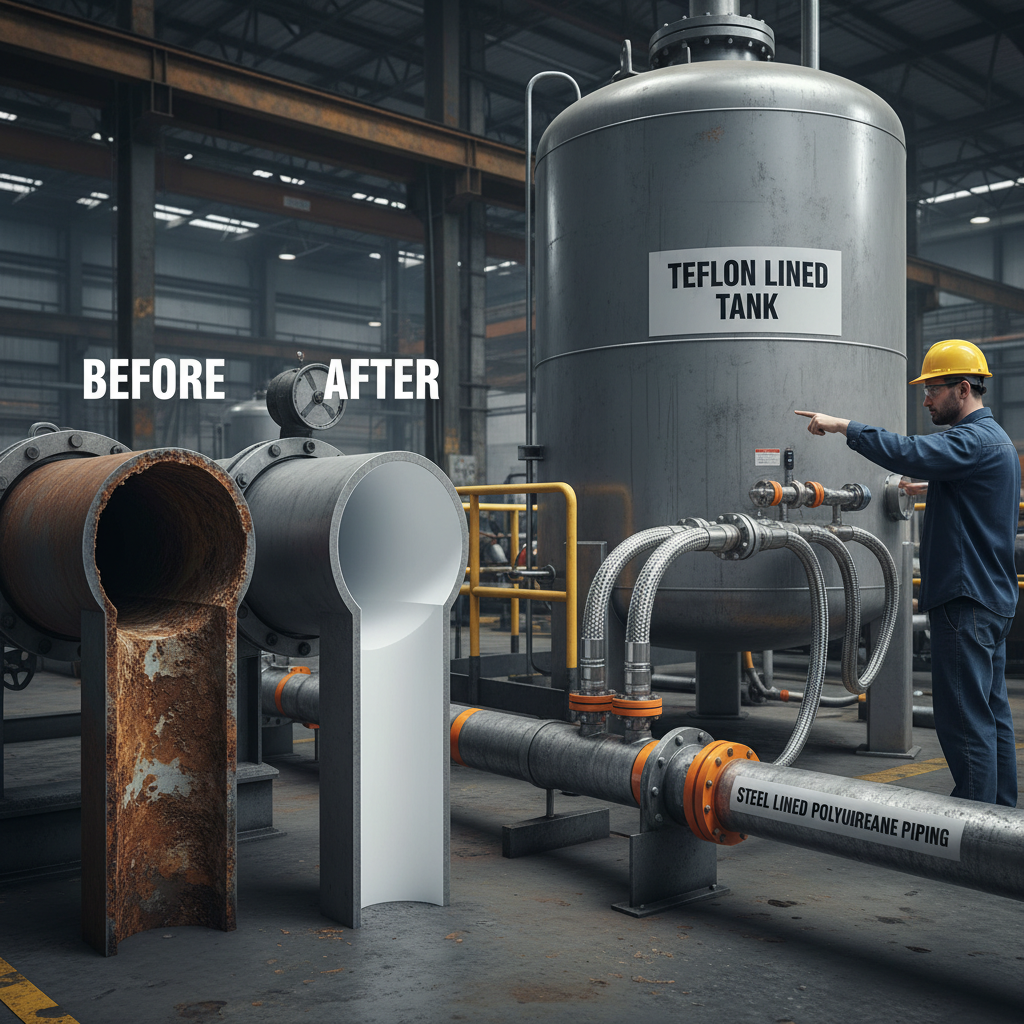
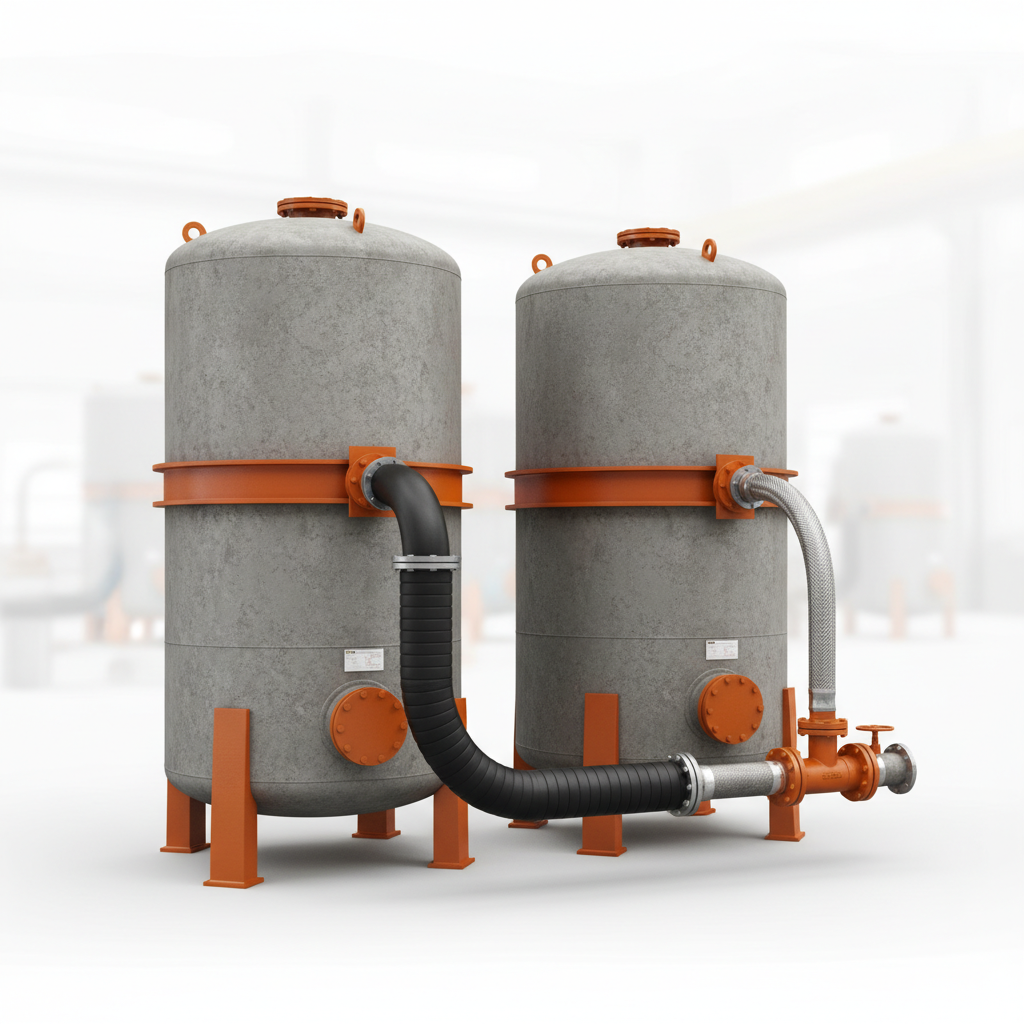
In simple terms, a rubber lined tank is a metal tank — often carbon steel — internally coated with a layer or layers of rubber. This rubber lining acts as a barrier between the stored liquid and the metal, preventing corrosion, abrasion, and chemical attack.
Think of it as a suit of armor for your tank. It’s especially relevant in industries that handle acids, alkalis, salts, or solvents, making these tanks essential vessels within chemical, waste management, and even food and beverage sectors.
Key Factors in Rubber Lined Tanks
1. Durability
The rubber lining significantly extends the life of the metal tank. While untreated steel can corrode in months, rubber lined tanks often last decades if properly maintained. The lining absorbs shocks and resists scratches, which can be critical in harsh industrial environments.
2. Chemical Resistance
Rubber types vary according to chemical compatibility. For example, natural rubber suits abrasive slurries, while neoprene or nitrile linings excel against oils and solvents. This tailored chemical resistance keeps the tank’s integrity even when storing highly aggressive substances.
3. Scalability & Sizes
From small laboratory vessels to massive industrial tanks of several thousand gallons, rubber lined tanks come in multiple sizes. Fabrication methods adapt to volume needs without losing the protective qualities of the lining.
4. Cost Efficiency
While initial costs may exceed plain steel tanks, the reduced maintenance, downtime, and replacement frequency make rubber lined tanks cost-effective over the long term.
5. Maintenance & Inspection
Routine checks ensure the lining remains intact. Advances in non-destructive testing techniques such as ultrasonic thickness measurements have made it easier to monitor the tank's health without disruption.
| Specification | Description |
|---|---|
| Tank Material | Carbon steel / Stainless steel |
| Rubber Types | Natural Rubber, Neoprene, Nitrile, EPDM |
| Standard Sizes | From 500 liters to 50,000 liters |
| Typical Lining Thickness | 3-10 mm (depending on application) |
| Operating Temperature Range | -40°C to +130°C |
Global Applications & Use Cases
Rubber lined tanks find homes worldwide — from industrial hubs in China and Germany to remote oil fields in Africa. They’re a staple in:
- Chemical plants storing corrosive acids or alkalis
- Wastewater treatment facilities handling slurry and sludge
- Mining operations requiring abrasion-resistant containers
- Food processing where product purity matters, such as sugar refineries
- Emergency storage in post-disaster efforts, where infrastructure damage demands rapid deployment of reliable tanks
For instance, in Southeast Asia’s rainy tropics, many manufacturers switched to rubber lined tanks after plain steel tanks corroded excessively fast. The switch also aligns with stricter environmental regulations imposed by the ISO and regional bodies.
Advantages & Long-Term Value
It’s not just the durability that impresses—it’s the peace of mind and cost savings over time that really make rubber lined tanks a smart choice. Practical benefits include:
- Lower Risk: Reduced leaks mean less environmental contamination and safety hazards.
- Economic Savings: Less frequent tank replacement and reduced downtime.
- Sustainability: Prolonged tank life reduces waste and resource consumption.
- Trust & Reliability: Consistent performance under tough conditions earns client confidence.
And honestly, there’s something reassuring about a storage tank that can take a beating and keep on working — especially when hazardous substances are involved.
Emerging Trends and Innovations in Rubber Lined Tanks
Looking ahead, innovations are reshaping how rubber lined tanks are made and monitored. Here’s what’s on the horizon:
- Eco-Friendly Linings: New bio-based rubbers and recyclable linings aim to reduce environmental footprints.
- Digital Monitoring: Embedded sensors can now detect lining wear and corrosion in real-time.
- Automation in Fabrication: Robotics improved lining uniformity and quality control.
- Hybrid Materials: Combining rubber with advanced polymers for enhanced chemical resistance.
These trends signal a future where rubber lined tanks will not only be tougher but smarter and greener.
Common Challenges & Practical Solutions
Despite their advantages, rubber lined tanks have hurdles. Sometimes the lining can blister or delaminate if installation is poor or if incompatible chemicals are stored. Temperature extremes can also affect rubber performance.
Experts recommend:
- Rigorous material compatibility testing before lining selection
- Adhering to standardized lining application techniques
- Implementing scheduled maintenance and non-destructive testing
- Choosing vendors with proven quality assurance processes
| Vendor | Lining Options | Typical Lead Time | Target Industries | Price Range |
|---|---|---|---|---|
| QW Metal Co. | Neoprene, Natural Rubber, EPDM | 4-6 weeks | Chemical, Mining, Food | $$$ |
| Global Tank Solutions | Nitrile, EPDM | 6-8 weeks | Oil & Gas, Wastewater | $$$$ |
| Industrial Linings Inc. | Natural Rubber, Neoprene | 5 weeks | Chemical, Food | $$ |
FAQs About Rubber Lined Tanks
- What chemicals are safe to store in a rubber lined tank?
- Rubber lined tanks can store many chemicals including acids, alkalis, oils, and solvents. However, the exact rubber material must match chemical compatibility to avoid damage. For example, nitrile lining works well with oil-based substances, while EPDM suits acids and alkalis. Always consult chemical compatibility charts or vendor experts before deciding.
- How often should rubber linings be inspected?
- Industry best practice recommends inspection at least annually, with non-destructive testing methods to detect any lining degradation before leaks or failures occur. High-impact environments may need more frequent checks.
- Can rubber lined tanks handle temperature fluctuations?
- Most rubber lining materials tolerate typical industrial temperature ranges (-40°C to +130°C). Extended exposure to extremes may degrade performance, so selecting the appropriate lining for your operating environment is essential.
- Is it possible to re-line an existing tank?
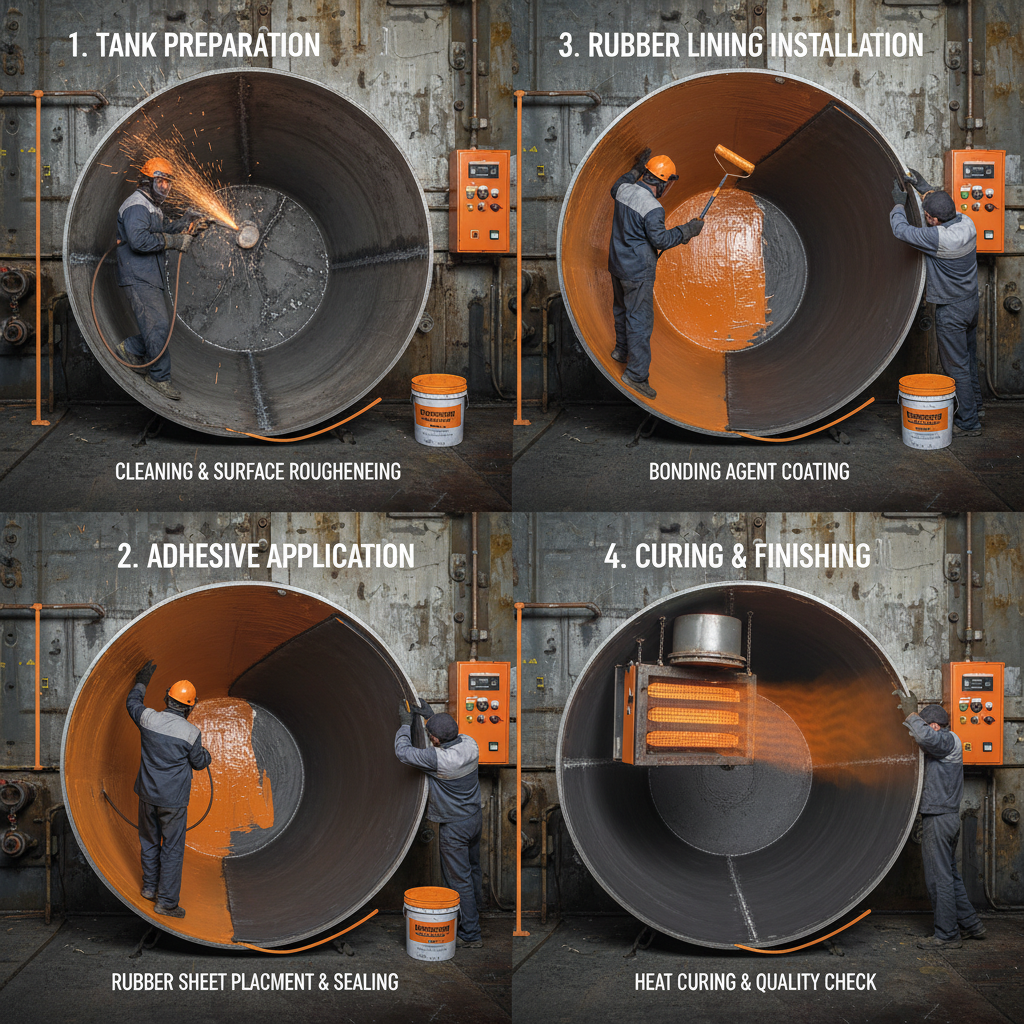
- Yes, professional vendors can strip and reapply rubber linings, extending the service life of old tanks. The process must be done carefully to ensure adhesion and seal integrity.
- Where can I source quality rubber lined tanks?
- Reliable manufacturers like QW Metal specialize in custom rubber lined tanks across industry needs. Checking certifications and client references ensures trustworthiness.
Conclusion: Why Rubber Lined Tanks Should Be Your Storage of Choice
In a nutshell, rubber lined tanks deliver a smart balance of strength, resistance, and longevity critical for handling corrosive liquids safely and sustainably. They reduce industrial hazards, cut costs over time, and support environmental safety—practical and ethical wins alike.
If your operations involve storing challenging fluids, exploring rubber lined tanks might just be the upgrade you need. For more insights and custom solutions, feel free to visit our website today.
Every engineer I’ve spoken to says it’s a game changer — tough, smart, and trustworthy.
References:
1. ISO 12735-1:2019 - Corrosion protection methods
2. United Nations Environment Programme Reports
3. Wikipedia - Rubber
Related Products
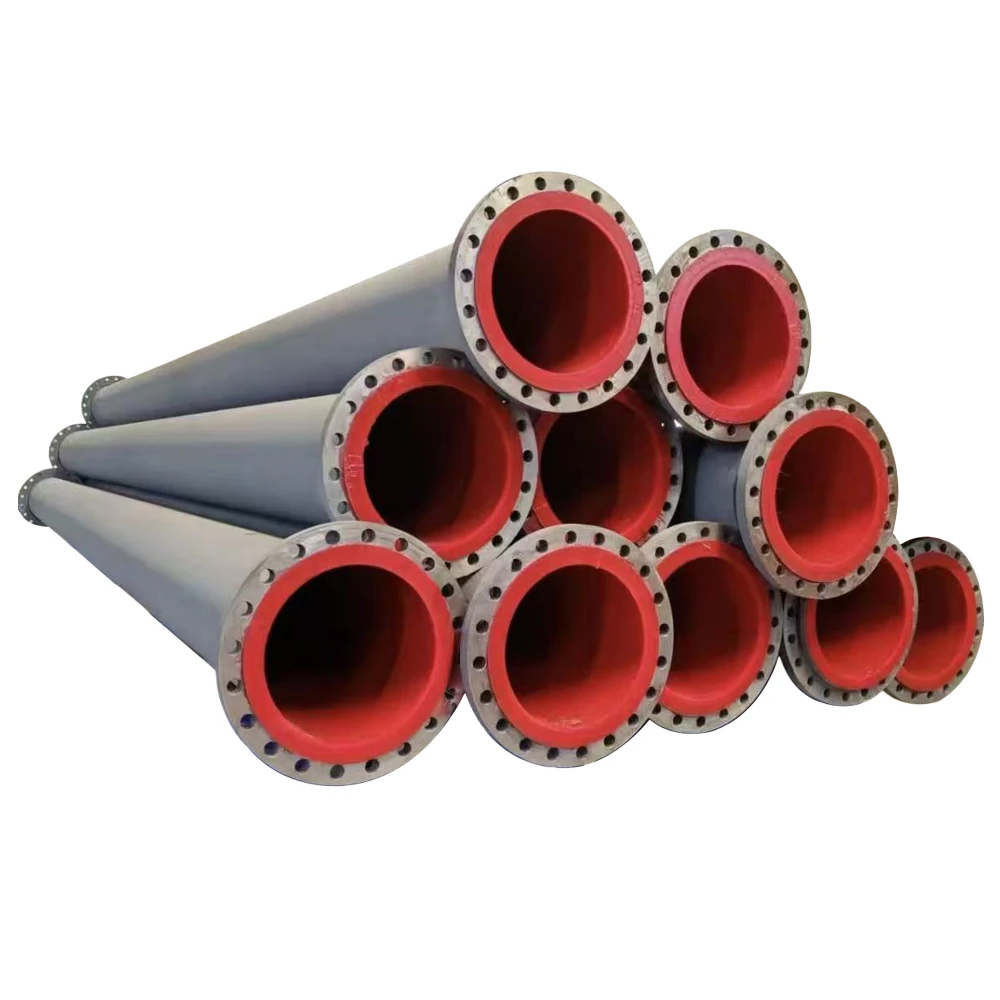
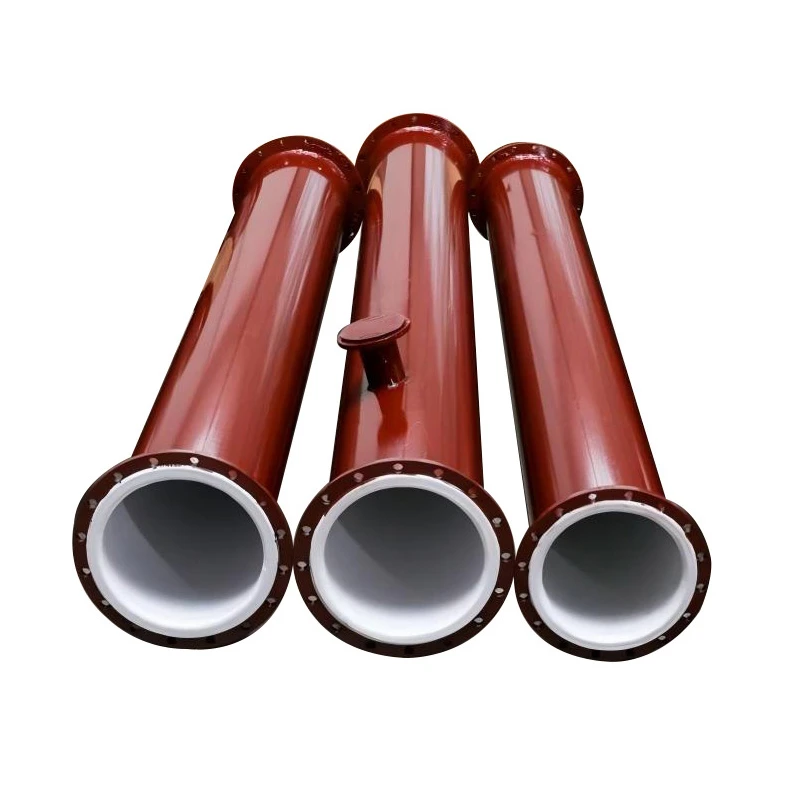
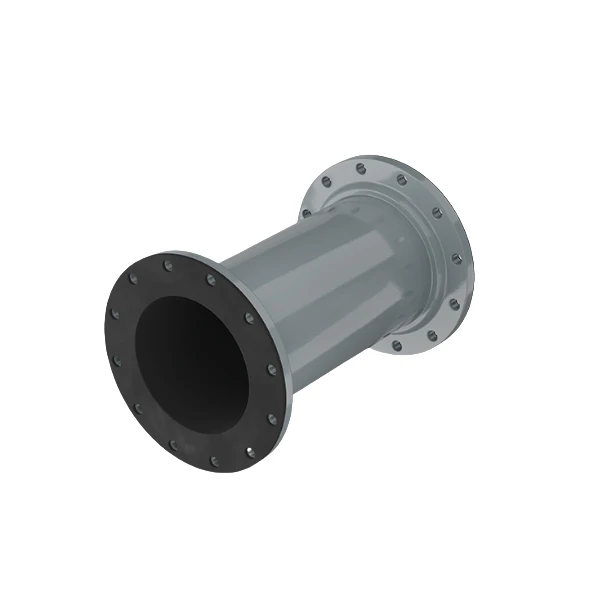
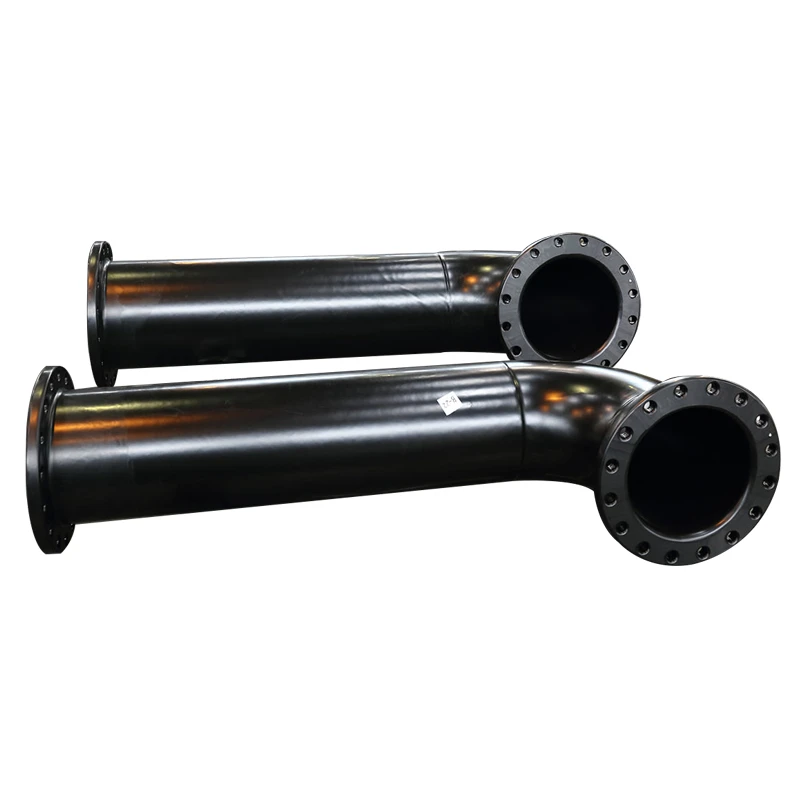
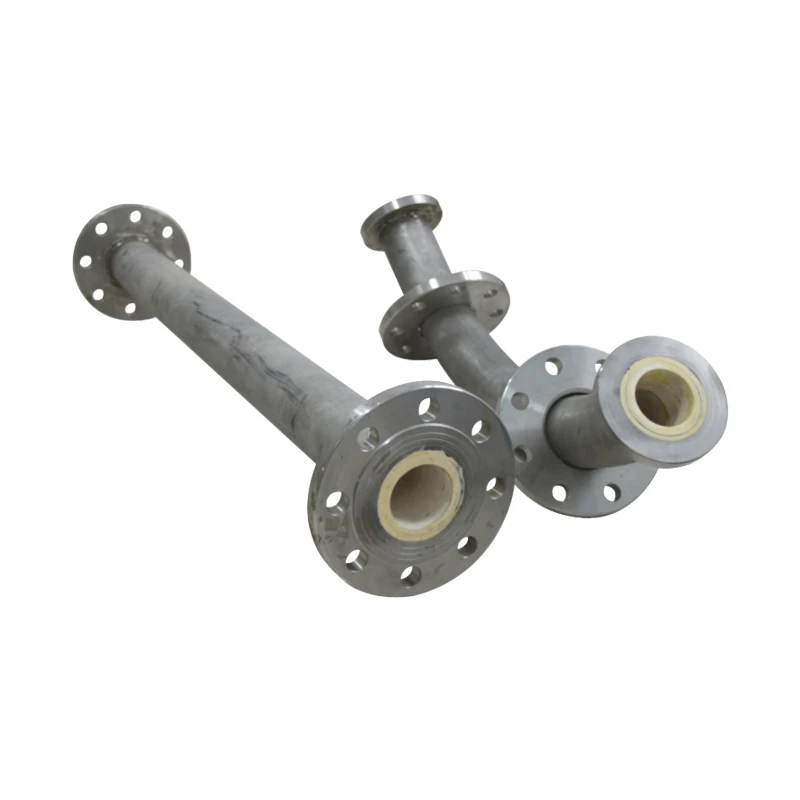
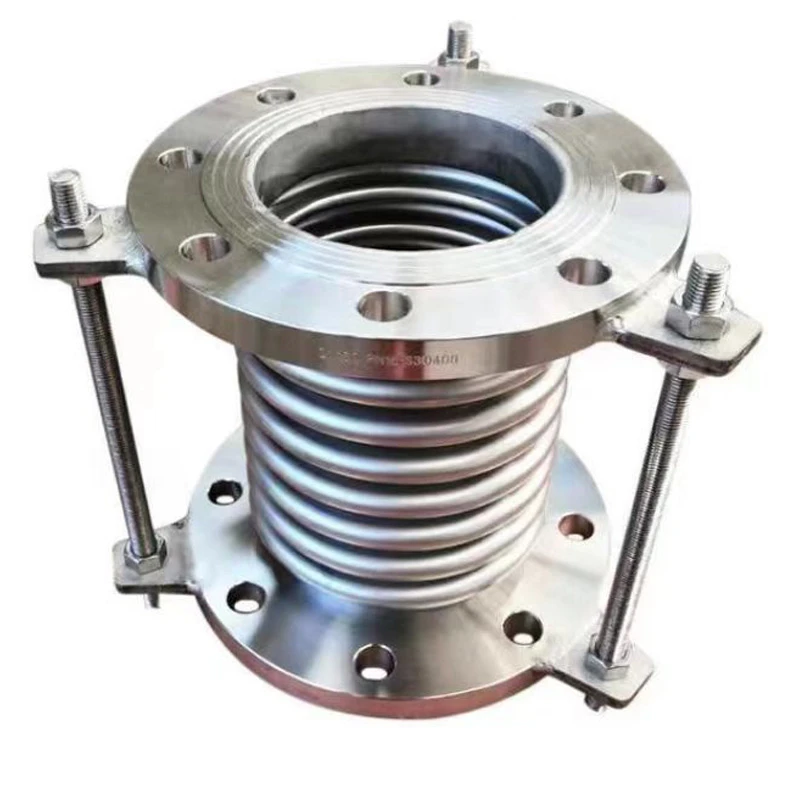
Our main products are polyurethane lined pipes, mining equipment fittings and metal hoses.