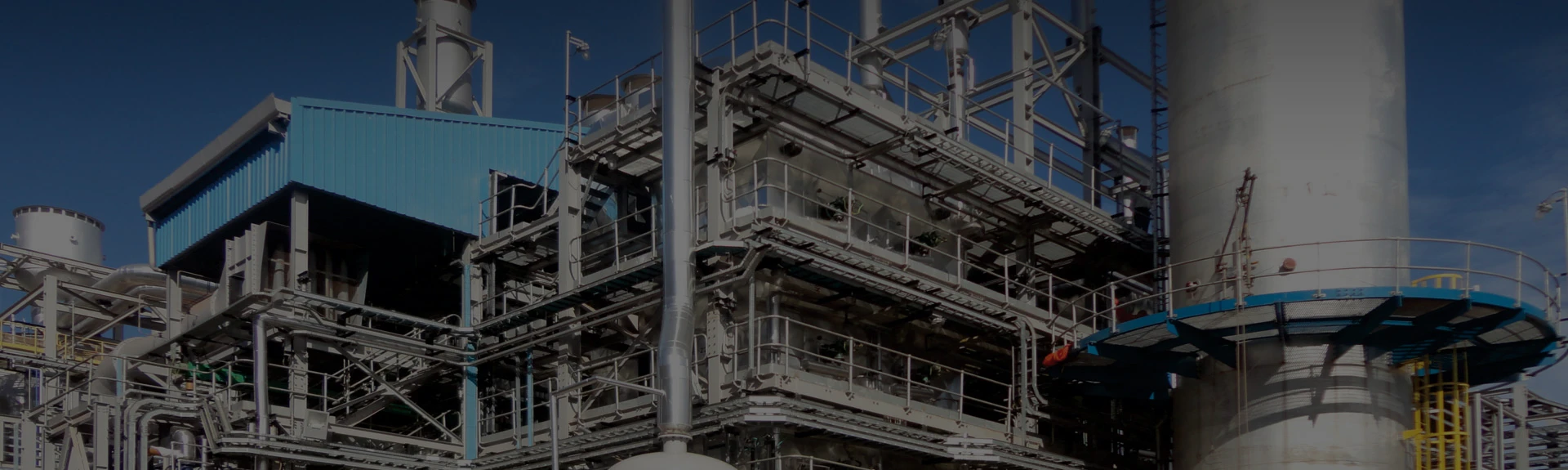
Understanding Tank Chemical Storage – Safety & Sustainability in Industry
What Exactly Is a Tank Chemical and Why Should You Care?
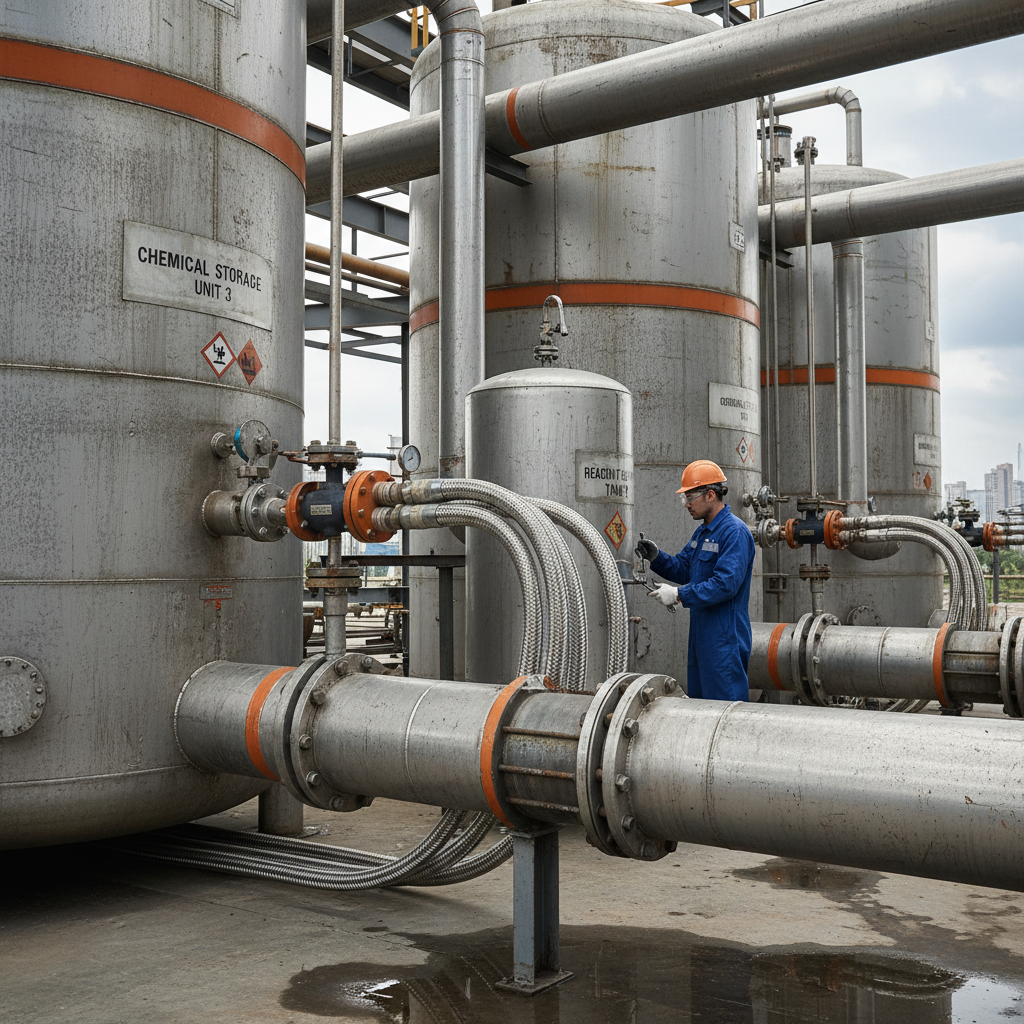
At first blush, “tank chemical” sounds like something pretty niche — but in truth, it's a cornerstone of many global industries, as well as environmental and humanitarian efforts. Put simply, tank chemicals refer to the chemicals stored or used within large containment tanks, crucial in sectors from water treatment to oil and gas, agriculture, and disaster relief. Understanding how tank chemicals function, their handling, and significance is vital globally, especially as safety and sustainability concerns grow.
Grasping the ins and outs of tank chemicals means safer storage practices, lower environmental impact, and better industrial efficiency — a true win-win worldwide.
Tank Chemicals in a Global Context: Challenges & Importance
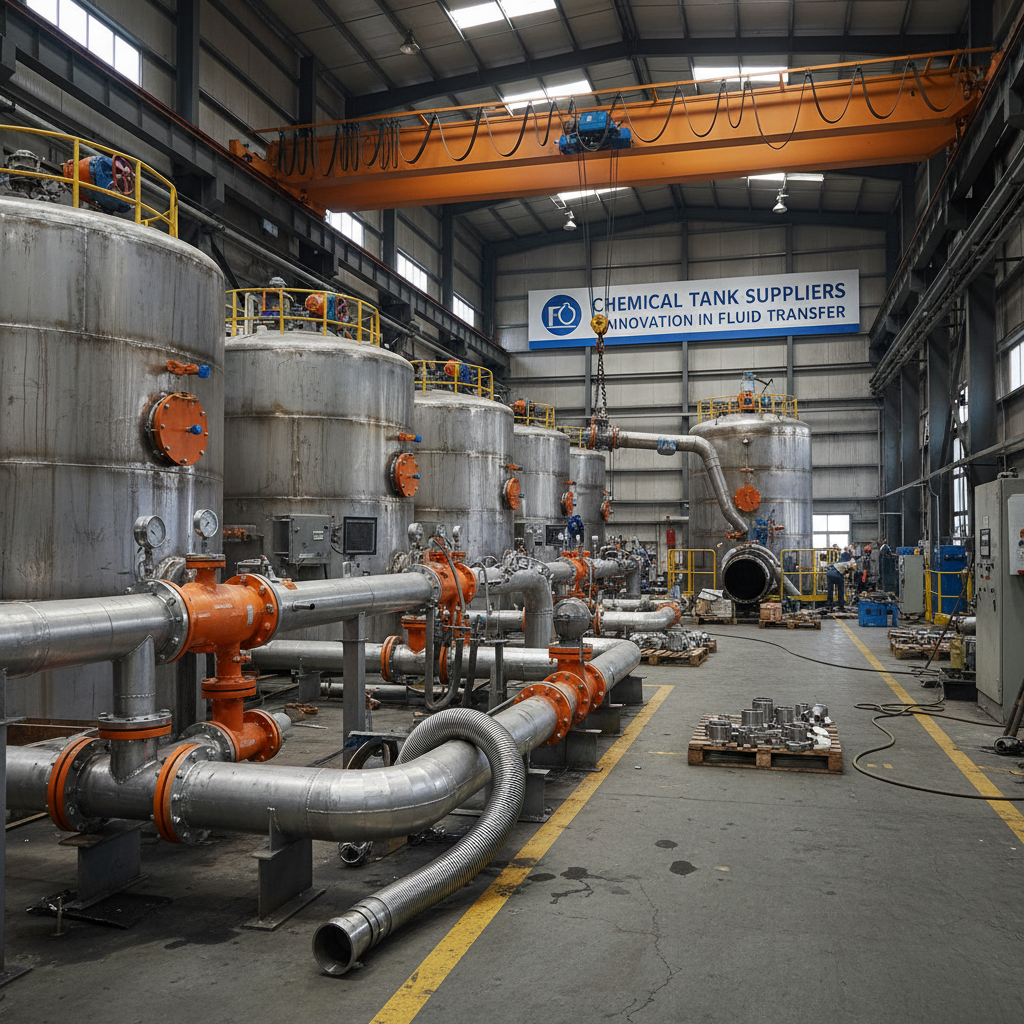
Let’s zoom out: globally, industries rely heavily on chemical storage in tanks. According to the International Tank Storage Association, there are millions of tanks in operation worldwide storing chemicals that support everything from fuel supply chains to water purification – these tanks safeguard essentials humans and economies depend on. The UN Environment Programme highlights chemical safety as a critical factor in protecting ecosystems and communities alike.
However, the challenge is huge: leaks, improper chemical combinations, and corrosion can cause environmental disasters and costly shutdowns. The chemical industry alone carries billions in risk each year due to tank failures. Clearly, managing tank chemicals properly isn’t just about filling a container — it’s about protecting people and the planet.
Defining Tank Chemical: What Are We Really Talking About?
In the simplest terms, a tank chemical is any chemical substance held within industrial or storage tanks that serve specific functions — like water treatment agents, fuels, or agricultural fertilizers.
These chemicals must be compatible with the tank materials, stored under controlled conditions, and handled with precision, given their potential hazards. The connection to modern industry? Well, without them, you’d struggle to process clean water, generate energy, or keep farms productive. And from a humanitarian angle, emergency water supplies stored in chemical-resistant tanks can mean survival during natural disasters.
Core Components That Make Tank Chemicals Effective
1. Chemical Compatibility
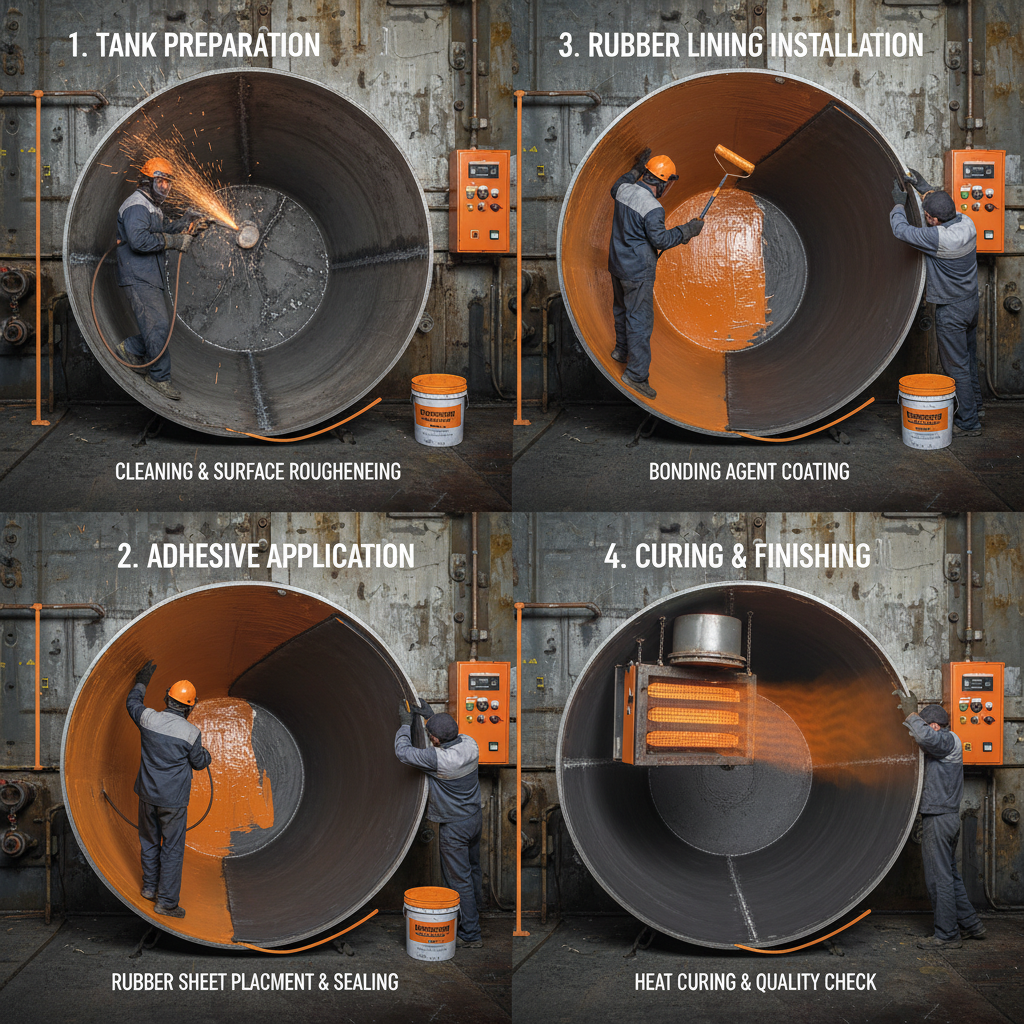
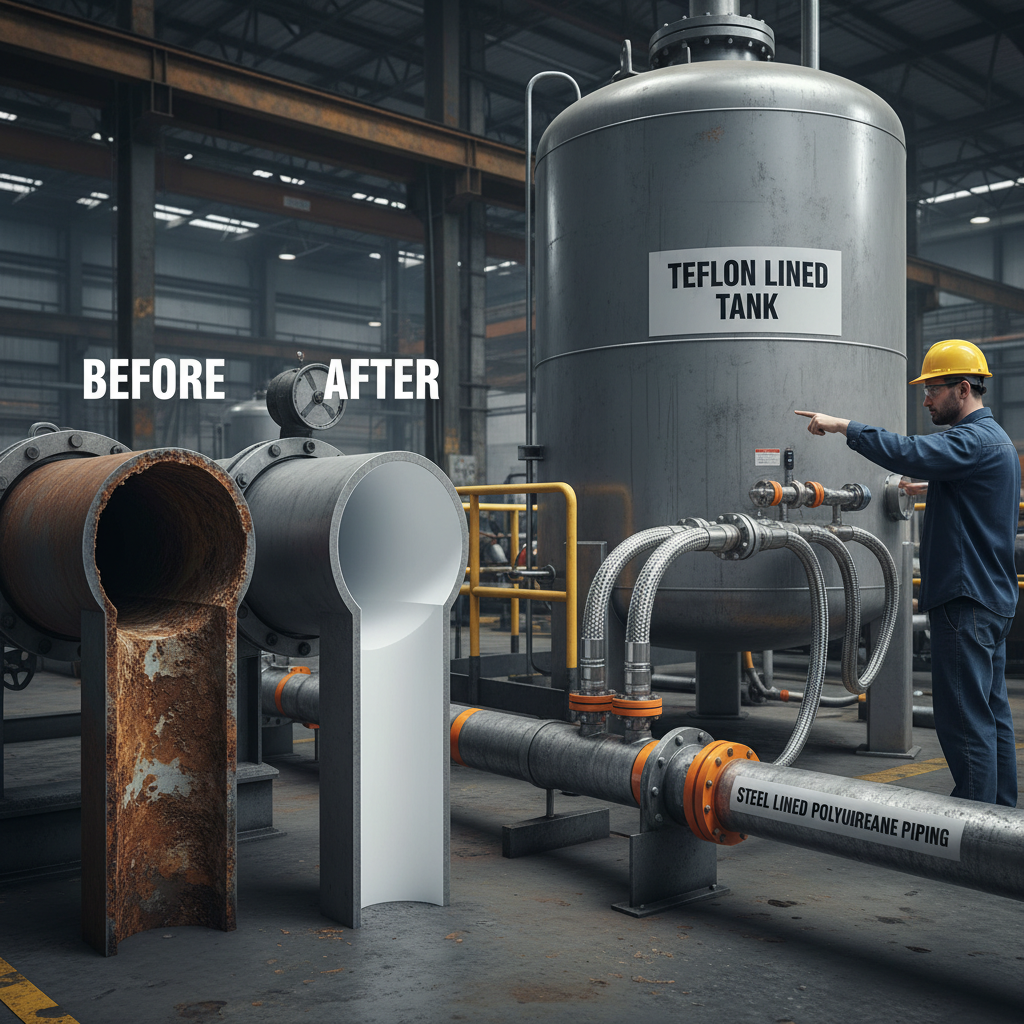
Not every tank is suitable for every chemical. Material compatibility is essential to avoid corrosion or dangerous reactions. Engineers often choose specialized coatings or tank alloys to match the tank chemical’s properties.
2. Storage Conditions & Safety
Temperature, pressure, ventilation — all these factors greatly influence how well tank chemicals are preserved and how safe their storage remains over time. For example, some chemicals may emit vapors requiring special ventilation systems.
3. Regulatory Compliance
Governments and international bodies (ISO, OSHA) set standards for tank chemical storage—failure to comply isn’t just illegal; it’s often catastrophic physically and financially.
4. Environmental Impact Minimization
Modern tanks and chemicals are designed with sustainability in mind—reducing leakages, emissions, and incorporating greener chemical alternatives whenever feasible.
5. Cost Efficiency
Choosing the right tank chemical and storage method impacts operational budgets considerably—balancing upfront costs with longevity and maintenance spend is a constant puzzle.
Mini takeaway: Tank chemicals aren’t just in a tank. They're part of a holistic system of safety, sustainability, and smart engineering.
Worldwide Applications: Where Do Tank Chemicals Matter Most?
- Water Treatment: In urban centers and remote areas alike, chemicals in tanks purify drinking water, supporting both health and development goals.
- Oil & Gas Industry: Storage of fuels, solvents, and treatment agents ensures continuous energy supply chains worldwide.
- Agriculture: Fertilizers and pesticides stored safely in tanks drive food production, especially in emerging economies.
- Disaster Relief: During floods or droughts, specialized tanks store chemicals critical for sanitation and safe drinking water.
- Manufacturing Industries: Chemicals stored on-site facilitate processes in everything from textiles to pharmaceuticals.
For instance, in the Gulf region, advanced tank chemicals and corrosion-resistant tanks cope with harsh desert heat, proving indispensable to the petrochemical sector. NGOs also rely on rugged, transportable tanks with chemical treatments for emergency potable water, as seen in recent humanitarian missions.
Advantages of Smart Tank Chemical Management
- Improved Safety & Reliability: Minimizing leak and accident risks builds trust with local communities and regulators.
- Cost Savings: Proper chemical selection and tank maintenance reduce downtime and expensive emergency responses.
- Environmental Stewardship: Reduces ecological footprint, aligns with global climate and sustainability targets.
- Social Impact: Access to clean water and energy supports dignity and health, especially in vulnerable regions.
- Operational Efficiency: Innovative chemical formulations and storage solutions can boost productivity.
Table 1: Typical Tank Chemical Specifications
| Specification | Typical Range | Notes |
|---|---|---|
| pH Range | 2 - 12 | Highly acidic or alkaline chemicals require special tanks |
| Storage Temperature | -20°C to 60°C | Temperature-sensitive chemicals need climate control |
| Tank Material | Steel, HDPE, FRP | Material choice driven by chemical type and environment |
| Volume Capacity | 500L - 10,000,000L+ | Varies widely by application |
| Safety Features | Vents, alarms, secondary containment | Critical for hazardous chemical storage |
The Future of Tank Chemicals: Trends to Watch
Technology is reshaping tank chemical storage in ways we might have only dreamed of a decade ago. From “smart tanks” with IoT sensors monitoring chemical levels and integrity in real time to environmentally friendly bio-based chemicals reducing footprint, the future looks promising.
Automation in chemical handling and remote control systems are making storage safer and more efficient, particularly in hard-to-reach or hostile environments.
Plus, a push toward circular economy principles means more recycling and reuse strategies for tank chemicals, alongside stricter international regulations that push suppliers toward greener alternatives.
Challenges & Breakthroughs in Tank Chemical Management
Despite advances, tank chemical storage is not without hurdles. Material degradation over time, unexpected chemical reactions, and the logistics of remote deployments remain tricky. For many, the cost of upgrading infrastructure is a barrier.
Experts have been recommending modular tank systems that can be quickly expanded or repaired, integrated AI monitoring to predict issues before they happen, and ongoing training for operators to keep abreast of best practices.
It’s not perfect yet, but momentum is there — and that’s encouraging.
Vendor Snapshot: Comparing Tank Chemical Suppliers
| Supplier | Product Range | Sustainability Focus | Global Reach | Customization Options |
|---|---|---|---|---|
| ChemStor Inc. | Wide (acidic to solvents) | Medium, some green initiatives | North America, Europe | Standard sizes, coatings |
| GreenTank Solutions | Focus on bio-based chemicals | High, fully committed | Global | Custom molds, sensors integrated |
| SafeHold Systems | Hazardous chemicals | Medium | Asia, Middle East | Limited |
FAQs About Tank Chemical Storage
1. What types of chemicals are typically stored in tanks?
Industrially, it ranges from fuels, solvents, fertilizers, to water treatment agents. The tank type depends on chemical properties like corrosiveness and volatility.
2. How often should tank chemicals be inspected or tested?
Regular inspections vary by region and chemical, but commonly every 6–12 months for critical chemicals. Testing includes integrity, contamination, and safety feature checks.
3. Can tank chemicals harm the environment if accidentally leaked?
Absolutely. Leaks can contaminate soil, groundwater, and air. Prevention and prompt response plans are essential to mitigate environmental impact.
4. Are there greener alternatives for tank chemicals?
Yes, bio-based chemicals and biodegradable treatments are increasingly available, helping reduce toxic waste generation and pollution.
5. How do I choose the right supplier for my tank chemical needs?
Consider product range, sustainability, customization, and delivery capabilities. Vendor reputation and certifications also matter greatly.
Conclusion: Why Tank Chemical Management Will Keep Matters Flowing Smoothly
In essence, effective tank chemical storage and management underpin vital industries, environmental stewardship, and humanitarian efforts. I suppose it's one of those quiet but critical backbones of modern life. Keeping tanks sustainable, safe, and well-maintained saves money, supports health, and protects nature — not to mention it preserves trust among businesses and communities worldwide. If you want to explore practical tank chemical solutions, do check out our site at tank chemical.
Mini takeaway: Don’t underestimate the silent role of tank chemicals. Their impact bubbles under the surface of daily life, and a little knowledge goes a long way.
References & Further Reading




Related Products
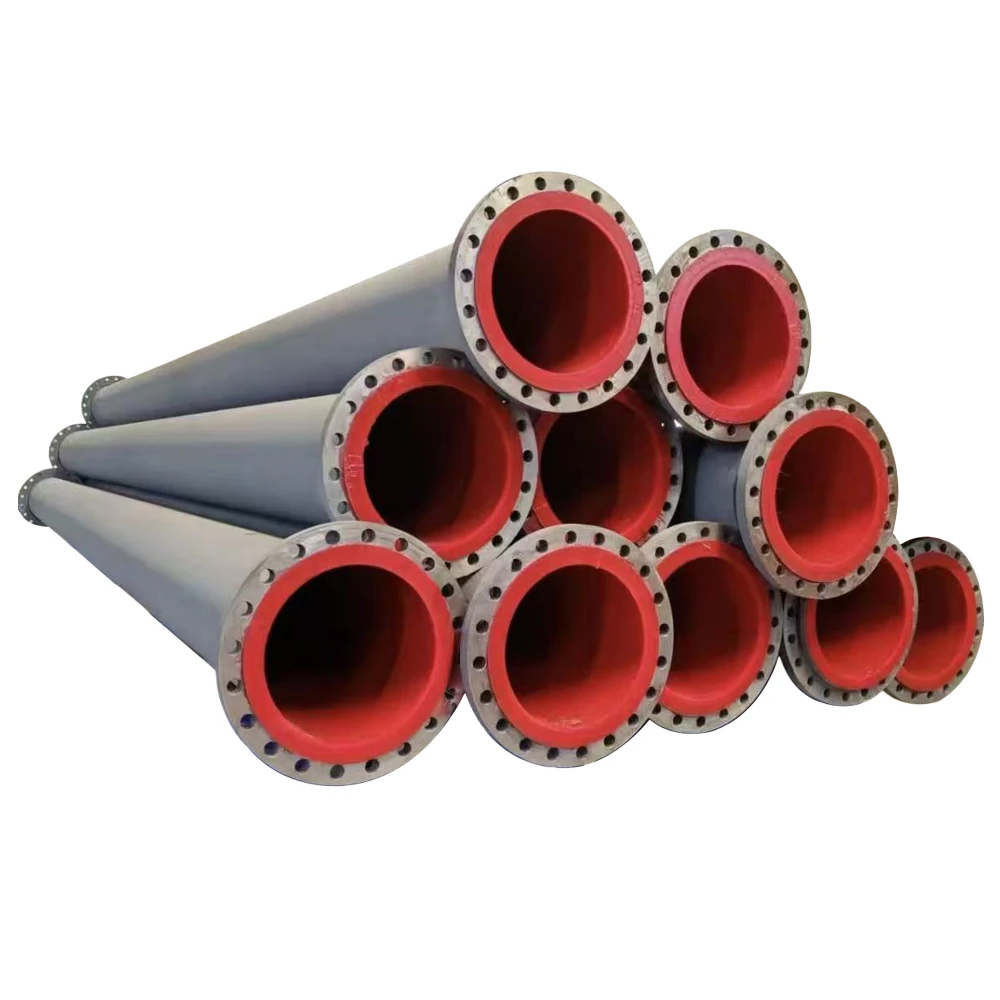
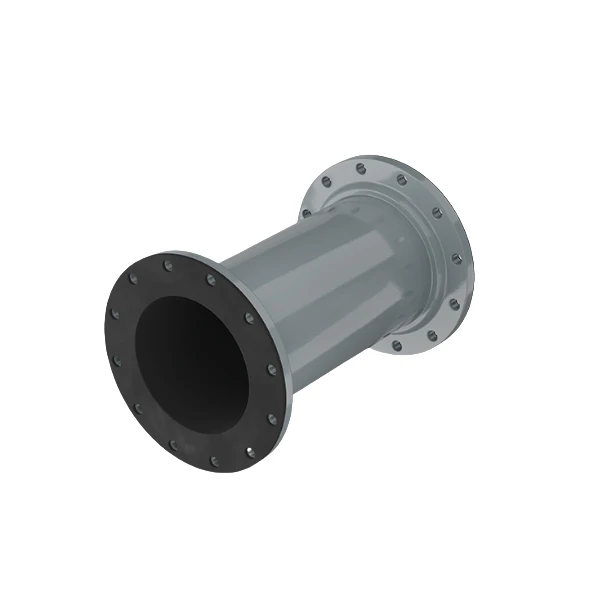
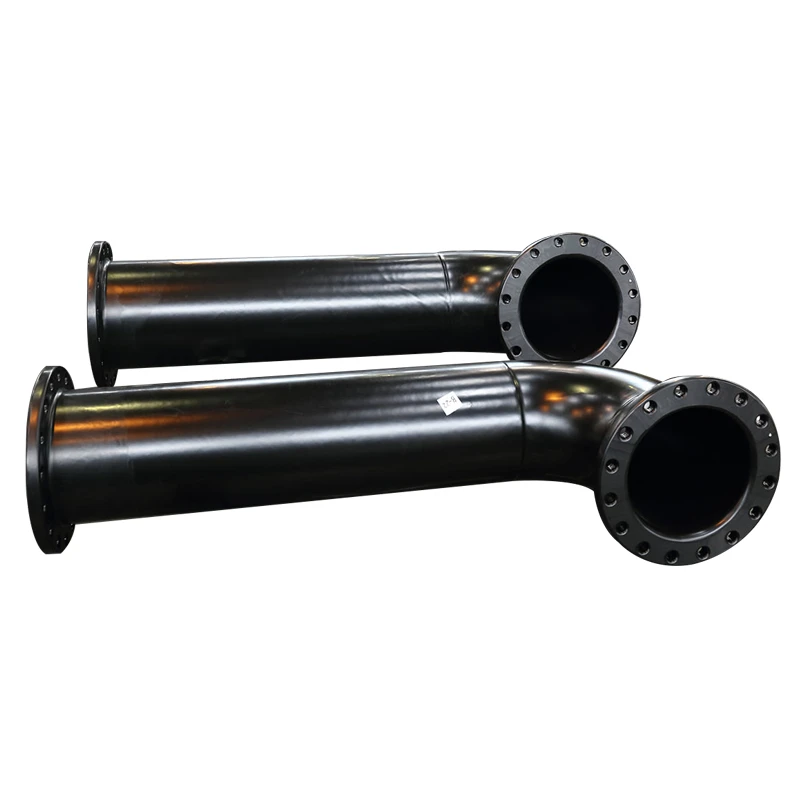
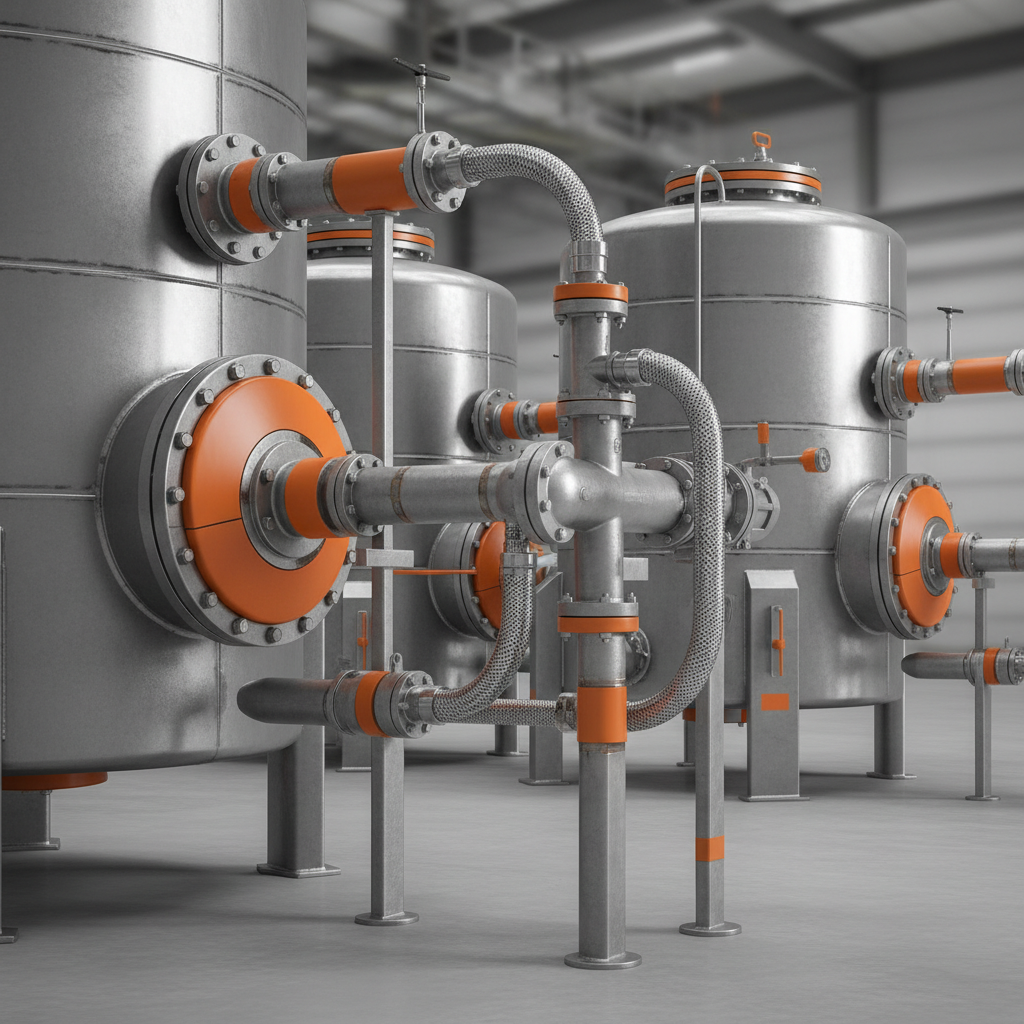
Our main products are polyurethane lined pipes, mining equipment fittings and metal hoses.