Comprehensive Guide to Tank Chemical – Uses, Benefits & Innovations
Understanding Tank Chemical: Essential Insights for Industry and Global Needs
Tank chemical — it sounds technical, maybe even a bit obscure at first. Yet, this term encapsulates a vital part of industries ranging from manufacturing to humanitarian aid. Simply put, tank chemicals are specialized substances stored in tanks for various industrial or environmental processes. Their role might often go unnoticed, but their global importance touches everything from safe water storage to critical manufacturing workflows.
Why does it matter today? Well, with rapid industrial growth and increasing environmental concerns, understanding tank chemicals is more than just technical knowledge. It's about ensuring safety, efficiency, and sustainability worldwide. Here’s why diving into this subject is worthwhile: mastering tank chemicals helps industries mitigate risks, comply with regulations, and innovate greener solutions. Plus, knowing these details supports humanitarian efforts where reliable chemical storage is literally lifesaving.
Global Context: Why Tank Chemical Is More Relevant Than Ever
In an era when chemical manufacturing and storage face stringent international scrutiny, tank chemical management has become a hot topic. According to the International Organization for Standardization (ISO), approximately 70% of global industries depend on safe chemical storage systems.[1] From chemical plants in Europe to remote factories in Asia, the demand for reliable tank solutions is booming. On top of this, United Nations environmental reports highlight that improper chemical storage contributes significantly to pollution and industrial accidents worldwide.[2]
Yet, challenges remain. Storage accidents, contamination, and tank failures have caused costly environmental and social damage. Frankly, navigating these issues means industries must invest in better chemicals optimized for storage tanks, and in tank designs that protect both product and planet.
What Exactly Is Tank Chemical?
At its core, a tank chemical is any chemical substance intended for storage within a tank system — typically liquid or gas substances used industrially. Think of acids, solvents, fuels, or even water treatment agents. These chemicals often have stringent purity, compatibility, and stability requirements to prevent unsafe reactions or leaks.
The connection to modern industry is clear: tank chemicals enable processes from refining oil, producing pharmaceuticals, to water purification. And in humanitarian uses, they ensure safe storage of disinfectants or other vital liquids post-disaster, as seen in emergency relief operations globally. It’s a quiet cornerstone supporting health, manufacturing, and environmental goals alike.
Core Components of Tank Chemicals That Matter
1. Chemical Stability
The first thing engineers look for is chemical stability under tank conditions — temperature fluctuations, pressure, exposure to materials. Stability minimizes risks of dangerous reactions or degradation over time.
2. Compatibility with Tank Materials
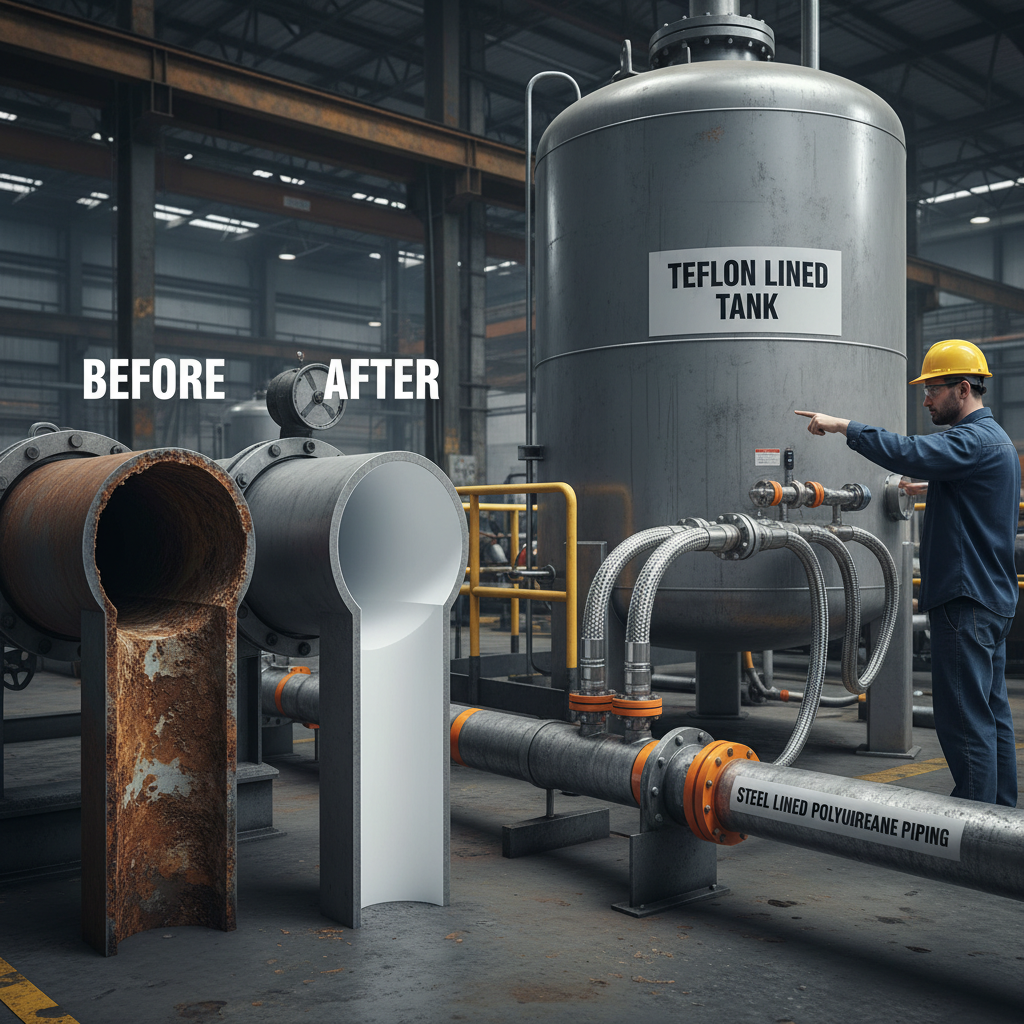
Many tank chemicals require storage tanks made from specific, corrosion-resistant materials. Oddly enough, something as simple as the wrong lining can cause leaks or contamination, which is disastrous both economically and environmentally.
3. Purity and Concentration
Ensuring consistent purity matters since impurities can accelerate corrosion or negatively affect end products. The right concentration ensures the chemical performs its intended industrial or treatment function.
4. Environmental and Safety Compliance
Finally, tank chemicals must meet global safety standards — from low toxicity to controlled volatility. These factors protect users, storage facilities, and surrounding environments.
Tank Chemical Product Specifications
| Specification | Typical Value | Industry Standard |
|---|---|---|
| Chemical Stability (at 25°C) | > 98% | ISO 9001 |
| Purity | > 99.5% | ASTM D1209 |
| Safe Storage Temp. | -10°C to 50°C | OSHA Regulations |
| Tank Material Compatibility | Stainless Steel, HDPE | API 650 |
| Volatility | Low to Moderate | EPA Standards |
Where Tank Chemicals Make a Real-World Impact
Across continents and industries, tank chemicals show their value in many ways.
- Water Treatment Facilities: Chemicals for purification stored in large tanks ensure safe drinking water in many cities worldwide.
- Oil & Gas Industry: Tank chemicals are essential in refining and storage processes, particularly in the Middle East and North America.
- Pharmaceutical Manufacturing: Precise chemical storage supports medication production under rigorous quality controls.
- Disaster Relief: Organizations use tank chemicals like disinfectants in mobile tanks for emergency sanitation, especially in regions hit by floods or earthquakes.
For example, one NGO I worked with in Southeast Asia emphasized how reliable tank chemicals in storage tanks allowed them to deliver clean water to flood survivors quickly. Without the right chemicals suited for tank storage, the entire relief operation would have struggled.
Comparing Top Tank Chemical Vendors
| Vendor | Chemical Range | Compliance Certifications | Global Reach | Eco-friendly Options |
|---|---|---|---|---|
| QW Metal Solutions | Wide (industrial & specialty) | ISO 9001, REACH | Asia, Europe, Americas | Yes |
| ChemStore Inc. | Medium (industrial) | OSHA, EPA | North America, Europe | Limited |
| EcoChem Corp. | Selective (eco-focused) | ISO 14001, RoHS | Europe, Asia | Extensive |
Advantages & Lasting Value of Tank Chemical Solutions
Tangibly, tank chemicals optimized for proper storage tanks reduce contamination risks and product loss, which directly affects cost efficiency. But beyond dollars, there’s a social angle: improved safety protocols protect workers and communities. In real terms, fewer accidents mean stronger trust between industries and the public. It’s a nice win-win scenario.
Environmentally, companies that choose eco-friendly tank chemicals or improve tank compatibility help reduce hazardous waste spills. This not only supports regulatory compliance — think EPA or EU REACH — but champions innovation in green chemical technology.
Looking Ahead: Trends and Innovations in Tank Chemical Management
The future is leaning hard into sustainability and digital tech. For instance, tank chemical formulations are improving with bio-based ingredients that cut environmental impact. At the same time, sensors and automation increasingly monitor tank conditions in real time, preventing leaks and optimizing storage conditions.
Regulatory bodies worldwide push for stricter environmental standards. That pressure is steering companies toward greener, safer chemicals that perform well even in extreme climates or remote locations. Frankly, it feels like we’re on the cusp of a chemical storage revolution — one where safety, ecology, and efficiency harmonize more than ever.
Challenges & Solutions in Tank Chemical Usage
Of course, no silver bullet exists. The main hurdles remain ensuring chemical and tank material compatibility, controlling temperature and pressure swings, and managing costs without compromising safety. Oddly enough, many smaller companies still lack access to advanced monitoring technologies or eco-friendly chemical alternatives.
But solutions are emerging: collaborative R&D between chemical producers and tank manufacturers is gaining steam. Remote monitoring technology reduces manual checks. And industry groups promote knowledge sharing on best practices. You know, it’s a classic case of moving from reactive to proactive management.
FAQ: Frequently Asked Questions About Tank Chemical
Q1: What makes tank chemicals different from other industrial chemicals?
Tank chemicals must meet stricter stability and compatibility requirements since they remain stored for long periods under specific conditions. This often means specialized formulations tailored for safe storage and handling.
Q2: How do industries ensure tank chemical safety?
Safety is ensured through compliance with standards like ISO 9001, use of compatible tank materials, continuous monitoring, and regular maintenance. Training workers to handle chemicals properly is also critical.
Q3: Can tank chemicals be eco-friendly?
Yes, many companies now offer bio-based or low-toxicity tank chemicals designed to reduce environmental harm during storage and disposal. These comply with green certifications such as ISO 14001.
Q4: How are tank chemicals used in humanitarian contexts?
In relief operations, tank chemicals such as disinfectants or water treatment agents are stored in portable tanks to ensure safe sanitation and clean water supply in disaster-affected areas.
Q5: What’s the best way to select a tank chemical vendor?
Look for vendors with proven compliance certifications, product quality guarantees, environmental-friendly options, and global shipping or local support. Transparency and customer reviews also help.
Conclusion: Why Tank Chemical Mastery Matters for Tomorrow
Ultimately, tank chemical knowledge isn’t just for chemical engineers anymore — it’s critical for anyone looking to support safe, efficient, and sustainable industrial and humanitarian operations. The benefits of robust tank chemical use echo from factory floors to disaster zones, improving lives and ecosystems alike.
Want to learn more or explore tailored tank chemical solutions? Visit our website and discover how we can partner with you for safe, smart chemical storage.
Mini takeaway: Tank chemicals play a quiet but essential role in making industry safer, greener, and more reliable worldwide. Understanding their nuances is a smart step toward a more sustainable future.
References:
1. ISO.org – Overview of ISO 9001 standards
2. UN Environment Programme – Chemical Safety Reports





Related Products
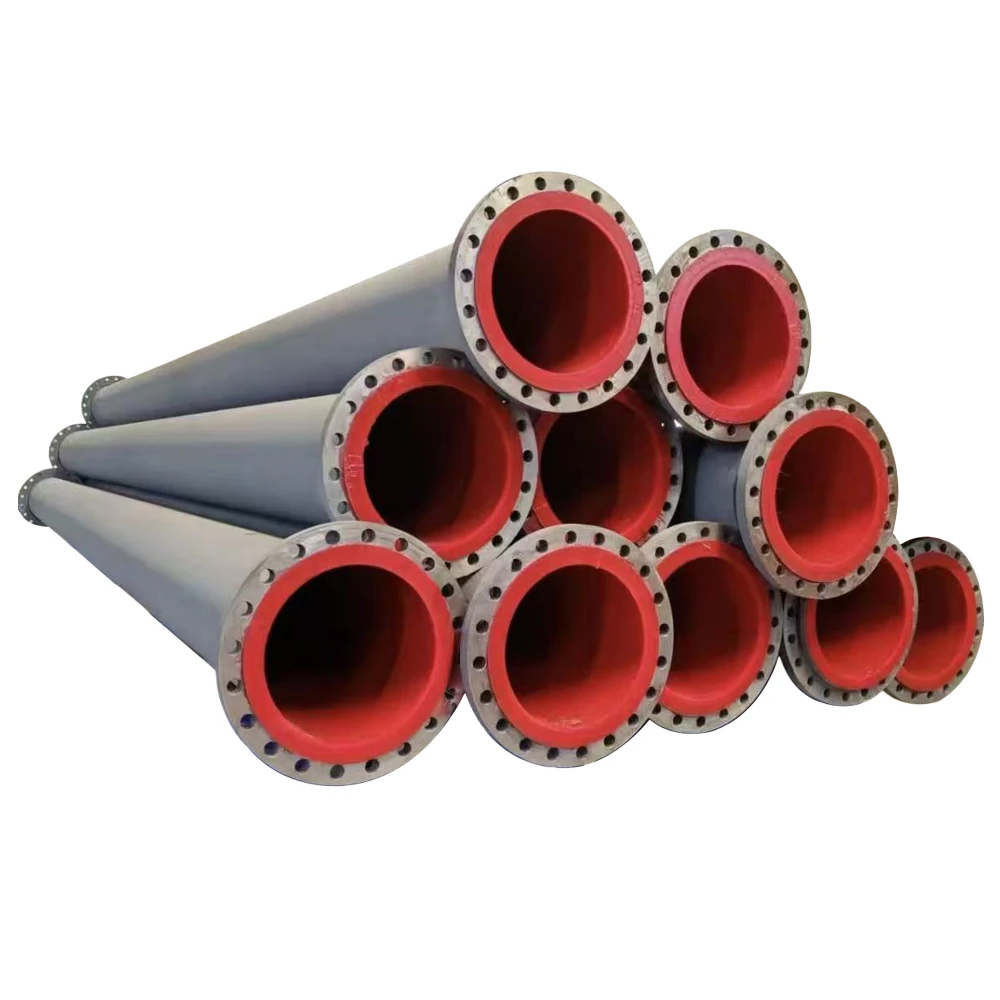
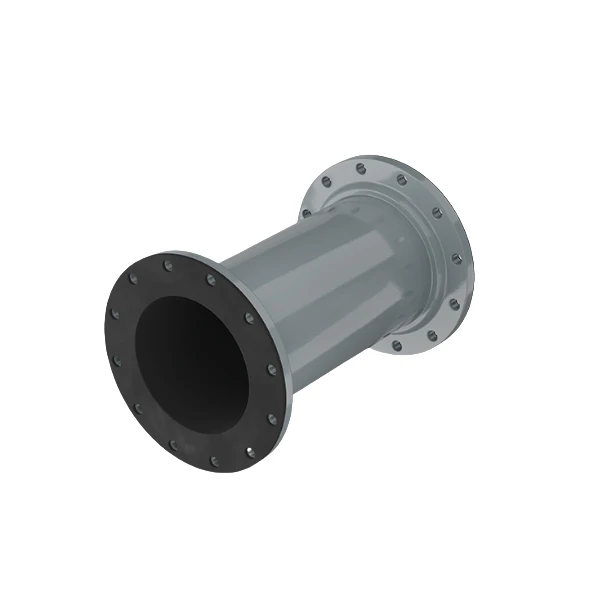
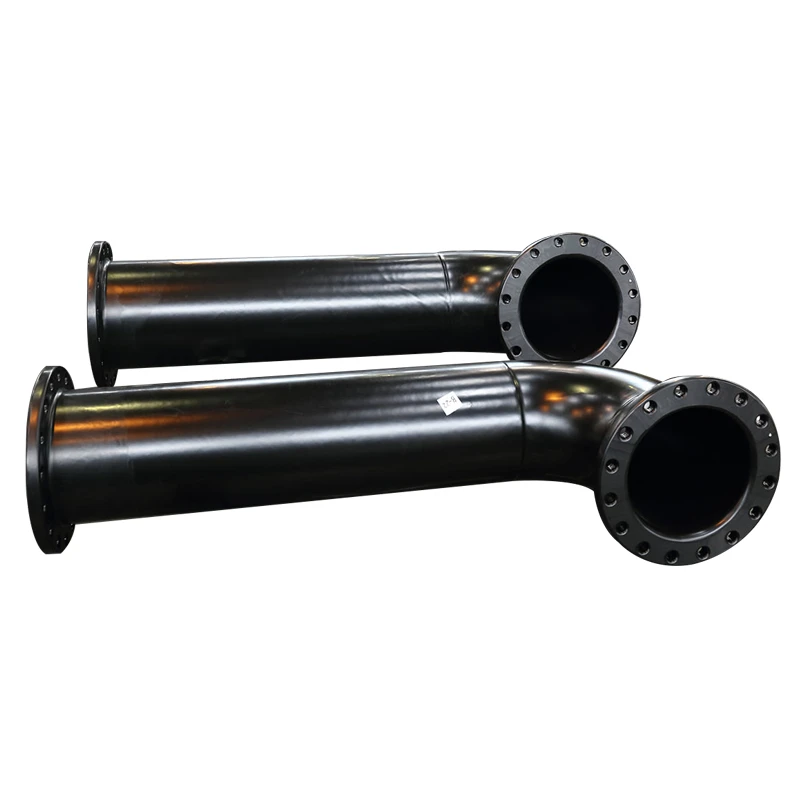
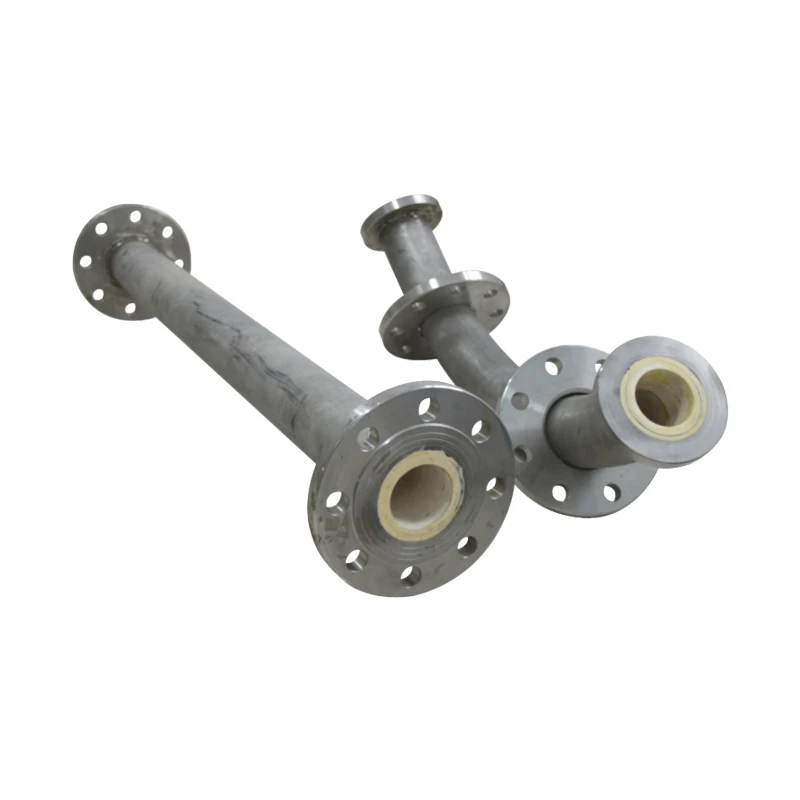
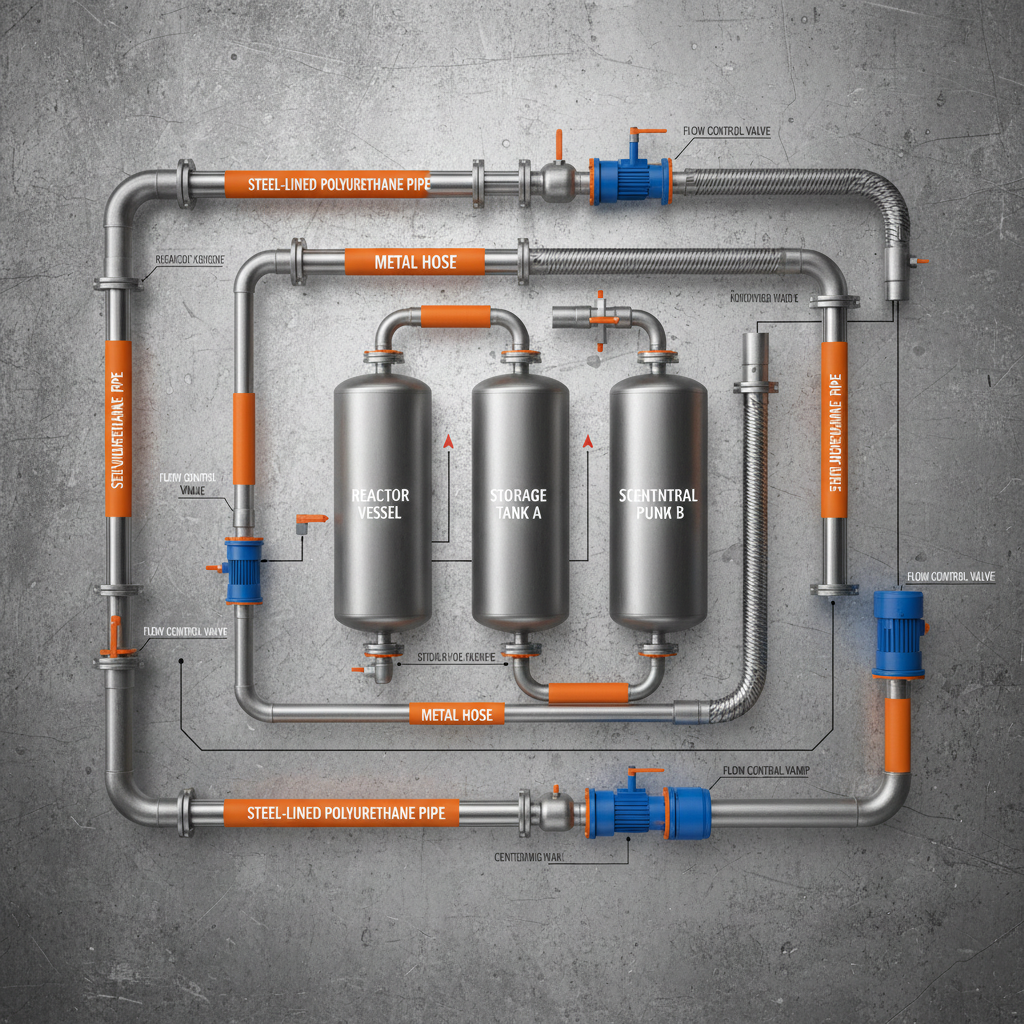
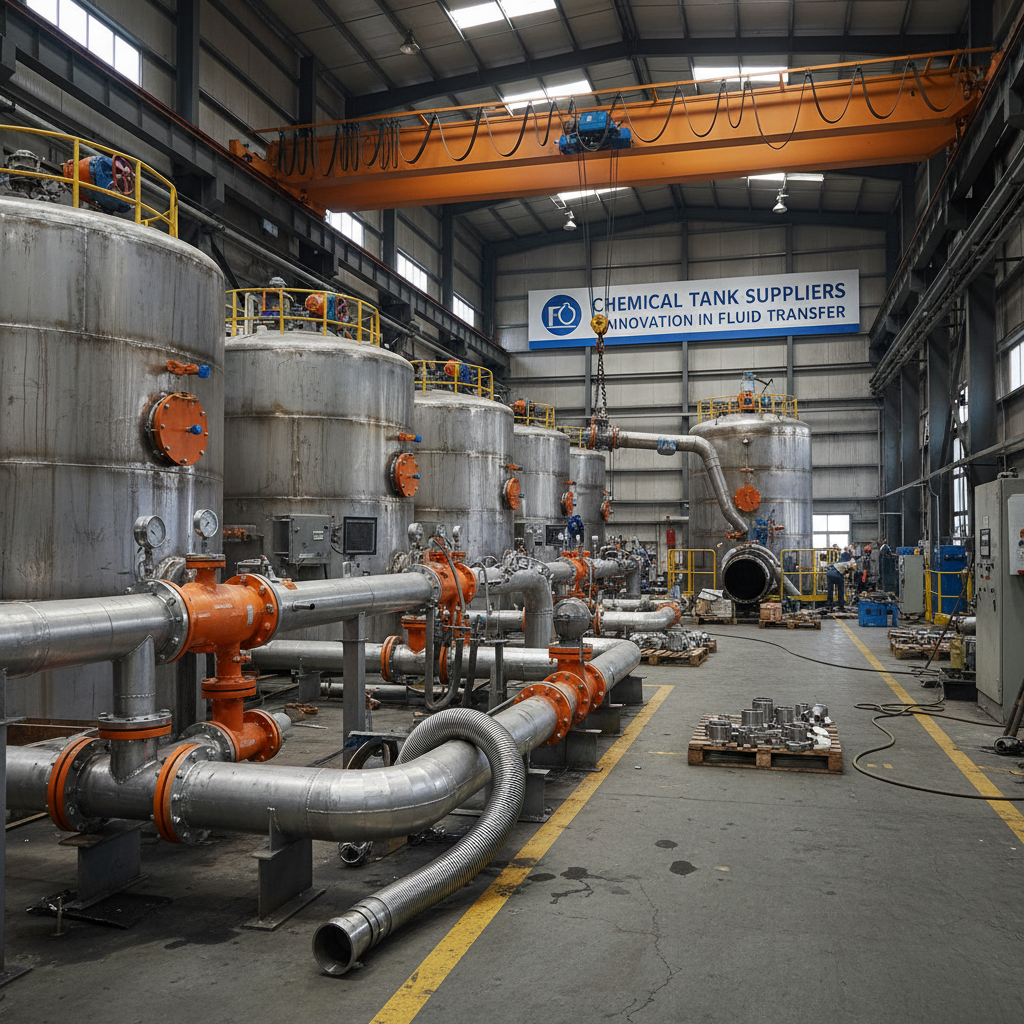
Our main products are polyurethane lined pipes, mining equipment fittings and metal hoses.