Rubber Lined Tank Solutions | Durable Industrial Storage
Why a rubber lined tank could be your industrial asset’s best friend
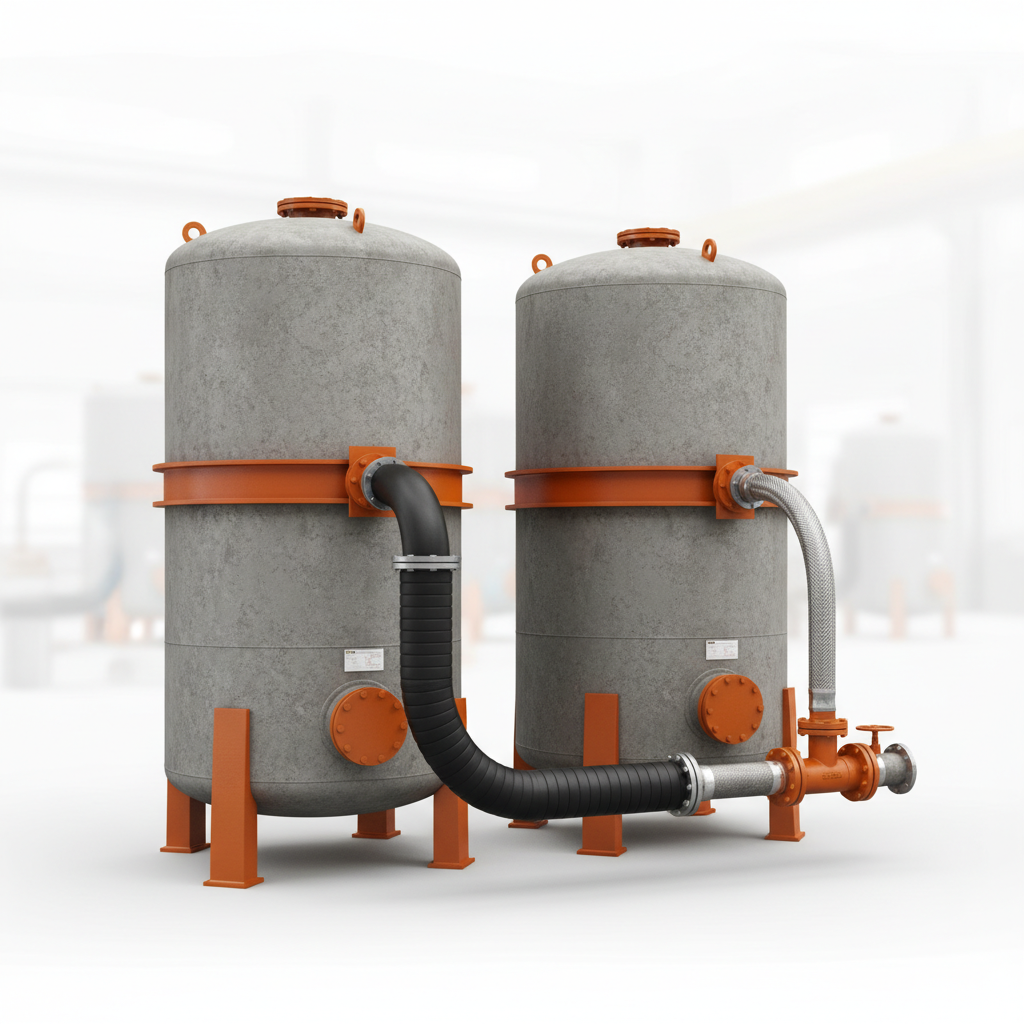
Having spent well over a decade in the industrial equipment trenches, I’ve come to appreciate how something as unassuming as a rubber lined tank can quietly transform operations. It’s funny — at first glance, a big metal vessel with a black rubber interior hardly sounds exciting. Yet, when you dig into real-world applications, the story gets a lot more interesting.
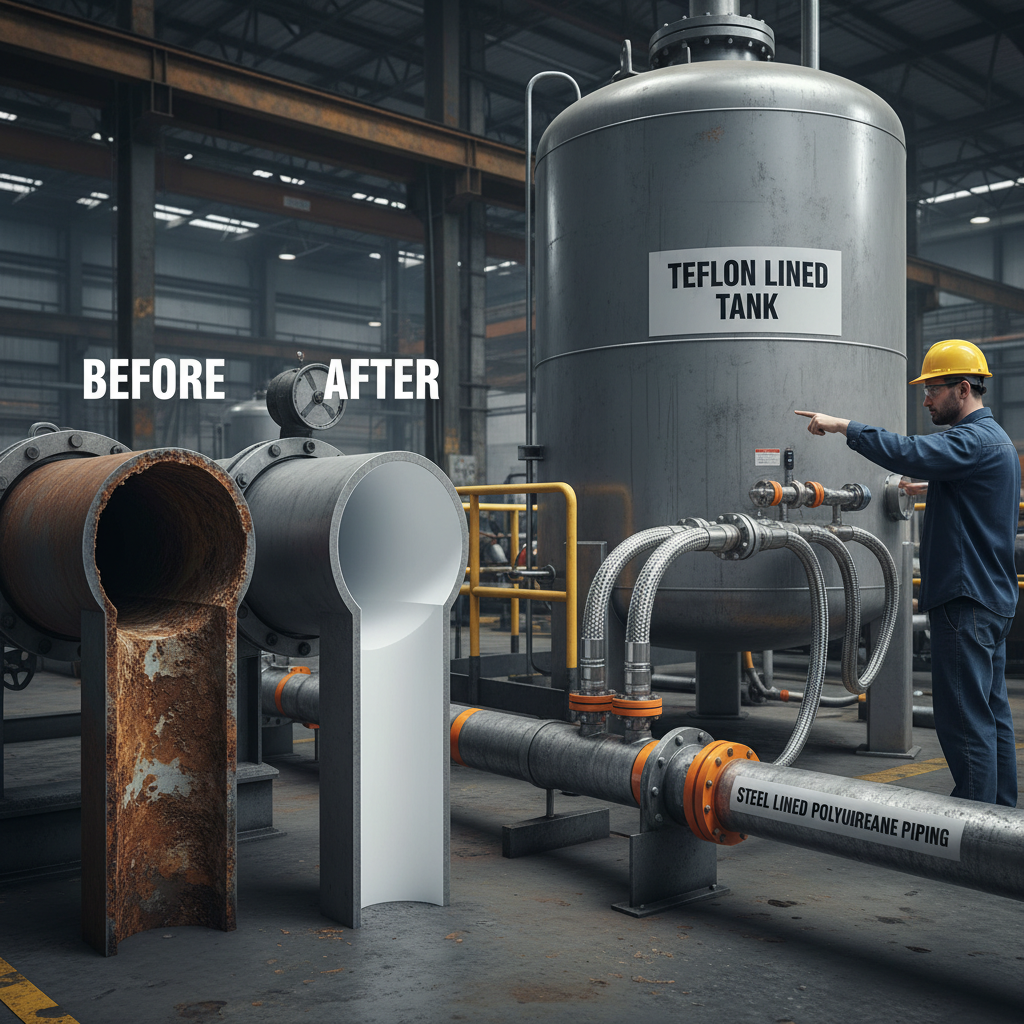
In the worlds of chemical processing, mining, and wastewater treatment, corrosion is the persistent nemesis. Plain steel tanks might look sturdy, but over time, acids, alkaline solutions, or abrasive slurries eat away at them. Enter the rubber lined tank, where that resilient rubber lining acts like a suit of armor, drastically increasing tank lifespan and reliability.
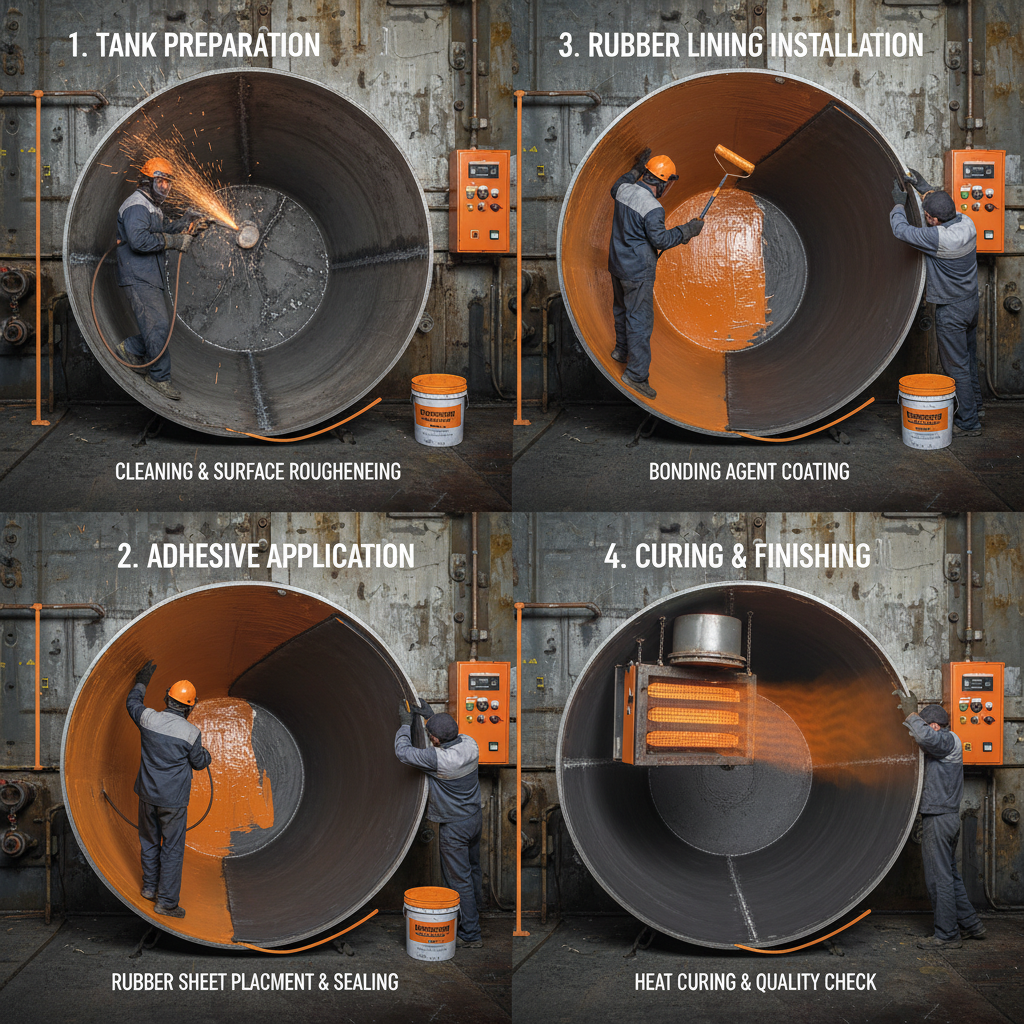
From my experience, not all linings are created equal. Natural rubber, neoprene, and EPDM each have their specialties. I remember a job site where a neoprene-lined tank saved the day against a particularly aggressive acid mix — no leaks, no surprises. Of course, rubber thickness and curing methods matter a lot too. I suppose it’s sort of like choosing the right shoes for a hike; the details count.
| Parameter | Details |
|---|---|
| Material of Shell | Carbon Steel or Stainless Steel |
| Rubber Lining Thickness | 6mm – 15mm (customized) |
| Lining Material | Natural Rubber, Neoprene, EPDM |
| Temperature Range | -30°C to 80°C (depends on rubber type) |
| Pressure Rating | Up to 0.5 MPa (varies) |
| Typical Applications | Chemical Storage, Slurry Tanks, Wastewater |
Because these tanks are often vital to processes where downtime is costly, thorough testing is a must. I recall one plant where the supplier performed impressive adhesion tests and prolonged immersion checks before delivery — it really paid off. The customer appreciated the transparency and low failure rate. Oddly enough, not every vendor puts the same effort here, which can lead to headaches.
| Feature | QW Metal | Vendor A | Vendor B |
|---|---|---|---|
| Range of Rubber Options | Natural, Neoprene, EPDM | Neoprene only | Natural & EPDM |
| Custom Thickness | Yes, 6-15mm | No | Yes, up to 12mm |
| Pressure & Temperature Ratings | Up to 0.5 MPa, -30°C - 80°C | Up to 0.3 MPa, -20°C - 60°C | Up to 0.4 MPa, -25°C - 70°C |
| Quality Testing | Adhesion, Immersion, Hardness | Basic adhesion only | Adhesion and hardness |
| Lead Time | 4-6 weeks | 3-5 weeks | 5-7 weeks |
Customization stands out as one of the biggest advantages. Several times, I’ve seen customers request odd sizes or shapes that vendors just weren’t equipped to handle — but companies like QW Metal consistently rise to the occasion. It’s also refreshing when vendors support industry standards like HG/T 21653 for rubber lining, which frankly adds a lot of confidence to the purchase.
The takeaway? If your operations involve harsh chemicals or abrasive materials, selecting the right rubber lined tank is more than a box to tick. It’s a practical investment that can save you maintenance headaches and unexpected downtime down the line. I suppose that’s why, despite technology leaps, simple tried-and-true innovation like this keeps winning.
On a personal note, I once worked with a miner who ran a slurry plant in a dusty, humid region. They switched to rubber lined tanks after years of leaks and repairs. The improvement? Dramatic. No surprise failures for 3+ years and a big smile on the maintenance chief’s face.
Anyway, if you’re considering upgrading your storage or mixing vessels, don’t overlook the humble—but crucial—rubber lined tank. It’s kind of the unsung hero you didn’t know you needed.
References:
- HG/T 21653-2016 — Rubber lining standard (China)
- Corrosion Control in Chemical Storage Tanks — Industry White Paper
- QW Metal official technical specs and testing protocols
Related Products
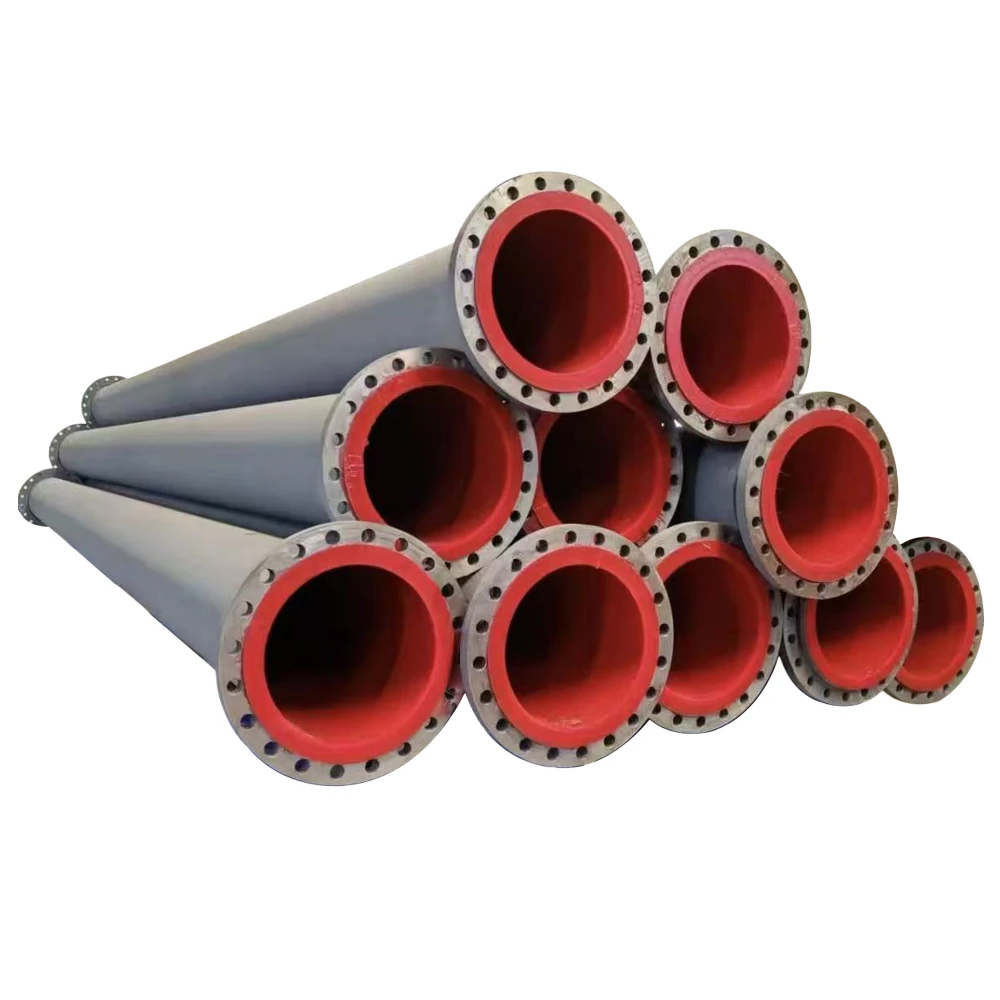
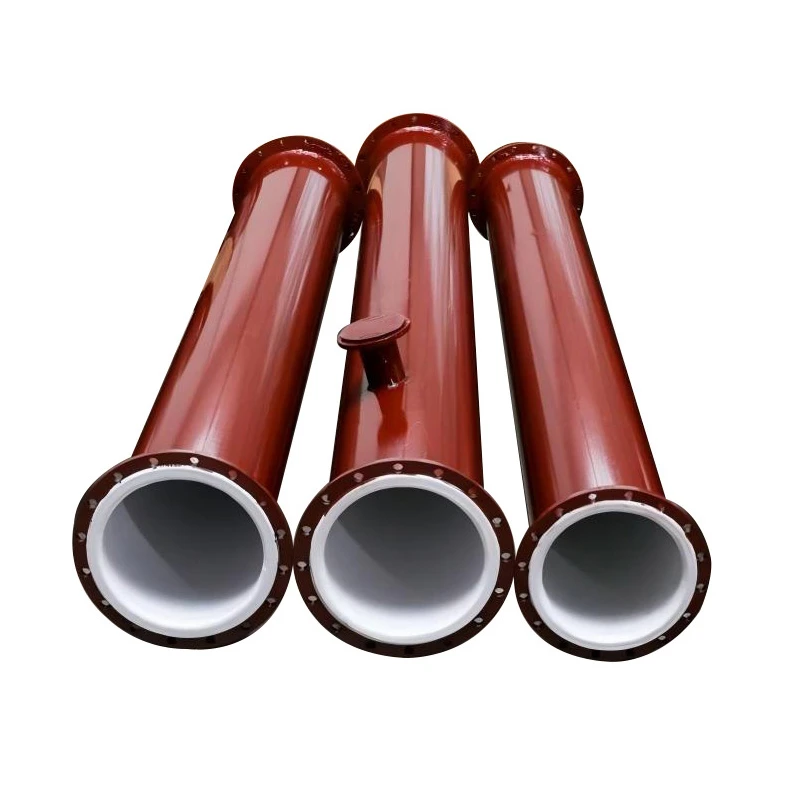
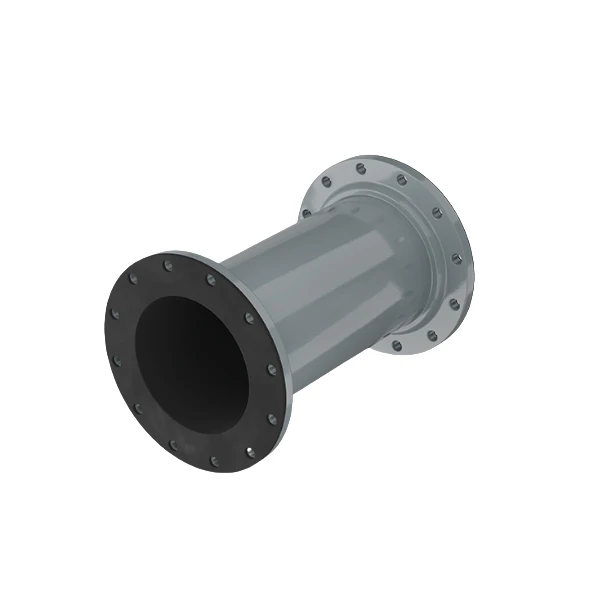
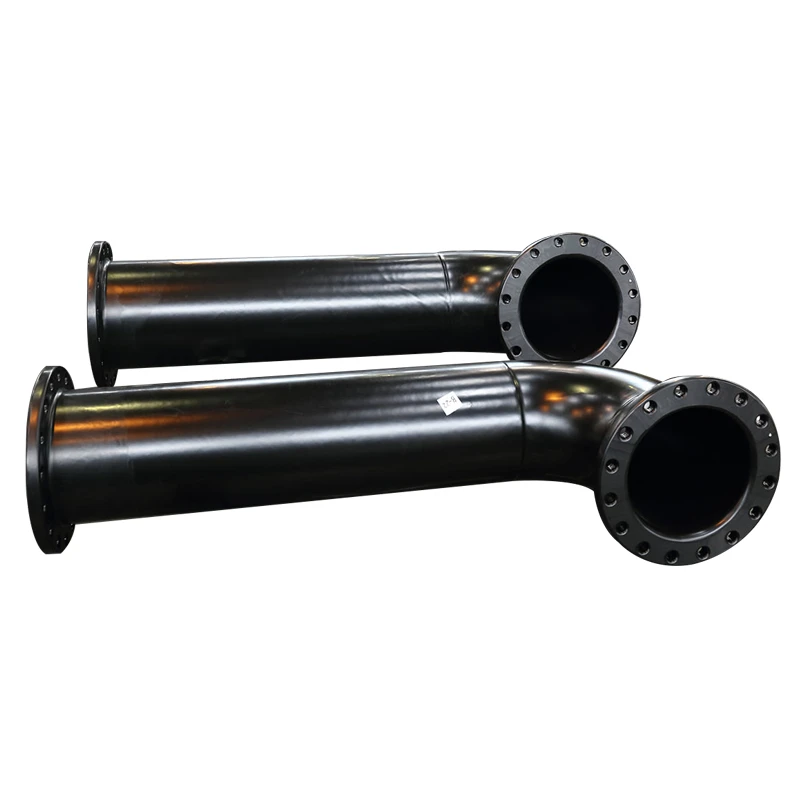
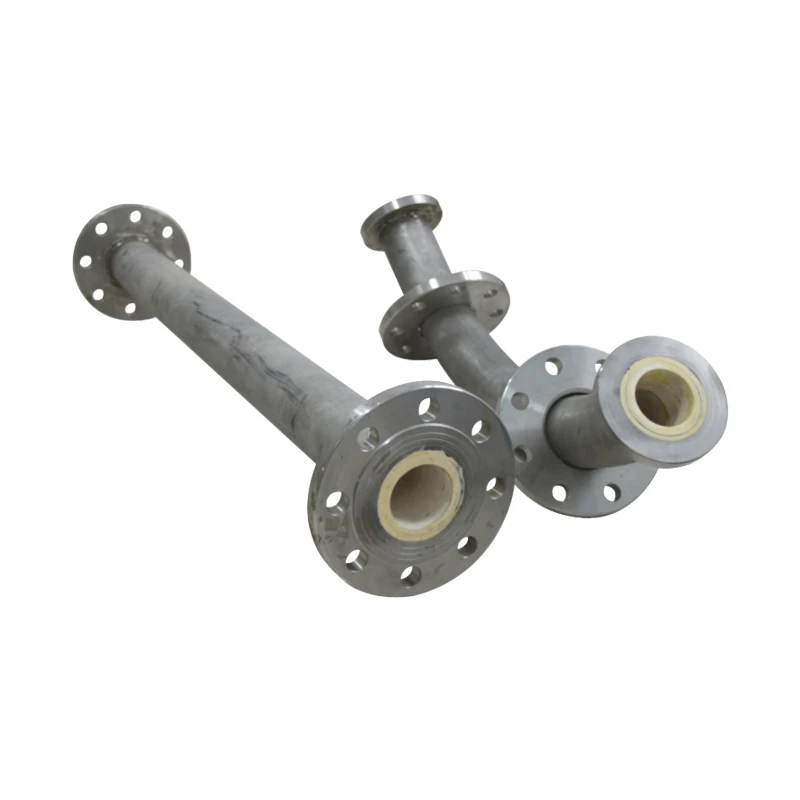
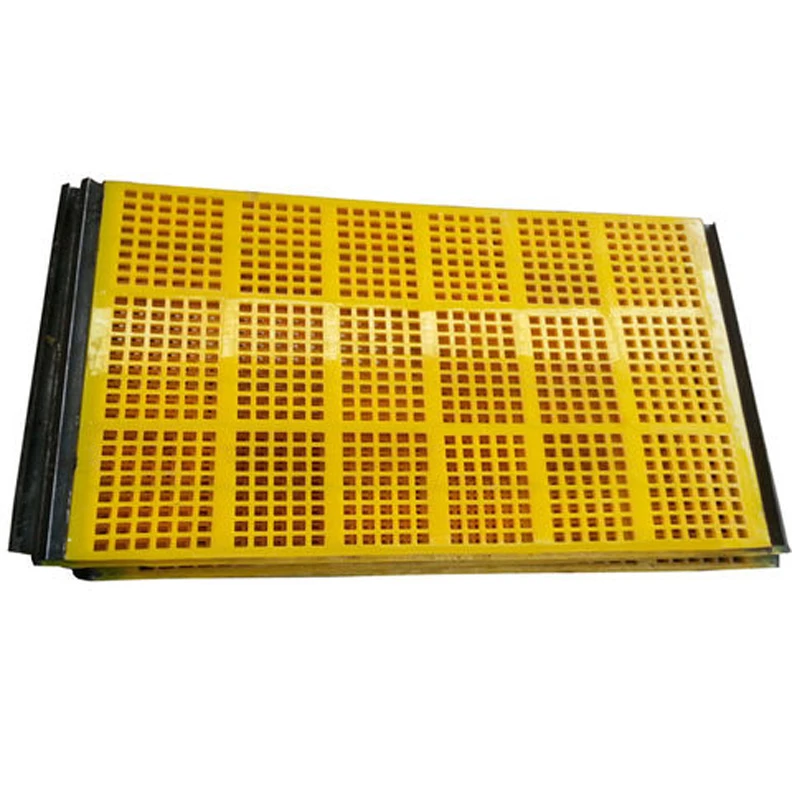
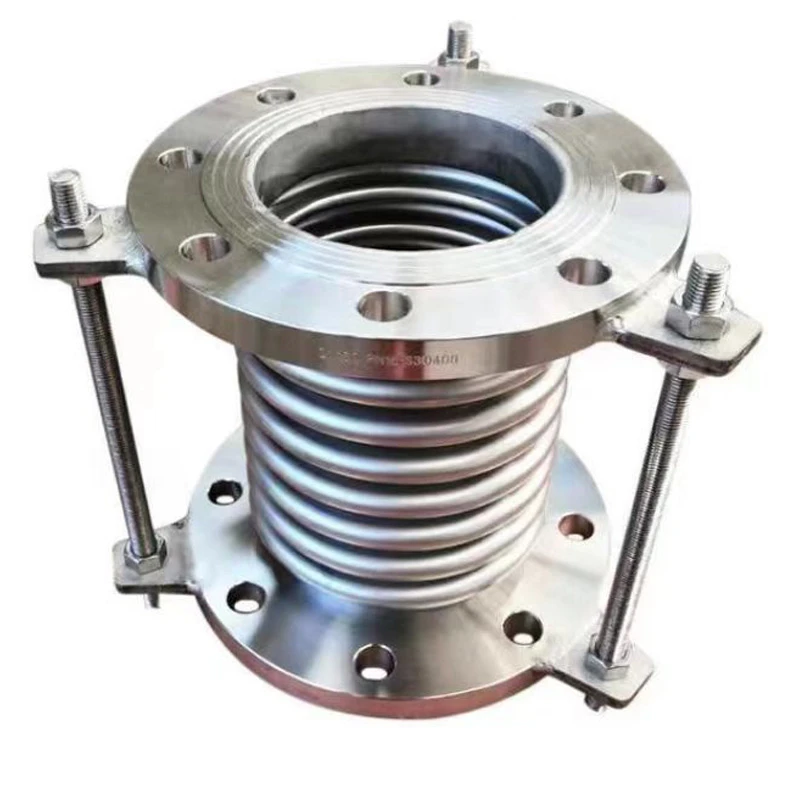
Our main products are polyurethane lined pipes, mining equipment fittings and metal hoses.