Rubber Lined Tank: Durable Chemical Storage Solutions for B2B Industries | QW Metal
Rubber Lined Tank is a key solution in the industry, specifically within sectors that demand chemical resistance and durability, such as mining, chemical processing, and wastewater treatment. This article explores how QW Metal supports professionals with durable, high-performance products, and explains why this product is an ideal choice for businesses in these sectors.
Table of Contents
- Rubber Lined Tank Overview
- Benefits & Use Cases of Rubber Lined Tank
- Cost, Maintenance & User Experience
- Sustainability & Market Trends
Rubber Lined Tank Overview
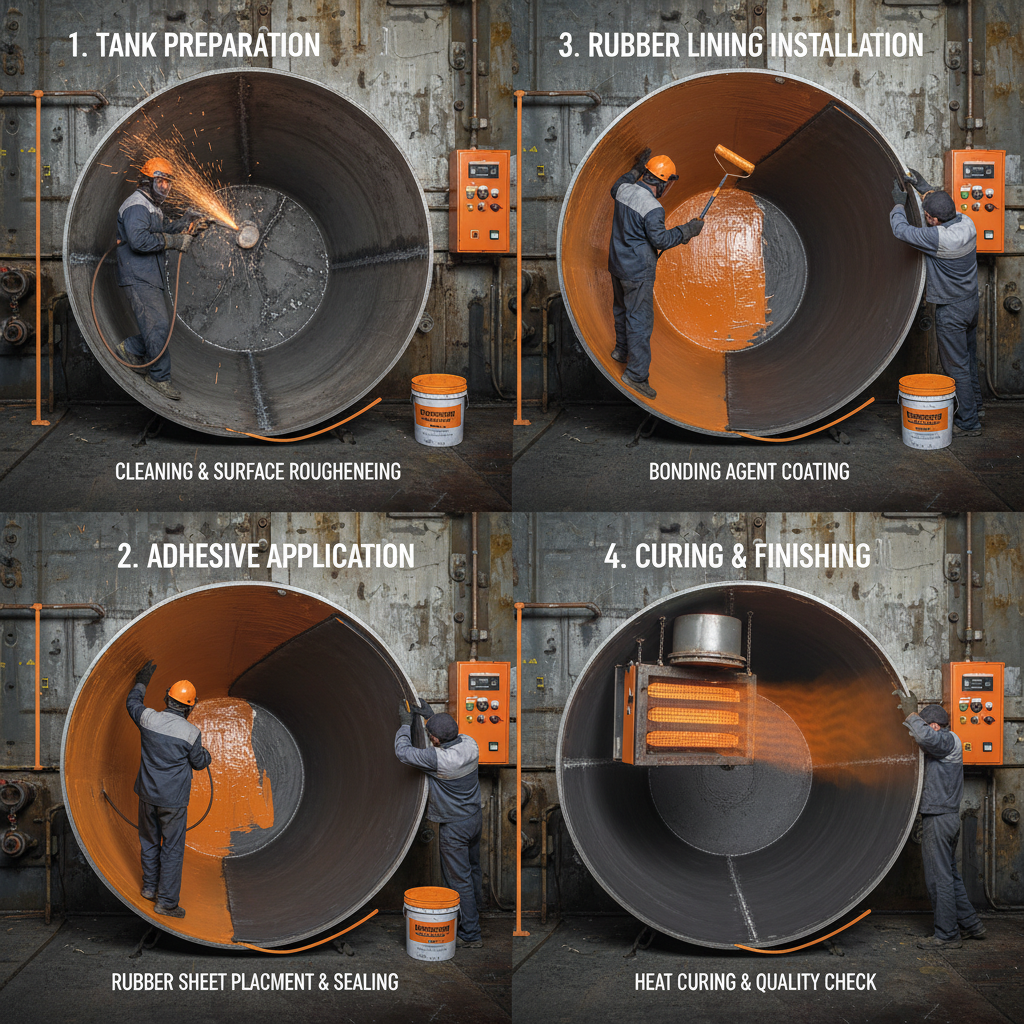
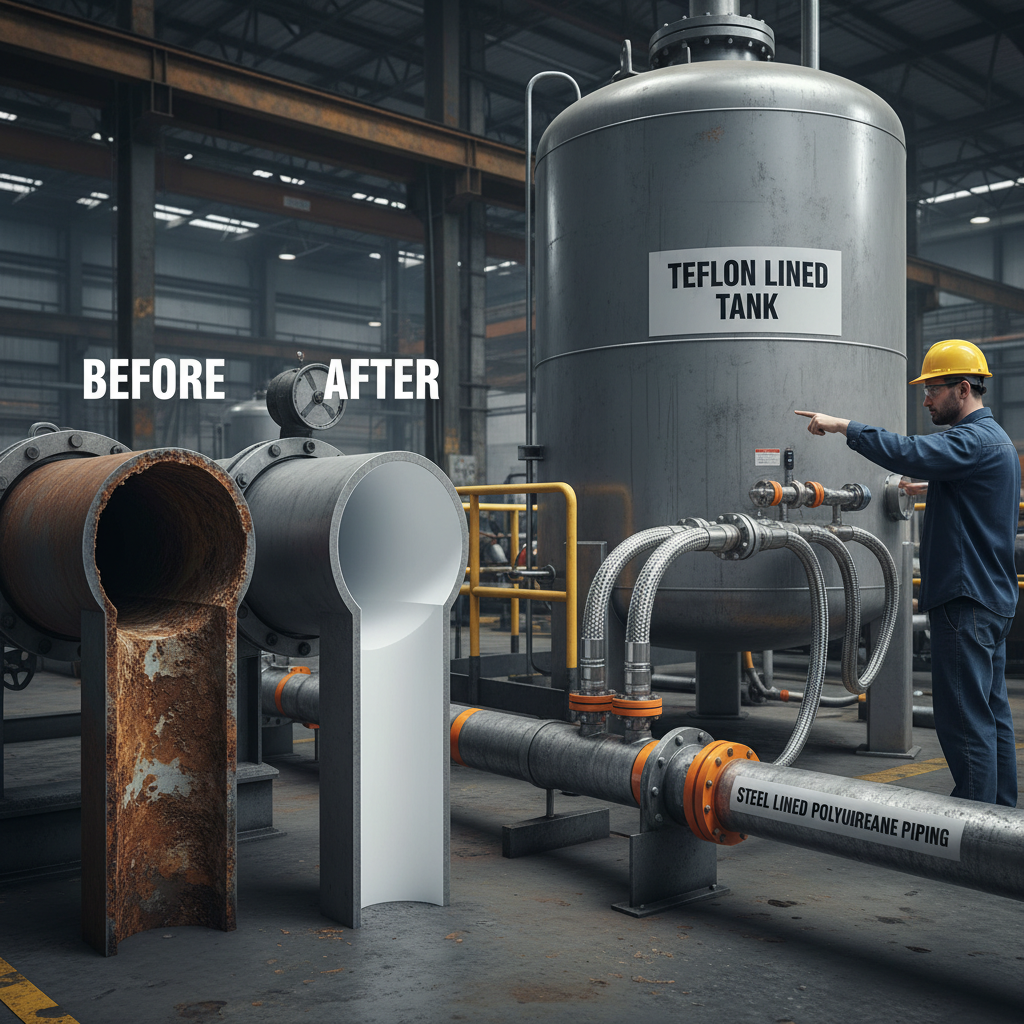
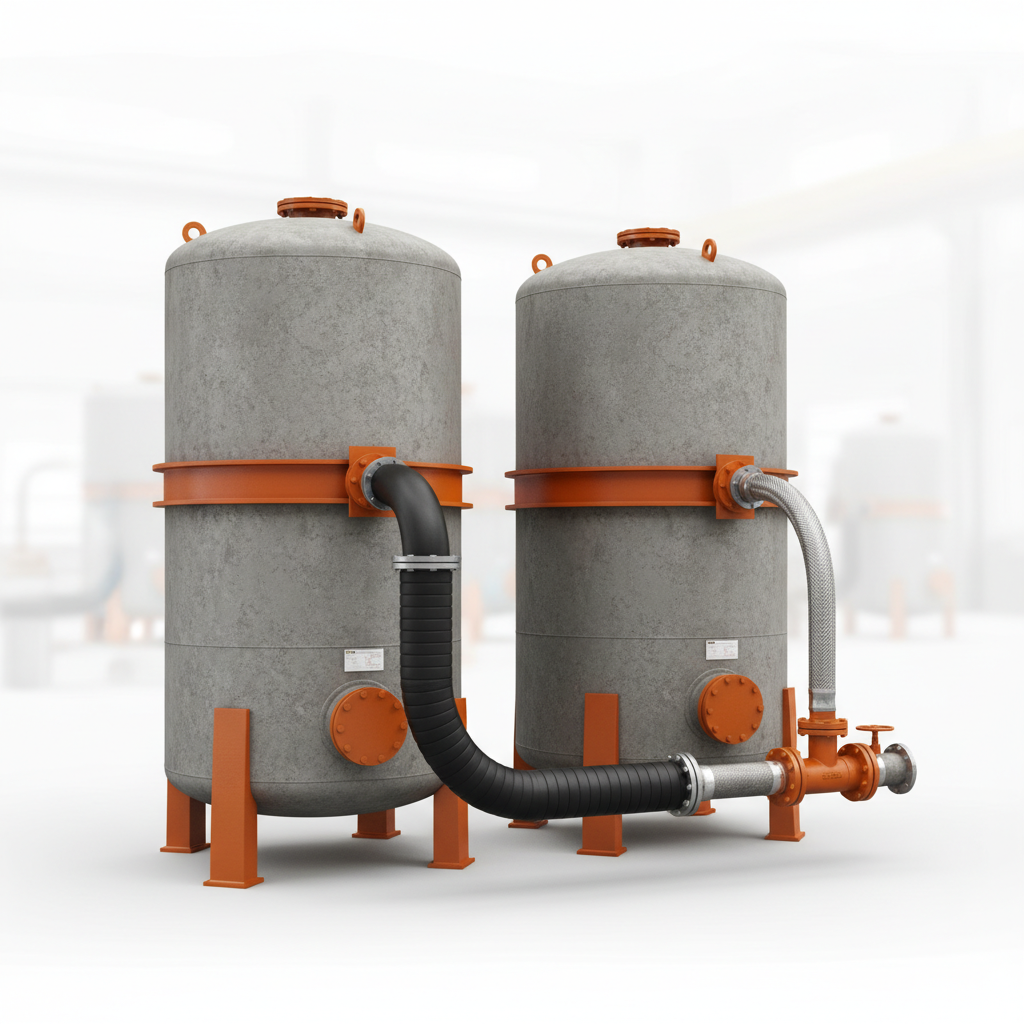
When you hear "Rubber Lined Tank," it sounds simple, but frankly, it’s a bit of an engineering marvel. These tanks are basically steel vessels with a thick layer of rubber lining inside. This lining acts like a barrier, protecting the steel from harsh chemicals, abrasion, and corrosion — problems that would otherwise wreak havoc quickly. It’s highly relevant wherever durability meets demanding environments, especially where liquids or slurries are stored or processed.
- Typically, the lining uses natural or synthetic rubber types like EPDM, neoprene, or nitrile, chosen for chemical resistance and elasticity.
- Specifications usually include thickness between 3-10 mm, tank volumes from 1 to 500 cubic meters, and testing protocols such as adhesion and integrity tests to ensure durability for up to 10+ years.
| Specification | Details |
|---|---|
| Tank Material | Carbon Steel, Stainless Steel |
| Rubber Lining | EPDM, Neoprene, Nitrile |
| Capacity | 1 m³ to 500 m³ |
| Thickness of Lining | 3 mm to 10 mm |
| Operating Temperature | -30°C to 80°C |
| Typical Lifespan | 10+ years with proper maintenance |
Benefits & Use Cases of Rubber Lined Tank
The real magic behind rubber lined tanks lies in their versatility. You find them everywhere—from chemical plants storing acids to pulp and paper mills handling abrasive slurries. Oddly enough, these tanks often outlast more exotic materials by simply combining the best of steel’s strength with rubber’s chemical resistance.
- Industries frequently using these tanks include mining, where abrasive mineral slurries eat away metal fast, and wastewater management, where corrosive effluents demand robust lining solutions.
- Benefits? They include improved chemical resistance that cuts down on leaks and corrosion, reduced downtime, and compatibility with a broad range of chemicals. When maintenance crews see these tanks, they often breathe easier—because replacements aren’t coming around anytime soon.
Cost, Maintenance & User Experience
From a financial standpoint, many decision-makers initially hesitate because of the upfront cost, which is admittedly higher than plain steel tanks. But in real terms, the total cost of ownership tells a different story: fewer repairs, longer lifespan, and less risk of contamination save money down the line.
- Routine maintenance usually involves periodic inspections and minor touch-ups to the rubber lining—nothing too complex if the installation meets high standards.
- Feedback from customers across mining and chemical sectors often highlights how the lining’s durability translates into fewer shutdowns. One mid-sized chemical processor mentioned a reduction in downtime by over 30% after switching to rubber lined tanks.
Sustainability & Market Trends
Sustainability is more than a buzzword—it’s reshaping how tanks are made and used. Rubber lined tanks contribute by extending service life and reducing material waste, which frankly, helps companies meet stricter environmental regulations worldwide. Plus, new eco-friendlier rubber compounds are emerging, promising performance without compromising green goals.
- The market is expanding, pushed by rising process industries in Asia-Pacific and regulatory pressure in Europe and North America.
Frequently Asked Questions about Rubber Lined Tank
- What is Rubber Lined Tank and how does it work?
- Simply put, a rubber lined tank is a steel tank with an inner rubber coating that protects the metal from corrosion and abrasion. The lining absorbs chemical attacks and physical wear, prolonging the tank's life in tough environments.
- What are the main benefits of using Rubber Lined Tank in industrial applications?
- The key benefits include exceptional chemical resistance, abrasion protection, reduced maintenance, and cost-effectiveness over the tank’s lifecycle. It’s especially useful for handling corrosive, aggressive substances safely.
- How does Rubber Lined Tank compare to traditional alternatives?
- Compared to pure metal tanks or fiberglass ones, rubber lined tanks often deliver better abrasion resistance while maintaining structural strength. They’re easier to repair and replace when needed, offering practical advantages on-site.
- What industries can benefit most from Rubber Lined Tank implementation?
- Mining, chemical processing, pulp and paper, wastewater treatment, and fertilizer manufacturing are prime sectors. Each faces harsh fluids where typical steel tanks would corrode rapidly without a reliable lining.
| Vendor | Material Quality | Customization Options | Lead Time | After-Sales Support |
|---|---|---|---|---|
| QW Metal | Premium-grade steel & rubber | Highly customizable tank size, lining type | 4-6 weeks | Industry-focused technical support |
| Competitor A | Standard quality materials | Limited sizes, fixed lining options | 6-8 weeks | Basic customer service |
| Competitor B | Good quality steel, mid-tier rubber | Moderate customization available | 5-7 weeks | Technical support with delay |
Conclusion on Rubber Lined Tank from china
To sum it up, a Rubber Lined Tank offers a smooth blend of durability, chemical resistance, and cost efficiency that’s hard to beat. If you’re navigating corrosive environments or abrasive materials, this kind of tank feels like a safe bet—not only protecting your processes but lowering your long-term expenses. For businesses planning an upgrade or new installation, I’d say it’s definitely worth exploring options available at QW Metal.
- Recap the value of Rubber Lined Tank.
- Visit our website: https://www.qwmetal.com
As I wrap this up, I can’t help but reflect on how even a seemingly straightforward product like a tank can hold so much engineering wisdom. If you want details or quotes for your project, digging into QW Metal’s offerings might just save you headaches later.
References:
1. Industry reports on chemical storage solutions (2023)
2. QW Metal product datasheets
3. Interviews with chemical engineering professionals, 2023
Related Products
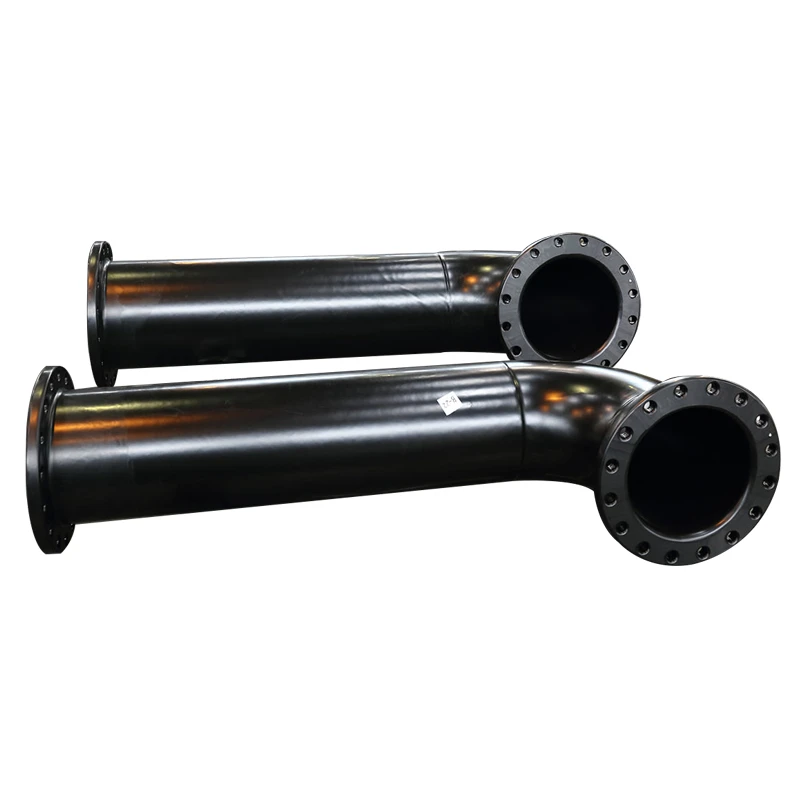
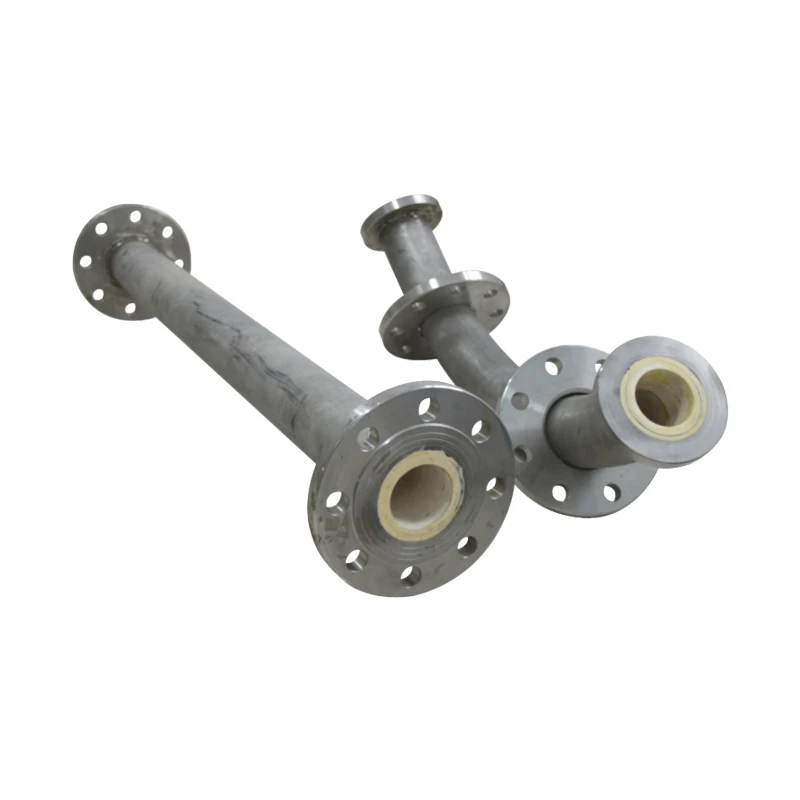
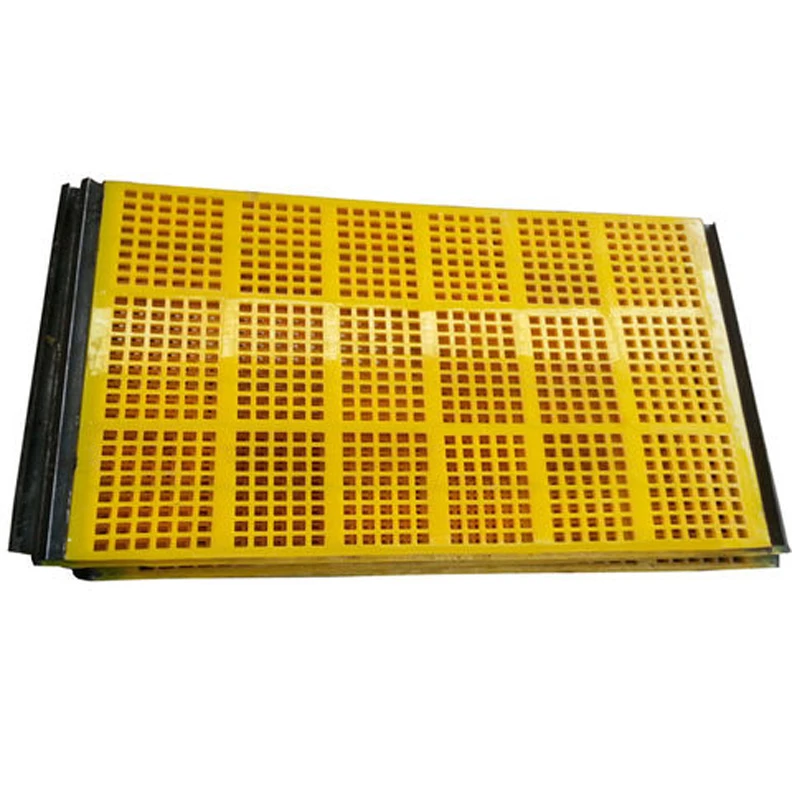
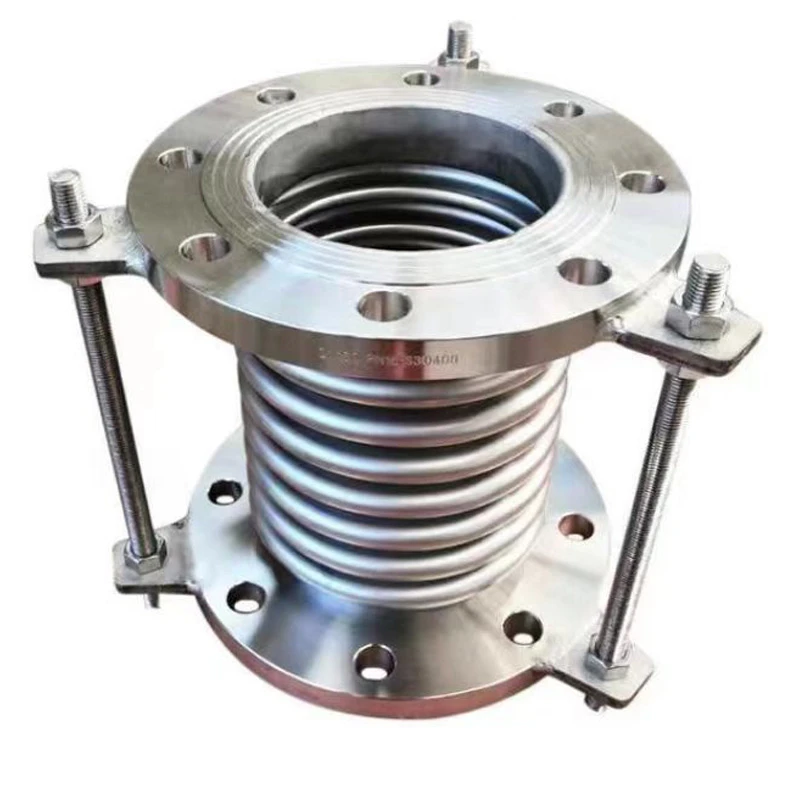
Our main products are polyurethane lined pipes, mining equipment fittings and metal hoses.