Premium Rubber Lined Tanks | Max Corrosion & Abrasion Protection
The Critical Role of Rubber Lined Tanks in Industrial Applications
In corrosive and abrasive industrial environments, the integrity of storage and processing vessels is paramount. A Rubber Lined Tank offers an indispensable solution, providing superior protection against chemical attack, erosion, and impact. These specialized tanks are engineered to extend the service life of critical infrastructure, safeguard product purity, and ensure operational safety across a multitude of heavy industries. By mitigating material degradation, they play a crucial role in reducing maintenance costs and preventing costly downtime.
Our comprehensive approach to design and manufacturing ensures that each tank meets stringent performance requirements, tailored to the specific demands of high-acid, high-alkaline, or abrasive slurry applications. This section delves into the intricate details of these robust vessels, from their meticulous manufacturing process to their diverse applications and technical advantages.
Industry Trends and Market Dynamics in Corrosion Protection
The global market for industrial corrosion protection, particularly for tanks and vessels, is experiencing robust growth, driven by increasing industrialization, stringent environmental regulations, and the rising demand for efficient material handling in aggressive process environments. Key trends include the adoption of advanced rubber compounds, enhanced bonding technologies, and predictive maintenance strategies. Industries such as petrochemicals, mining, wastewater treatment, and power generation are continuously seeking more durable and cost-effective solutions to manage highly corrosive media and abrasive slurries.
Technological advancements are focused on developing rubber lining materials with improved chemical resistance profiles, higher temperature ratings, and superior abrasion resistance. There is also a growing emphasis on sustainable manufacturing practices and the development of linings that comply with stricter environmental and health standards. The shift towards greater automation in the lining process and advanced non-destructive testing methods further enhances the reliability and longevity of corrosion protection systems, including the Rubber Lined Tank, ensuring optimal performance in the most challenging industrial settings.
Detailed Manufacturing Process Flow of a Rubber Lined Tank
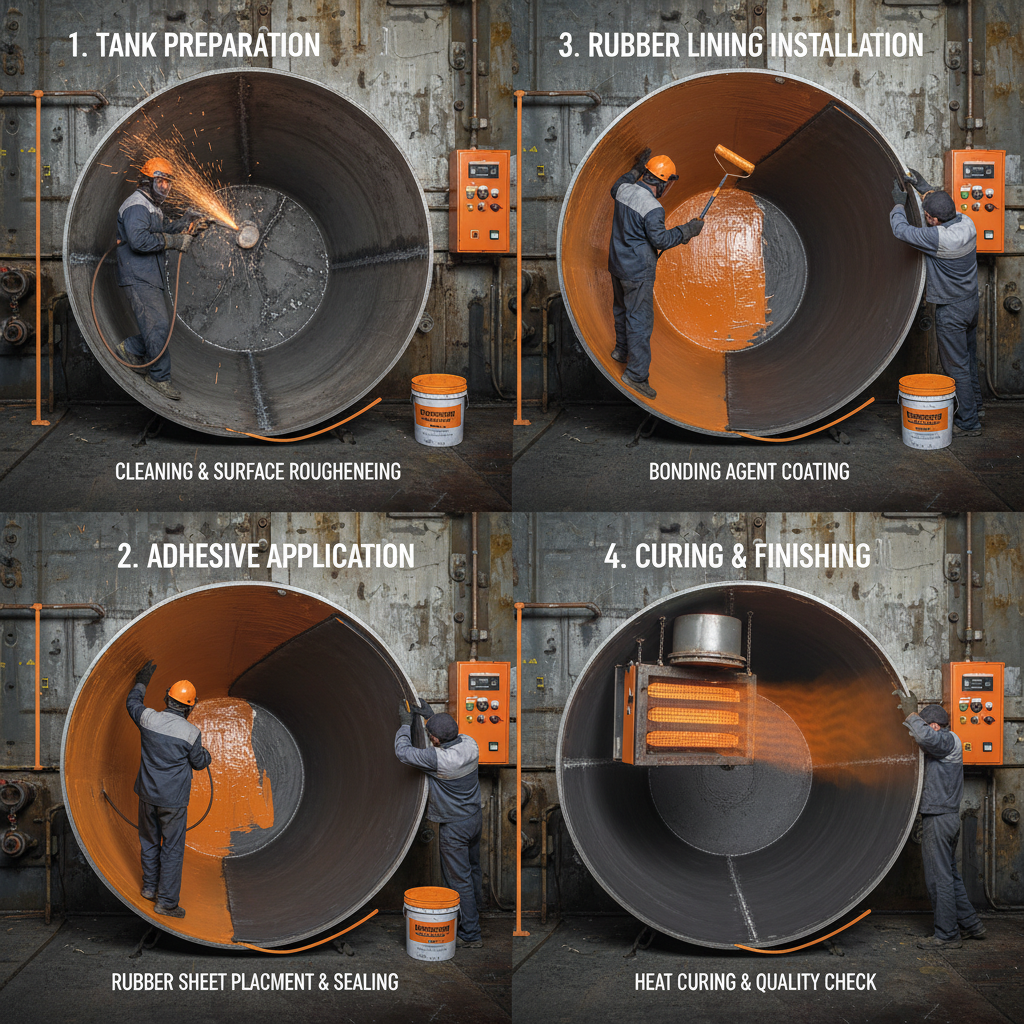
The production of a high-quality Rubber Lined Tank is a meticulous, multi-stage process that combines precision fabrication with specialized lining techniques. Adherence to international standards such as ISO 9001 for quality management and ANSI standards for vessel design and testing is critical at every step.
1. Tank Fabrication (Shell Construction)
- Material Selection: Typically, the tank shell is constructed from robust materials like carbon steel (e.g., SA-516 Grade 70, A36), stainless steel (e.g., 304, 316L), or specialty alloys, chosen based on structural requirements, external environment, and pressure ratings.
- Forming and Welding: Metal sheets are cut, rolled, and formed into the required vessel shape (cylindrical, rectangular, conical bottoms). Welding processes (e.g., MIG, TIG, Submerged Arc Welding) are employed, often under stringent ASME Boiler and Pressure Vessel Code (BPVC) guidelines, to ensure structural integrity.
- Nozzle and Fitting Integration: All inlets, outlets, manways, and instrument connections are precisely fabricated and welded into position.
- Non-Destructive Testing (NDT): Welds are thoroughly inspected using methods like radiographic testing (RT), ultrasonic testing (UT), magnetic particle testing (MT), or liquid penetrant testing (PT) to detect any flaws.
2. Surface Preparation
- Abrasive Blasting: The internal surface of the tank is grit-blasted to a near-white metal finish (e.g., SSPC-SP 10 / NACE No. 2), removing rust, scale, and contaminants, creating an optimal anchor profile for rubber adhesion.
- Cleaning and Degreasing: Post-blasting, the surface is meticulously cleaned to remove all dust, oils, and residues, ensuring a pristine base for bonding.
3. Adhesive Application & Rubber Lining
- Primer and Adhesive Coats: Multiple layers of specialized primers and adhesives are applied to the prepared metal surface. These bonding agents are crucial for forming a strong, durable bond between the steel and the rubber.
- Rubber Sheet Application: Pre-calendered rubber sheets (typically 3-6mm thick, but can be thicker for heavy-duty applications) are cut to size and carefully applied by skilled technicians. Overlapping seams are critical and are meticulously rolled to eliminate air pockets and ensure a continuous, impervious barrier. Different rubber compounds are chosen based on the chemical resistance required, such as natural rubber (for abrasion), butyl (for acids/alkalies), EPDM (for ozone/weathering), or neoprene (for oil/chemicals).
4. Curing (Vulcanization)
- Autoclave or Atmospheric Curing: Depending on the rubber type and tank size, the lined tank undergoes a curing process. This can be done in a large autoclave (steam vulcanization) under controlled temperature and pressure, or by atmospheric curing (for specific compounds), which cross-links the rubber polymers, giving the lining its final mechanical properties and chemical resistance.
5. Final Inspection and Testing
- Spark Testing: A high-voltage spark test is performed across the entire rubber-lined surface to detect any pinholes, thin spots, or breaches in the lining that could compromise its protective capabilities.
- Adhesion Testing: Samples or designated areas might undergo adhesion tests to verify the bond strength between the rubber and the tank substrate.
- Visual Inspection: A final thorough visual inspection confirms the quality of the lining, seam integrity, and overall finish.
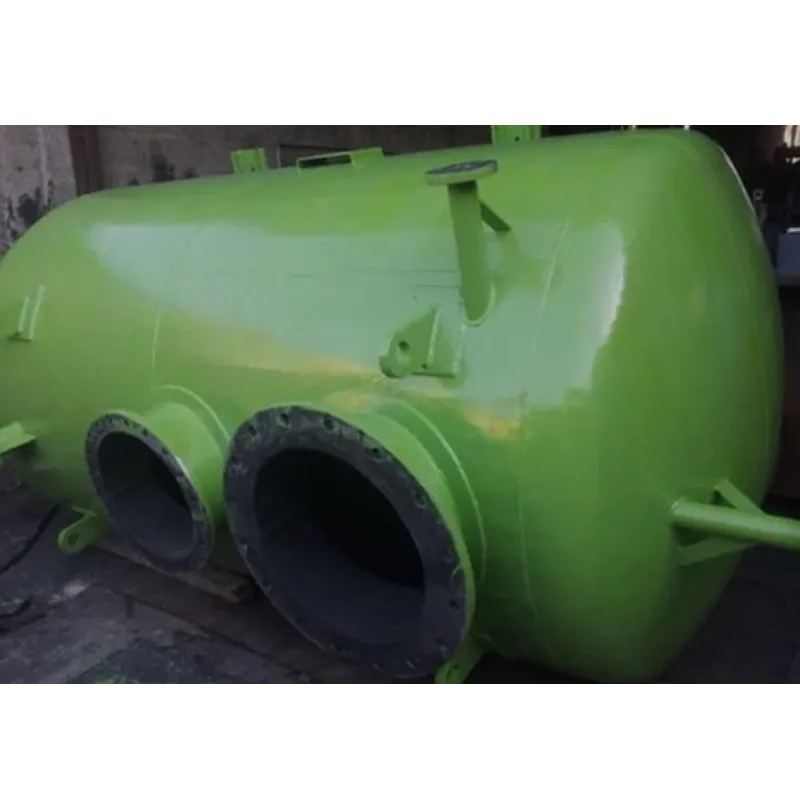
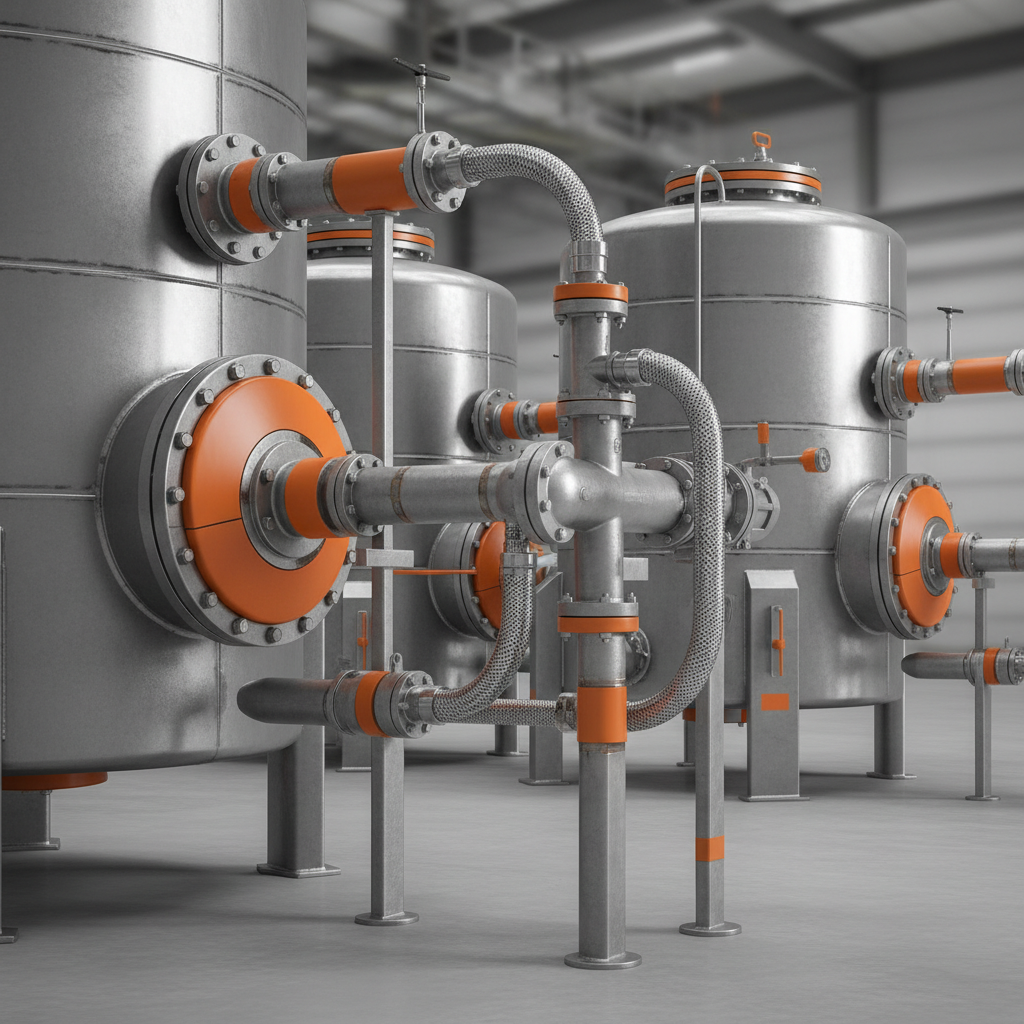
Schematic representation of a typical industrial Rubber Lined Tank construction.
The typical service life of a well-maintained Rubber Lined Tank can range from 10 to 20 years or more, depending on the severity of the operating conditions, chemical aggressiveness, and the quality of the initial installation and subsequent maintenance. Target industries include petrochemical, metallurgy, mining, power generation, wastewater treatment, and chemical processing, where energy saving through reduced corrosion and superior material handling are critical advantages.
Technical Specifications and Parameters for Rubber Lined Tanks
The performance and suitability of a Rubber Lined Tank are defined by a range of critical technical specifications. Understanding these parameters is essential for engineers and procurement specialists to ensure the selected tank meets the operational demands of their specific application. Key parameters include the base material of construction, the type and thickness of the rubber lining, design pressure and temperature, and volumetric capacity.
Typical Product Specifications
| Parameter | Standard Specification | Notes |
|---|---|---|
| Base Material | Carbon Steel (SA-516 Gr. 70, A36), Stainless Steel (304, 316L) | Selected based on structural needs and external conditions. |
| Lining Material | Natural Rubber (Soft/Hard), Butyl, EPDM, Neoprene, Hypalon (CSM) | Chosen for specific chemical resistance and temperature range. |
| Lining Thickness | 3mm - 12mm (0.125" - 0.5") | Varies with application, abrasiveness, and corrosion potential. |
| Design Pressure | Atmospheric to 20 bar (290 psi) or higher | Dependent on ASME code compliance and structural design. |
| Operating Temperature | -20°C to +100°C (-4°F to +212°F) | Specific to rubber compound; some compounds handle higher temps. |
| Volume Capacity | 1 m³ to 500 m³ (264 gal to 132,000 gal) and beyond | Customizable to process requirements. |
| Design Codes | ASME BPVC Section VIII, API 650, EN 13445 | Ensures safety and structural integrity. |
| Testing Standards | ASTM D429 (Adhesion), ASTM D412 (Tensile), Spark Test (High Voltage) | Verifies lining quality and bond strength. |
The selection of the appropriate rubber lining material is paramount. For instance, natural rubber offers excellent abrasion resistance but limited chemical resistance, making it ideal for slurry applications. Butyl rubber excels in handling strong acids and bases, while EPDM provides good resistance to ozone and weathering. Neoprene offers a balance of chemical and oil resistance. Hypalon (Chlorosulfonated Polyethylene - CSM) is known for its exceptional resistance to strong oxidizing acids and high temperatures. Understanding these nuanced material properties is crucial for long-term operational success.
Application Scenarios and Target Industries
Rubber Lined Tank systems are indispensable across a broad spectrum of industrial sectors, where they reliably manage corrosive chemicals, abrasive slurries, and high-purity process fluids. Their robust design and protective lining ensure operational continuity and safety in the most demanding environments.
- Petrochemical Industry: Used extensively for storing and processing acids (e.g., hydrochloric acid, sulfuric acid) used in refining and chemical synthesis. They protect against chemical attack, extending the life of storage tanks, scrubbers, and reactors.
- Metallurgy and Mining: Critical in mineral processing for handling aggressive leachates (e.g., cyanide solutions, acid sludges) and highly abrasive ore slurries. Tanks lined with natural rubber offer exceptional resistance to wear and tear in flotation cells, thickeners, and agitated leaching tanks, significantly reducing maintenance and replacement costs.
- Water Supply & Drainage / Wastewater Treatment: Employed in various stages of water purification and effluent treatment, where chemicals like chlorine, coagulants, and pH adjusters are used. They provide corrosion resistance for clarifiers, flocculation tanks, and storage vessels for chemical reagents, ensuring long-term infrastructure integrity.
- Chemical Processing: For the storage of a wide range of corrosive chemicals, including acids, alkalis, and solvents. Specific rubber types are selected to withstand the particular chemical compositions, maintaining product purity and preventing hazardous leaks.
- Power Generation: Utilized in flue gas desulfurization (FGD) systems to handle acidic byproducts and slurries, protecting against corrosion caused by sulfurous gases and highly reactive media.
In these scenarios, the advantages are clear: superior corrosion resistance dramatically reduces the need for frequent tank replacements, leading to significant energy saving in material production and transportation. The inherent abrasion resistance of rubber linings extends the operational life of equipment, ensuring sustained productivity even in harsh environments.
Technical Advantages of Rubber Lined Tanks
The strategic deployment of a Rubber Lined Tank offers a multitude of technical and economic advantages over unlined or conventionally coated vessels, particularly in chemically aggressive or mechanically abrasive industrial settings.
- Exceptional Corrosion Resistance: Rubber linings provide an impermeable barrier that protects the underlying metal substrate from a vast array of corrosive chemicals, including strong acids, bases, salts, and various organic compounds, significantly extending the tank's lifespan.
- Superior Abrasion Resistance: Especially with natural rubber linings, these tanks excel in handling abrasive slurries and solids. The elasticity of rubber absorbs the impact energy of particles, preventing wear and erosion that would rapidly degrade unprotected metal surfaces.
- Chemical Inertness: Specific rubber compounds are formulated to be chemically inert to particular media, preventing contamination of the stored product and maintaining its purity, which is crucial in chemical and pharmaceutical industries.
- Thermal Shock and Expansion Resistance: Rubber linings can accommodate thermal expansion and contraction better than rigid coatings, reducing the risk of cracking or delamination when operating temperatures fluctuate.
- Extended Service Life and Reduced Maintenance: By protecting the steel shell from degradation, rubber linings drastically extend the operational life of the tank, minimizing the need for costly repairs, replacements, and associated downtime, leading to substantial cost savings over the equipment's lifecycle.
- Environmental Protection and Safety: The integrity of a rubber lining prevents leaks and spills of hazardous materials, enhancing workplace safety and reducing environmental impact by containing dangerous substances effectively.
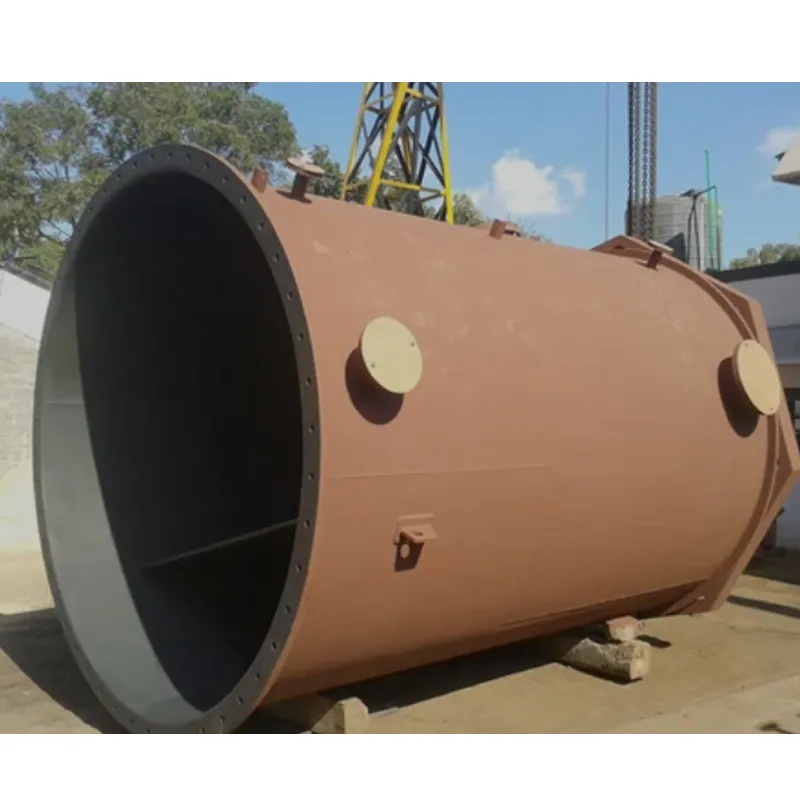
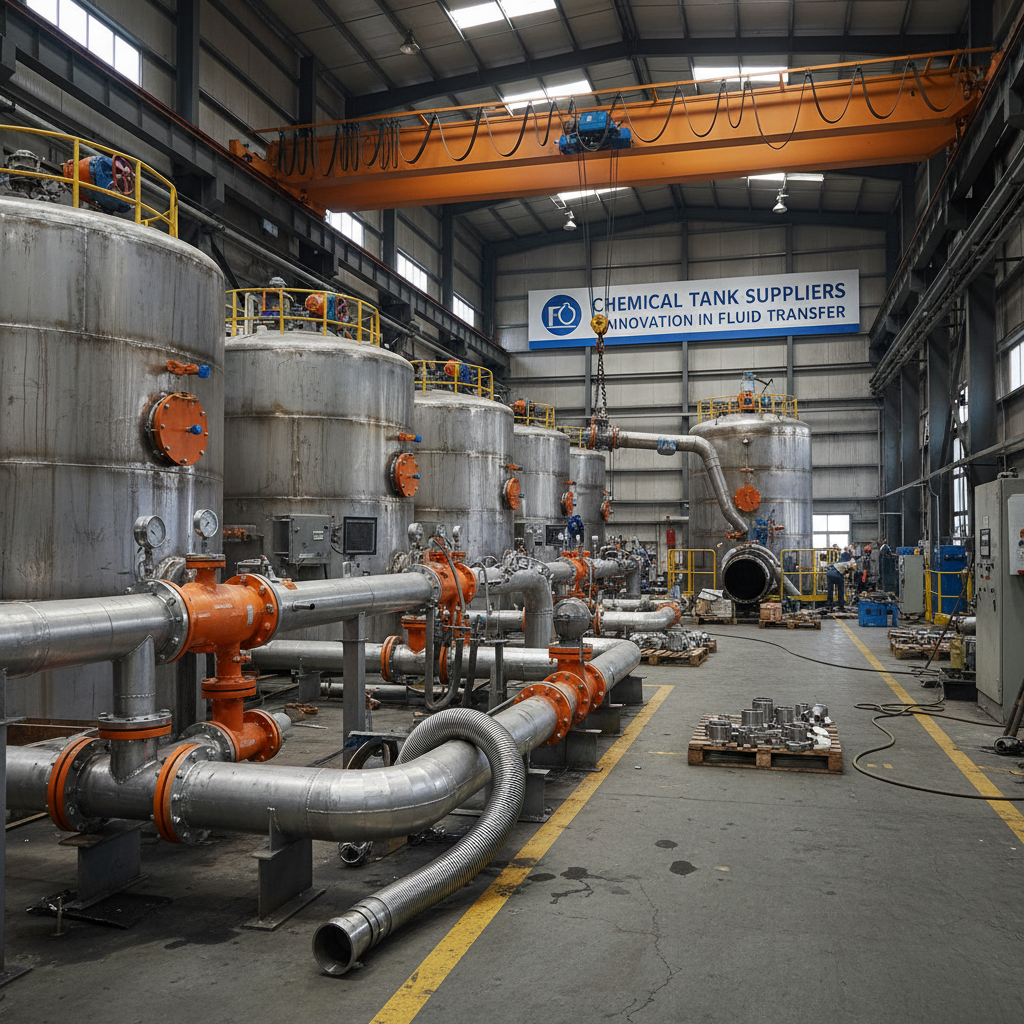
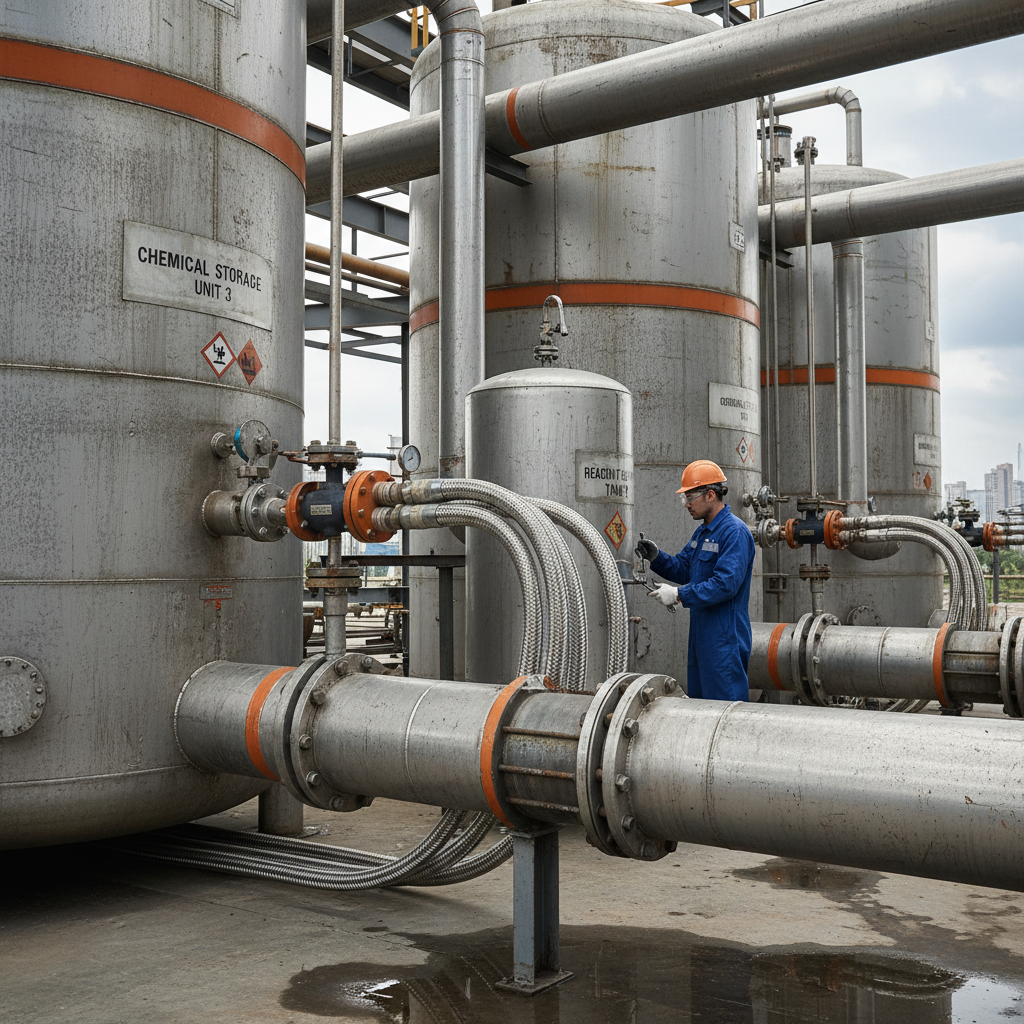
A robust Rubber Lined Tank awaiting deployment in a chemical processing facility.
Customized Solutions for Specialized Applications
Recognizing that no two industrial applications are exactly alike, we specialize in providing highly customized Rubber Lined Tank solutions. Our engineering team collaborates closely with clients to develop tanks that precisely meet unique operational parameters, chemical compatibility requirements, and spatial constraints.
Customization Options Include:
- Tank Geometry and Size: From small agitated mixing vessels to large-scale storage tanks, customization covers diameter, height, internal configurations (e.g., baffles, heating coils), and nozzle placements.
- Base Material Selection: Choice of carbon steel grades (e.g., A516 Gr 70 for pressure vessels), stainless steel (for external corrosion resistance or specific internal needs), or other alloys, optimized for structural integrity and cost-effectiveness.
- Rubber Lining Compound: Tailoring the rubber type (e.g., natural rubber for abrasion, butyl for chemical resistance, EPDM for elevated temperatures) and its durometer (hardness) to the specific chemical, temperature, and abrasive properties of the process fluid.
- Lining Thickness: Adjusting the lining thickness based on the anticipated wear, chemical aggressiveness, and required service life.
- Ancillary Features: Integration of specialized features such as internal agitators, level indicators, temperature sensors, heating/cooling jackets, and customized manways or access ports.
- External Coatings: Application of specific external paint systems or insulation to protect against environmental corrosion or maintain process temperatures.
Our deep understanding of material science and process engineering allows us to deliver optimized solutions that not only meet but exceed performance expectations, ensuring maximum operational efficiency and longevity for your investment.
Vendor Comparison: Selecting the Right Rubber Lined Tank Provider
Choosing a vendor for Rubber Lined Tank solutions requires careful consideration beyond just the initial cost. Critical factors include expertise, adherence to quality standards, customization capabilities, and post-sales support. A reliable vendor will not only supply a product but also offer comprehensive engineering support and a proven track record.
Key Comparison Factors:
| Feature/Criterion | Leading Vendor (e.g., QW Metal) | Typical Competitor |
|---|---|---|
| Engineering Expertise | Dedicated in-house team, 20+ years in B2B heavy industry, custom design proficiency. | Limited in-house, reliance on third-party consultants, standard designs. |
| Quality Certifications | ISO 9001:2015, ASME U/R Stamp, CE, PED, AD 2000 for specific applications. | Basic ISO, may lack specific industry/region standards. |
| Lining Material Range | Extensive: Natural, Butyl, EPDM, Neoprene, Hypalon (CSM), custom blends. | Limited to 2-3 common rubber types. |
| Warranty & Support | Comprehensive 2-5 year warranty, global field service, 24/7 technical support. | Standard 1-year warranty, limited regional support, office-hours only. |
| Lead Time (Avg.) | 8-16 weeks for custom projects (negotiable based on complexity). | 12-24 weeks, less flexibility. |
| Client Portfolio | Major players in Mining, Chemical, Petrochemical (e.g., Partnered with BASF, Rio Tinto, Suez). | Smaller regional clients, less diverse industry exposure. |
This comparison highlights that a vendor like QW Metal, with extensive experience and a commitment to quality and customization, offers a more robust and reliable partnership, minimizing long-term risks and maximizing the return on investment for critical infrastructure. Our adherence to international standards and a strong client portfolio underscore our authoritative position in the market.
Application Case Studies
Real-world applications demonstrate the tangible benefits and proven reliability of Rubber Lined Tank solutions in overcoming significant industrial challenges.
Case Study 1: Acid Storage in a Petrochemical Plant
- Challenge: A major petrochemical refinery required a durable solution for storing concentrated hydrochloric acid (32% HCl) at temperatures up to 60°C. Existing unlined steel tanks experienced rapid corrosion, leading to frequent maintenance and safety concerns.
- Solution: We supplied a 50 m³ carbon steel tank, internally lined with 6mm thick soft butyl rubber. Butyl rubber was chosen for its excellent resistance to concentrated inorganic acids and moderate temperatures. The lining was spark-tested to ensure pinhole-free integrity.
- Outcome: The Rubber Lined Tank has been in continuous operation for over 7 years without any signs of corrosion or leakage, significantly extending the service life compared to the previous tanks (1-2 years). This resulted in an estimated 80% reduction in maintenance costs and enhanced operational safety.
Case Study 2: Abrasive Slurry Handling in a Mining Operation
- Challenge: A large copper mine faced severe abrasion issues in their flotation cells and thickener tanks, handling highly abrasive ore slurries with quartz particles. Metal components suffered rapid wear, leading to high operational expenditure and throughput losses.
- Solution: Custom-designed agitation tanks, 100 m³ capacity each, were fabricated from carbon steel and internally lined with 10mm thick premium natural rubber. Natural rubber's superior elasticity and tear resistance were key to mitigating abrasive wear.
- Outcome: The natural Rubber Lined Tanks demonstrated exceptional performance, achieving a service life three times longer than previously used solutions. This led to a 60% reduction in liner replacement frequency and a substantial increase in plant uptime and productivity.
Quality Assurance, Certifications, and Authoritative Standards
Our commitment to delivering the highest quality Rubber Lined Tanks is underpinned by rigorous quality assurance protocols and adherence to global industry standards. We understand that product reliability is paramount for critical industrial applications.
- ISO 9001:2015 Certified: Our manufacturing processes are certified under ISO 9001:2015, ensuring a consistent and documented approach to quality management from design to delivery.
- ASME U & R Stamp Holders: For pressure vessel applications, our tanks can be designed and manufactured in accordance with ASME Boiler and Pressure Vessel Code (BPVC) Section VIII, Division 1, and certified with U and R stamps, demonstrating compliance with international pressure equipment safety standards.
- API 650 Compliance: For atmospheric storage tanks, we adhere to API 650 standards, ensuring robust design and construction for large-volume storage.
- DIN and EN Standards: Compliance with relevant European standards (e.g., DIN 28051 for rubber lining, EN 13445 for unfired pressure vessels) further ensures global applicability and quality.
- Material Traceability: All raw materials, including steel plates and rubber compounds, are sourced from reputable suppliers and subjected to stringent incoming inspection, with full traceability maintained throughout the manufacturing process.
- Third-Party Inspections: We welcome and facilitate third-party inspections and witness testing by client-appointed inspectors or independent certification bodies to provide an additional layer of assurance.
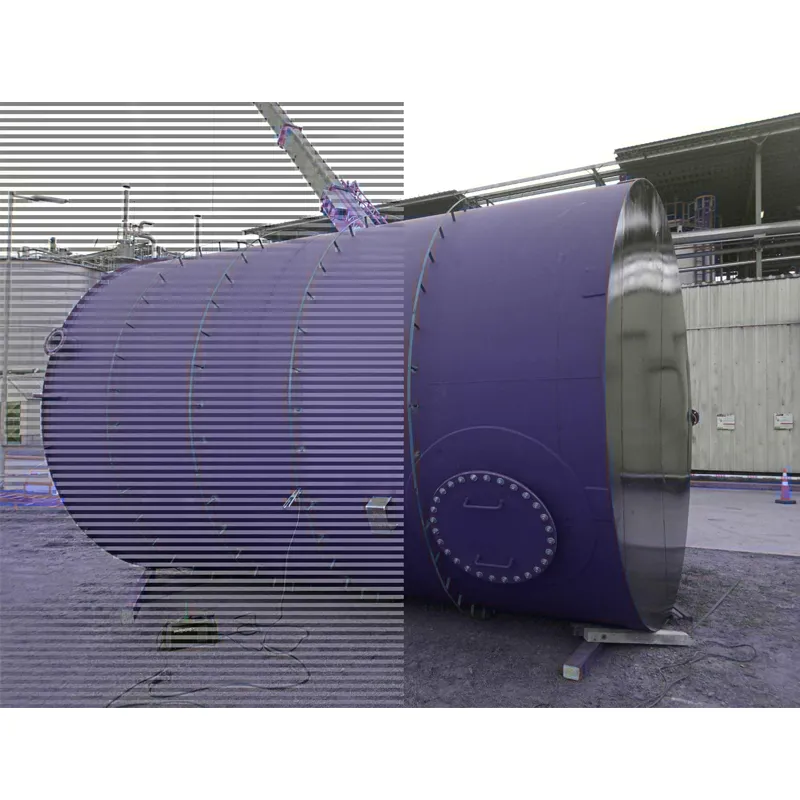
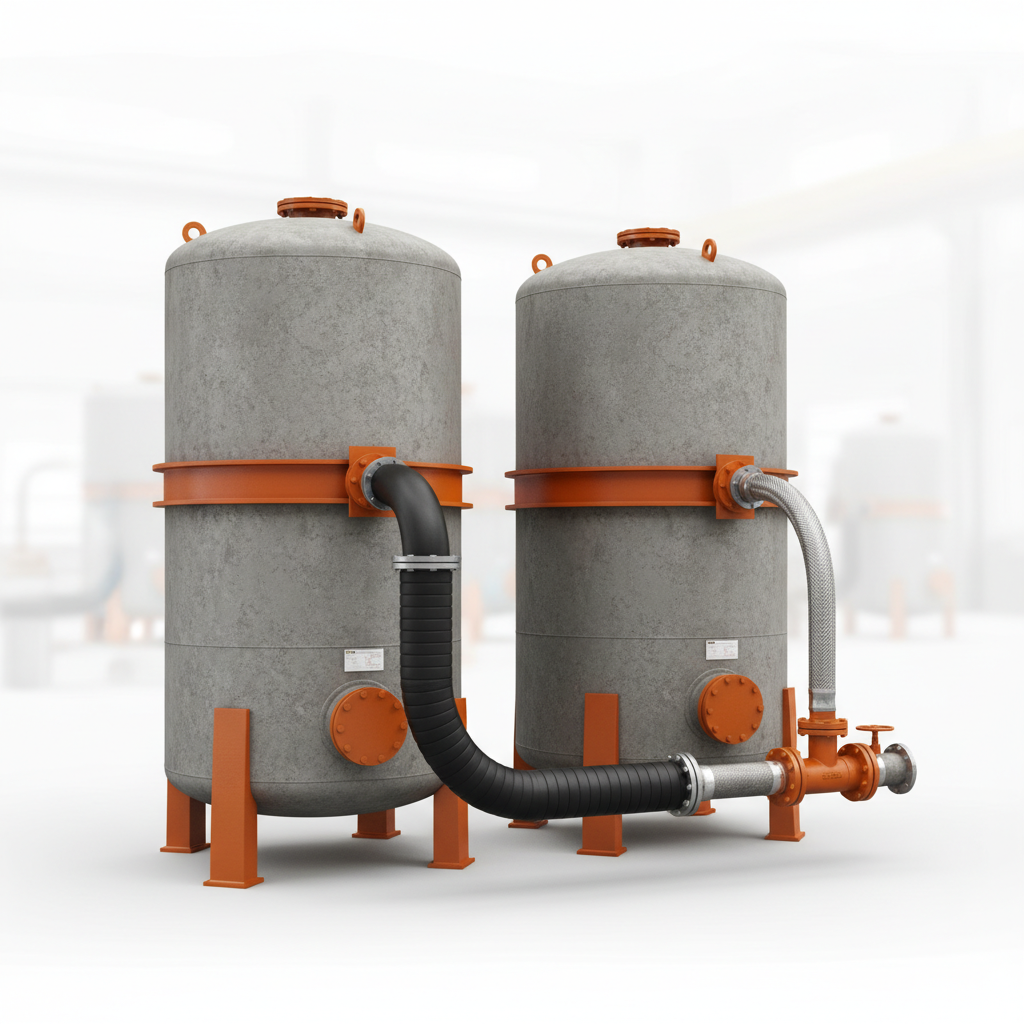
High-precision welding and fabrication are critical steps in building the foundation for a durable Rubber Lined Tank.
Trustworthiness: FAQ, Lead Time, Warranty & Support
Building trust with our B2B clients is fundamental. We provide transparent information regarding product specifics, delivery, and post-purchase support to ensure complete satisfaction and long-term partnerships.
Frequently Asked Questions (FAQ)
Q: What is the typical service life of a Rubber Lined Tank?
A: With proper design, material selection, and maintenance, a well-engineered rubber lined tank can have a service life of 10-20 years or even longer in many industrial applications, significantly outperforming unlined alternatives.
Q: How do you determine the best rubber lining material for my application?
A: Our engineering team conducts a thorough analysis of your process conditions, including chemical composition, temperature, pressure, and presence of abrasives. Based on this data, we recommend the optimal rubber compound (e.g., natural, butyl, EPDM) and thickness to ensure maximum protection and longevity.
Q: Can existing tanks be rubber lined or re-lined?
A: Yes, in many cases, existing steel tanks can be successfully rubber lined or re-lined, provided their structural integrity is sound. This process involves thorough surface preparation, including abrasive blasting, followed by the application of new lining. Our experts can assess your existing assets for suitability.
Lead Time and Fulfillment
Typical lead times for custom-fabricated and rubber-lined tanks range from 8 to 16 weeks, depending on the tank's size, complexity, material specifications, and current production schedule. Standard designs or smaller vessels may have shorter lead times. We provide detailed project timelines upon order confirmation and offer transparent communication throughout the manufacturing process, from design approval to final delivery. Our logistics team ensures secure and timely global shipping to your facility.
Warranty Commitments
We stand behind the quality and durability of our products. All our rubber-lined tanks come with a comprehensive warranty, typically ranging from 2 to 5 years, covering material defects and workmanship. Specific warranty terms will be provided with each project proposal, reflecting the unique application and design parameters. Our commitment extends to ensuring your operational peace of mind.
Customer Support and After-Sales Service
Our dedication to client success extends well beyond the delivery of your tank. We offer extensive after-sales support, including:
- Technical Assistance: Our team of engineers and material specialists is available to provide guidance on installation, operation, and maintenance.
- Field Service & Inspections: We offer on-site inspection services and can deploy skilled technicians for routine maintenance or emergency repairs of rubber linings.
- Replacement Parts: Availability of replacement parts for associated tank components.
- Training: Providing training for your operational and maintenance personnel to ensure optimal performance and longevity of the Rubber Lined Tank.
You can reach our dedicated support team via phone or email for prompt and professional assistance.
Conclusion
The Rubber Lined Tank represents a cornerstone of corrosion and abrasion protection in demanding industrial environments. Through meticulous design, precision manufacturing, and the application of advanced rubber compounds, these vessels offer an unparalleled combination of durability, chemical resistance, and extended service life. By investing in high-quality lined tanks, industries can significantly reduce operational costs, enhance safety, and ensure environmental compliance. Our commitment to expertise, experience, authoritativeness, and trustworthiness positions us as a premier partner for your critical process infrastructure needs.
References
- ASTM International. ASTM D429 - 14(2021) Standard Test Methods for Rubber Property—Adhesion to Rigid Substrates.
- ASME Boiler and Pressure Vessel Code (BPVC) Section VIII, Division 1 – Rules for Construction of Pressure Vessels.
- ISO 9001:2015 – Quality management systems — Requirements.
- NACE International. NACE SP0188-2008 – Discontinuity (Holiday) Testing of New Protective Coatings on Conductive Substrates.
- API 650 – Welded Tanks for Oil Storage.
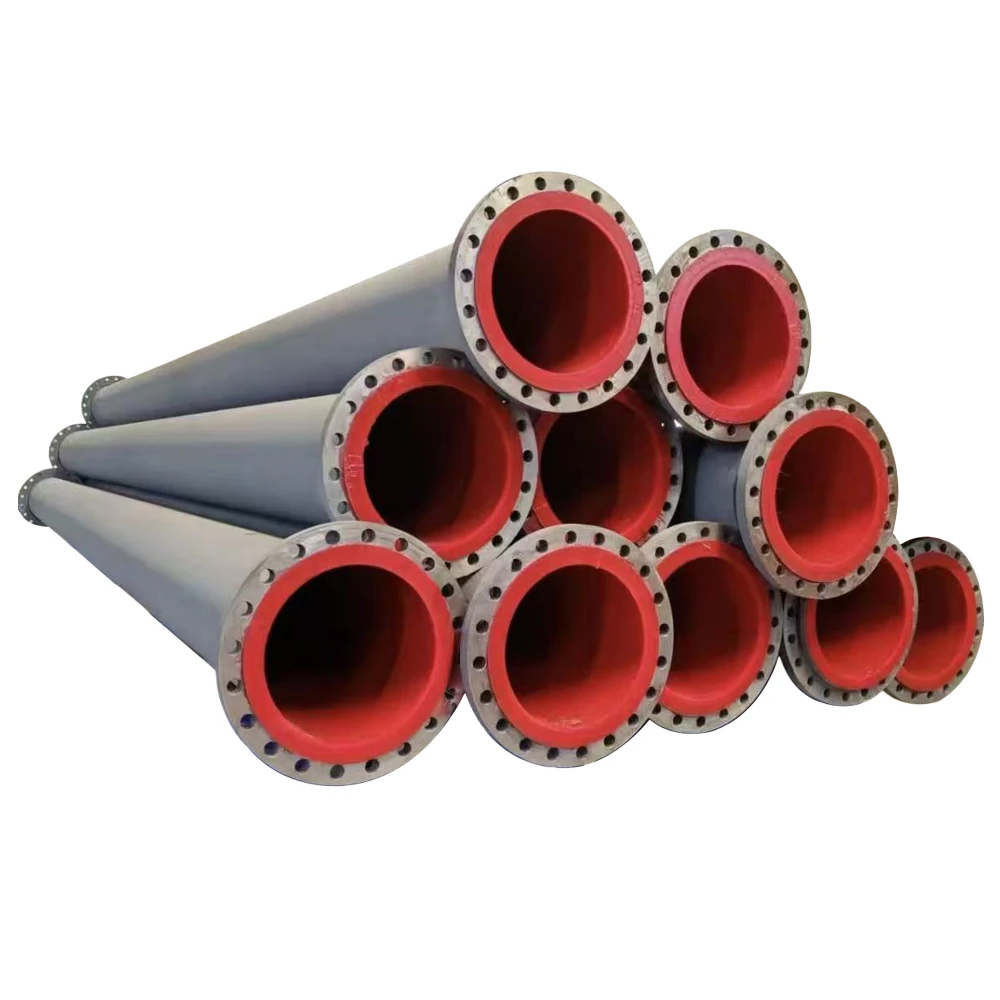
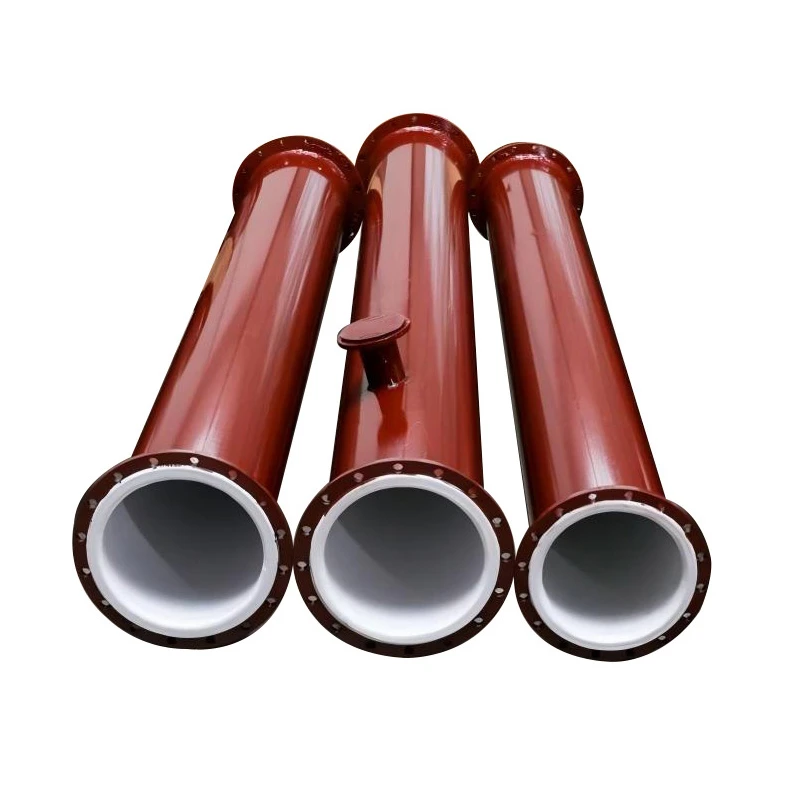
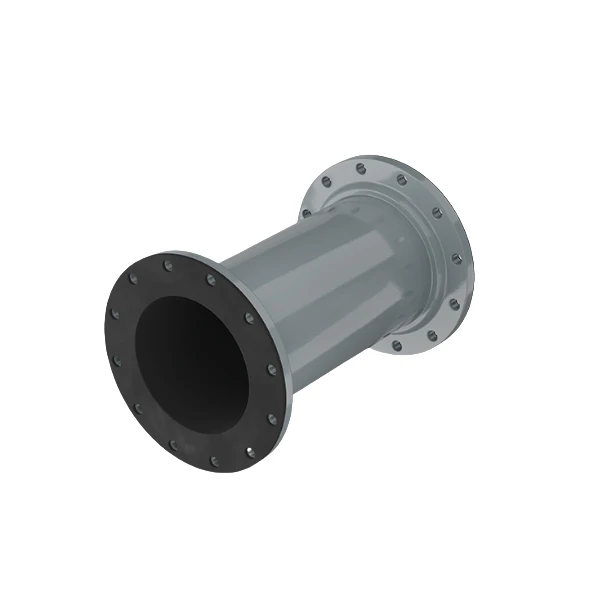
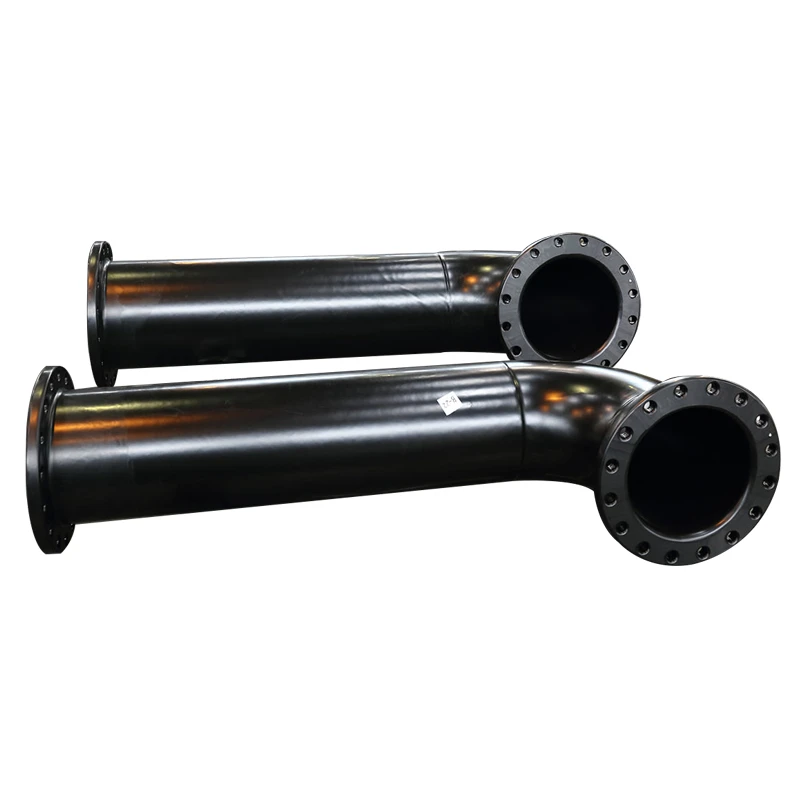
Premium Rubber Lined Tanks | Max Corrosion & Abrasion Protection
The Critical Role of Rubber Lined Tanks in Industrial Applications
In corrosive and abrasive industrial environments, the integrity of storage and processing vessels is paramount. A Rubber Lined Tank offers an indispensable solution, providing superior protection against chemical attack, erosion, and impact. These specialized tanks are engineered to extend the service life of critical infrastructure, safeguard product purity, and ensure operational safety across a multitude of heavy industries. By mitigating material degradation, they play a crucial role in reducing maintenance costs and preventing costly downtime.
Our comprehensive approach to design and manufacturing ensures that each tank meets stringent performance requirements, tailored to the specific demands of high-acid, high-alkaline, or abrasive slurry applications. This section delves into the intricate details of these robust vessels, from their meticulous manufacturing process to their diverse applications and technical advantages.
Industry Trends and Market Dynamics in Corrosion Protection
The global market for industrial corrosion protection, particularly for tanks and vessels, is experiencing robust growth, driven by increasing industrialization, stringent environmental regulations, and the rising demand for efficient material handling in aggressive process environments. Key trends include the adoption of advanced rubber compounds, enhanced bonding technologies, and predictive maintenance strategies. Industries such as petrochemicals, mining, wastewater treatment, and power generation are continuously seeking more durable and cost-effective solutions to manage highly corrosive media and abrasive slurries.
Technological advancements are focused on developing rubber lining materials with improved chemical resistance profiles, higher temperature ratings, and superior abrasion resistance. There is also a growing emphasis on sustainable manufacturing practices and the development of linings that comply with stricter environmental and health standards. The shift towards greater automation in the lining process and advanced non-destructive testing methods further enhances the reliability and longevity of corrosion protection systems, including the Rubber Lined Tank, ensuring optimal performance in the most challenging industrial settings.
Detailed Manufacturing Process Flow of a Rubber Lined Tank
The production of a high-quality Rubber Lined Tank is a meticulous, multi-stage process that combines precision fabrication with specialized lining techniques. Adherence to international standards such as ISO 9001 for quality management and ANSI standards for vessel design and testing is critical at every step.
1. Tank Fabrication (Shell Construction)
- Material Selection: Typically, the tank shell is constructed from robust materials like carbon steel (e.g., SA-516 Grade 70, A36), stainless steel (e.g., 304, 316L), or specialty alloys, chosen based on structural requirements, external environment, and pressure ratings.
- Forming and Welding: Metal sheets are cut, rolled, and formed into the required vessel shape (cylindrical, rectangular, conical bottoms). Welding processes (e.g., MIG, TIG, Submerged Arc Welding) are employed, often under stringent ASME Boiler and Pressure Vessel Code (BPVC) guidelines, to ensure structural integrity.
- Nozzle and Fitting Integration: All inlets, outlets, manways, and instrument connections are precisely fabricated and welded into position.
- Non-Destructive Testing (NDT): Welds are thoroughly inspected using methods like radiographic testing (RT), ultrasonic testing (UT), magnetic particle testing (MT), or liquid penetrant testing (PT) to detect any flaws.
2. Surface Preparation
- Abrasive Blasting: The internal surface of the tank is grit-blasted to a near-white metal finish (e.g., SSPC-SP 10 / NACE No. 2), removing rust, scale, and contaminants, creating an optimal anchor profile for rubber adhesion.
- Cleaning and Degreasing: Post-blasting, the surface is meticulously cleaned to remove all dust, oils, and residues, ensuring a pristine base for bonding.
3. Adhesive Application & Rubber Lining
- Primer and Adhesive Coats: Multiple layers of specialized primers and adhesives are applied to the prepared metal surface. These bonding agents are crucial for forming a strong, durable bond between the steel and the rubber.
- Rubber Sheet Application: Pre-calendered rubber sheets (typically 3-6mm thick, but can be thicker for heavy-duty applications) are cut to size and carefully applied by skilled technicians. Overlapping seams are critical and are meticulously rolled to eliminate air pockets and ensure a continuous, impervious barrier. Different rubber compounds are chosen based on the chemical resistance required, such as natural rubber (for abrasion), butyl (for acids/alkalies), EPDM (for ozone/weathering), or neoprene (for oil/chemicals).
4. Curing (Vulcanization)
- Autoclave or Atmospheric Curing: Depending on the rubber type and tank size, the lined tank undergoes a curing process. This can be done in a large autoclave (steam vulcanization) under controlled temperature and pressure, or by atmospheric curing (for specific compounds), which cross-links the rubber polymers, giving the lining its final mechanical properties and chemical resistance.
5. Final Inspection and Testing
- Spark Testing: A high-voltage spark test is performed across the entire rubber-lined surface to detect any pinholes, thin spots, or breaches in the lining that could compromise its protective capabilities.
- Adhesion Testing: Samples or designated areas might undergo adhesion tests to verify the bond strength between the rubber and the tank substrate.
- Visual Inspection: A final thorough visual inspection confirms the quality of the lining, seam integrity, and overall finish.
Schematic representation of a typical industrial Rubber Lined Tank construction.
The typical service life of a well-maintained Rubber Lined Tank can range from 10 to 20 years or more, depending on the severity of the operating conditions, chemical aggressiveness, and the quality of the initial installation and subsequent maintenance. Target industries include petrochemical, metallurgy, mining, power generation, wastewater treatment, and chemical processing, where energy saving through reduced corrosion and superior material handling are critical advantages.
Technical Specifications and Parameters for Rubber Lined Tanks
The performance and suitability of a Rubber Lined Tank are defined by a range of critical technical specifications. Understanding these parameters is essential for engineers and procurement specialists to ensure the selected tank meets the operational demands of their specific application. Key parameters include the base material of construction, the type and thickness of the rubber lining, design pressure and temperature, and volumetric capacity.
Typical Product Specifications
| Parameter | Standard Specification | Notes |
|---|---|---|
| Base Material | Carbon Steel (SA-516 Gr. 70, A36), Stainless Steel (304, 316L) | Selected based on structural needs and external conditions. |
| Lining Material | Natural Rubber (Soft/Hard), Butyl, EPDM, Neoprene, Hypalon (CSM) | Chosen for specific chemical resistance and temperature range. |
| Lining Thickness | 3mm - 12mm (0.125" - 0.5") | Varies with application, abrasiveness, and corrosion potential. |
| Design Pressure | Atmospheric to 20 bar (290 psi) or higher | Dependent on ASME code compliance and structural design. |
| Operating Temperature | -20°C to +100°C (-4°F to +212°F) | Specific to rubber compound; some compounds handle higher temps. |
| Volume Capacity | 1 m³ to 500 m³ (264 gal to 132,000 gal) and beyond | Customizable to process requirements. |
| Design Codes | ASME BPVC Section VIII, API 650, EN 13445 | Ensures safety and structural integrity. |
| Testing Standards | ASTM D429 (Adhesion), ASTM D412 (Tensile), Spark Test (High Voltage) | Verifies lining quality and bond strength. |
The selection of the appropriate rubber lining material is paramount. For instance, natural rubber offers excellent abrasion resistance but limited chemical resistance, making it ideal for slurry applications. Butyl rubber excels in handling strong acids and bases, while EPDM provides good resistance to ozone and weathering. Neoprene offers a balance of chemical and oil resistance. Hypalon (Chlorosulfonated Polyethylene - CSM) is known for its exceptional resistance to strong oxidizing acids and high temperatures. Understanding these nuanced material properties is crucial for long-term operational success.
Application Scenarios and Target Industries
Rubber Lined Tank systems are indispensable across a broad spectrum of industrial sectors, where they reliably manage corrosive chemicals, abrasive slurries, and high-purity process fluids. Their robust design and protective lining ensure operational continuity and safety in the most demanding environments.
- Petrochemical Industry: Used extensively for storing and processing acids (e.g., hydrochloric acid, sulfuric acid) used in refining and chemical synthesis. They protect against chemical attack, extending the life of storage tanks, scrubbers, and reactors.
- Metallurgy and Mining: Critical in mineral processing for handling aggressive leachates (e.g., cyanide solutions, acid sludges) and highly abrasive ore slurries. Tanks lined with natural rubber offer exceptional resistance to wear and tear in flotation cells, thickeners, and agitated leaching tanks, significantly reducing maintenance and replacement costs.
- Water Supply & Drainage / Wastewater Treatment: Employed in various stages of water purification and effluent treatment, where chemicals like chlorine, coagulants, and pH adjusters are used. They provide corrosion resistance for clarifiers, flocculation tanks, and storage vessels for chemical reagents, ensuring long-term infrastructure integrity.
- Chemical Processing: For the storage of a wide range of corrosive chemicals, including acids, alkalis, and solvents. Specific rubber types are selected to withstand the particular chemical compositions, maintaining product purity and preventing hazardous leaks.
- Power Generation: Utilized in flue gas desulfurization (FGD) systems to handle acidic byproducts and slurries, protecting against corrosion caused by sulfurous gases and highly reactive media.
In these scenarios, the advantages are clear: superior corrosion resistance dramatically reduces the need for frequent tank replacements, leading to significant energy saving in material production and transportation. The inherent abrasion resistance of rubber linings extends the operational life of equipment, ensuring sustained productivity even in harsh environments.
Technical Advantages of Rubber Lined Tanks
The strategic deployment of a Rubber Lined Tank offers a multitude of technical and economic advantages over unlined or conventionally coated vessels, particularly in chemically aggressive or mechanically abrasive industrial settings.
- Exceptional Corrosion Resistance: Rubber linings provide an impermeable barrier that protects the underlying metal substrate from a vast array of corrosive chemicals, including strong acids, bases, salts, and various organic compounds, significantly extending the tank's lifespan.
- Superior Abrasion Resistance: Especially with natural rubber linings, these tanks excel in handling abrasive slurries and solids. The elasticity of rubber absorbs the impact energy of particles, preventing wear and erosion that would rapidly degrade unprotected metal surfaces.
- Chemical Inertness: Specific rubber compounds are formulated to be chemically inert to particular media, preventing contamination of the stored product and maintaining its purity, which is crucial in chemical and pharmaceutical industries.
- Thermal Shock and Expansion Resistance: Rubber linings can accommodate thermal expansion and contraction better than rigid coatings, reducing the risk of cracking or delamination when operating temperatures fluctuate.
- Extended Service Life and Reduced Maintenance: By protecting the steel shell from degradation, rubber linings drastically extend the operational life of the tank, minimizing the need for costly repairs, replacements, and associated downtime, leading to substantial cost savings over the equipment's lifecycle.
- Environmental Protection and Safety: The integrity of a rubber lining prevents leaks and spills of hazardous materials, enhancing workplace safety and reducing environmental impact by containing dangerous substances effectively.
A robust Rubber Lined Tank awaiting deployment in a chemical processing facility.
Customized Solutions for Specialized Applications
Recognizing that no two industrial applications are exactly alike, we specialize in providing highly customized Rubber Lined Tank solutions. Our engineering team collaborates closely with clients to develop tanks that precisely meet unique operational parameters, chemical compatibility requirements, and spatial constraints.
Customization Options Include:
- Tank Geometry and Size: From small agitated mixing vessels to large-scale storage tanks, customization covers diameter, height, internal configurations (e.g., baffles, heating coils), and nozzle placements.
- Base Material Selection: Choice of carbon steel grades (e.g., A516 Gr 70 for pressure vessels), stainless steel (for external corrosion resistance or specific internal needs), or other alloys, optimized for structural integrity and cost-effectiveness.
- Rubber Lining Compound: Tailoring the rubber type (e.g., natural rubber for abrasion, butyl for chemical resistance, EPDM for elevated temperatures) and its durometer (hardness) to the specific chemical, temperature, and abrasive properties of the process fluid.
- Lining Thickness: Adjusting the lining thickness based on the anticipated wear, chemical aggressiveness, and required service life.
- Ancillary Features: Integration of specialized features such as internal agitators, level indicators, temperature sensors, heating/cooling jackets, and customized manways or access ports.
- External Coatings: Application of specific external paint systems or insulation to protect against environmental corrosion or maintain process temperatures.
Our deep understanding of material science and process engineering allows us to deliver optimized solutions that not only meet but exceed performance expectations, ensuring maximum operational efficiency and longevity for your investment.
Vendor Comparison: Selecting the Right Rubber Lined Tank Provider
Choosing a vendor for Rubber Lined Tank solutions requires careful consideration beyond just the initial cost. Critical factors include expertise, adherence to quality standards, customization capabilities, and post-sales support. A reliable vendor will not only supply a product but also offer comprehensive engineering support and a proven track record.
Key Comparison Factors:
| Feature/Criterion | Leading Vendor (e.g., QW Metal) | Typical Competitor |
|---|---|---|
| Engineering Expertise | Dedicated in-house team, 20+ years in B2B heavy industry, custom design proficiency. | Limited in-house, reliance on third-party consultants, standard designs. |
| Quality Certifications | ISO 9001:2015, ASME U/R Stamp, CE, PED, AD 2000 for specific applications. | Basic ISO, may lack specific industry/region standards. |
| Lining Material Range | Extensive: Natural, Butyl, EPDM, Neoprene, Hypalon (CSM), custom blends. | Limited to 2-3 common rubber types. |
| Warranty & Support | Comprehensive 2-5 year warranty, global field service, 24/7 technical support. | Standard 1-year warranty, limited regional support, office-hours only. |
| Lead Time (Avg.) | 8-16 weeks for custom projects (negotiable based on complexity). | 12-24 weeks, less flexibility. |
| Client Portfolio | Major players in Mining, Chemical, Petrochemical (e.g., Partnered with BASF, Rio Tinto, Suez). | Smaller regional clients, less diverse industry exposure. |
This comparison highlights that a vendor like QW Metal, with extensive experience and a commitment to quality and customization, offers a more robust and reliable partnership, minimizing long-term risks and maximizing the return on investment for critical infrastructure. Our adherence to international standards and a strong client portfolio underscore our authoritative position in the market.
Application Case Studies
Real-world applications demonstrate the tangible benefits and proven reliability of Rubber Lined Tank solutions in overcoming significant industrial challenges.
Case Study 1: Acid Storage in a Petrochemical Plant
- Challenge: A major petrochemical refinery required a durable solution for storing concentrated hydrochloric acid (32% HCl) at temperatures up to 60°C. Existing unlined steel tanks experienced rapid corrosion, leading to frequent maintenance and safety concerns.
- Solution: We supplied a 50 m³ carbon steel tank, internally lined with 6mm thick soft butyl rubber. Butyl rubber was chosen for its excellent resistance to concentrated inorganic acids and moderate temperatures. The lining was spark-tested to ensure pinhole-free integrity.
- Outcome: The Rubber Lined Tank has been in continuous operation for over 7 years without any signs of corrosion or leakage, significantly extending the service life compared to the previous tanks (1-2 years). This resulted in an estimated 80% reduction in maintenance costs and enhanced operational safety.
Case Study 2: Abrasive Slurry Handling in a Mining Operation
- Challenge: A large copper mine faced severe abrasion issues in their flotation cells and thickener tanks, handling highly abrasive ore slurries with quartz particles. Metal components suffered rapid wear, leading to high operational expenditure and throughput losses.
- Solution: Custom-designed agitation tanks, 100 m³ capacity each, were fabricated from carbon steel and internally lined with 10mm thick premium natural rubber. Natural rubber's superior elasticity and tear resistance were key to mitigating abrasive wear.
- Outcome: The natural Rubber Lined Tanks demonstrated exceptional performance, achieving a service life three times longer than previously used solutions. This led to a 60% reduction in liner replacement frequency and a substantial increase in plant uptime and productivity.
Quality Assurance, Certifications, and Authoritative Standards
Our commitment to delivering the highest quality Rubber Lined Tanks is underpinned by rigorous quality assurance protocols and adherence to global industry standards. We understand that product reliability is paramount for critical industrial applications.
- ISO 9001:2015 Certified: Our manufacturing processes are certified under ISO 9001:2015, ensuring a consistent and documented approach to quality management from design to delivery.
- ASME U & R Stamp Holders: For pressure vessel applications, our tanks can be designed and manufactured in accordance with ASME Boiler and Pressure Vessel Code (BPVC) Section VIII, Division 1, and certified with U and R stamps, demonstrating compliance with international pressure equipment safety standards.
- API 650 Compliance: For atmospheric storage tanks, we adhere to API 650 standards, ensuring robust design and construction for large-volume storage.
- DIN and EN Standards: Compliance with relevant European standards (e.g., DIN 28051 for rubber lining, EN 13445 for unfired pressure vessels) further ensures global applicability and quality.
- Material Traceability: All raw materials, including steel plates and rubber compounds, are sourced from reputable suppliers and subjected to stringent incoming inspection, with full traceability maintained throughout the manufacturing process.
- Third-Party Inspections: We welcome and facilitate third-party inspections and witness testing by client-appointed inspectors or independent certification bodies to provide an additional layer of assurance.
High-precision welding and fabrication are critical steps in building the foundation for a durable Rubber Lined Tank.
Trustworthiness: FAQ, Lead Time, Warranty & Support
Building trust with our B2B clients is fundamental. We provide transparent information regarding product specifics, delivery, and post-purchase support to ensure complete satisfaction and long-term partnerships.
Frequently Asked Questions (FAQ)
Q: What is the typical service life of a Rubber Lined Tank?
A: With proper design, material selection, and maintenance, a well-engineered rubber lined tank can have a service life of 10-20 years or even longer in many industrial applications, significantly outperforming unlined alternatives.
Q: How do you determine the best rubber lining material for my application?
A: Our engineering team conducts a thorough analysis of your process conditions, including chemical composition, temperature, pressure, and presence of abrasives. Based on this data, we recommend the optimal rubber compound (e.g., natural, butyl, EPDM) and thickness to ensure maximum protection and longevity.
Q: Can existing tanks be rubber lined or re-lined?
A: Yes, in many cases, existing steel tanks can be successfully rubber lined or re-lined, provided their structural integrity is sound. This process involves thorough surface preparation, including abrasive blasting, followed by the application of new lining. Our experts can assess your existing assets for suitability.
Lead Time and Fulfillment
Typical lead times for custom-fabricated and rubber-lined tanks range from 8 to 16 weeks, depending on the tank's size, complexity, material specifications, and current production schedule. Standard designs or smaller vessels may have shorter lead times. We provide detailed project timelines upon order confirmation and offer transparent communication throughout the manufacturing process, from design approval to final delivery. Our logistics team ensures secure and timely global shipping to your facility.
Warranty Commitments
We stand behind the quality and durability of our products. All our rubber-lined tanks come with a comprehensive warranty, typically ranging from 2 to 5 years, covering material defects and workmanship. Specific warranty terms will be provided with each project proposal, reflecting the unique application and design parameters. Our commitment extends to ensuring your operational peace of mind.
Customer Support and After-Sales Service
Our dedication to client success extends well beyond the delivery of your tank. We offer extensive after-sales support, including:
- Technical Assistance: Our team of engineers and material specialists is available to provide guidance on installation, operation, and maintenance.
- Field Service & Inspections: We offer on-site inspection services and can deploy skilled technicians for routine maintenance or emergency repairs of rubber linings.
- Replacement Parts: Availability of replacement parts for associated tank components.
- Training: Providing training for your operational and maintenance personnel to ensure optimal performance and longevity of the Rubber Lined Tank.
You can reach our dedicated support team via phone or email for prompt and professional assistance.
Conclusion
The Rubber Lined Tank represents a cornerstone of corrosion and abrasion protection in demanding industrial environments. Through meticulous design, precision manufacturing, and the application of advanced rubber compounds, these vessels offer an unparalleled combination of durability, chemical resistance, and extended service life. By investing in high-quality lined tanks, industries can significantly reduce operational costs, enhance safety, and ensure environmental compliance. Our commitment to expertise, experience, authoritativeness, and trustworthiness positions us as a premier partner for your critical process infrastructure needs.
References
- ASTM International. ASTM D429 - 14(2021) Standard Test Methods for Rubber Property—Adhesion to Rigid Substrates.
- ASME Boiler and Pressure Vessel Code (BPVC) Section VIII, Division 1 – Rules for Construction of Pressure Vessels.
- ISO 9001:2015 – Quality management systems — Requirements.
- NACE International. NACE SP0188-2008 – Discontinuity (Holiday) Testing of New Protective Coatings on Conductive Substrates.
- API 650 – Welded Tanks for Oil Storage.
Related Products
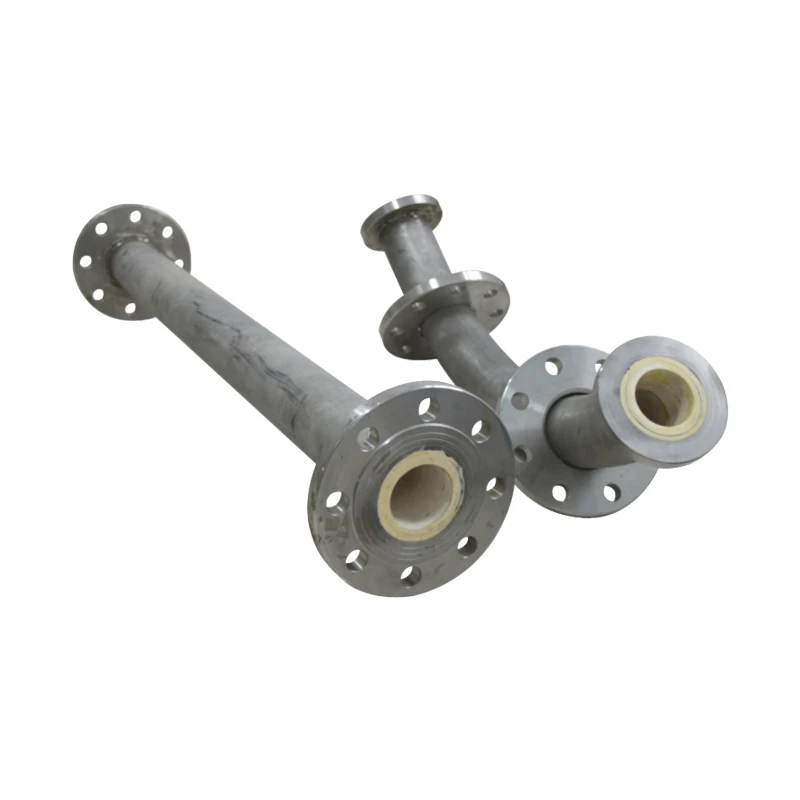
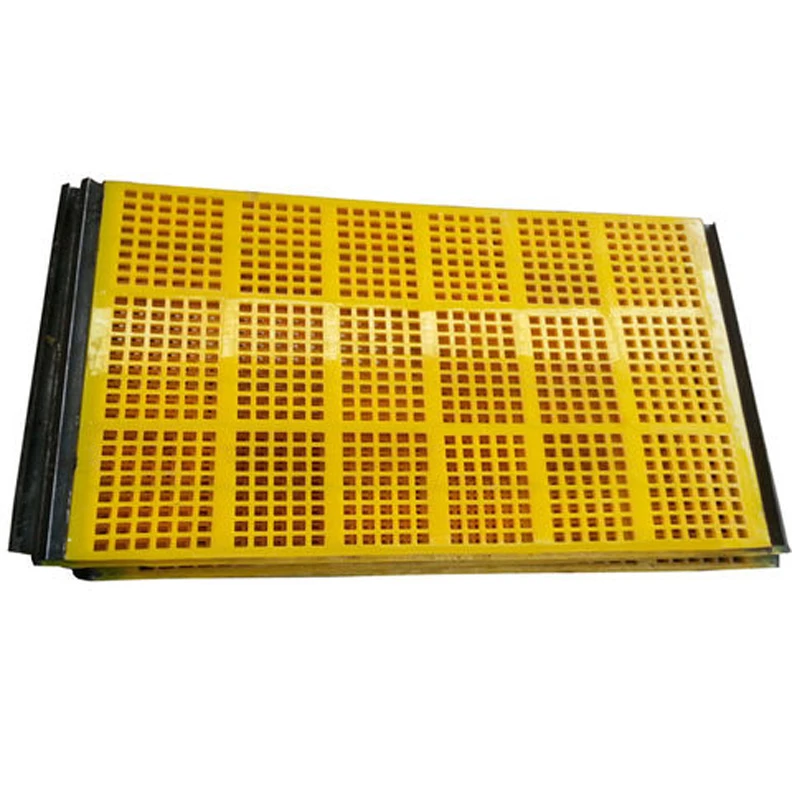
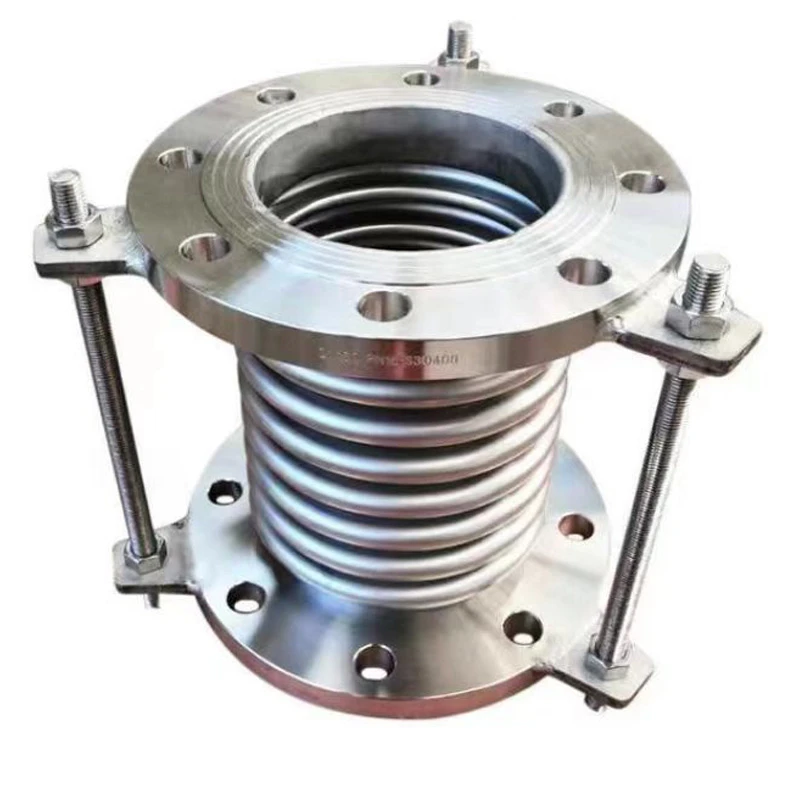
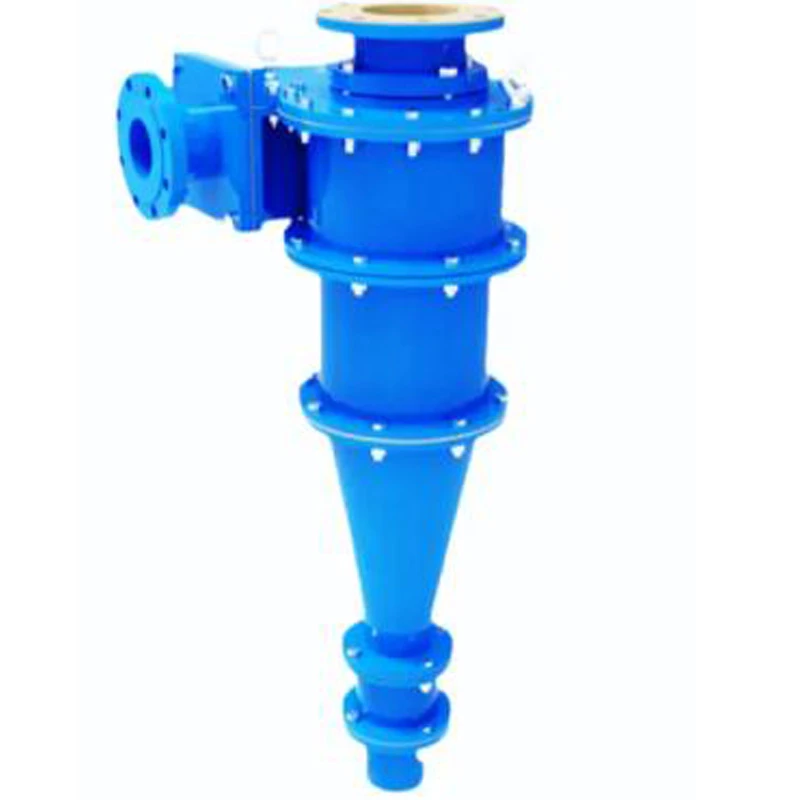
Our main products are polyurethane lined pipes, mining equipment fittings and metal hoses.