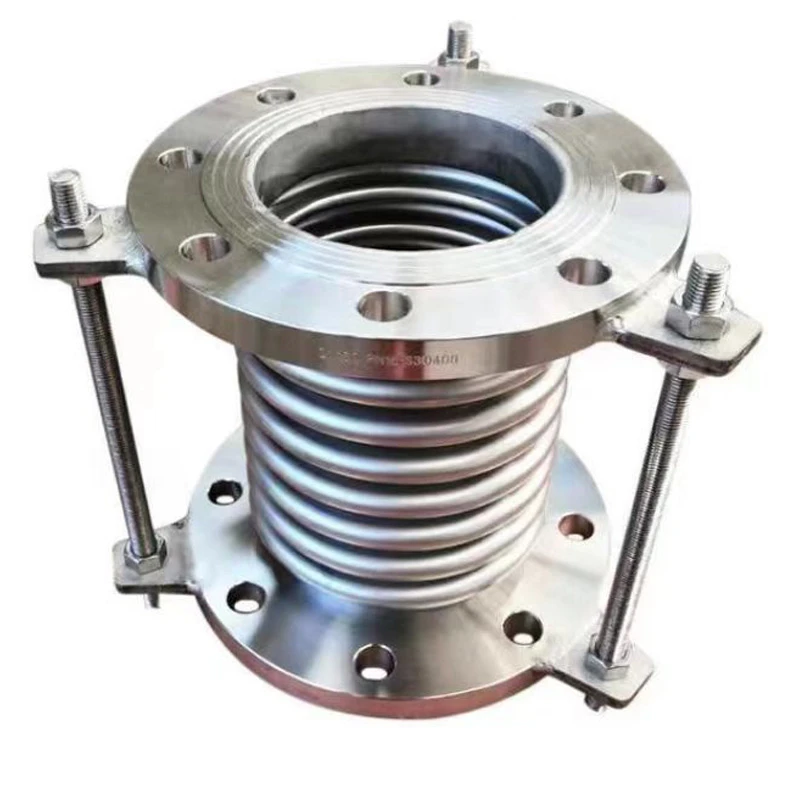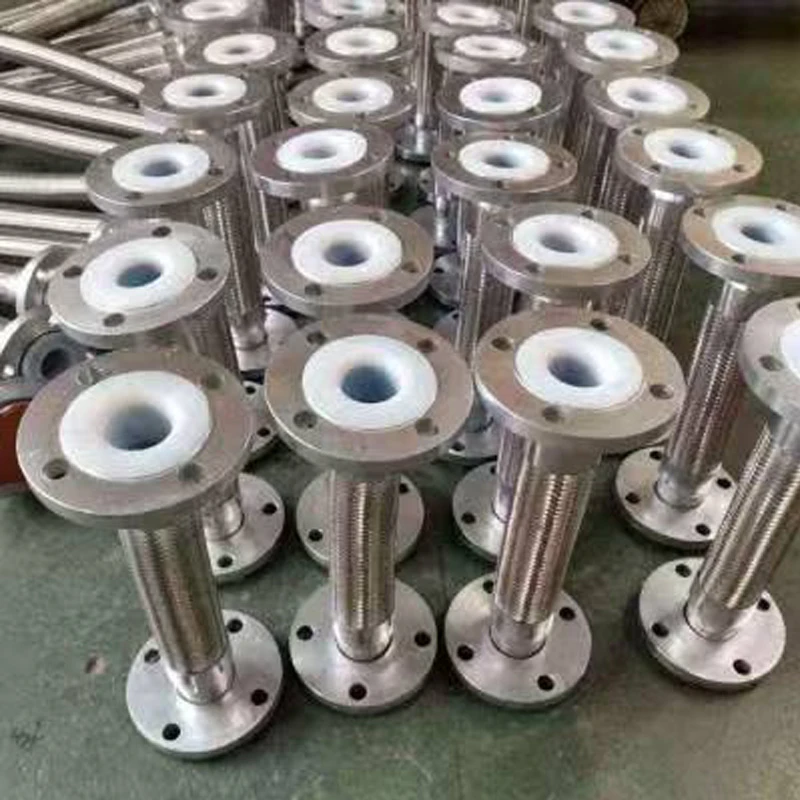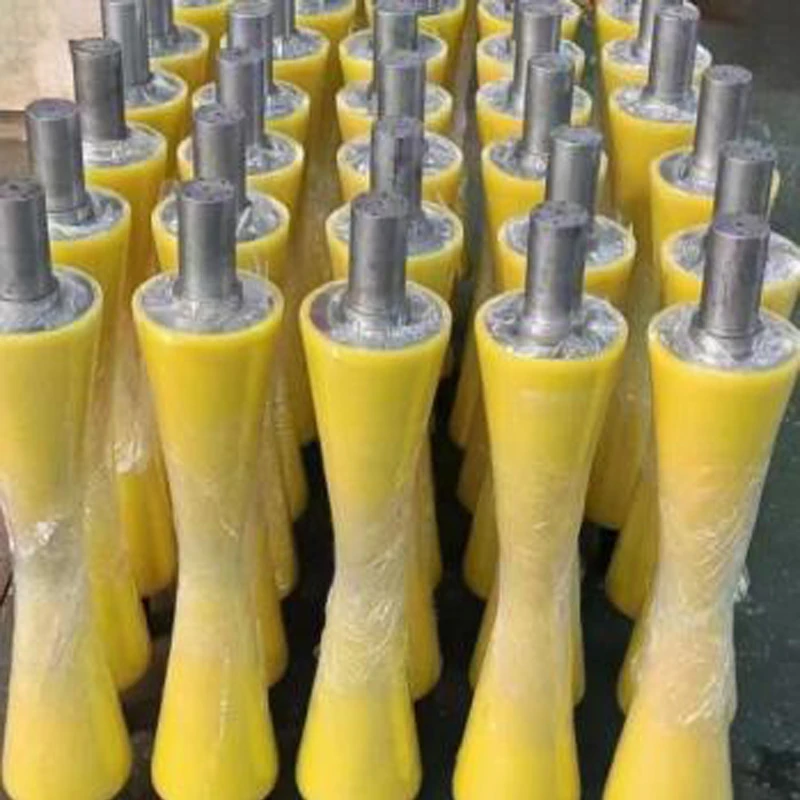
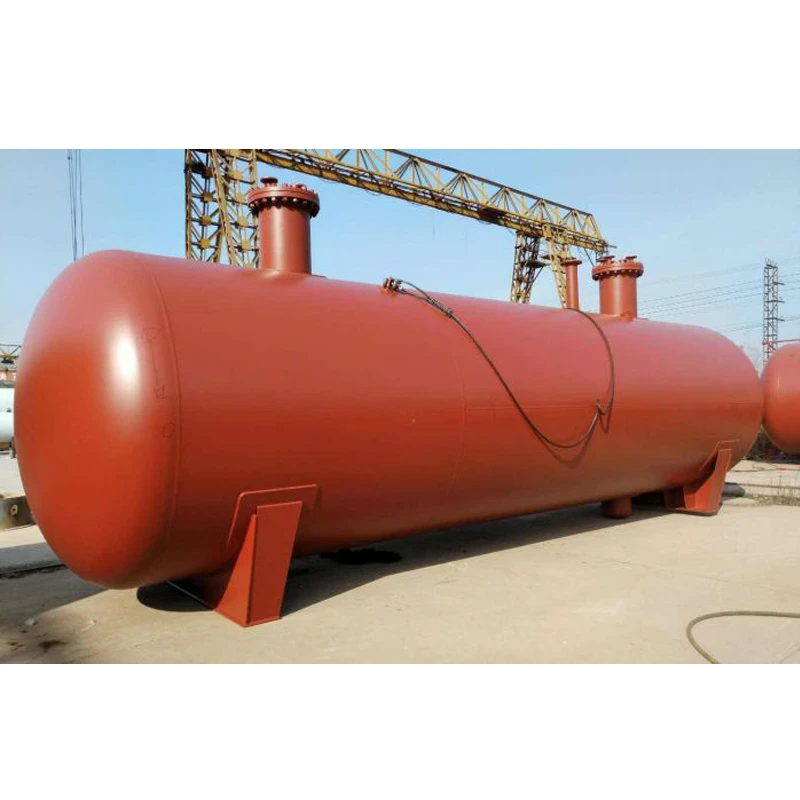
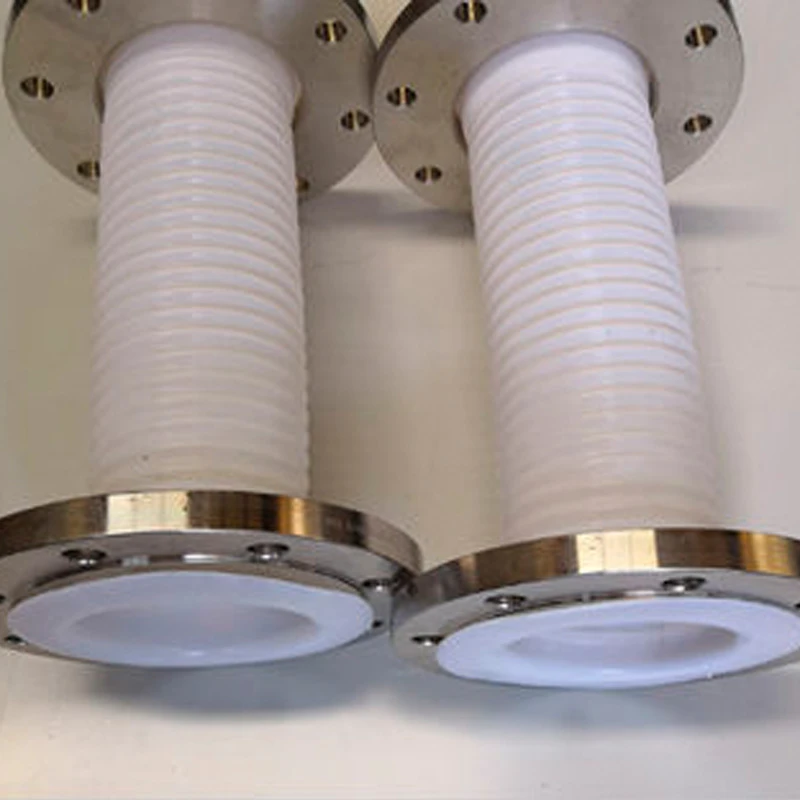
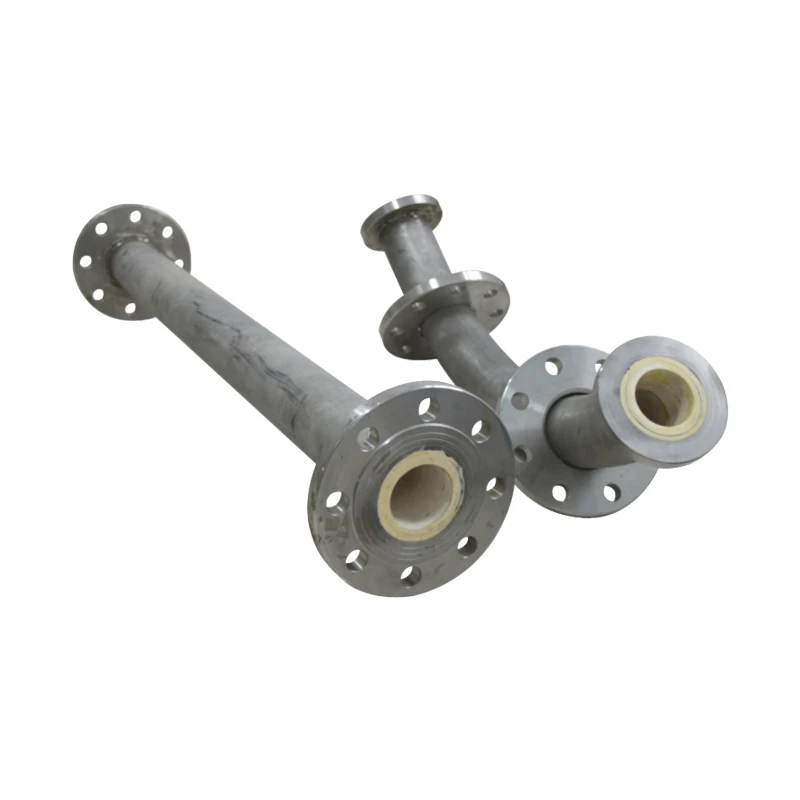
Industrial Corrosion Control with PTFE lined pipe fitting in Paraguay

High-performance lining solutions engineered for the demanding mining and chemical processing sectors of the Paraguayan market.

Industrial Corrosion Control with PTFE lined pipe fitting in Paraguay

Providing the most durable and chemically resistant piping components to ensure operational safety and longevity in South America's heartland.

Current Industrial Landscape of Paraguay

Analyzing the demand for specialized lining materials in the region.

Paraguay's industrial sector, particularly in the Chaco region and around Asunción, faces significant challenges due to high humidity and the transport of abrasive slurries. The prevalence of mineral extraction and agricultural chemical production creates a high demand for PU lined pipe to prevent premature wear and tear caused by particulate friction.

Local infrastructure often contends with aggressive soil conditions and fluctuating temperatures. This environment accelerates the degradation of standard carbon steel pipes, making the integration of Rubber lined pipe fittings essential for those managing wastewater or acidic runoff in mining operations.

Current market trends show a transition from temporary repairs to permanent high-spec installations. Engineers in Paraguay are increasingly specifying PU lined elbow components to reduce the frequency of maintenance shutdowns in heavy-duty slurry transport systems.
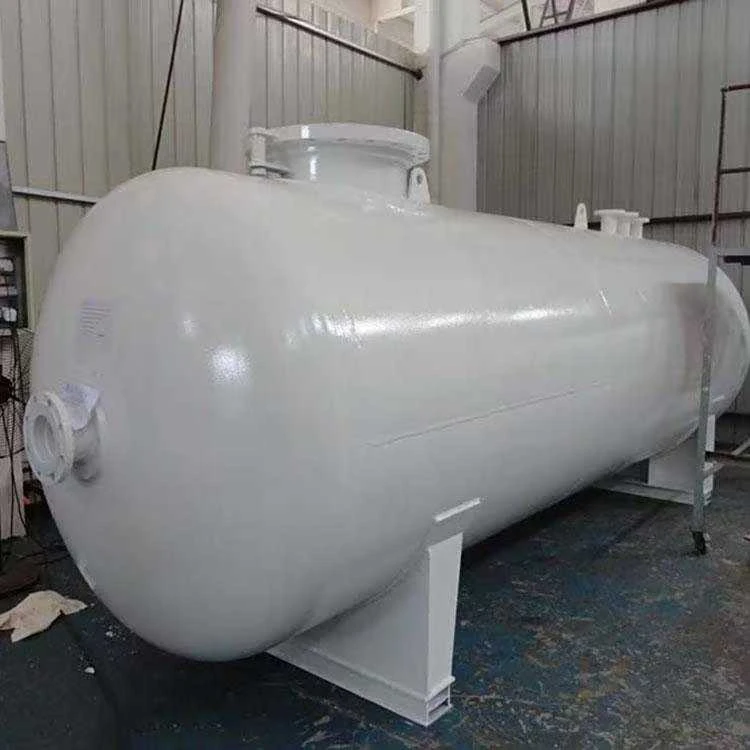
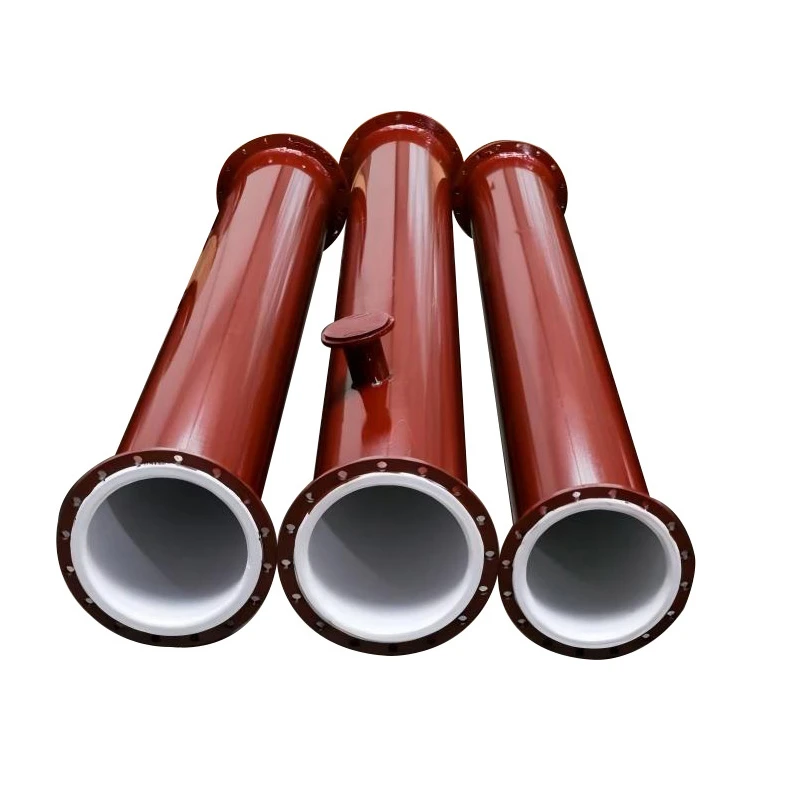
Technical Evolution and Trajectory

From traditional coatings to advanced polymer linings.

Market Development History

In the early 2000s, the Paraguayan market relied heavily on basic epoxy coatings and thick-walled steel. However, these solutions failed quickly under the abrasive conditions of local ore processing, leading to frequent leaks and environmental risks.

By 2010, there was a shift toward vulcanized rubber linings. The introduction of Rubber lined pipe fittings allowed for better impact resistance, though chemical compatibility remained a bottleneck for the growing chemical fertilizer industry.

From 2018 to the present, the adoption of high-performance polymers has peaked. The introduction of PU lined tee and PTFE solutions has enabled plants to handle highly corrosive acids and ultra-abrasive minerals with minimal wall thinning.

Future Development Trends

Nano-Composite Integration

Expect a move toward nano-reinforced PU linings that offer 2x the abrasion resistance of current standards, specifically for the manganese mining sectors.

Smart Monitoring Linings

Integration of sensors within the lining layers to detect thinning in real-time, reducing the risk of catastrophic failure in remote Paraguayan sites.

Eco-Friendly Polymer Sourcing

A shift toward recyclable fluoropolymers in accordance with new South American environmental regulations for chemical waste management.

Industry Trends and Future Outlook

Strategic forecasting for the metal lining industry in Paraguay.

Enhanced Abrasion Resistance
Increased demand for ultra-high molecular weight polyurethane to combat the hardness of local mineral deposits.
Chemical Compliance
Stricter adherence to international standards for PTFE linings in the pharmaceutical and food processing plants.
Modular Installation
Shift toward pre-fabricated lined assemblies to reduce onsite labor costs in remote rural areas of Paraguay.
Thermal Stability
Development of multi-layered linings that can withstand both extreme tropical heat and cryogenic processing.

Industry Outlook

Based on Google search trends for "industrial lining Paraguay" and "corrosion resistant pipes South America," there is a clear increase in demand for specialized polymer-metal composites. The market is shifting away from generic imports toward customized engineering solutions that address specific mineral chemistry.

We anticipate that the adoption of PTFE and PU lined systems will grow by 15% annually over the next 3-5 years, driven by the expansion of the lithium mining sector and the modernization of agro-industrial plants.

Localized Application Scenarios in Paraguay

Practical implementations of lining technology in various Paraguayan sectors.

1. Iron Ore Slurry Transport in Mining

Using PU lined pipe to transport abrasive tailings, reducing wall erosion and extending the pipe lifecycle by 300% compared to uncoated steel.

2. Sulfuric Acid Handling in Fertilizer Plants

Implementation of PTFE lined pipe fitting components to ensure zero leakage and total chemical inertness during the production of phosphate fertilizers.

3. Wastewater Management in Meat Packing

Deploying Rubber lined pipe fittings to handle greasy and acidic waste streams, preventing corrosion in the high-humidity environments of processing plants.

4. High-Pressure Chemical Injection

Integrating PU lined elbow joints in chemical dosing systems to maintain flow efficiency and resist the high impact of abrasive additives.

5. Complex Distribution Manifolds

Utilizing PU lined tee junctions in slurry distribution networks to eliminate turbulence-induced wear at branching points.

Brand Story

Global Development History of Hebei Qiaowan Metal Products Co., Ltd.

Foundational Excellence

Established as a specialist in metal fabrication, focusing on the core challenges of industrial wear and corrosion for domestic heavy industry.

Polymer Innovation

Pioneered the integration of advanced PU and PTFE lining techniques, bridging the gap between structural metal strength and chemical resistance.

Global Expansion

Expanded operations into South American markets, tailoring lining thickness and material grades to meet the unique geological needs of regions like Paraguay.

Quality Certification

Achieved international ISO standards, ensuring that every fitting delivered to global clients meets rigorous safety and durability benchmarks.

Sustainable Future

Now focusing on eco-friendly linings and smart piping solutions to lead the transition toward green industrialization worldwide.

Comprehensive Lining Product Portfolio for Paraguay

A full suite of abrasion and corrosion resistant components for every industrial need.

Local Industry FAQs - Paraguay

Answers to common technical queries regarding lining installations.

How does PU lined pipe handle abrasive slurry in mining?

Polyurethane (PU) provides a high-elasticity barrier that absorbs the impact of abrasive particles, preventing them from reaching the steel shell and drastically reducing wall thinning compared to standard pipes.

What are the advantages of PTFE lined pipe fitting for chemical plants?

PTFE offers nearly universal chemical resistance, ensuring that highly aggressive acids do not corrode the piping system, which is critical for safety and environmental compliance in industrial zones.

Can Rubber lined pipe fittings be used in high-humidity tropical climates?

Yes, our rubber linings are specially formulated to resist moisture permeation and thermal expansion, making them ideal for the humid environmental conditions found in Paraguay.

How do I choose between a PU lined elbow and a rubber lined one?

PU is superior for high-velocity abrasive slurries, while rubber is generally better for impact resistance and lower-cost wastewater applications. The choice depends on the specific particle hardness of your medium.

What is the lifespan of a PU lined tee in industrial use?

Depending on the slurry concentration and flow rate, a high-grade PU lined tee can last 3 to 5 times longer than an unlined steel component, significantly reducing maintenance costs.

Are these linings compatible with international safety standards?

Yes, all our products are manufactured to meet ISO and ASTM standards, ensuring they are safe for high-pressure and hazardous material transport in global industrial operations.

Get an Engineering Consultation Today

Our experts are ready to provide customized lining solutions for your projects in Paraguay.

Contact Us Now
phone
email
Whatsapp
phoneFoot

If you are interested in our products, you can choose to leave your information here, and we will be in touch with you shortly.


  • whatsapp

Need Help?
Drop us a message using the form below.