iron ore processing

Rubber Lined Tank

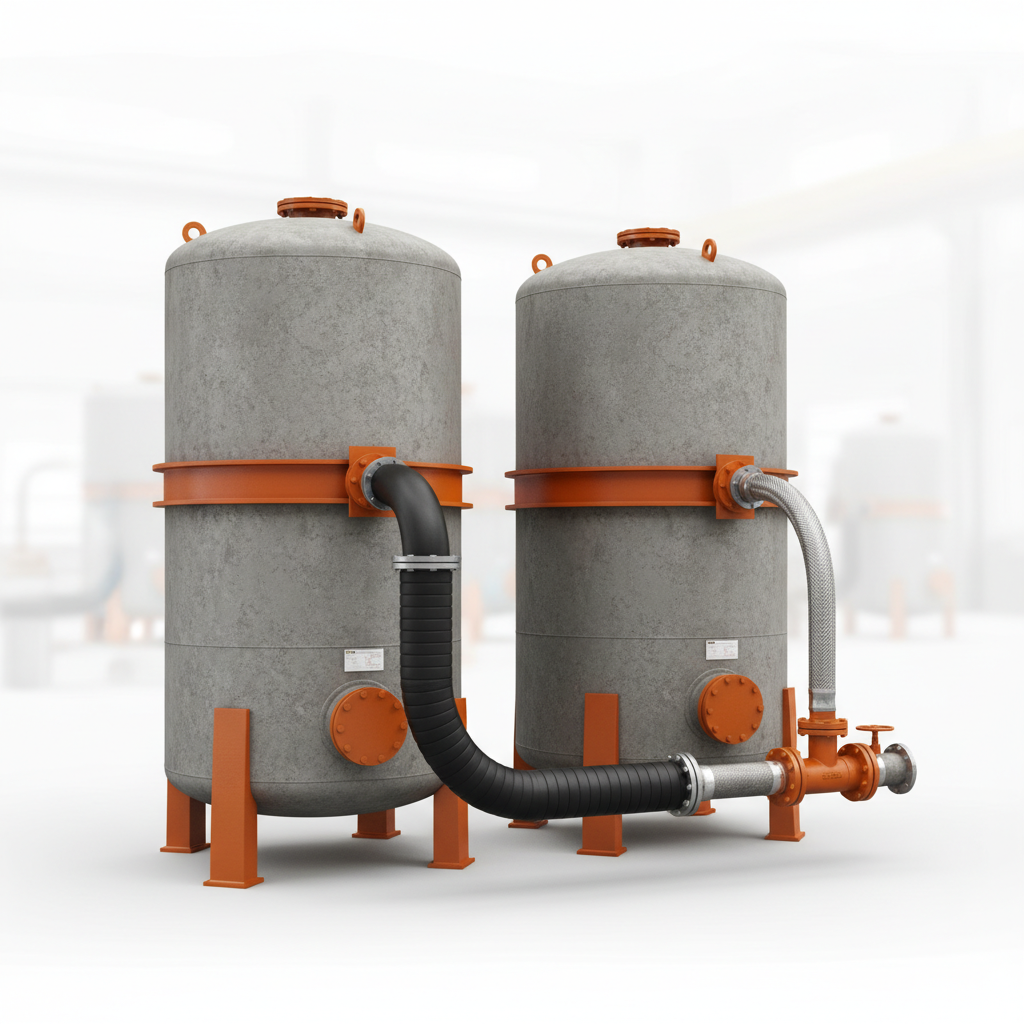
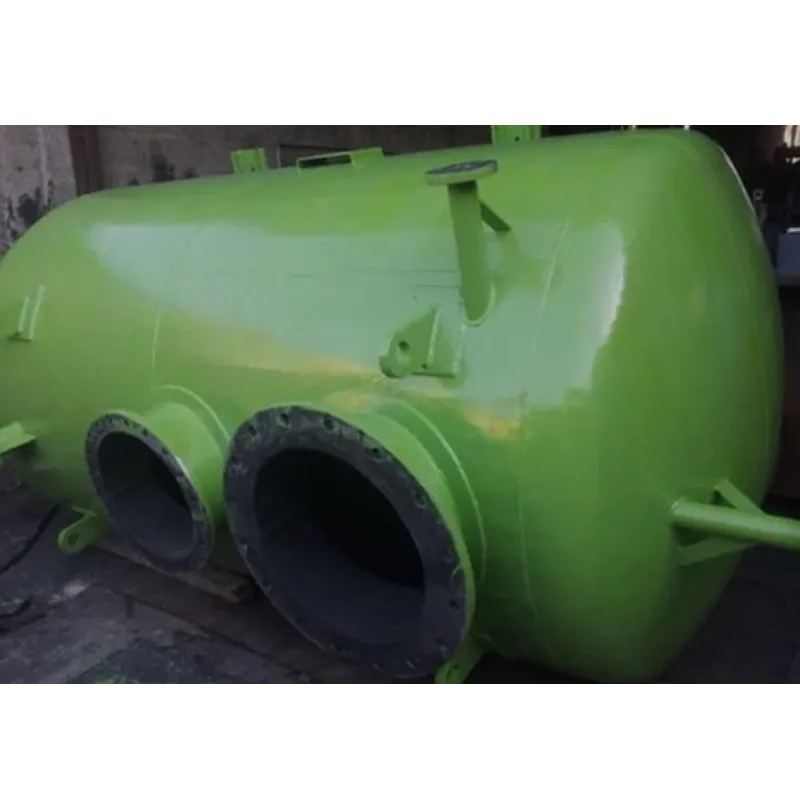
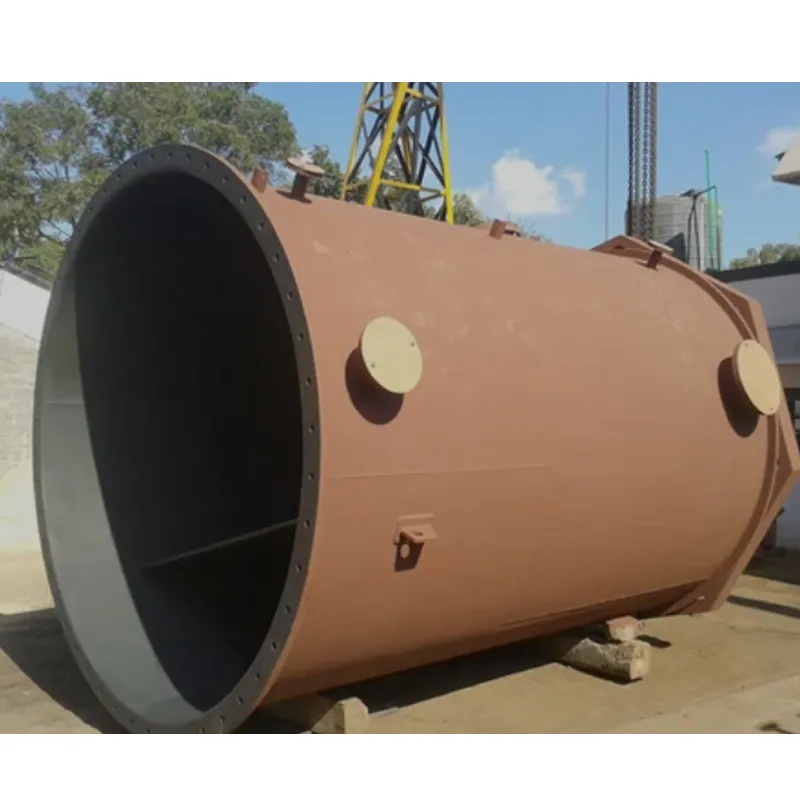
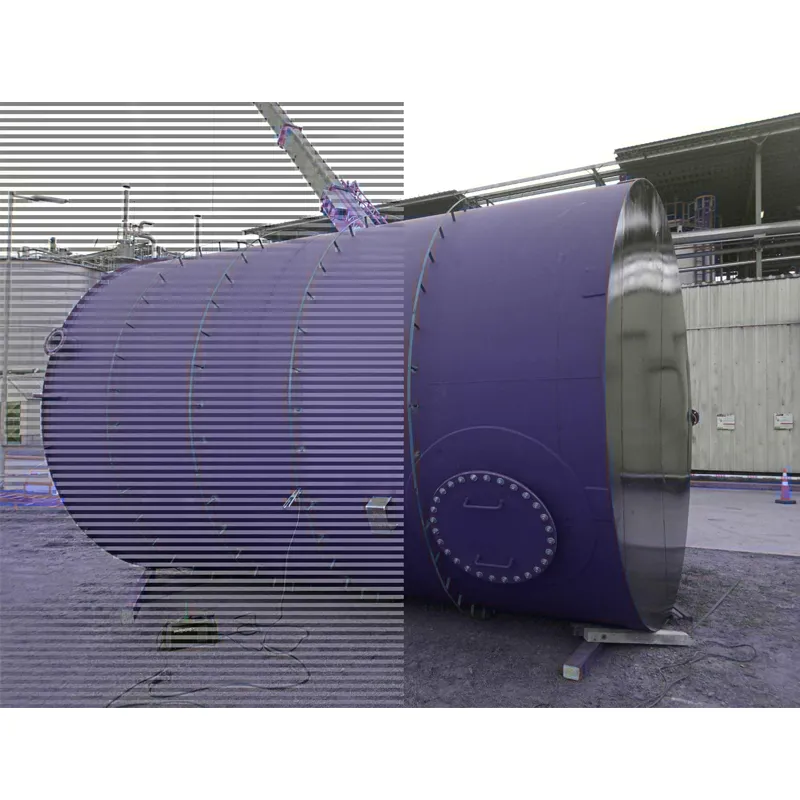
A Rubber Lined Tank is an industrial storage vessel that features a layer of rubber bonded to the interior surface of a metal tank, typically made from carbon steel or stainless steel. This design is intended to provide enhanced protection against corrosion, abrasion, and chemical attack caused by aggressive or reactive substances. Rubber lined tanks are widely used across a range of industries such as chemical processing, water treatment, mining, and pharmaceuticals, where the safe and reliable storage of harsh chemicals or abrasive slurries is essential.
  • 12
  • 13
  • 14
Structure And Components

A typical rubber lined tank consists of three main components:

  1. 1.Tank Body (Shell):

Constructed from carbon steel (e.g., Q235B) or stainless steel (e.g., SUS304, SUS316), the shell provides the necessary mechanical strength, pressure capacity, and structural integrity to withstand the contents stored within the tank. The design can be customized to handle atmospheric or pressurized conditions.

  1. 2.Rubber Lining:

The interior of the tank is lined with a layer of rubber, which serves as a corrosion-resistant barrier. Common rubber types include:

  • Natural Rubber (NR): Good for mild acids and water-based solutions.
  • Butyl Rubber (IIR): Excellent resistance to acids and gases.
  • Neoprene (CR): Good oil and weather resistance.
  • EPDM: Suitable for strong alkalis and oxidizing agents.
  • Hard Rubber (Ebonite): High chemical resistance and mechanical strength, ideal for aggressive chemical environments.

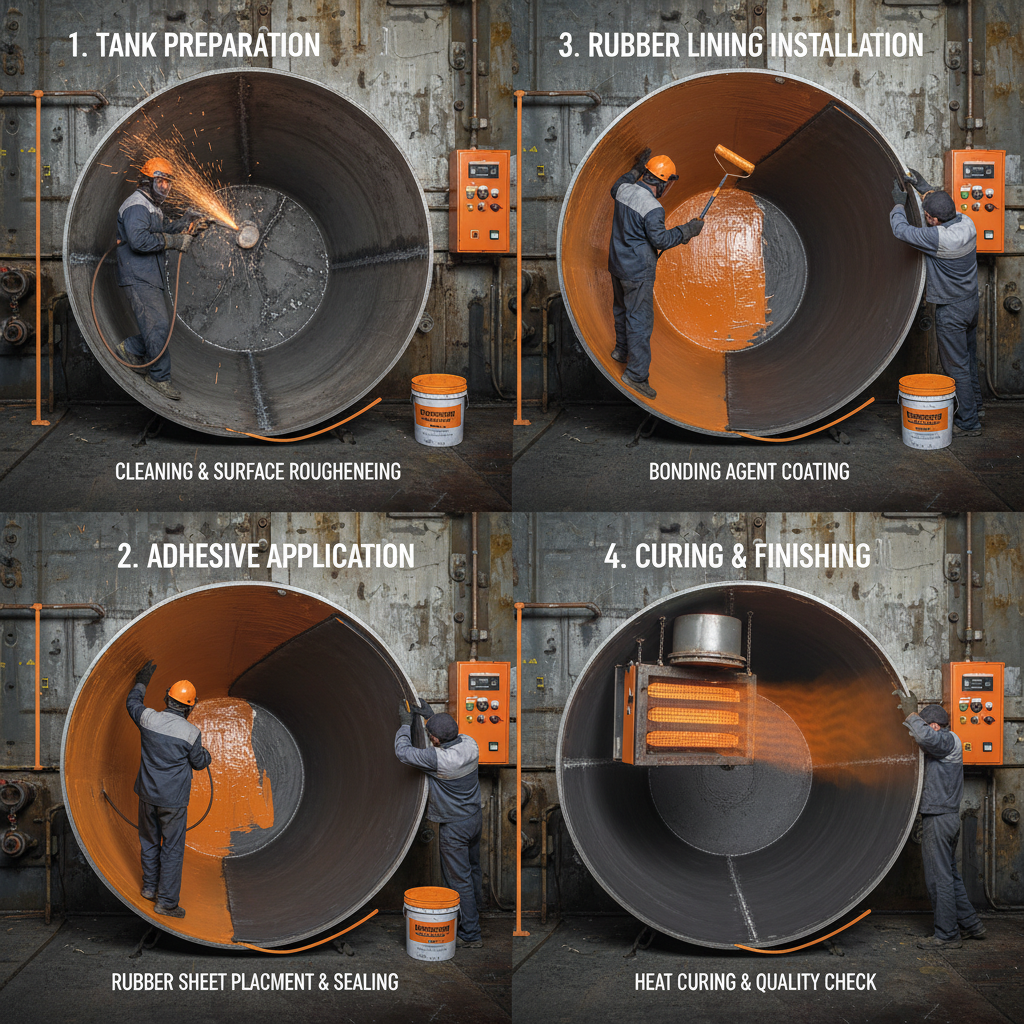
The rubber is typically applied in sheets or by spraying and then vulcanized (cured) to bond it firmly to the tank surface.

  1. 3.Adhesive/Bonding System:

A multi-layer adhesive system is used to ensure strong bonding between the rubber lining and the metal substrate. The adhesion quality is critical to prevent delamination during use.

Advantages And Benefits

Superior Chemical Resistance:

Rubber lined tanks provide excellent resistance to corrosive chemicals such as sulfuric acid, hydrochloric acid, sodium hypochlorite, phosphoric acid, etc. This makes them ideal for handling a wide range of industrial chemicals safely.

Excellent Abrasion Resistance:

The rubber lining absorbs the impact and abrasion caused by slurries, sand, and other solid-containing fluids, preventing wear of the metal tank shell.

Extended Service Life:

With proper installation and maintenance, a rubber lined tank can significantly outlast an unlined steel tank in corrosive environments.

Cost Savings:

Reduced need for frequent maintenance and tank replacements means lower long-term operating costs.

Versatility:

Available in vertical, horizontal, and custom shapes and volumes, these tanks can be designed for various operational needs, including vacuum, thermal insulation, or pressure handling.

Applications

Rubber lined tanks are used in a wide variety of industrial sectors, including:

Chemical and Petrochemical Plants: For storing acids, alkalis, and solvents.

Water Treatment Facilities: For storing brine, deionized water, chlorine solutions.

Mining and Mineral Processing: For storing abrasive slurries and tailings.

Power Plants: For desulfurization and wastewater treatment processes.

Pharmaceutical and Food Industries: For certain non-toxic or process-related fluids, with food-grade rubber if required.

Pulp and Paper Mills: For handling bleaching chemicals and pulp slurries.

Rubber Lined Tank FAQ

What is a rubber lined tank and why use it?

A rubber lined tank has a steel or alloy shell coated internally with rubber to prevent corrosion, abrasion, and chemical attack. It’s commonly used for storing acids, alkalis, slurries, and aggressive industrial chemicals safely.

Which industries benefit from rubber lined tanks?

Mining, chemical processing, wastewater treatment, and pulp & paper industries rely on rubber lined tanks for safe storage. They resist chemical corrosion and abrasion, reducing maintenance and replacement costs.

Can rubber lined tanks handle high-temperature storage?

Standard rubber lined tanks handle temperatures up to around 80°C (176°F). Specialized high-temperature rubber linings can handle higher ranges, depending on chemical compatibility and industrial requirements.

How does rubber lining protect tanks from corrosion?

The rubber lining acts as a chemical-resistant barrier, preventing acids, alkalis, and aggressive fluids from attacking the steel shell. This extends tank life and ensures safe storage of industrial chemicals.

Are rubber lined tanks customizable?

Yes, tanks can be customized in volume, diameter, wall thickness, and inlet/outlet types. Customization ensures compatibility with industrial processes while maximizing chemical resistance and durability.

How to maintain a rubber lined tank?

Inspect regularly for lining damage, clean with compatible solutions, and avoid mechanical impacts. Proper maintenance prevents lining wear and ensures long-term protection against chemical and abrasive fluids.

Can rubber lined tanks store abrasive slurries?

Yes, rubber lined tanks are ideal for abrasive slurries and particulate-laden liquids. The flexible rubber lining absorbs impact and prevents erosion, extending tank life in harsh industrial conditions.

What advantages do rubber lined tanks offer industrial storage?

Rubber lined tanks prevent corrosion and abrasion, reduce maintenance, and offer long-term chemical resistance. Their smooth lining ensures easy cleaning and reliable performance for chemicals, slurries, and aggressive industrial fluids.

Rubber Lined Tanks: Superior Abrasion & Corrosion Resistance for Demanding Industrial Applications

Contact Us beneficiation of iron ore

Copyright © 2026 Hebei Qiaowan Metal Products Co.LTD. All Rights Reserved. Sitemap | Privacy Policy | Top Blog
phone
email
Whatsapp
phoneFoot

If you are interested in our products, you can choose to leave your information here, and we will be in touch with you shortly.


  • whatsapp

Need Help?
Drop us a message using the form below.