Durable and Efficient Solutions with PTFE Lined Tanks
Understanding PTFE Lined Tanks: Durable Solutions for Industry
When you first hear the term ptfe lined tank, it might sound like another piece of industrial jargon — but these tanks play a crucial role worldwide, especially where chemical storage meets tough environmental demands. Understanding what makes these tanks tick and why they matter globally is vital for industries from pharmaceuticals to wastewater treatment. They’re about enhancing safety, reducing corrosion, and extending lifespan — all while safeguarding the environment and workers. In a world becoming ever more reliant on chemicals and aggressive materials, knowing about these tanks is... well, sort of important, to say the least.
PTFE Lined Tank in the Global Industrial Landscape
Across industries, storage solutions are an unsung hero. The global chemical storage market alone was valued at billions of dollars in recent years, with an expected steady growth trajectory (UN reports, industrial chemical statistics). A big challenge here? Corrosion and chemical degradation of storage vessels, leading to leaks, environmental hazards, and expensive downtime.
Here’s a little known fact: Polytetrafluoroethylene (PTFE) lining inside tanks addresses this elegantly. For industries operating at the cutting edge — where substances can be highly corrosive or temperature sensitive — PTFE lining offers protection that traditional materials simply can’t compete with. Globally, as regulations tighten (think ISO 14644 standards for contamination control or environmental guidelines), demand is surging for tanks lined with high-performance materials like PTFE.
What Exactly is a PTFE Lined Tank?
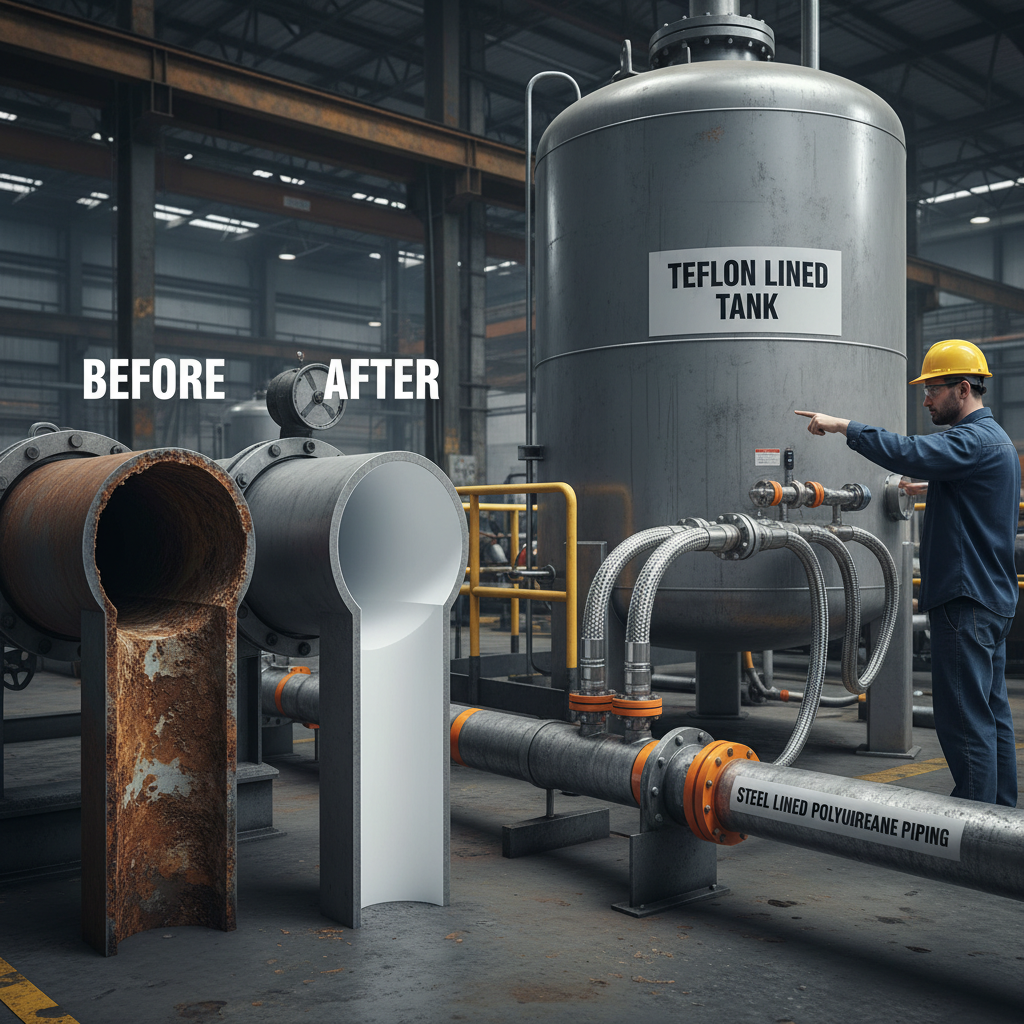
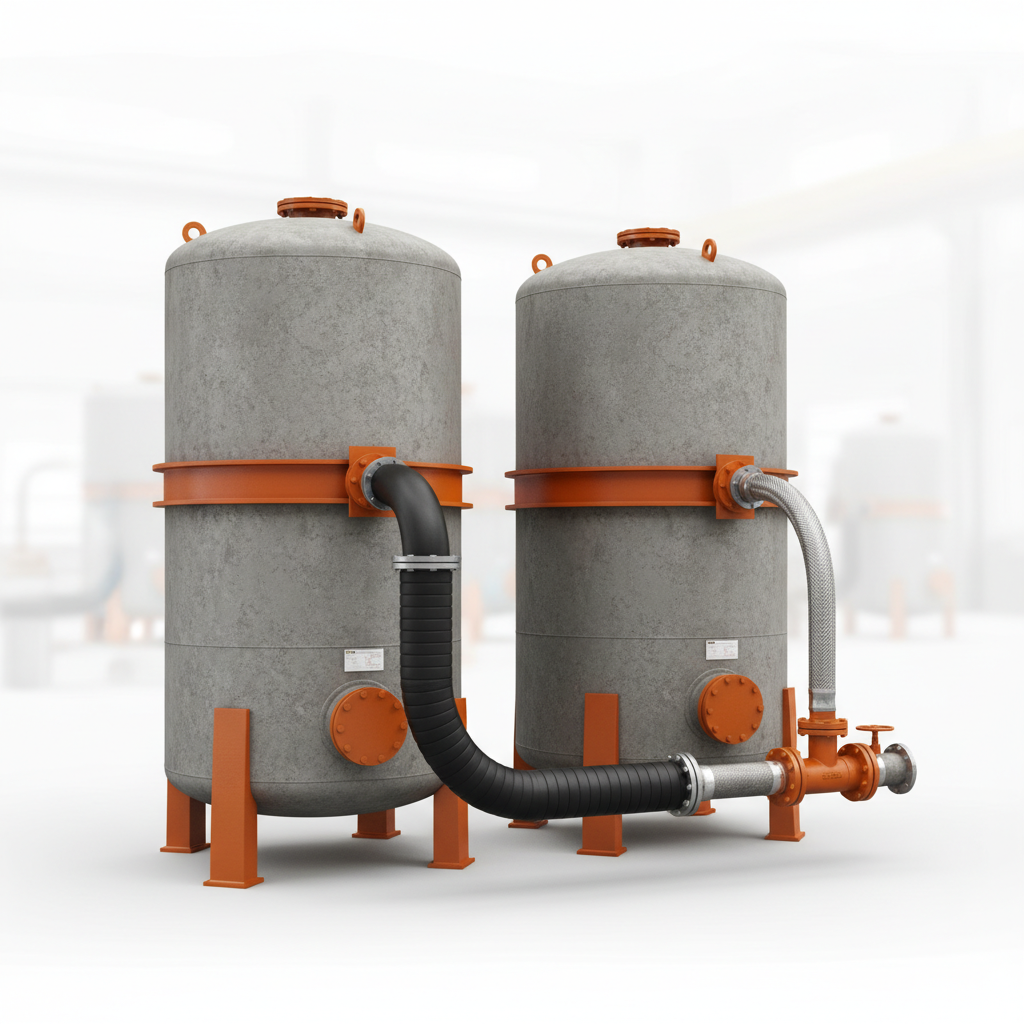
Simply put, a ptfe lined tank is a storage vessel coated internally with polytetrafluoroethylene, a synthetic fluoropolymer known for its chemical inertness, heat resistance, and extremely low friction. If you picture the inside as having a slick, Teflon-like skin, you’re not far off. This lining protects the core tank, usually made from steel or other metals, from corrosive or reactive chemicals stored inside.
In modern industry, this means companies can store aggressive acids, solvents, or other harsh chemicals safely, without worrying about early wear or breaches. Beyond industry, such tanks can support humanitarian needs too, for example when storing clean or treated water in chemically challenging environments.
Key Features of PTFE Lined Tanks
1. Remarkable Durability and Chemical Resistance
PTFE’s most celebrated trait is its resistance to almost all chemicals. It doesn’t react, degrade, or wear off easily. This durability means tanks last longer, requiring fewer replacements or repairs — a major cost saver.
2. Thermal Stability
PTFE remains stable over a wide temperature range, roughly from -200 °C to +260 °C. This thermal resilience allows tanks to hold hot or cryogenic fluids safely — a big plus in chemical processing.
3. Non-stick Surface
The lining’s ultra-low friction surface prevents material build-up inside tanks. Less fouling simplifies cleaning and maintenance, and reduces contamination risk.
4. Cost Efficiency Over Time
While initially more expensive than unlined tanks, PTFE lined tanks save money long-term by reducing downtime, maintenance, and waste. It’s a classic case of "spend more now, save much more later."
5. Environmental and Safety Benefits
Leakages and chemical spills have severe repercussions. PTFE lining drastically lowers risk, protecting both people and ecosystems — something industrial players increasingly prioritize.
Real-World Use Cases of PTFE Lined Tanks
Industries worldwide use these tanks, from North America’s chemical plants to Asia’s burgeoning pharmaceutical hubs. Here’s how:
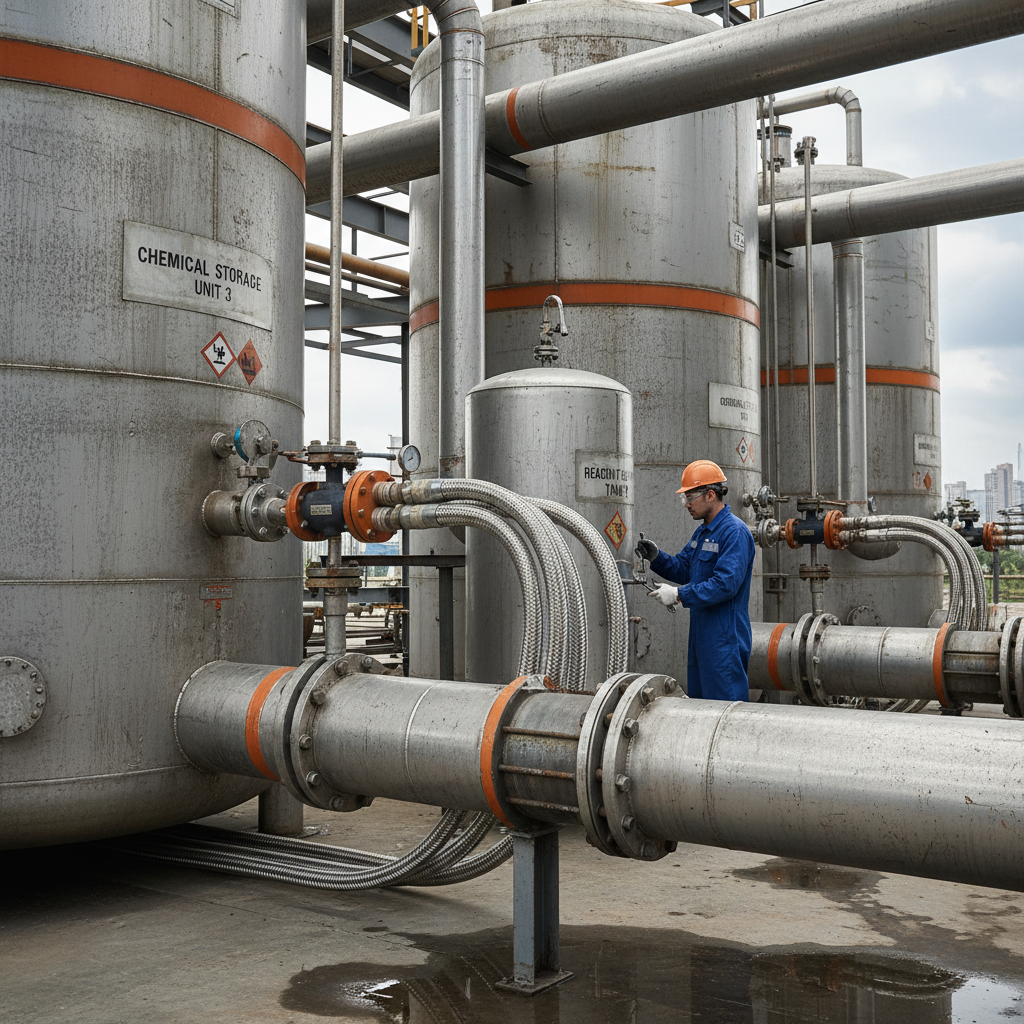
- Chemical Manufacturing: Storage of acids like hydrochloric, sulfuric, and solvents which would wreck bare metal tanks.
- Water Treatment: Tanks lined with PTFE are used for storing chlorinated water or aggressive treatment chemicals.
- Food and Beverage: Though less common, some processes use PTFE lined tanks to prevent contamination during acidic food processing.
- Energy Sector: Oil refineries and battery manufacturing plants leverage PTFE lining to manage corrosive fluids.
In remote industrial zones, where maintenance crews are few and far between, these tanks save operational headaches and improve safety significantly.
Advantages and Long-Term Value of PTFE Lined Tanks
There’s an emotional aspect too — in industries where safety and reliability are literally life and death, having dependable storage means trust and peace of mind. For example, employees working in hazardous environments often feel more secure knowing the storage vessels have built-in safeguards.
Logically, they pay off: ptfe lined tanks cut down on costly repairs and environmental fines. They align with sustainability goals, reducing chemical spills and waste. Plus, innovations in lining techniques now lower the onset installation time, allowing companies to become operational faster. All around, it’s a smart investment.
Future Trends Impacting PTFE Lined Tanks
Technological advances hint at exciting developments — think smarter tank linings with embedded sensors to track corrosion in real time. There’s also a trend toward greener materials: while PTFE is durable, it’s a fluoropolymer, so research is ongoing into sustainable, biodegradable coatings with similar properties.
Automation and use of AI for predictive maintenance will likewise revolutionize tank lifecycle management, ensuring tanks get serviced long before failure risks emerge. Sustainability policies worldwide will likely push the demand for even safer chemical storage solutions — PTFE lined tank technology is right in that sweet spot.
Challenges and How the Industry is Responding
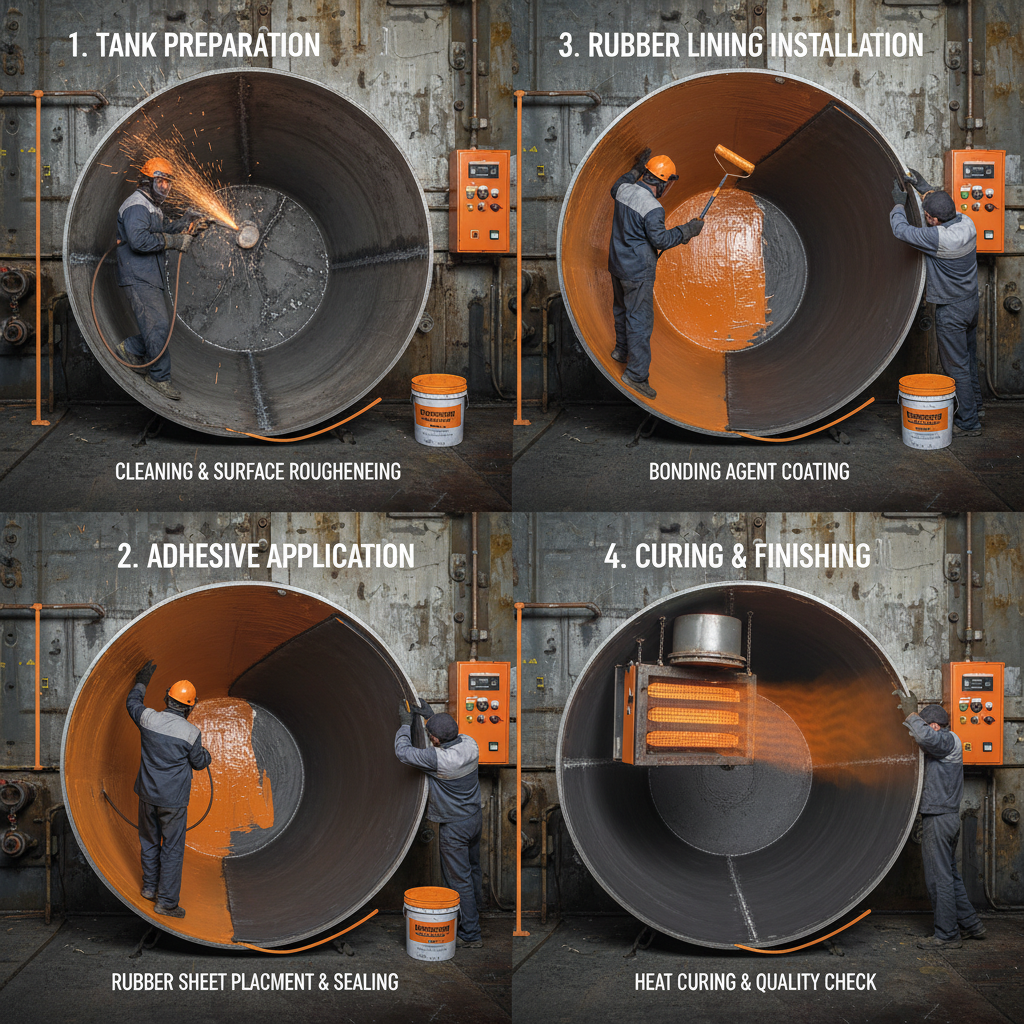
Not everything’s rosy, though. PTFE lining requires skilled installation — if done poorly, the lining can delaminate or trap bubbles leading to failure. Also, in some very high abrasion environments, PTFE’s soft structure can wear unexpectedly.
Industry experts are developing better quality control, improved surface preparation methods, and hybrid linings combining PTFE with tougher materials. Many engineers stress regular inspection regimes and specialist training as key counters to these issues.
Product Specifications: Typical PTFE Lined Tank
| Feature | Specification |
|---|---|
| Tank Material | Carbon Steel / Stainless Steel |
| PTFE Lining Thickness | 0.5 to 2 mm (customizable) |
| Operating Temperature Range | -200°C to +260°C |
| Max Working Pressure | Up to 10 bar (varies by design) |
| Compliance | ISO 14644, FDA (food grade versions available) |
| Typical Capacity | From 500 liters to 50,000 liters and up |
Vendor Comparison: PTFE Lined Tanks
| Vendor | Lining Quality | Customization Options | Lead Time | Certifications | Price Range |
|---|---|---|---|---|---|
| GlobalChem Tanks | Premium PTFE, 2mm thickness | Full customization, including automation ready | 6-8 weeks | ISO 14644, FDA | $$$ |
| ChemLine Solutions | Standard PTFE, 1mm thickness | Moderate customization, limited automation | 4-6 weeks | ISO certified | $$ |
| EcoTank Industries | Enhanced PTFE composite | Limited customization | 8-10 weeks | FDA food-grade | $$$ |
FAQs About PTFE Lined Tanks
- How long does a PTFE lined tank typically last?
- With proper installation and maintenance, these tanks can last 15-25 years or more. The PTFE lining resists most chemical attacks, but periodic inspections are key to spotting wear or damage early.
- Can PTFE lining be repaired if damaged?
- Minor damages can sometimes be repaired using specialized PTFE patches or coatings, but extensive damage usually requires re-lining. Always consult with a certified professional for repairs.
- Are PTFE lined tanks safe for food and pharmaceutical storage?
- Yes, FDA-approved PTFE linings are available, making these tanks suitable for food and pharma applications where chemical inertness and cleanliness are critical.
- How does PTFE lining compare to rubber linings?
- PTFE offers superior chemical resistance and temperature tolerance compared to rubber. However, rubber can be more abrasion-resistant. Choice depends on specific application requirements.
- Is installation of a PTFE lined tank complicated?
- It requires skilled technicians to ensure proper adhesion and avoid defects like bubbles. While more involved than simple coatings, professional installation ensures optimal performance and lifespan.
Wrapping Up: Why PTFE Lined Tanks Make Sense
To sum it all up, ptfe lined tanks offer an exceptional blend of durability, safety, and longevity that's hard to beat in chemical storage solutions. They answer the growing industrial need for robust, reliable containment that protects people, processes, and the planet.
If you’re diving into or upgrading chemical storage infrastructure, seriously consider these lined tanks for their proven track record and future-ready adaptability. Need more info? Feel free to check out our ptfe lined tank options and discover how we can streamline your project's safety and efficiency.
Mini Takeaway:
- PTFE lining extends tank life and prevents corrosion.
- Ideal for aggressive chemical storage globally.
- Offers high safety for workers and environment.
- Growing importance as industries and regulations evolve.
References & Personal Notes
Related Products
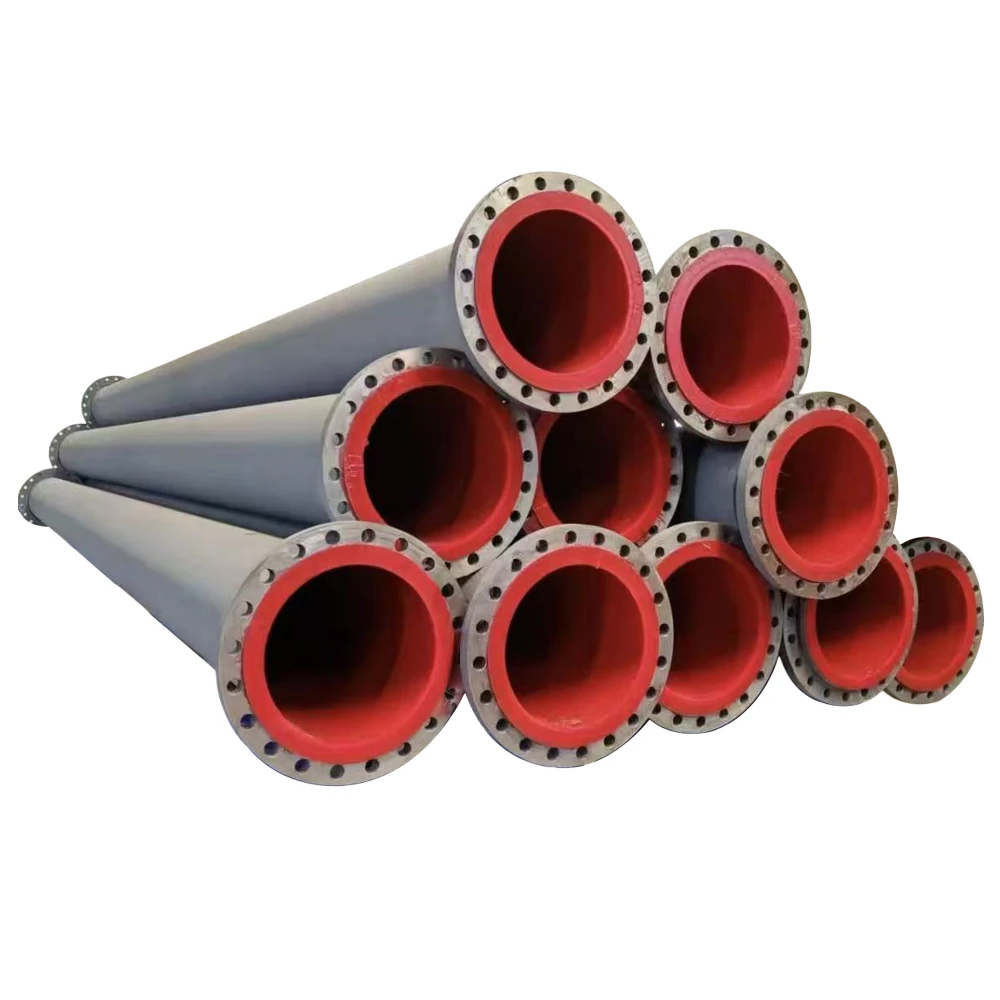
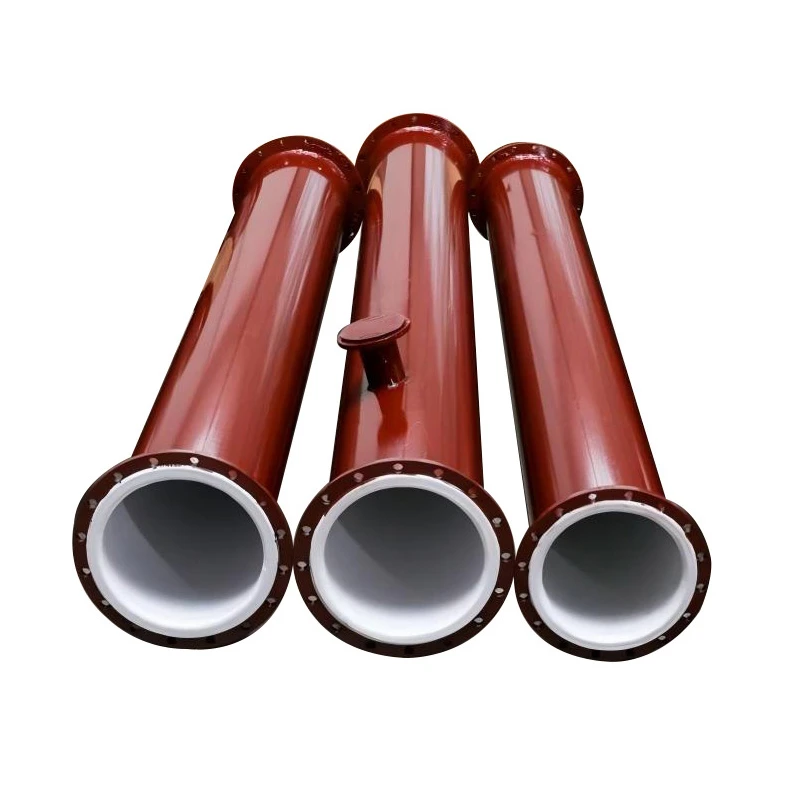
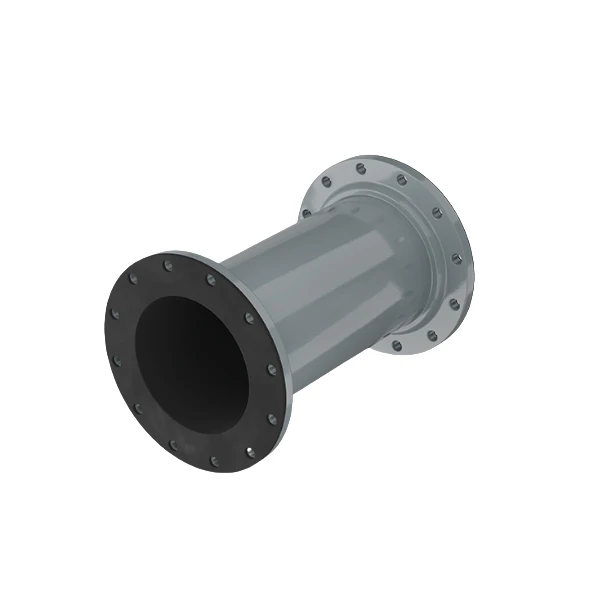
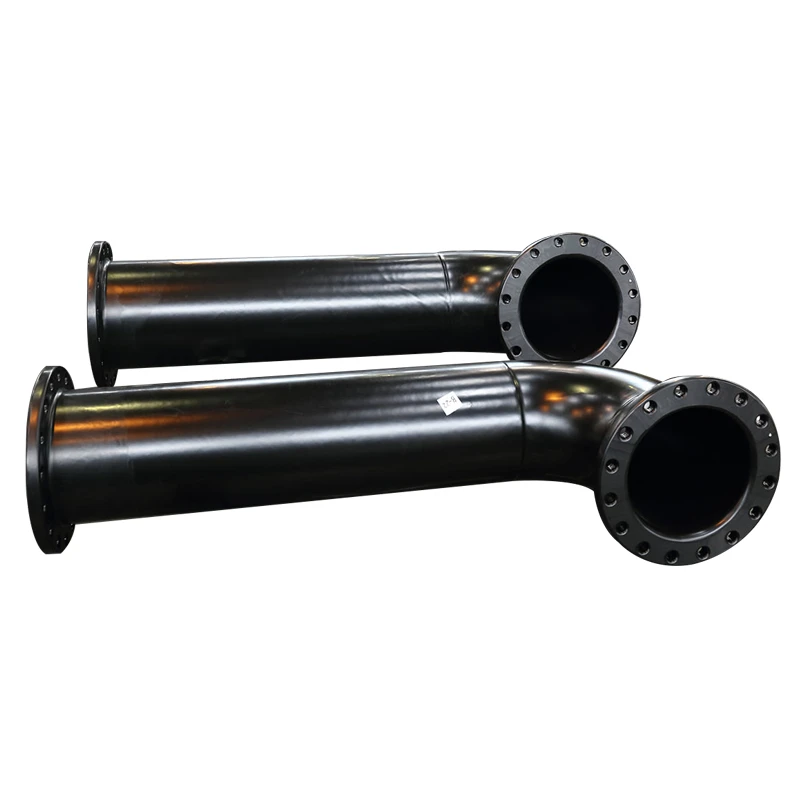
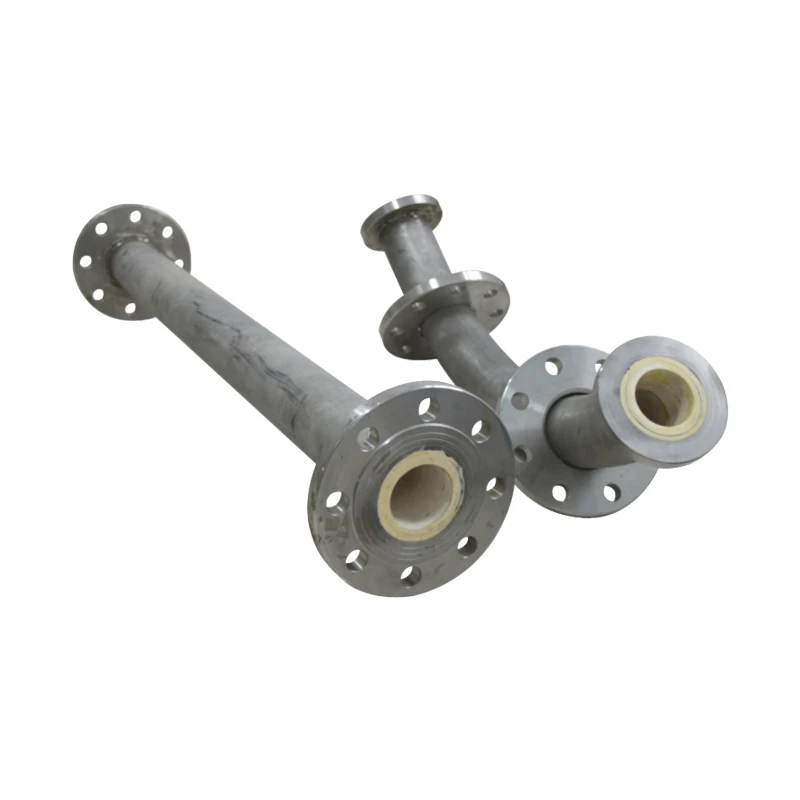
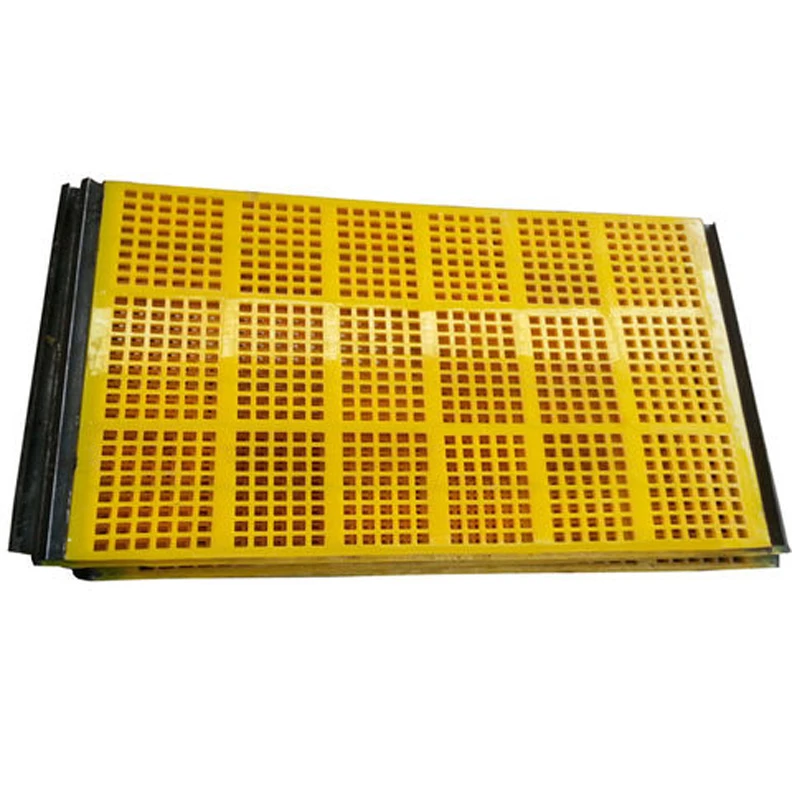
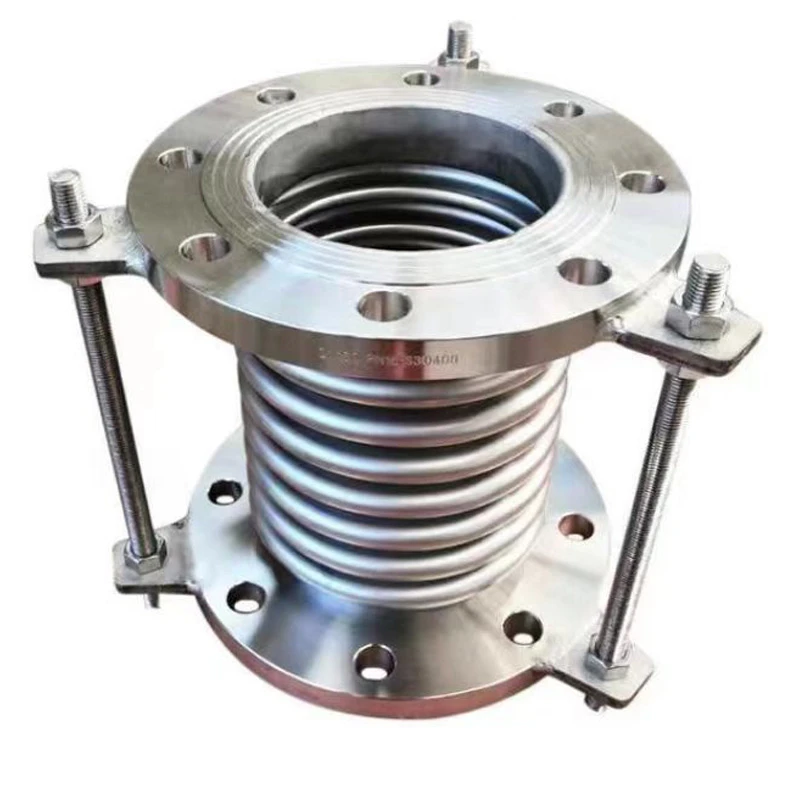
Our main products are polyurethane lined pipes, mining equipment fittings and metal hoses.