Durable and Chemical-Resistant Teflon Lined Tanks for Industrial Storage
The Quiet Power of Teflon Lined Tanks: Why They Matter Globally
If you've never paused to think about the humble storage tank, now might be the time. Especially when those tanks come lined with Teflon — a feature quietly revolutionizing industries worldwide. Why does this matter? Because in industries where chemicals, pharmaceuticals, or food-grade materials are stored and mixed, contamination is a costly risk, both financially and environmentally. Teflon lined tanks offer a simple yet powerful solution: non-reactive, durable, and easier to clean storage vessels that boost safety, compliance, and efficiency.
In an age focused on sustainability and risk management, understanding how Teflon lined tanks contribute could give manufacturers, engineers, and suppliers a critical edge — from chemical plants in Europe to food processors in Asia to water treatment sites in Africa.
What Exactly Are Teflon Lined Tanks?
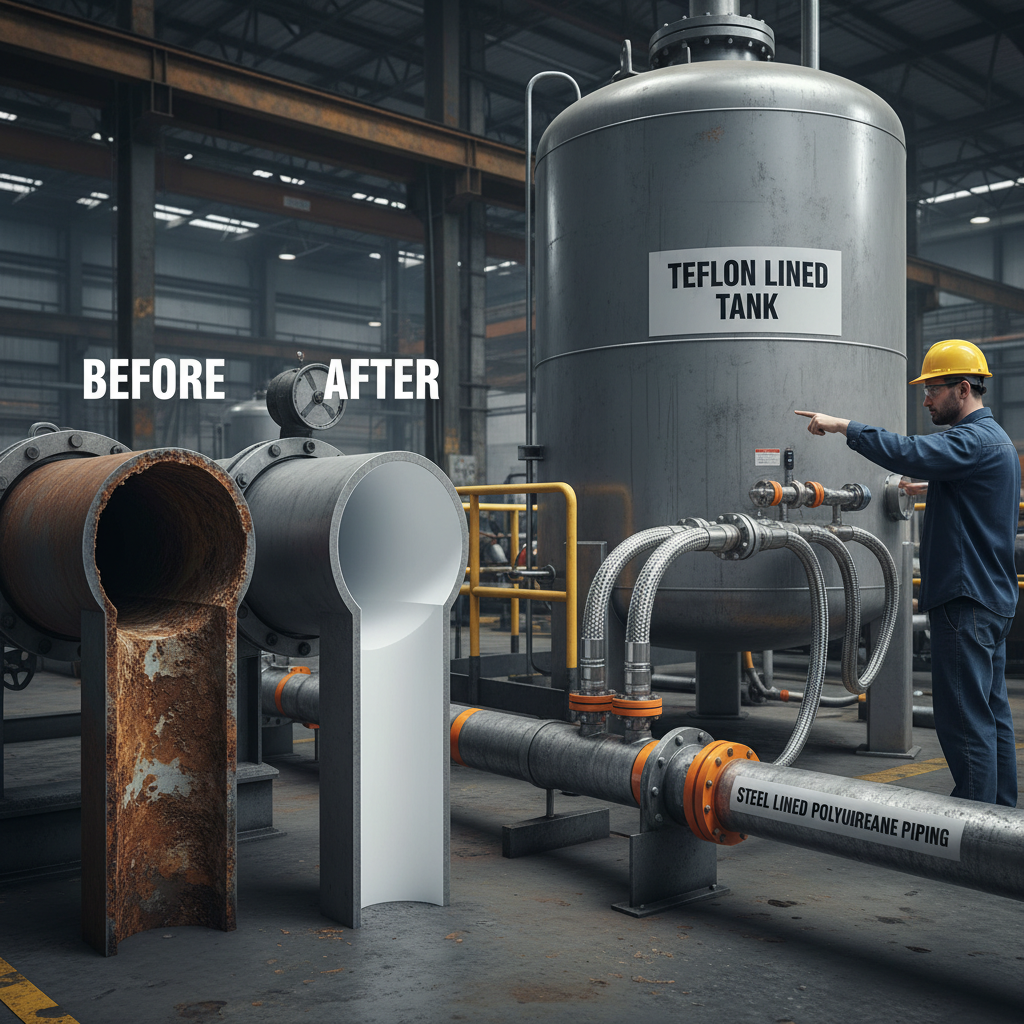
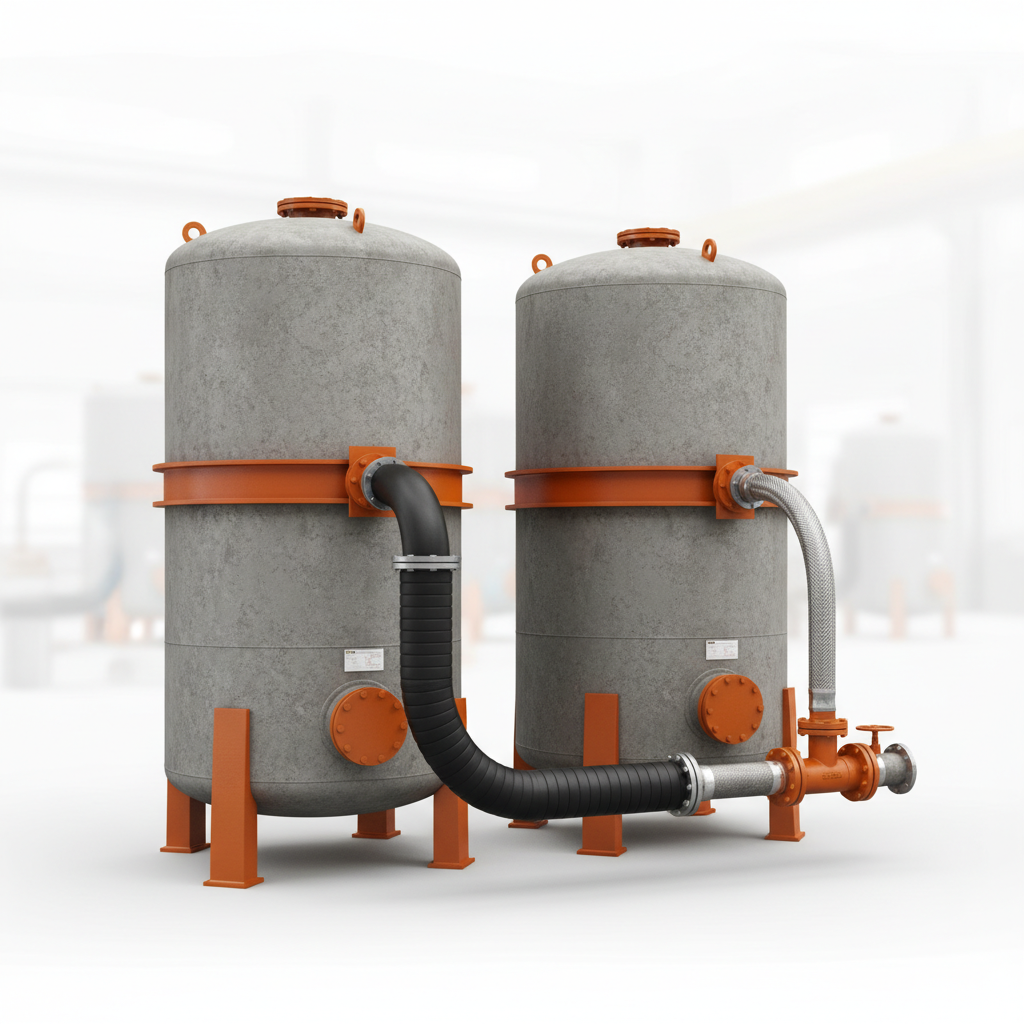
Simply put, a teflon lined tank is a containment vessel coated on its inside surface with polytetrafluoroethylene (PTFE), widely known by its brand name, Teflon. This lining forms a slick, non-stick, and chemically inert barrier between the tank's metal body and the products inside.
Why does this matter? Well, Teflon resists almost all chemicals — acids, bases, solvents — so it prevents corrosion, contamination, or unwanted chemical reactions. This makes such tanks indispensable in modern processing industries, pharmaceutical manufacturing, or even humanitarian efforts where clean water and safe storage matter endlessly. The global drive for safer, more reliable storage matches closely with the expanding use of these tanks.
Key Features That Make Teflon Lined Tanks Stand Out
Durability and Chemical Resistance
One of the core draws of Teflon lined tanks is their unmatched resistance to harsh chemicals. Because the lining is impervious, the metal underneath stays protected, extending the tank’s lifespan by years if not decades. Industries dealing with aggressive acids or alkaline mixtures rely on this technology to avoid costly leaks or catastrophic corrosion failures.
Scalability and Size Versatility
Oddly enough, Teflon lining technology isn’t just for tiny vessels. Manufacturers can coat tanks from a few hundred liters to tens of thousands, enabling diverse industrial uses. This scalability means plants can customize storage solutions without sacrificing quality or chemical protection.
Cost Efficiency Over Time
Granted, the upfront cost for Teflon lining can feel steep compared to standard tanks. But since these tanks reduce maintenance, cleaning downtime, and the risk of contamination or failure, many businesses find this investment pays off in operational savings.
Compliance with Industry Standards
From food and beverage to pharmaceuticals, many regulations mandate use of inert surfaces to avoid contamination. Teflon lined tanks help companies meet or exceed ISO, FDA, and other standards, easing audit processes and boosting product safety.
Ease of Cleaning and Maintenance
Thanks to Teflon's slick surface, residues rarely stick. This reduces cleaning time and chemical usage — a huge plus for plants juggling fast product changeovers or batch production.
Mini Takeaway: If you need reliable, scalable, and chemical-safe storage solutions, teflon lined tanks tick a lot of boxes. Their durability and regulatory advantages are especially important in critical industries.
Real-World Global Applications: Where Teflon Lined Tanks Shine
From bustling industrial centers in Germany to remote pharmaceutical compounding facilities in India, the reach of Teflon lined tanks is remarkably broad. Here are some vivid examples:
- Chemical Processing Plants: In Europe and North America, plants use these tanks to safely handle corrosive acids, solvents, and reactive compounds, cutting down shutdown risks.
- Food and Beverage Manufacturing: Asia-Pacific has seen growing use for acidic juices, dairy, and fermentation tanks, ensuring flavors remain unspoiled by metal reactions.
- Water Treatment Facilities: Particularly in Africa and South America, Teflon lined tanks enable safer storage of treatment chemicals, improving drinkable water access in emerging communities.
- Disaster Relief Operations: NGOs often require chemically safe, easy-to-clean storage when delivering aid — be it for medical supplies or potable water tanks.
In each of these scenarios, the tanks aren’t just tools; they’re enablers of safety, sustainability, and quality.
Advantages and Long-Term Value of Using Teflon Lined Tanks
Let’s face it — investing in industrial equipment isn’t just about numbers on a sheet. It’s also about trust, safety, and longevity.
- Cost Savings: Fewer repairs, longer lifespans, and less downtime translate into real financial benefits.
- Safety and Social Impact: Contamination or tank failure can cause health risks or environmental damage. Using reliable linings like Teflon contributes to safer communities and worker protection.
- Sustainability: Longer usability means less waste, fewer replacements, and reduced production footprints, aligning with global sustainable development efforts.
- Operational Reliability: Smooth processing without unexpected disruption builds confidence in supply chains and end-product quality.
There’s a distinct sense of security when you know your tanks won’t "play tricks" mid-production — and that’s worth something.
Looking Forward: Trends and Innovations Shaping Teflon Lined Tanks
The tech behind Teflon lined tanks isn’t standing still. Key future trends include:
- Hybrid Linings: Combining Teflon with other polymers to enhance abrasion resistance or thermal stability.
- Smart Sensors & Automation: Embedding IoT devices to monitor tank health, detect corrosion or leaks early, and automate cleaning cycles.
- Eco-Friendly Materials: Research into more sustainable fluoropolymers aims to reduce environmental footprints.
- Regulatory Pushes: New ISO standards likely to encourage advanced coatings for even stricter contamination prevention.
These advances hint at a future where tanks become not just passive storage but proactive participants in production safety and efficiency.
Overcoming Common Challenges with Experts’ Insight
One bottleneck remains: the cost and complexity of applying high-quality Teflon linings, which require specialized equipment and skilled labor. For smaller or emerging markets, this sometimes limits availability.
But recent solutions include modular tank designs that ship lined components for onsite assembly, and robotic lining application systems improving quality and cutting costs. Many suppliers also offer extended warranties and consultative support.
So while challenges persist, creative industry responses keep the benefits within reach of more businesses worldwide.
FAQs About Teflon Lined Tanks
- What makes Teflon lined tanks better than plain stainless steel tanks?
- Teflon lining offers superior chemical resistance and non-stick properties, which prevent corrosion and contamination that stainless steel alone might not withstand. This ensures longer durability and safer storage for harsh chemicals.
- Can Teflon lined tanks handle food-grade products safely?
- Absolutely. Teflon is FDA-approved for food contact and prevents flavor contamination, making these tanks ideal for dairy, juices, and other sensitive products.
- How long does the Teflon lining typically last?
- With proper maintenance, Teflon linings can last 10-20 years or more, depending on tank use and chemical exposure. Regular inspections help maximize lifespan.
- Are these tanks customizable to specific industrial needs?
- Yes, tanks can be sized and lined to precise requirements, including thickness of lining, tank shape, and integration with mixers or heaters.
- Where can I source high-quality Teflon lined tanks?
- Specialized manufacturers like those listed below provide quality products with certifications and tailored support.
Product Specification Table: Typical Teflon Lined Tank
| Specification | Details |
|---|---|
| Material | Carbon Steel or Stainless Steel (Body) |
| Lining | Polytetrafluoroethylene (PTFE), 0.25 – 0.5 mm thick |
| Capacity Range | 500 Liters to 50,000 Liters |
| Temperature Range | -50°C to +260°C |
| Pressure Range | Up to 3 bar (can be customized) |
| Certifications | FDA, ISO 9001, CE |
Comparison of Leading Vendors for Teflon Lined Tanks
| Vendor | Region | Lining Thickness | Customization | Lead Time | Warranty |
|---|---|---|---|---|---|
| ChemCo Tanks | Europe | 0.4 – 0.5 mm | High (Custom shapes, sizes) | 8-12 weeks | 5 years |
| PTFE Solutions | Asia | 0.25 – 0.4 mm | Medium (Standard sizes) | 6-10 weeks | 3 years |
| Global Lining Tech | North America | 0.3 – 0.45 mm | High (Full custom, tech support) | 10-14 weeks | 5 years |
Wrapping It Up: Why Teflon Lined Tanks Are Worth Considering
In short, Teflon lined tanks are more than just containers; they’re a long-term investment in operational safety, product purity, and cost efficiency. Whether you’re managing hazardous chemicals or delicate foodstuffs, their resilience and inert nature provide peace of mind that is tough to match.
If your business needs reliable storage that meets the highest standards of chemical resistance and ease of maintenance, it might be worth looking into the options detailed above.
Want to explore further? Check out teflon lined tanks and see how they could work for you.
References and Further Reading
Related Products
Our main products are polyurethane lined pipes, mining equipment fittings and metal hoses.