Comprehensive Guide to Rubber Lined Tanks: Industrial Applications & Benefits
Understanding Rubber Lined Tanks: Why They Matter Globally
Rubber lined tanks might not be headline news, but honestly, they play a vital role in modern industry and beyond. These specialized storage tanks are lined internally with thick rubber coatings to protect against corrosion, chemical reactions, and abrasion. Globally, with increasing industrial activity and strict environmental regulations, understanding rubber lined tank solutions helps industries store and transport corrosive or hazardous materials safely and sustainably.
Whether it’s chemical plants in Asia, wastewater treatment facilities in Europe, or mining operations in Africa, these tanks offer a durable, cost-effective way to tackle the harsh realities of storage challenges. Plus, their resistance to aggressive substances means fewer leaks and environmental hazards—an issue that international bodies like the ISO and the United Nations take seriously as industries expand.
Mini takeaway: Rubber lined tanks might sound niche but they protect people and the planet by preventing industrial chemical disasters worldwide.
The Global Context: Why Rubber Lined Tank Solutions Are Needed
Globally, industrialization is booming. The World Bank reports that developing economies are expanding chemical manufacturing and mining at rapid paces. However, with growth comes risk. Storage tanks traditionally made from steel or other metals often struggle with acidic, alkaline, or abrasive substances, leading to corrosion and—potentially—catastrophic failures.
This is where rubber lined tanks come in. By providing a chemical-resistant barrier, they dramatically extend tank lifespan. The UN Environment Programme notes that proper storage solutions reduce soil and groundwater contamination, a pressing concern in industrial hubs across Asia, Latin America, and Africa.
So, solving storage challenges with robust lining technology isn’t just about economics—it’s crucial for sustainable development and public health.
What Exactly Is a Rubber Lined Tank?
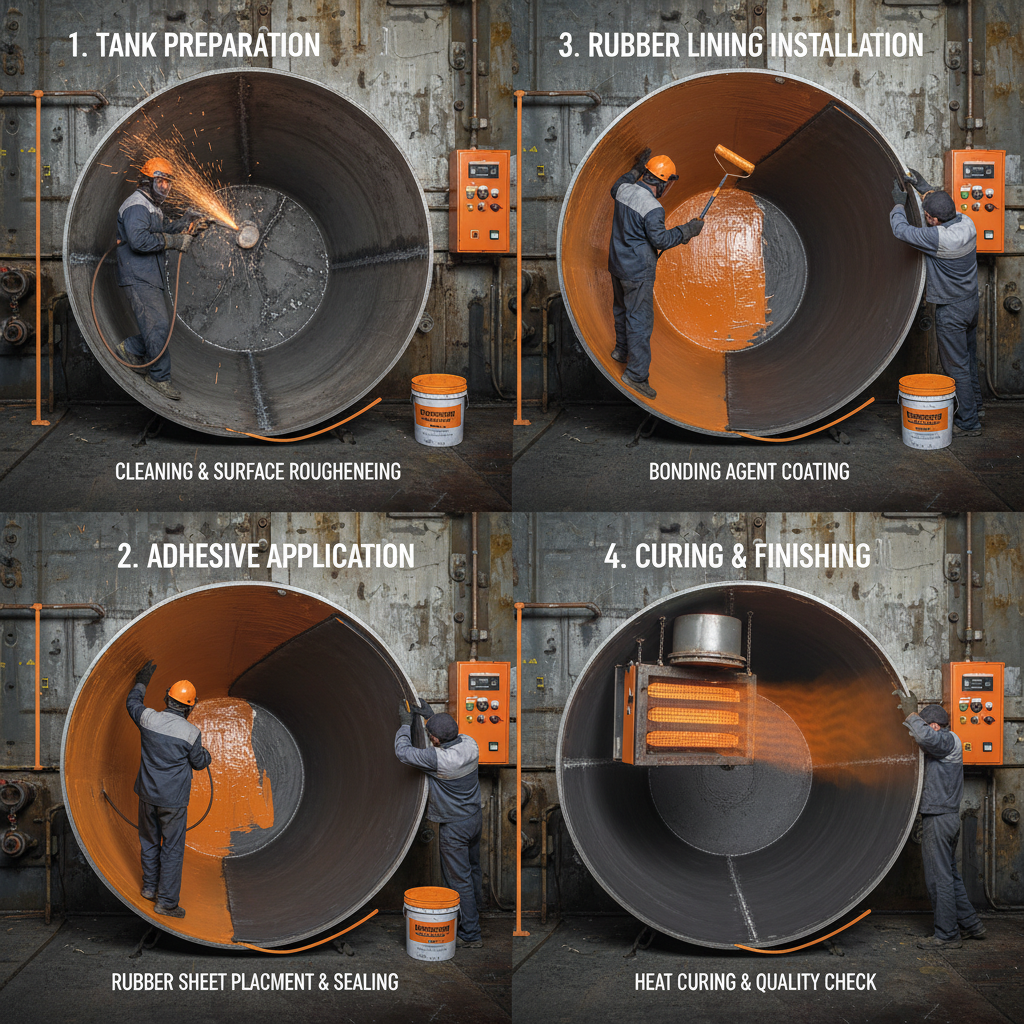
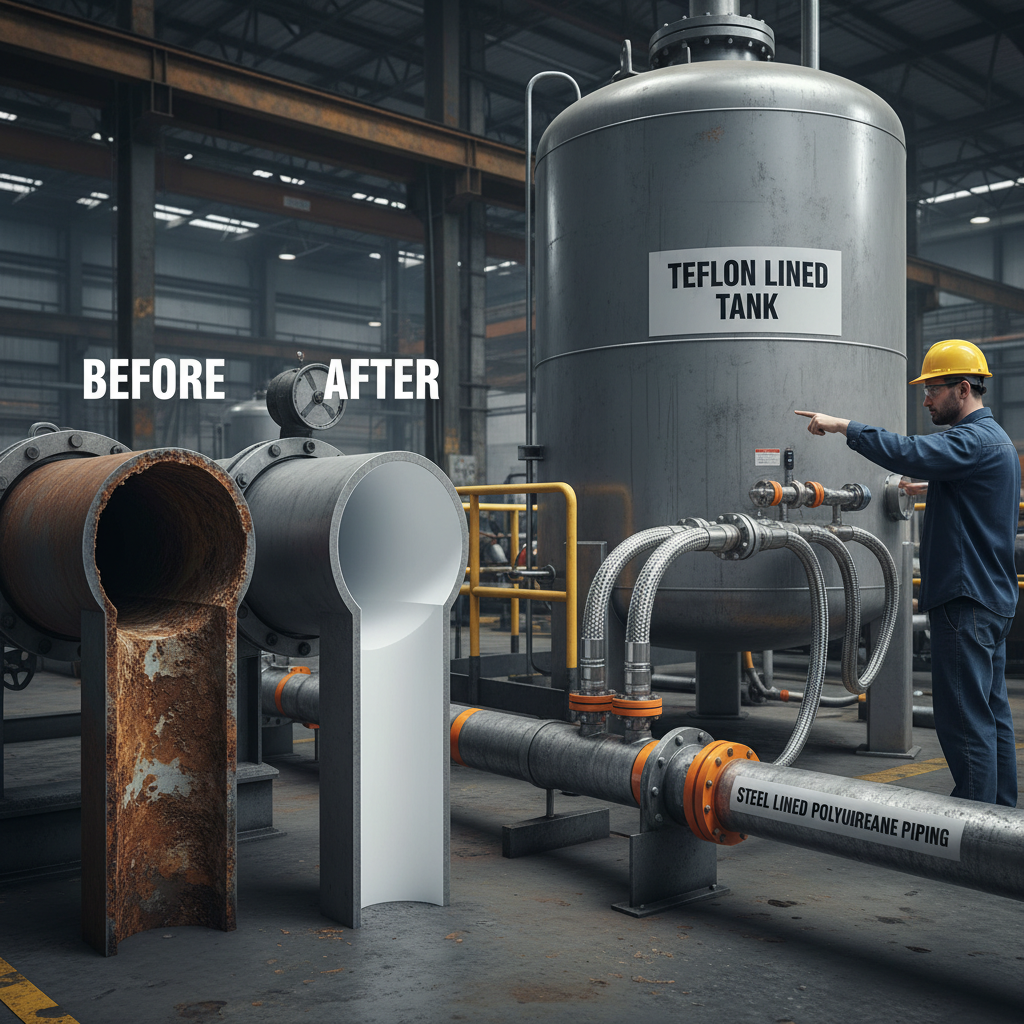
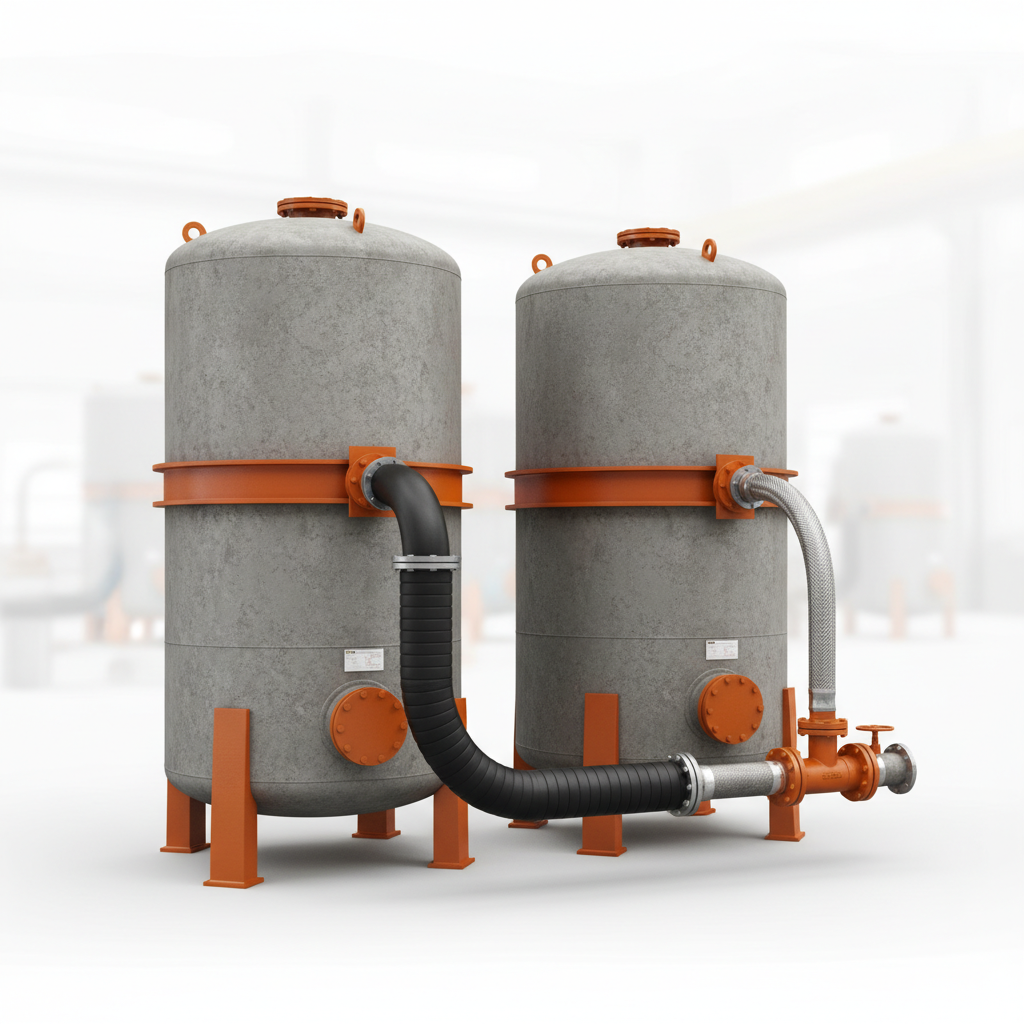
At its core, a rubber lined tank is a storage vessel (usually steel or alloy-built) whose interior is coated or lined with specially formulated rubber sheeting or spray rubber. This lining protects the tank walls from the corrosive, abrasive, or chemically reactive materials stored inside. Think of it like a tough inner glove shielding the tank’s metal from being “eaten away”.
These tanks are indispensable in industries that handle harsh chemicals, acids, alkalis, slurries, and even potable water when contamination prevention is key. They also play a humanitarian side role by safely storing treatment chemicals used in water purification for disaster relief or remote settlements.
Rubber lined tanks bridge industrial strength and chemical resistance, making them a modern-day industrial workhorse.
Core Components and Key Factors Behind Rubber Lined Tanks
1. Durability
The rubber lining offers remarkable durability against acids, alkalis, and corrosive solvents. This makes the tank last years longer than unlined steel alternatives, reducing downtime and maintenance costs.
2. Chemical Resistance
Unlike bare metal, the rubber shield prevents direct contact with chemicals, stopping corrosion and contamination. This is critical for hazardous or reactive materials.
3. Cost Efficiency
While lined tanks can have higher upfront costs versus simple steel, their long-term savings on repairs, replacements, and environmental compliance easily justify the investment.
4. Scalability and Customization
Rubber linings can be customized for specific chemical profiles and tank sizes, from small vessels for laboratories to massive storage tanks at industrial plants.
5. Safety and Environmental Compliance
Minimizing leaks and structural failures helps companies meet ever-growing regulatory standards for environmental safety.
| Specification | Typical Value/Range |
|---|---|
| Tank Material | Carbon Steel, Stainless Steel |
| Rubber Lining Material | Natural Rubber, Neoprene, EPDM, Nitrile |
| Lining Thickness | 3–10 mm (customizable) |
| Maximum Storage Temp. | 60–90°C (varies by rubber type) |
| Typical Applications | Acid Storage, Wastewater Treatment, Mining Slurries |
Real-World Applications: Where Rubber Lined Tanks Shine
These tanks pop up in all sorts of contexts worldwide:
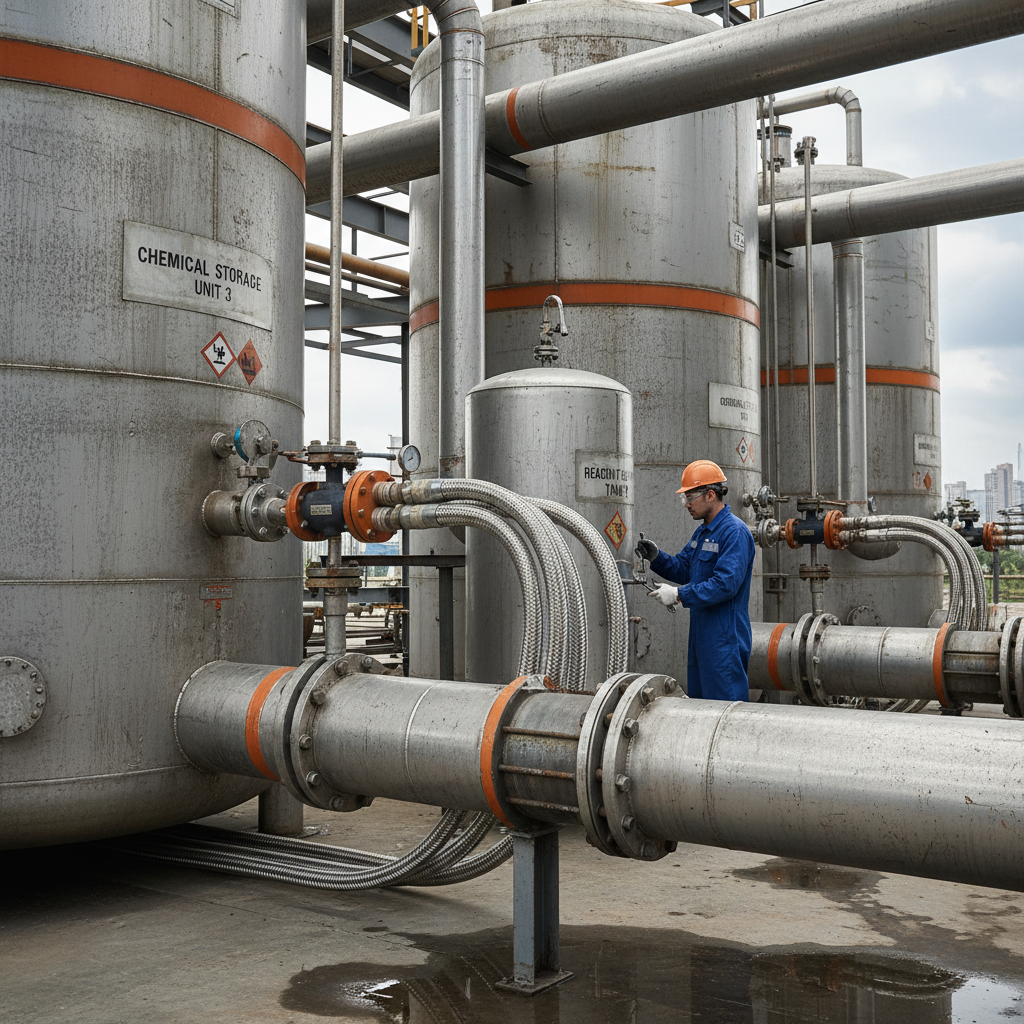
- Chemical Industry: Safely storing aggressive liquids like sulfuric acid, hydrochloric acid, or caustic soda.
- Mining: Containing abrasive slurry mixtures that could otherwise rapidly erode unprotected tanks.
- Water Treatment Plants: Storage for chlorine, flocculants, or other treatment chemicals.
- Food & Beverage: In some cases, special rubber linings help protect storage vessels from spoilage agents or cleaning chemicals.
Oddly enough, I've read about their use in remote industrial outposts where repairs are difficult and materials need to last. Also, in post-disaster relief, these tanks safely manage hazardous wastewater or chemical supplies, helping communities recover with safety intact.
Vendor Comparison: Rubber Lined Tank Providers
| Feature | Vendor A | Vendor B | Vendor C |
|---|---|---|---|
| Lining Materials Offered | Natural Rubber, EPDM | Neoprene, Nitrile | All major types |
| Max Tank Size | 50,000 liters | 30,000 liters | 100,000 liters |
| Customization Options | High | Moderate | Extensive |
| Typical Delivery Time | 6 weeks | 4 weeks | 8 weeks |
Advantages & Long-Term Value of Rubber Lined Tanks
Frankly, when industries consider cost, durability, safety, and environmental impact, rubber lined tanks often come out ahead. They’re not just about protecting the metal—they protect workers, neighborhoods, and ecosystems by minimizing leaks and failures.
- Cost Savings: Reduced replacement frequency and maintenance adds up to serious savings.
- Environmental Sustainability: Less chemical leakage means less contamination—a win-win for compliance and the planet.
- Safety & Trust: Knowing that toxic chemicals are securely contained promotes worker confidence and public trust.
- Innovation: Modern linings are evolving, allowing tanks to handle new materials once deemed too risky.
Future Trends & Innovations in Rubber Lined Tank Technology
The future looks fascinating. We’re seeing advances in lining materials that resist even higher temperatures and aggressive chemicals. The integration of sensors and IoT tech inside these tanks enables real-time monitoring for leaks or degradation—sort of a digital health check.
Also, "green" rubbers synthesized from sustainable sources are gaining traction. These innovations align with global trends pushing for reduced industrial emissions and greater circular economy practices.
Challenges & Expert Solutions
Of course, no technology is without challenges. Rubber linings can degrade under UV exposure, mechanical damage, or improper installation. Plus, tanks requiring frequent cleaning may risk lining wear.
Industry engineers suggest thorough training on installation and maintenance, plus selecting the right rubber type for specific chemicals and temperatures. Advances in vulcanization techniques and protective coatings help too, extending lining lifespans even in tough environments.
FAQ: Common Questions About Rubber Lined Tanks
- How long does a typical rubber lined tank last?
- Generally, with proper maintenance, rubber lined tanks last 10-20 years, sometimes longer depending on the chemical stored and environmental conditions.
- Can rubber lined tanks store strong acids like sulfuric acid?
- Yes, when lined with the appropriate rubber material like EPDM or natural rubber, these tanks are highly effective at safely storing strong acids.
- Are rubber lined tanks easy to repair if damaged?
- Minor lining damages can often be repaired onsite using patch kits or re-lining sprays, but extensive damage may require professional relining or tank replacement.
- Is the rubber lining food-safe for potable water storage?
- Some rubbers, such as FDA-approved EPDM, are suitable for potable water, but always confirm certifications depending on the intended use.
Conclusion
To wrap it up, rubber lined tanks are quietly critical components keeping the global industrial engine running safely and sustainably. They offer durability, chemical resistance, and valuable environmental protection. If you’re involved in chemical storage or industrial liquids handling, considering a rubber lined tank solution could save you money, headaches, and contribute to a safer world.
Looking to explore your options? Visit our website: QW Metal for more information.
Oddly enough, I’ve always thought these tanks deserve a bit more credit – behind the scenes, they’re the unsung heroes of industrial safety.
References
Related Products
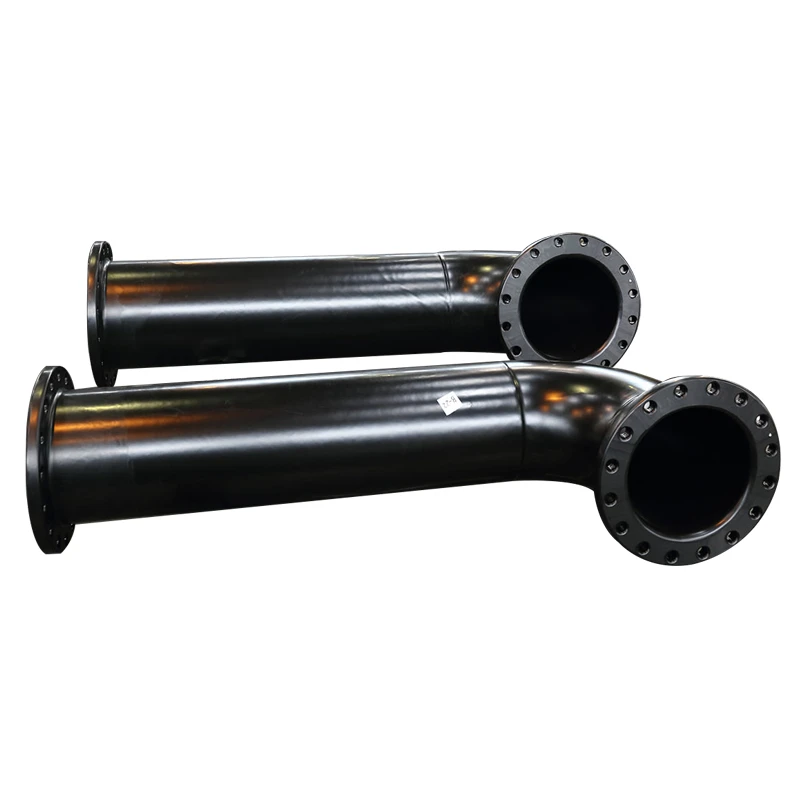
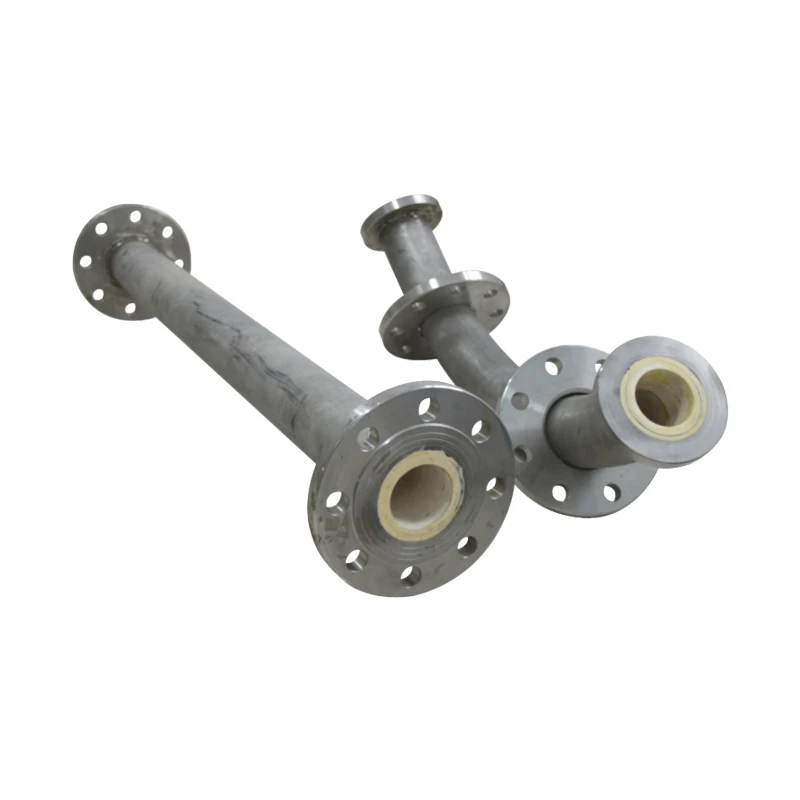
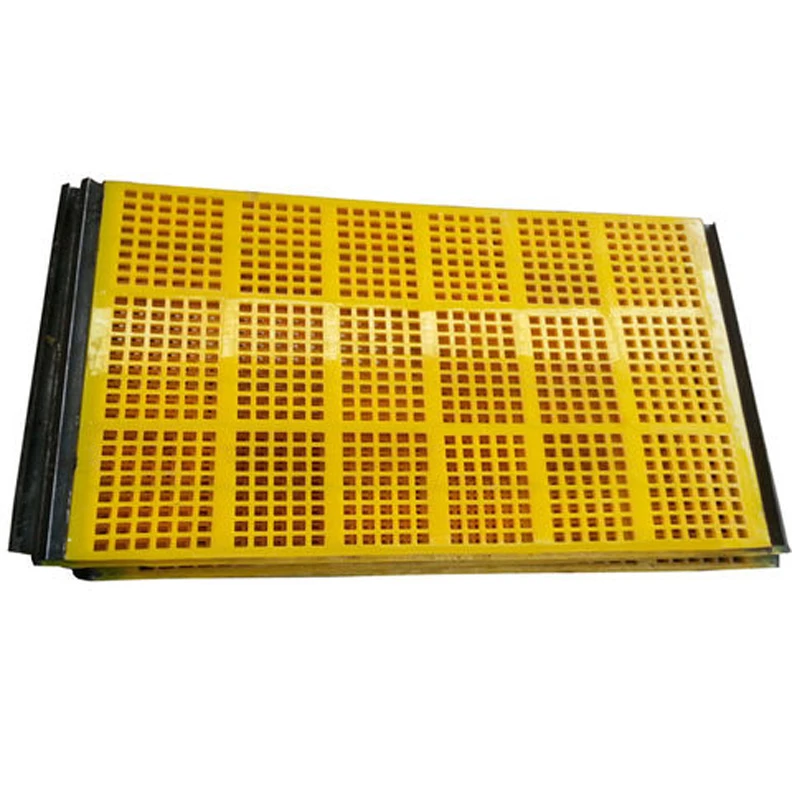
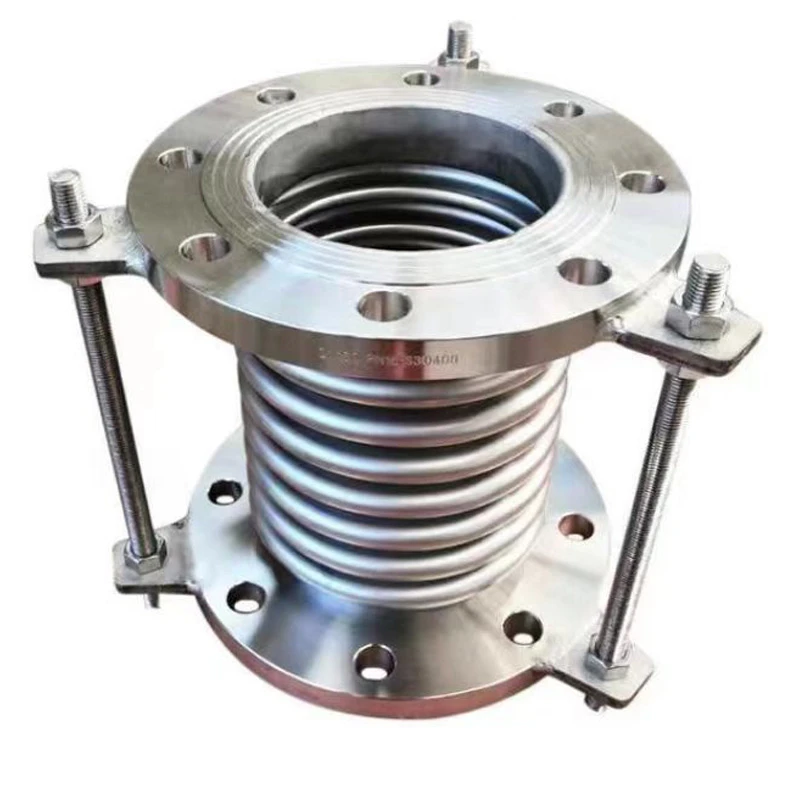
Our main products are polyurethane lined pipes, mining equipment fittings and metal hoses.