Comprehensive Guide to Acid Tanks: Industrial Safety & Sustainability
Acid Tanks: The Unsung Backbone of Modern Industry and Safety
When you think about the giant chemical plants, the water treatment facilities, or even the intricate mining operations around the world, one critical component that hardly gets much spotlight is the acid tank. Oddly enough, these seemingly simple containment vessels play a pivotal role in ensuring everything from safe chemical storage to environmental protection. Over the next several minutes, I want to take you through what acid tanks are, why they matter on a global scale, the key elements that define their effectiveness, and where the industry is headed.
The Global Importance of Acid Tanks
Acid tanks form the heart of many industrial processes that fuel the global economy. According to the International Organization for Standardization (ISO), chemical storage safety standards govern millions of tons of corrosive liquids stored worldwide annually. The World Bank highlights that industrial chemical storage incidents are a significant cause of environmental disasters, costing billions and affecting vulnerable communities globally.
Here’s the challenge: Proper storage of harsh substances like sulfuric acid, hydrochloric acid, and nitric acid is not just about containing liquids. These chemicals can be dangerously reactive and pose threats to workers, communities, and eco-systems if containment fails. Acid tanks address that challenge head-on, mitigating risks and enabling essential industrial activities worldwide.
What Exactly Are Acid Tanks?
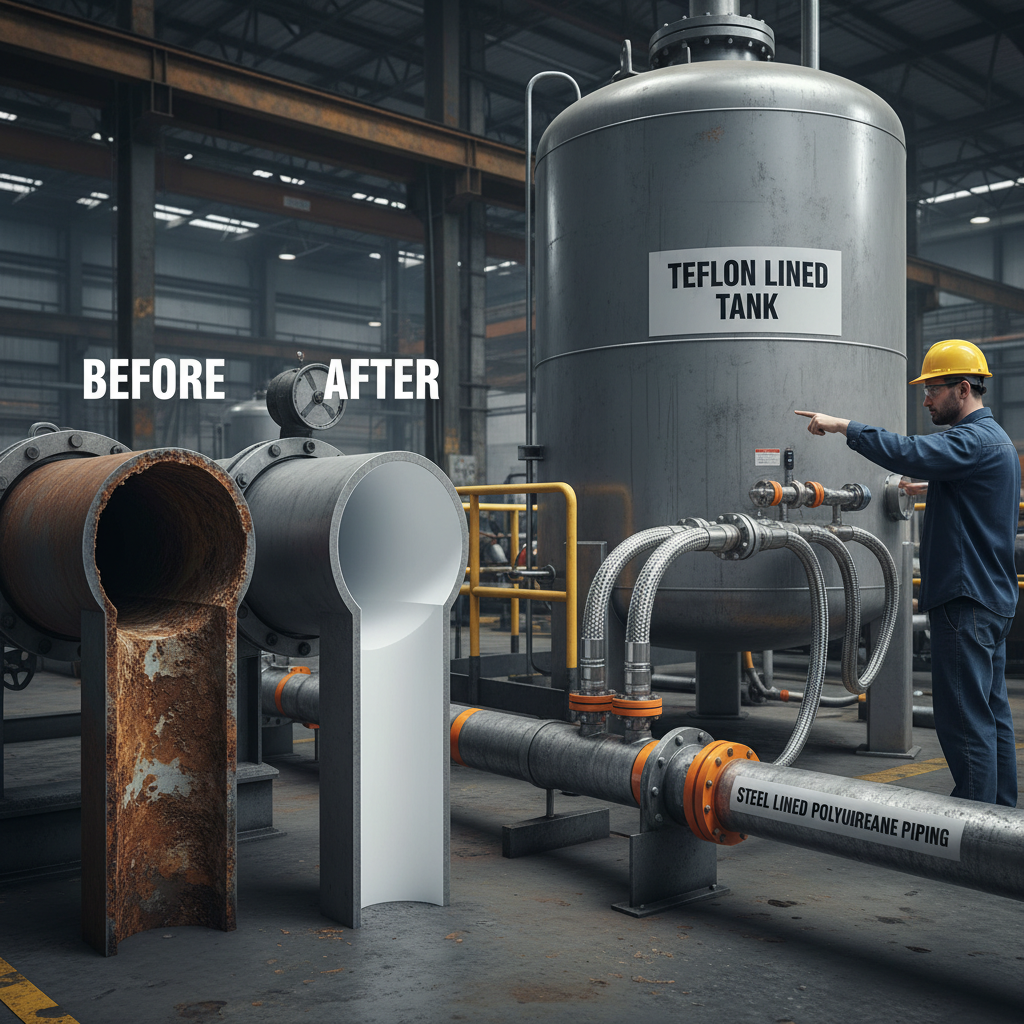
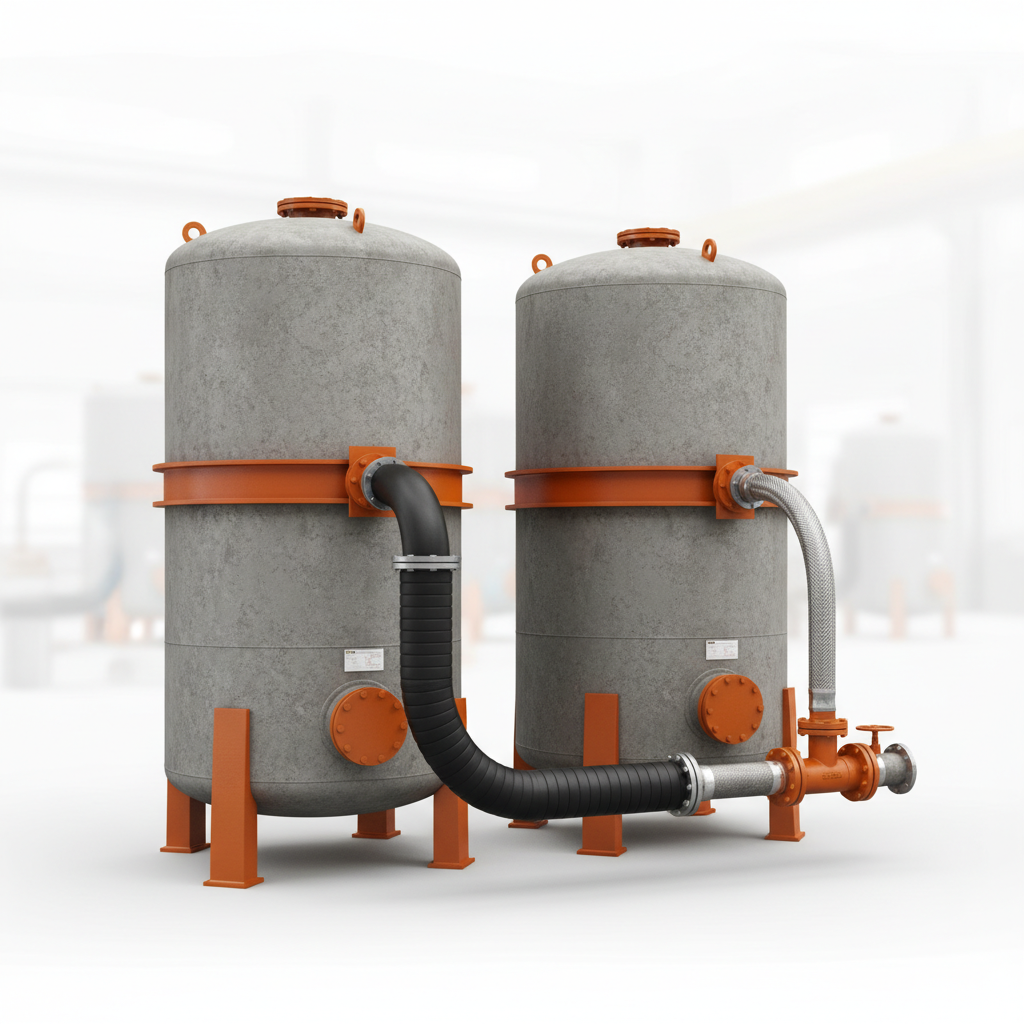
In simple terms, acid tanks are specially engineered containers designed to hold corrosive acids safely. These tanks can be made of various materials—stainless steel, fiberglass reinforced plastic (FRP), polyethylene—each chosen based on the acid's concentration and the environmental conditions.
Why does this matter? Well, industries like mining, pharmaceuticals, water treatment, and manufacturing rely heavily on these tanks to store and transport acids crucial for production. Even humanitarian efforts in sanitation or disaster relief may depend on temporary acid containment solutions to ensure safety and environmental compliance.
Core Components and Key Factors of Acid Tanks
1. Durability and Corrosion Resistance
Acids are, by nature, highly corrosive. So, durability isn’t just a nice-to-have; it’s an absolute must. Materials like high-density polyethylene (HDPE) have become popular thanks to their corrosion resistance and relative cost efficiency. FRP tanks, layered and chemically resistant, offer long service lives but at higher prices.
2. Scalability and Capacity
Acid tanks come in many sizes, from small lab containers to massive industrial vats holding thousands of liters. Scalability allows industries to customize storage solutions to their exact needs without overspending or risking insufficient capacity.
3. Cost Efficiency
Choosing the right acid tank involves balancing upfront costs against lifetime value. Sometimes, a cheaper tank made of less durable material leads to hidden maintenance expenses down the line. More durable tanks may cost more initially but save big on repairs and downtime.
4. Safety Features and Compliance
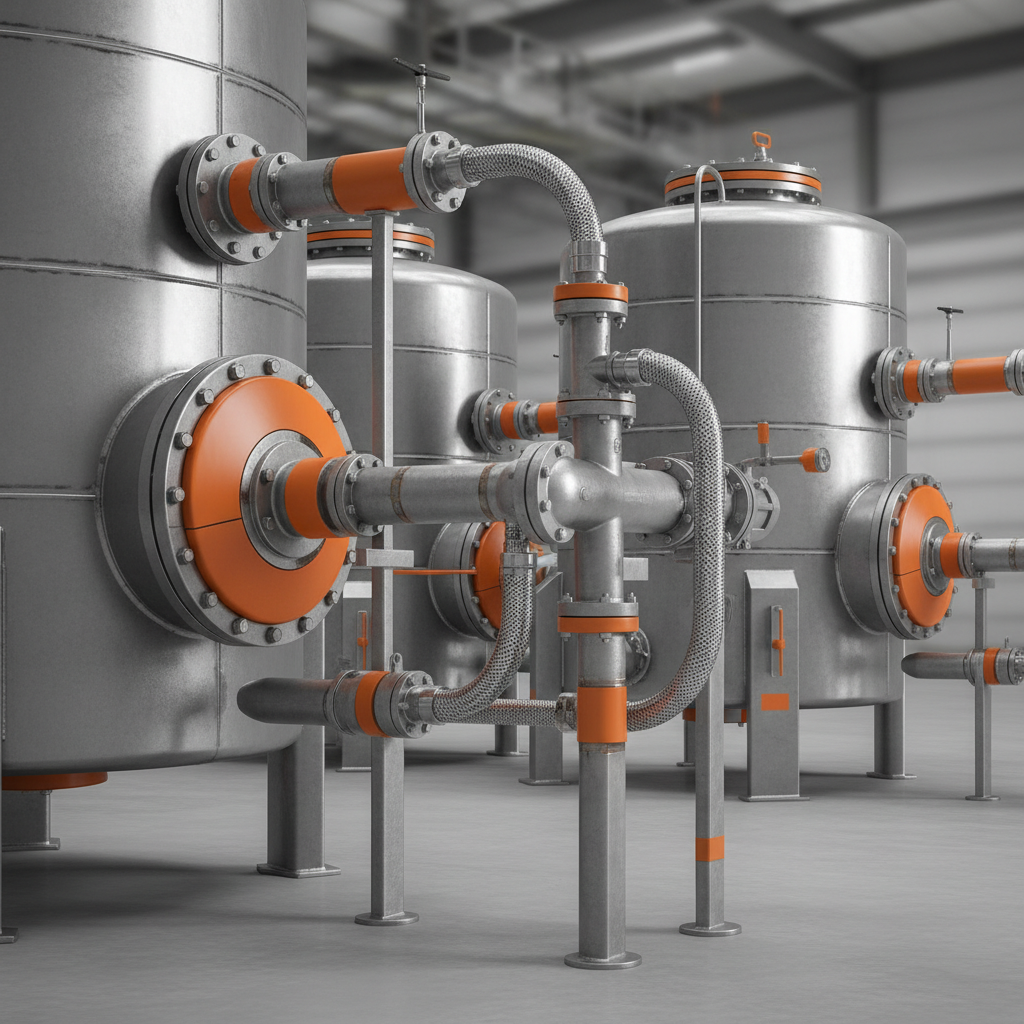
Safety is paramount. Most acid tanks are designed to meet rigorous international standards (such as ISO 9001 for quality and ISO 14001 for environmental management). Features include leak detection systems, secondary containment, emergency vents, and anti-static finishes. These measures reduce risks of accidents, protecting workers and the environment.
5. Maintenance and Inspection Ease
In real terms, ease of maintenance can make or break the tank’s operational lifespan. Tanks designed for easy cleaning and inspection reduce downtime and help spot issues before they become costly problems.
Acid Tanks: Global Applications and Use Cases
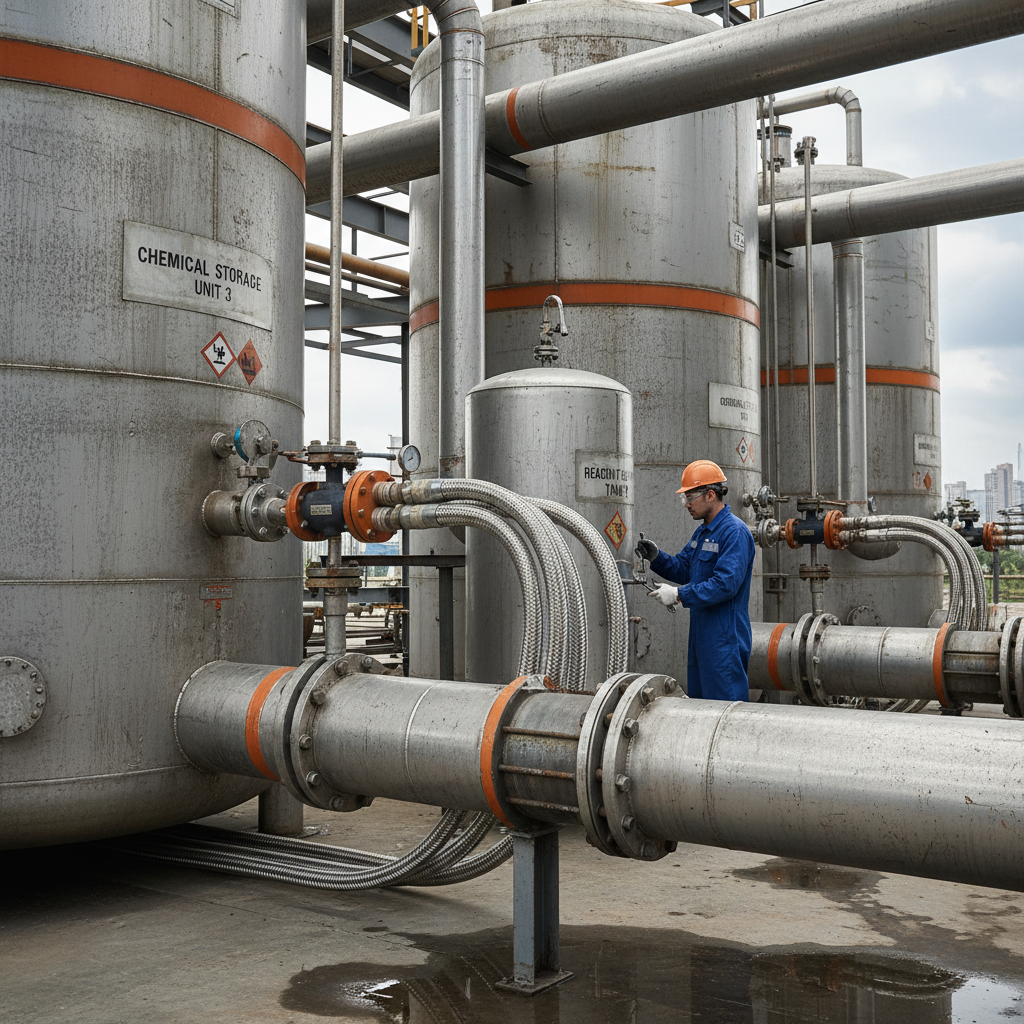
In North America and Europe, acid tanks are ubiquitous in water treatment plants, used to store acids that adjust pH and remove pollutants. In mining hubs like Chile and South Africa, these tanks store sulfuric acid, essential for mineral extraction.
In post-disaster relief, portable acid tanks enable safe chemical use and storage, ensuring that rebuilding efforts don’t add to ecological harm. In remote industrial zones in Southeast Asia, rugged acid tanks adapted to extreme climate protect both facilities and local populations.
Their versatility means they support industries as varied as textiles, agriculture (for fertilizer production), solvents manufacturing, and environmental remediation globally.
Product Specification Table: Common Acid Tank Materials & Features
| Material | Corrosion Resistance | Typical Capacity Range | Cost Level | Common Applications |
|---|---|---|---|---|
| High-Density Polyethylene (HDPE) | Excellent for most acids | 50 - 10,000 liters | Low to Medium | Water treatment, agriculture |
| Fiberglass Reinforced Plastic (FRP) | Very High, chemically resistant | 500 - 25,000 liters | High | Mining, chemical industry |
| Stainless Steel (316L) | Good, limited to mild acids | 100 - 50,000 liters | Very High | Pharmaceutical, food grade |
Vendor Comparison: Acid Tank Providers
| Vendor | Material Expertise | Lead Time (weeks) | Customization Options | Warranty |
|---|---|---|---|---|
| Alpha Tanks Co. | HDPE, FRP | 4 - 6 | Size, fittings, color | 5 years |
| Beta Storage Solutions | Stainless steel, FRP | 6 - 8 | Custom sizes, coatings | 3 years |
| Gamma Tanks Ltd. | HDPE, polypropylene | 3 - 5 | Standard sizes only | 2 years |
Advantages and Long-Term Value of Acid Tanks
There’s a practical beauty in acid tanks’ ability to combine safety, reliability, and economic sense. They help industries avoid catastrophic failures, reduce environmental liabilities, and ensure compliance with legal frameworks — which frankly, can be incredibly costly if ignored.
On a more emotional level, acid tanks embody trust — the trust that workers come home safe, that communities aren’t at risk from toxic leaks, and that companies uphold their moral and legal responsibilities. When you consider sustainability, well-maintained tanks minimize waste and allow for safer recycling of chemicals and materials.
Future Trends and Innovations in Acid Tank Technology
Looking ahead, manufacturers are experimenting with smart acid tanks integrated with IoT sensors to monitor chemical levels, detect leaks early, and predict maintenance needs. New composite materials offer lighter weight and even greater corrosion resistance, aligning with green energy and sustainability goals.
Digital transformation is touching this industry, too. Automated filling and monitoring systems reduce human exposure, and regulatory bodies are pushing for stricter standards that these innovations help meet.
Challenges and Expert Solutions
Despite all this progress, challenges remain. For example, transporting massive acid tanks to remote sites can incur significant costs and risk. Also, misapplication due to lack of training or wrong material selection can lead to failures.
Our expert tip? Always factor in environmental conditions and acid types meticulously, and invest in staff training. Modular tank designs and on-site assembly options also help overcome logistical hurdles.
FAQ: Frequently Asked Questions About Acid Tanks
- Q: What material is best for storing sulfuric acid?
A: Fiberglass Reinforced Plastic (FRP) tanks are often preferred for sulfuric acid due to their excellent chemical resistance and durability, especially at higher concentrations. - Q: How often should acid tanks be inspected?
A: Regular inspections are crucial—usually every 6 to 12 months—depending on usage and local regulations, to detect corrosion or leaks before they become serious. - Q: Can acid tanks be customized to fit specific industrial needs?
A: Yes, most vendors offer customization options like size, fittings, and coatings to match the exact chemical properties and site constraints. - Q: Are there eco-friendly acid tank options?
A: Yes, tanks made from recyclable materials and designed for long life cycles help reduce environmental impact, alongside innovations like smart monitoring that minimize chemical wastage. - Q: How can I ensure safe transport of acid tanks internationally?
A: Partnering with experienced logistics providers who understand hazardous materials transport regulations and using modular tanks that disassemble for shipping can improve safety and reduce costs.
Conclusion – Why Acid Tanks Matter More Than You Might Think
Acid tanks might not make the headlines, but their role in shaping safe, sustainable industries worldwide is invaluable. Whether it’s a massive refinery in Texas or a remote mining site in Zambia, these tanks protect people and the planet.
If you’re interested in dependable, high-quality acid tanks, make sure to visit our website for detailed product options and expert advice tailored to your industry needs.
Mini takeaway: Understanding acid tanks is about embracing safety, innovation, and sustainability in chemical management — a win for businesses and communities alike.
References:
1. ISO 9001 Quality Management
2. World Bank Environmental Data
3. Wikipedia: Chemical Storage Tanks
Related Products
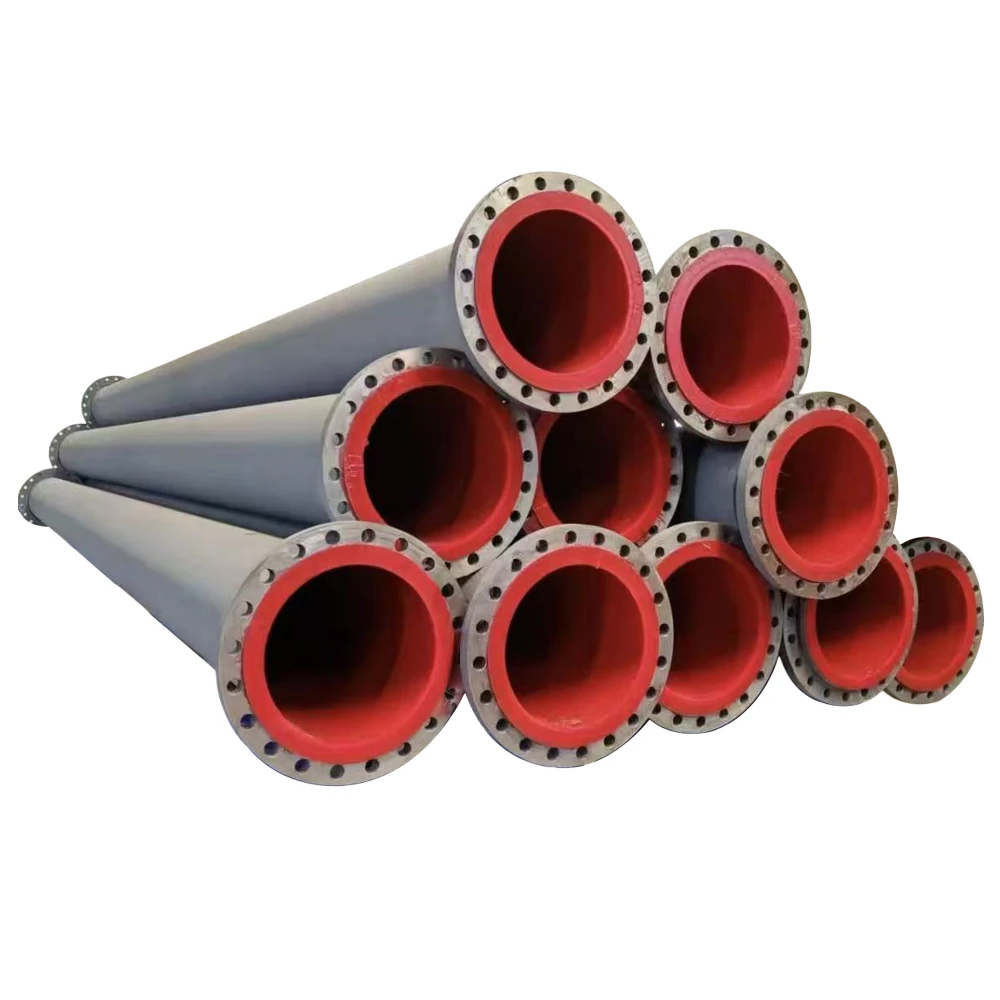
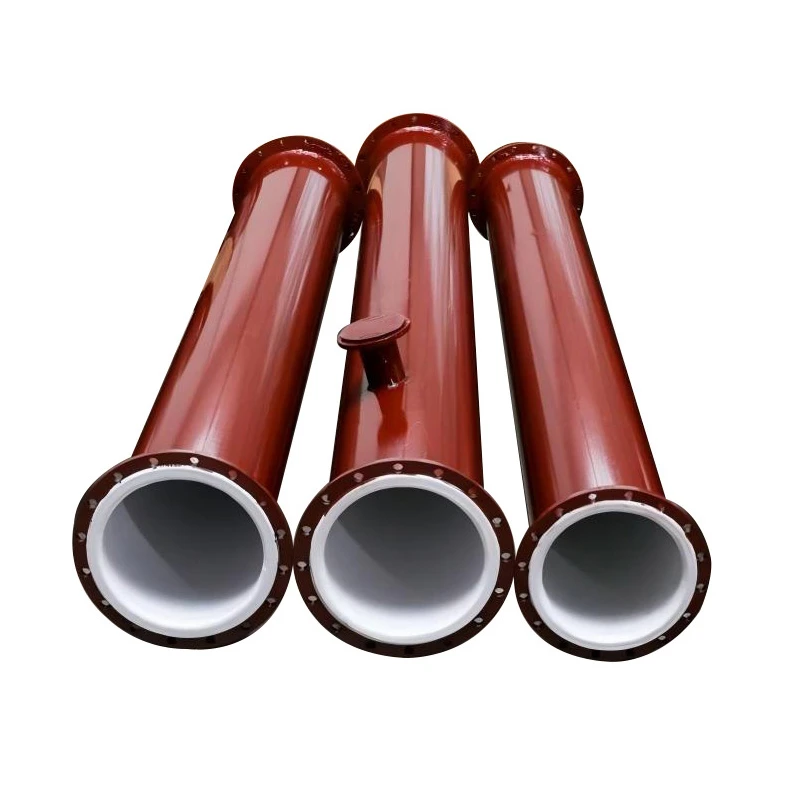
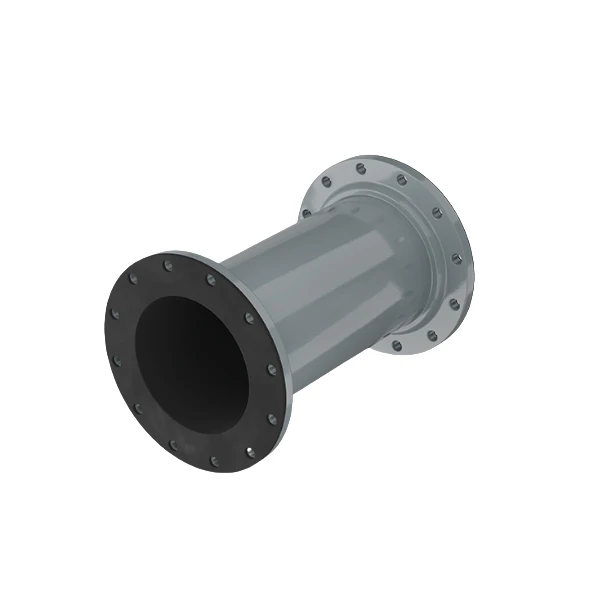
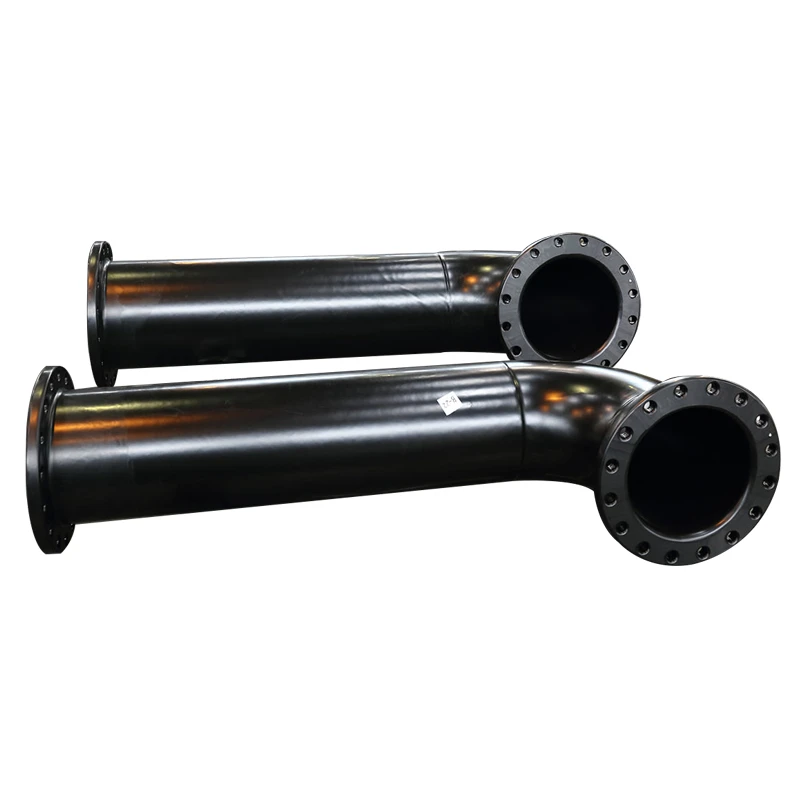
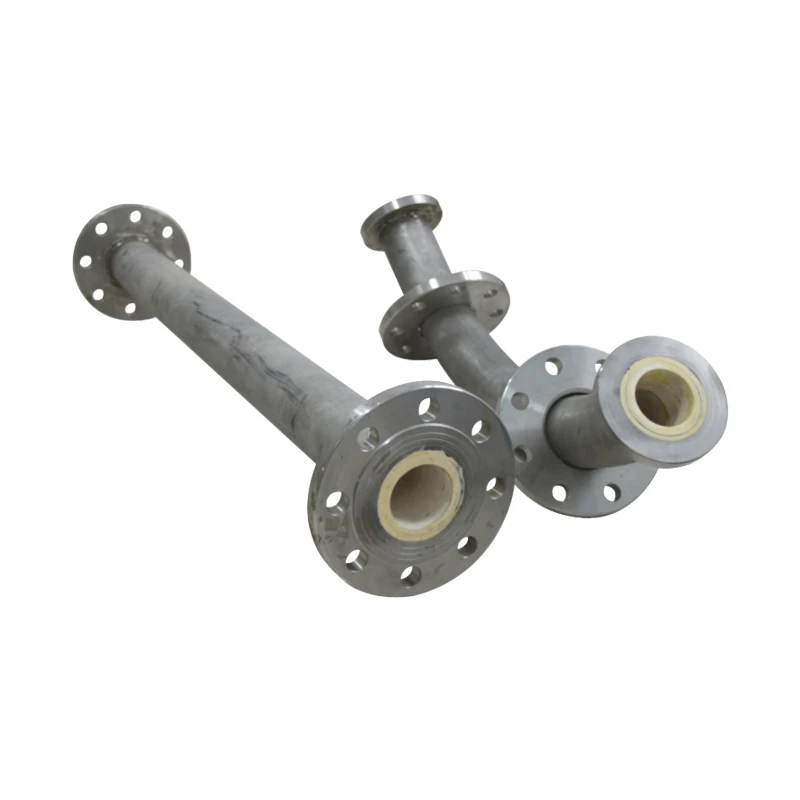
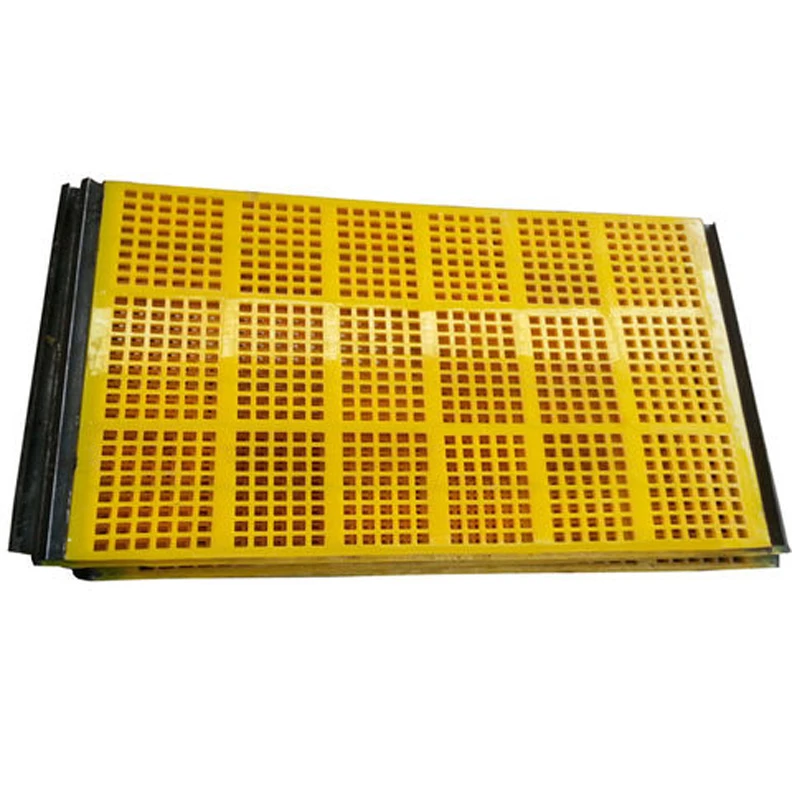
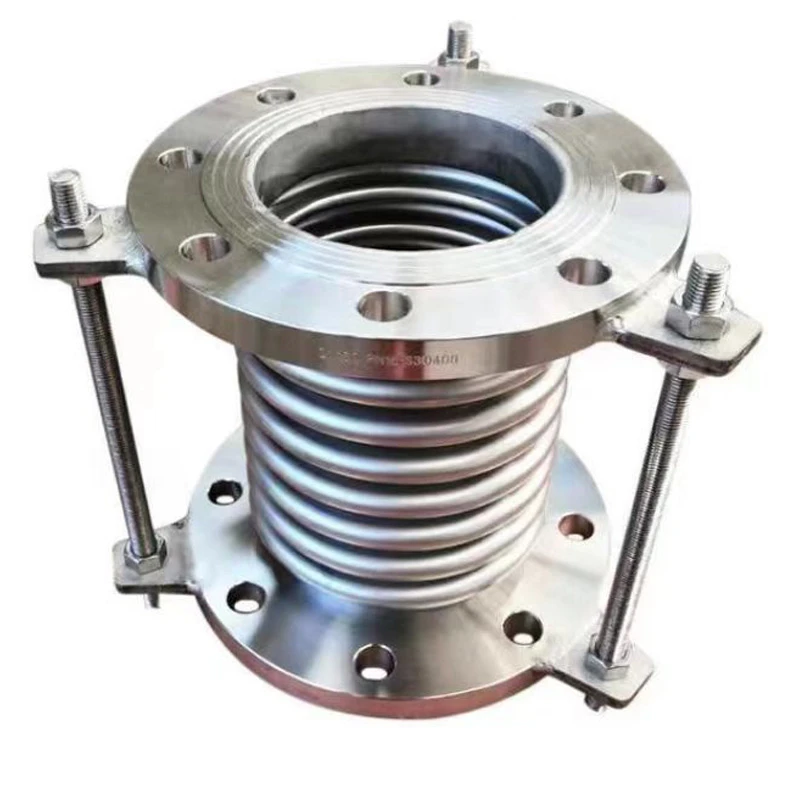
Our main products are polyurethane lined pipes, mining equipment fittings and metal hoses.