Superior Polyurethane Board: Excellent Insulation & Durability
Introduction to Advanced Polyurethane Board Solutions
In the realm of advanced industrial materials, Polyurethane board stands out as a versatile and high-performance solution, critical for a multitude of demanding applications. Renowned for its exceptional mechanical properties, chemical resistance, and customizable formulations, it addresses stringent requirements across diverse sectors. This article delves into the intricate aspects of Polyurethane board, from its manufacturing nuances and technical specifications to its widespread industrial applications and strategic advantages, providing a comprehensive resource for B2B decision-makers and technical specialists.
Industry Trends and Market Dynamics
The global market for polyurethane products, including Polyurethane board, is experiencing robust growth, driven by increasing industrialization, infrastructure development, and a growing emphasis on material performance and longevity. Key trends include a rising demand for lightweight yet durable materials, enhanced sustainability profiles, and specialized formulations for extreme operating conditions. Innovations in polymer science are continuously expanding the application envelope, with a particular focus on fire-retardant grades, anti-static properties, and improved abrasion resistance. The transition towards more energy-efficient and corrosion-resistant solutions in sectors like mining, petrochemical, and automotive is a primary accelerator for the adoption of advanced polyurethane compounds.
Geographically, emerging economies are significantly contributing to market expansion, fueled by investments in manufacturing and processing industries. Furthermore, the push for circular economy principles is prompting manufacturers to develop recycled content polyurethane boards or those with extended service life, thereby reducing waste and environmental impact. This dynamic environment necessitates that suppliers not only offer standard products but also provide bespoke solutions tailored to evolving client requirements and regulatory landscapes.
Manufacturing Process and Quality Assurance
The production of high-quality Polyurethane board involves a carefully controlled sequence of chemical reactions and mechanical processes, ensuring the desired physical and chemical properties are achieved. The primary materials consist of a polyol (a polymer with multiple hydroxyl groups) and an isocyanate, combined with various additives such as catalysts, chain extenders, blowing agents, and flame retardants to fine-tune the material's characteristics. The process typically begins with meticulous material preparation and precise mixing, followed by casting or molding.
Detailed Process Flow:
- Raw Material Preparation: Selection and precise measurement of polyols, isocyanates, and additives. Quality checks ensure purity and consistency of incoming materials.
- Mixing and Reaction: The measured components are thoroughly mixed under controlled temperature and pressure conditions. This initiates the exothermic polymerization reaction, forming the polyurethane polymer.
- Casting/Molding: The reactive mixture is then cast into molds of various sizes and shapes. For board production, continuous casting or batch casting techniques are employed, depending on volume and specific product dimensions. This stage is critical for achieving uniform density and void-free structures.
- Curing and Post-Curing: The cast material undergoes an initial curing phase within the mold. After demolding, a post-curing process, often involving elevated temperatures, is conducted to ensure complete polymerization, optimize mechanical properties, and achieve dimensional stability.
- Machining and Finishing: Post-cured polyurethane blocks or sheets are then machined to precise final dimensions using techniques such as CNC machining, sawing, and grinding. This ensures adherence to tight tolerances required for specific applications.
- Quality Control and Testing: Throughout the entire process, rigorous quality control measures are implemented. Finished Polyurethane board products undergo comprehensive testing for mechanical strength (tensile, compression, tear), hardness (Shore A/D), abrasion resistance, chemical resistance, and dimensional accuracy, adhering to international standards such as ISO 868, ISO 178, and ASTM D2240.
The use of advanced casting techniques ensures a highly uniform material structure, free from internal stresses, which contributes significantly to the exceptional service life of the boards. Our adherence to stringent ISO 9001 certified manufacturing protocols guarantees product consistency and reliability for critical industrial applications.
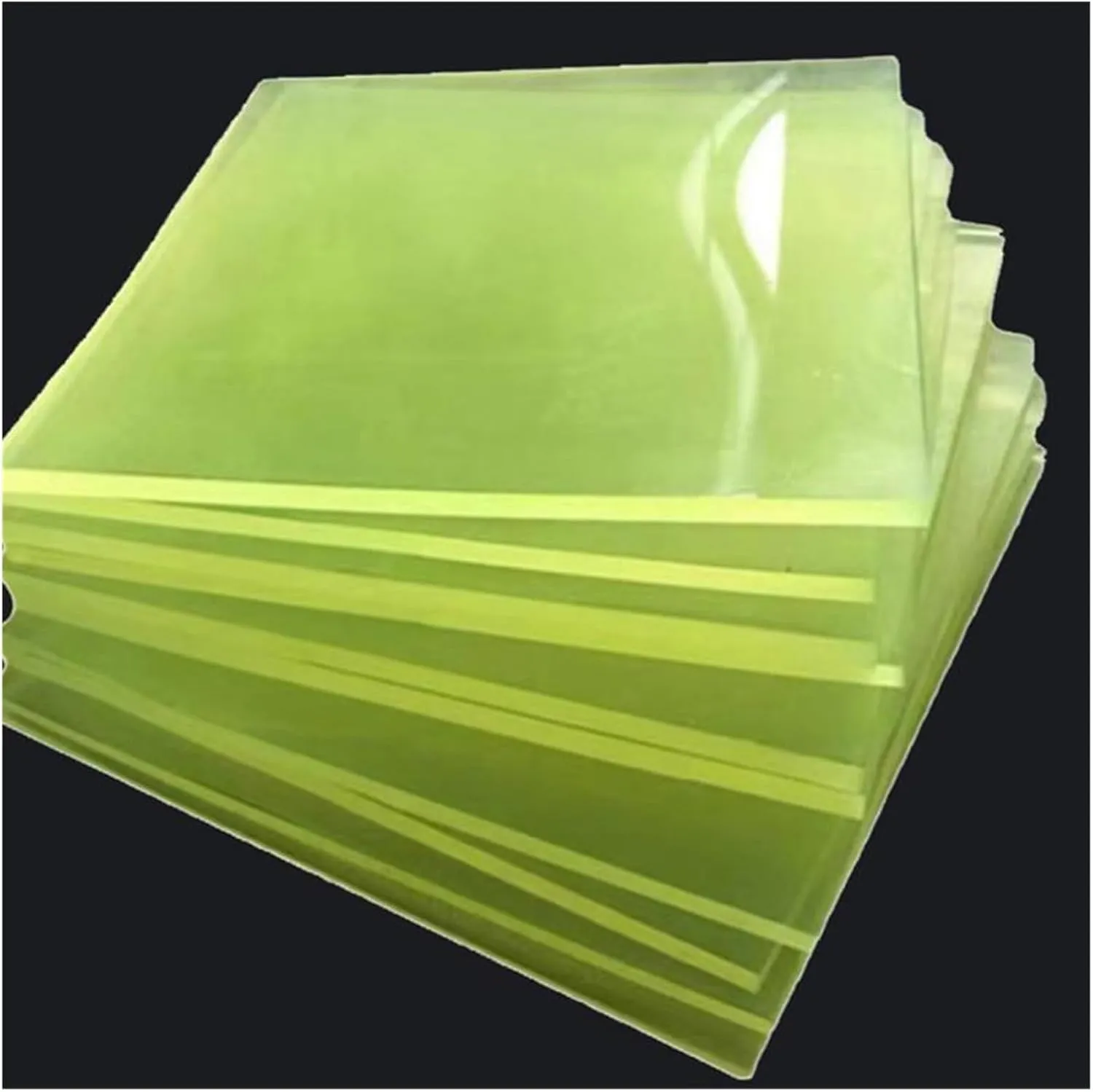
Illustrative image of Polyurethane board during a manufacturing stage, emphasizing quality control.
Technical Specifications and Performance Parameters
The superior performance of Polyurethane board in demanding industrial environments is attributed to its unique combination of physical and chemical properties. These properties can be precisely engineered by adjusting the raw material formulations and manufacturing parameters, allowing for specialized grades tailored to specific application requirements.
Typical Technical Specifications of Polyurethane Board:
| Parameter | Unit | Typical Range (Standard Grade) | Relevant Standard |
|---|---|---|---|
| Hardness | Shore A/D | 60A – 75D | ASTM D2240 / ISO 868 |
| Tensile Strength | MPa | 25 – 60 | ASTM D412 / ISO 37 |
| Elongation at Break | % | 300 – 700 | ASTM D412 / ISO 37 |
| Tear Strength (Die C) | kN/m | 30 – 100 | ASTM D624 / ISO 34-1 |
| Abrasion Resistance | mm³ loss | < 50 (DIN 53516) | DIN 53516 |
| Specific Gravity | g/cm³ | 1.10 – 1.25 | ASTM D792 / ISO 1183 |
| Operating Temperature Range | °C | -40 to +80 | Internal Test Methods |
These specifications highlight the material's resilience and adaptability. For instance, the high elongation at break combined with excellent tear strength makes Polyurethane board ideal for applications subject to dynamic stresses and impact. Its superior abrasion resistance, often many times better than traditional rubber, significantly extends the service life in abrasive wear environments, directly translating to reduced maintenance costs and downtime.
Application Scenarios and Target Industries
The exceptional properties of Polyurethane board enable its use across a broad spectrum of demanding industrial applications, offering solutions where conventional materials fall short. Its versatility makes it a preferred choice for improving efficiency, durability, and safety in critical operations.
Key Target Industries and Applications:
- Petrochemical Industry: Used in liner plates for chutes, hoppers, and pipelines to resist abrasive slurries and corrosive chemicals. Its inertness to a wide range of oils, solvents, and fuels ensures long-term performance in refineries and chemical processing plants, contributing to system integrity and reduced downtime.
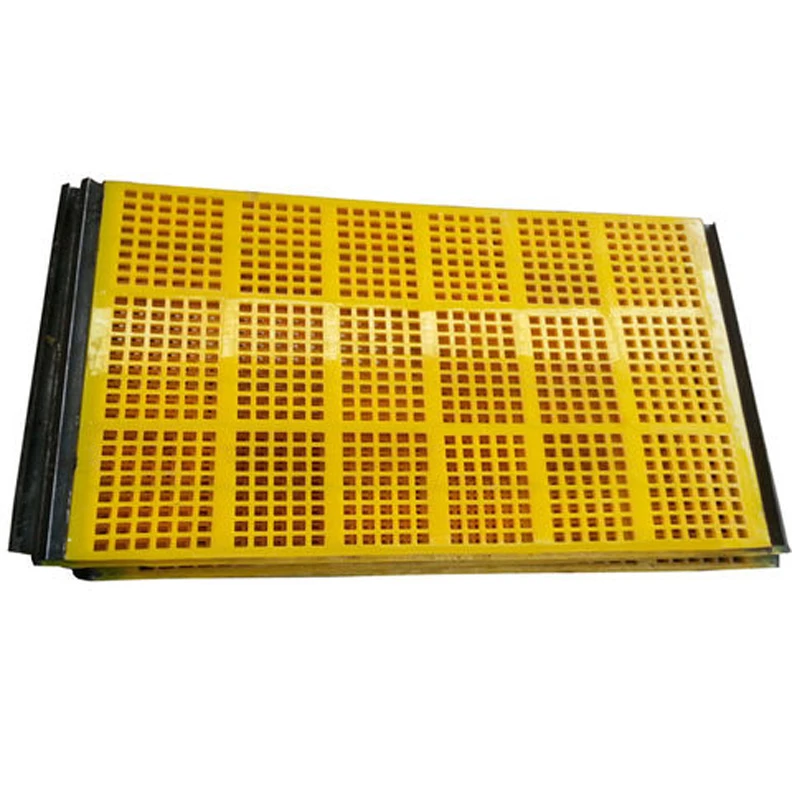
- Metallurgy and Mining: Indispensable for wear-resistant linings in vibratory feeders, screens, and flotation cells. The material's high impact absorption properties protect equipment from heavy impacts and prolonged abrasive wear from ores and minerals, significantly extending component life and reducing maintenance cycles.
- Water Supply & Drainage: Utilized for seals, gaskets, and scraper blades in water treatment facilities and pumping stations. Its resistance to hydrolysis and microbial growth, combined with excellent sealing capabilities, ensures efficient operation and minimizes leakage and contamination risks.
- Material Handling: Employed in conveyor belt scrapers, impact pads, and wear strips. The high coefficient of friction and superior abrasion resistance prevent material buildup, minimize belt damage, and ensure efficient material transfer, thereby enhancing operational efficiency and energy saving.
- Automotive and Manufacturing: Custom-fabricated components for dampening, shock absorption, and tooling. The elastic memory and vibration isolation properties are crucial for noise reduction and protecting sensitive equipment, while high-strength grades are used in forming pads and press tools.
- Construction: Used as anti-vibration mounts, sealing strips, and protective linings for heavy machinery parts. Its durability under harsh weather conditions and mechanical stresses makes it ideal for robust outdoor applications.
In these scenarios, the ability of Polyurethane board to offer a superior combination of abrasion resistance, chemical inertness, and mechanical robustness directly translates to enhanced equipment longevity, reduced operational costs, and improved safety standards, proving its value as a premier engineering material.
Technical Advantages and Performance Benchmark
The inherent advantages of Polyurethane board position it as a critical material for high-performance applications, often surpassing traditional materials like rubber, plastic, and even certain metals in specific use cases. Understanding these advantages is key for engineers and procurement specialists seeking optimal solutions.
Comparative Advantage Over Other Materials:
| Property | Polyurethane Board | Natural Rubber | Nylon | Mild Steel |
|---|---|---|---|---|
| Abrasion Resistance | Excellent (5-10x better than rubber) | Good | Fair | Poor (rusts) |
| Tear Strength | Very High | High | Moderate | N/A (fractures) |
| Impact Resistance | Excellent | Good | Fair | High (deforms) |
| Chemical Resistance | Good to Excellent (customizable) | Poor (oils, solvents) | Good (some acids) | Poor (corrodes) |
| Load Bearing Capacity | High | Moderate | High | Very High |
| Noise & Vibration Dampening | Excellent | Good | Poor | Poor |
This comparative analysis clearly illustrates that Polyurethane board offers a compelling balance of properties. Its superior abrasion resistance directly translates into significantly extended service life for wear parts in highly abrasive environments, leading to substantial reductions in replacement frequency and associated labor costs. The high load-bearing capacity combined with excellent elastic memory means that polyurethane components can withstand heavy loads and repeated deflections without permanent deformation, maintaining their original shape and functionality over time. Furthermore, its ability to damp noise and vibration is a critical advantage in industrial settings, contributing to improved worker safety and reduced equipment fatigue.
Vendor Comparison and Customized Solutions
Selecting the right supplier for Polyurethane board is paramount to project success, as material quality directly impacts operational efficiency, safety, and cost-effectiveness. A thorough vendor comparison should extend beyond mere price, focusing on manufacturing capabilities, quality assurance, technical support, and customization expertise.
Key Considerations for Vendor Selection:
- Manufacturing Excellence: Assess the vendor's adherence to international standards (e.g., ISO 9001, ANSI), their process control, and the consistency of their product quality. Verify their ability to produce boards with uniform hardness, density, and minimal internal defects.
- Material Expertise and Customization: A leading vendor should offer extensive knowledge of polyurethane chemistry, enabling the development of custom formulations. This includes tailoring hardness, color, specific gravity, and adding properties like anti-static, flame retardancy, or enhanced UV resistance to meet precise application demands.
- Technical Support and Engineering Partnership: Evaluate the availability of experienced technical engineers who can provide application-specific advice, assist with material selection, and support design integration. A strong partnership can optimize product performance and longevity.
- Lead Times and Fulfillment: Reliable delivery schedules are crucial for maintaining project timelines and operational continuity. Assess the vendor's production capacity, inventory management, and logistics capabilities.
- Reputation and Client Portfolio: Look for testimonials, case studies, and a track record with reputable clients in similar industries. Certifications and long-standing industry presence (e.g., QW Metal's 20+ years in the industry) further establish authority and trustworthiness.
Our commitment to providing tailored Polyurethane board solutions is underscored by our state-of-the-art manufacturing facilities and a dedicated team of polymer engineers. We specialize in developing custom hardness profiles (ranging from Shore A 50 to Shore D 80), various dimensions, and specific functional additives. This bespoke approach ensures that each board is optimally designed for its intended operating environment, maximizing performance and delivering superior value to our clients globally.
Application Case Studies
Real-world application demonstrates the transformative impact of high-quality Polyurethane board in overcoming critical industrial challenges. These case studies highlight measurable improvements in performance, longevity, and cost efficiency.
Case Study 1: Mining Screen Liners
Client: Major Iron Ore Mining Operation, Western Australia.
Challenge: The client faced severe premature wear on their steel screen liners in vibratory screening equipment, processing highly abrasive iron ore fines. Steel liners lasted only 3-4 months, leading to frequent shutdowns, high maintenance costs, and reduced throughput.
Solution: We engineered custom-formulated Polyurethane board liners with a Shore D 70 hardness and enhanced abrasion resistance. These boards were precision-cut and installed as direct replacements.
Outcome: The polyurethane liners demonstrated a service life of over 18 months, representing a 450% increase in longevity compared to steel. This resulted in a 75% reduction in screen liner replacement frequency, a significant decrease in operational downtime, and estimated annual savings of over $500,000 in material and labor costs. Client feedback highlighted the ease of installation and the minimal impact on screening efficiency.
Case Study 2: Chemical Plant Pump Diaphragms
Client: Specialty Chemical Manufacturer, Germany.
Challenge: Standard rubber diaphragms in their metering pumps for corrosive organic solvents exhibited rapid degradation, requiring replacements every 6-8 weeks. This posed a safety risk and led to inconsistent dosing and production delays.
Solution: We provided specially formulated Polyurethane board cut into precise diaphragm shapes. The formulation was optimized for chemical resistance against the specific solvents and high flexural fatigue endurance.
Outcome: The polyurethane diaphragms consistently performed for over 12 months, a nearly 8-fold increase in service life. This drastically reduced the frequency of maintenance, enhanced safety by minimizing exposure to hazardous chemicals, and ensured precise, uninterrupted chemical dosing, contributing to higher product quality and reduced operational risks. The client reported excellent satisfaction with the material's resilience.
Frequently Asked Questions (FAQ)
Q1: What is the typical service life of Polyurethane board?
A1: The service life of Polyurethane board varies significantly depending on the specific application, operating conditions (temperature, chemical exposure, abrasive load), and the grade of polyurethane used. However, it generally offers a service life that is 3 to 10 times longer than traditional materials like rubber or plastics in abrasive environments, translating to significant cost savings and reduced downtime.
Q2: Can Polyurethane board be customized for specific applications?
A2: Absolutely. Customization is a core strength of Polyurethane board. Parameters such as hardness (from very soft to very hard, Shore A to D), specific gravity, color, and additive packages (e.g., anti-static, flame retardant, UV stabilizers) can be precisely engineered to meet the unique demands of virtually any application. We offer extensive technical consultation to develop optimal solutions.
Q3: How does Polyurethane board handle extreme temperatures?
A3: Standard grades of Polyurethane board typically perform well in temperatures ranging from -40°C to +80°C. Specialized formulations can be developed for extended temperature ranges, either higher or lower, depending on the specific polyol and isocyanate chemistry used, ensuring performance in challenging thermal environments.
Q4: What are the primary advantages of Polyurethane board over rubber?
A4: Polyurethane board generally offers significantly superior abrasion resistance, higher tensile and tear strength, greater load-bearing capacity, and better resistance to oils, chemicals, and ozone compared to most rubber compounds. While rubber excels in pure elasticity, polyurethane provides a more robust and durable solution for applications requiring a combination of flexibility and wear resistance.
Lead Time, Warranty, and Customer Support
At QW Metal, we understand that timely delivery and robust support are as critical as product quality for B2B operations. We are committed to providing a seamless experience from inquiry to after-sales service.
Lead Time and Fulfillment:
Our standard lead time for regular Polyurethane board orders is typically 2-4 weeks, depending on order volume and specific customization requirements. For urgent projects, expedited production and shipping options are available upon request. We maintain a robust inventory of common raw materials to minimize delays and ensure consistent supply. Our logistics team works diligently to optimize shipping routes, ensuring efficient and reliable delivery worldwide.
Warranty Commitments:
All our Polyurethane board products come with a comprehensive warranty against manufacturing defects and material failures under normal operating conditions. The specific warranty period is outlined in our sales agreements and is typically 12-24 months, demonstrating our confidence in the quality and durability of our products. We adhere to stringent ISO 9001 standards, ensuring every product meets the highest benchmarks for quality and performance.
Dedicated Customer Support:
Our commitment extends beyond product delivery. We provide expert technical support, including assistance with material selection, application engineering, and troubleshooting. Our dedicated customer service team is available via phone and email to address any inquiries, provide updates on orders, and offer prompt solutions to any challenges that may arise. We believe in fostering long-term partnerships built on trust, reliability, and unparalleled service.
Conclusion and References
The strategic integration of Polyurethane board solutions offers significant technical and economic advantages for demanding industrial applications. Its customizable properties, combined with superior abrasion resistance, chemical inertness, and mechanical strength, make it an indispensable material for enhancing durability, optimizing performance, and reducing operational costs across diverse sectors. As industries continue to evolve, the demand for high-performance, long-lasting materials like polyurethane boards will only increase, solidifying its position as a cornerstone of modern industrial engineering.
Authoritative References:
- Seymour, R. B., & Carraher, C. E. (2008). Polymer Chemistry: An Introduction (7th ed.). CRC Press.
- ASTM International. (Various Standards: D2240, D412, D624, D792). West Conshohocken, PA.
- ISO International Organization for Standardization. (Various Standards: ISO 868, ISO 37, ISO 34-1, ISO 1183). Geneva, Switzerland.
- Oertel, G. (1994). Polyurethane Handbook (2nd ed.). Hanser Publishers.
- Saunders, J. H., & Frisch, K. C. (1962). Polyurethanes: Chemistry and Technology. Part I: Chemistry. Interscience Publishers.
Related Products
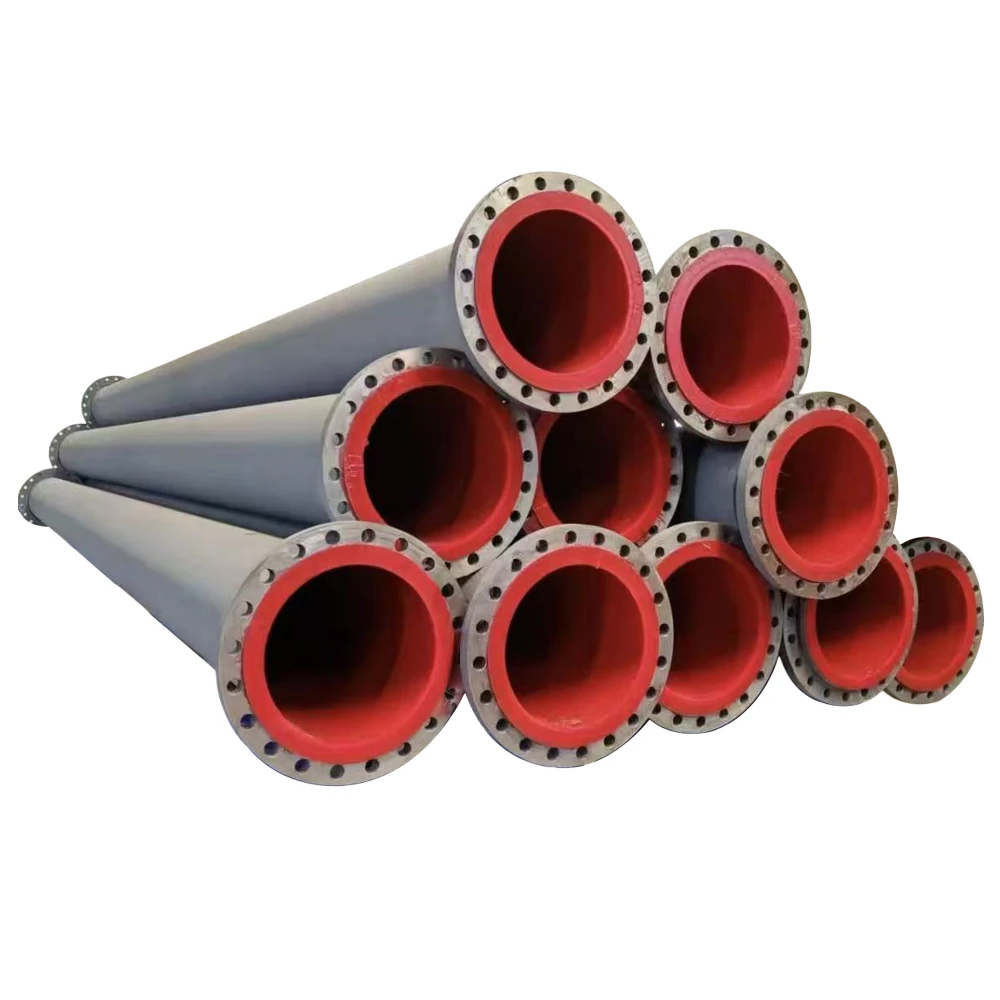
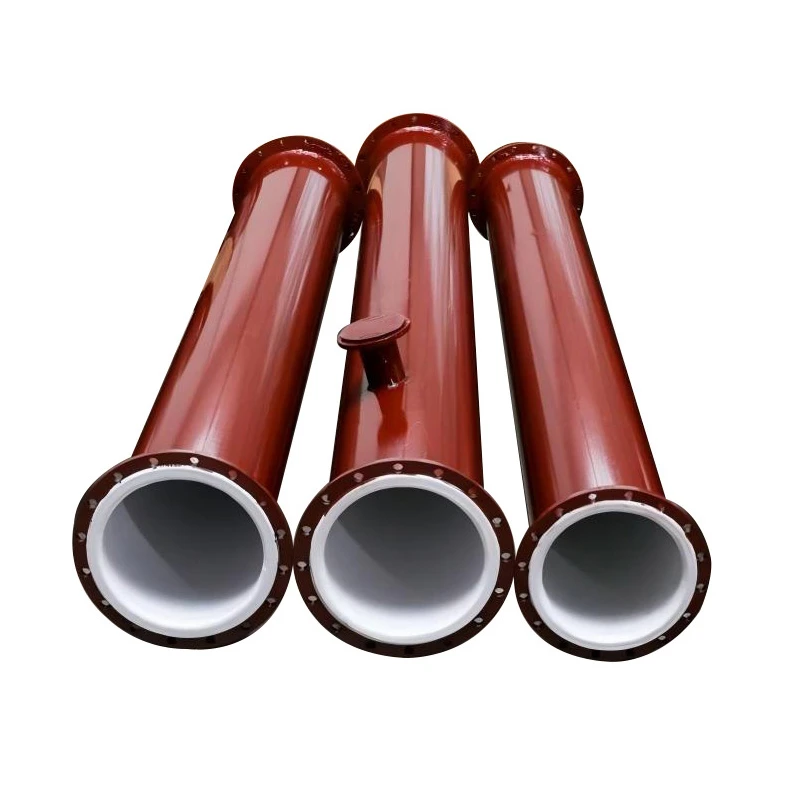
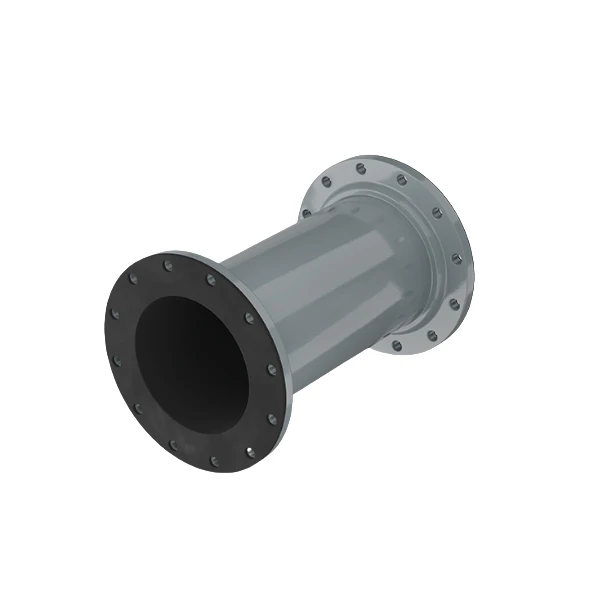
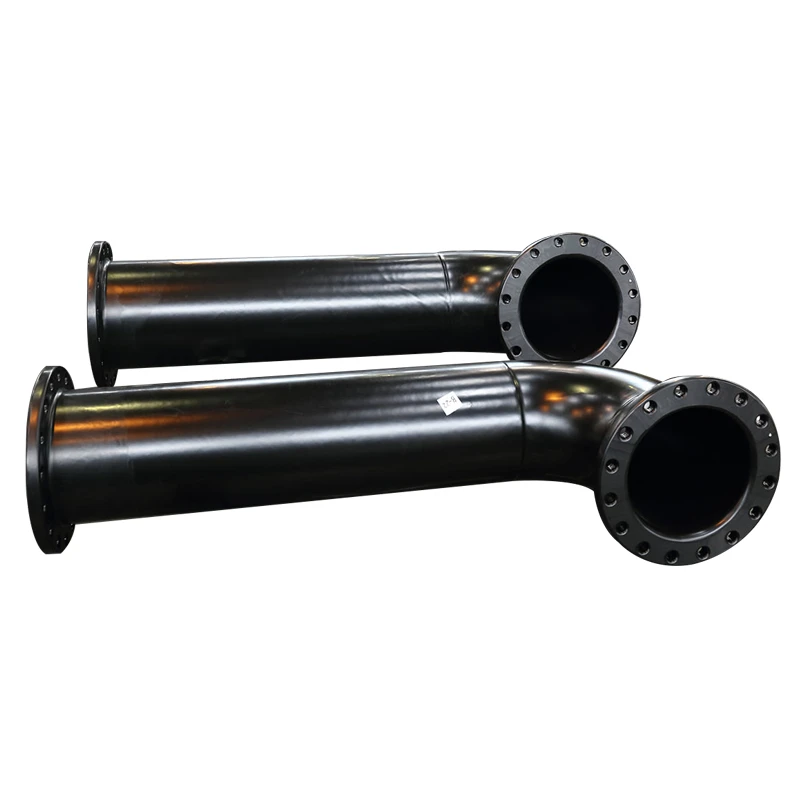
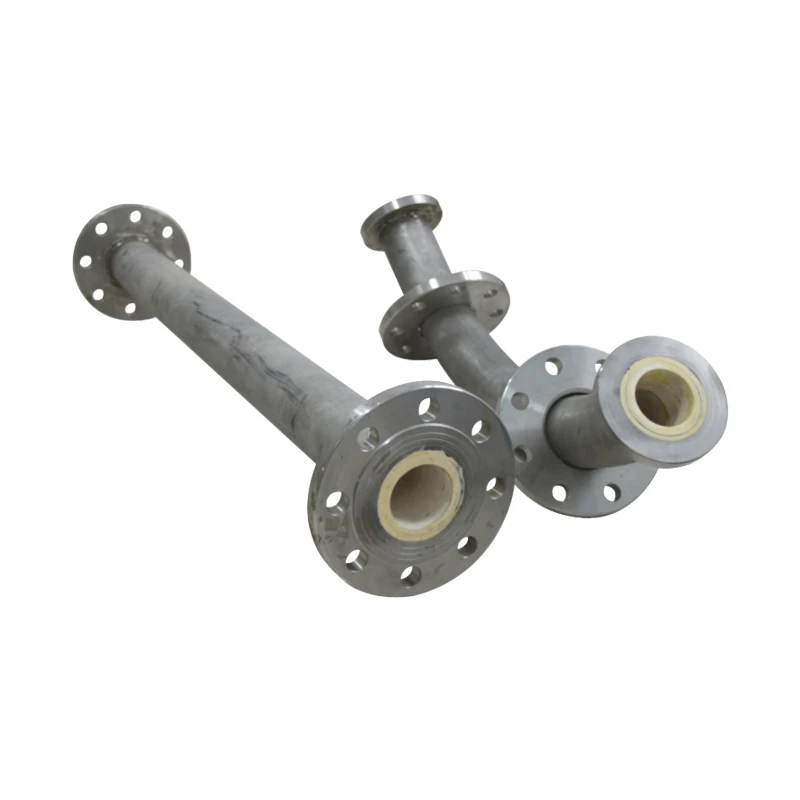
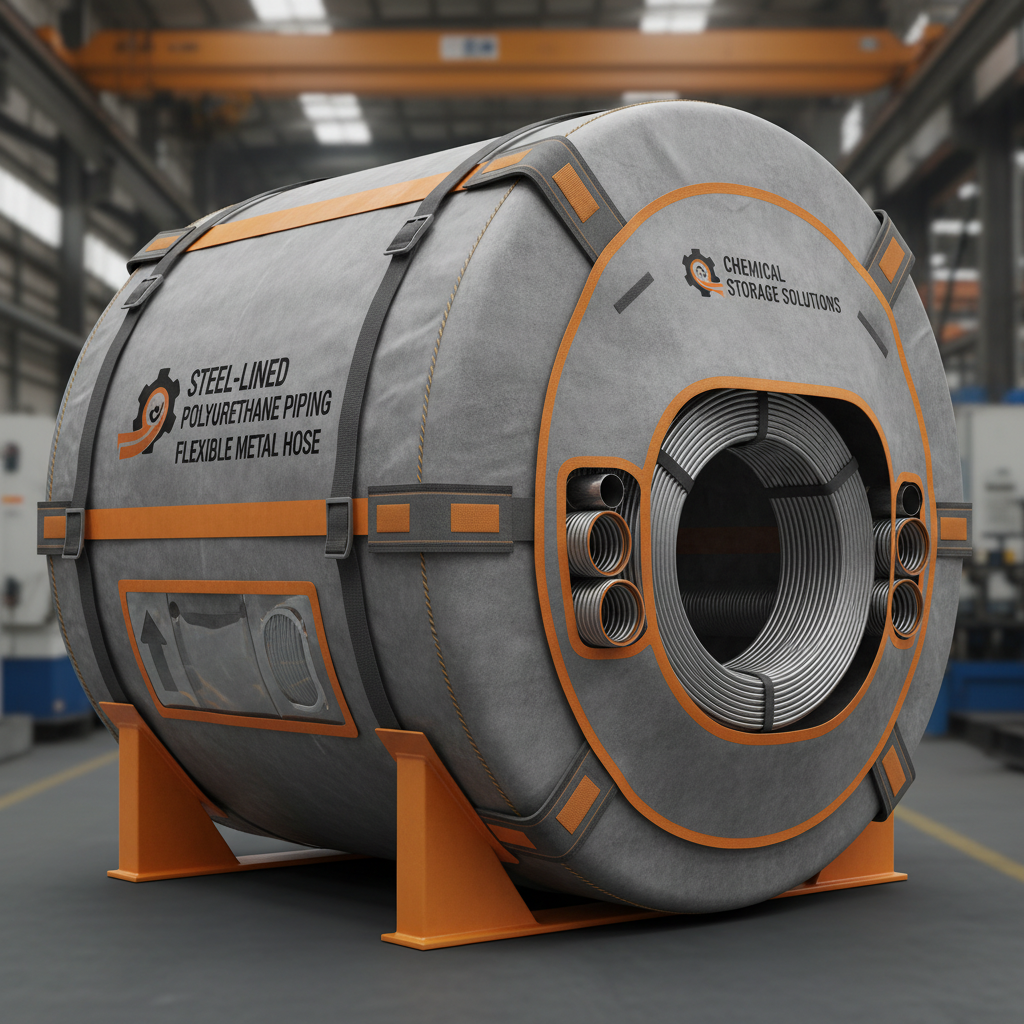
Our main products are polyurethane lined pipes, mining equipment fittings and metal hoses.