Rubber Lined Tank Solutions for Industrial Chemical & Abrasive Storage
Rubber Lined Tank: Durable Solutions for Harsh Industrial Environments
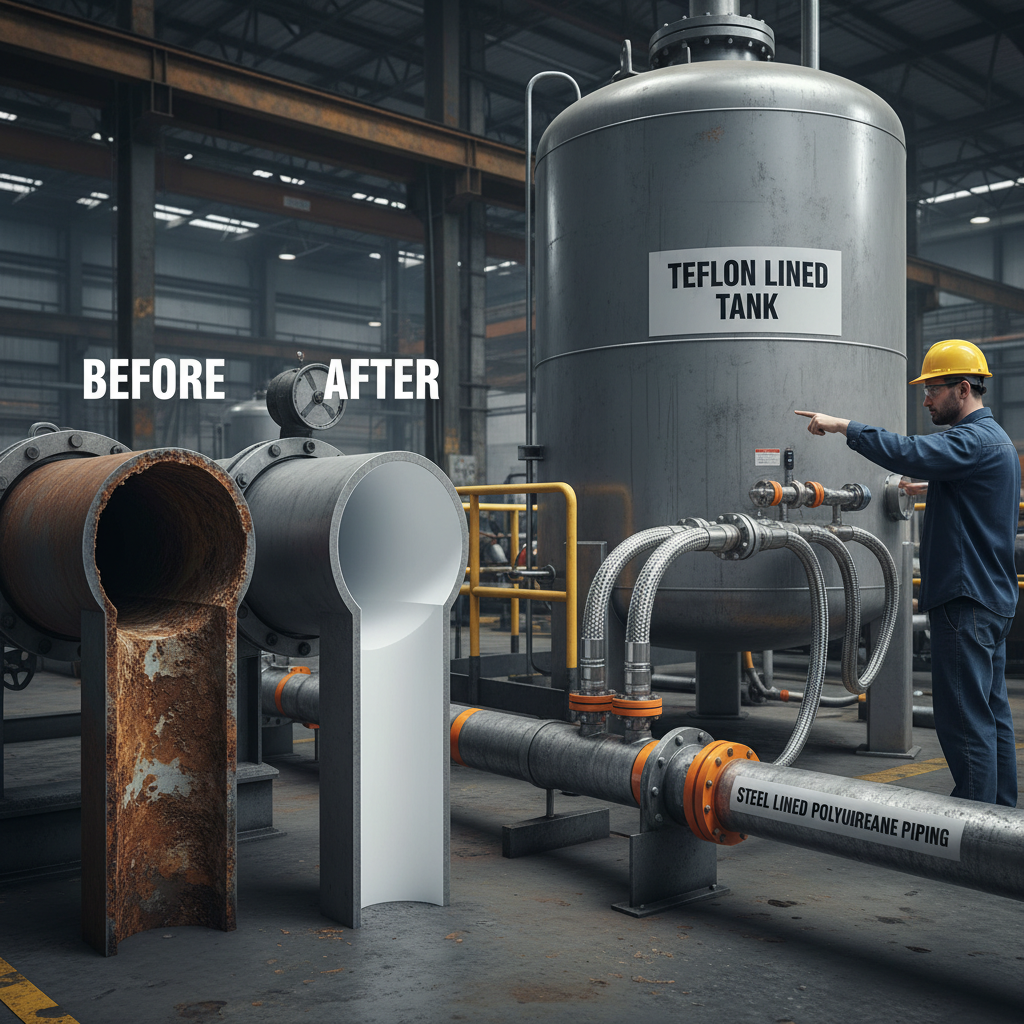
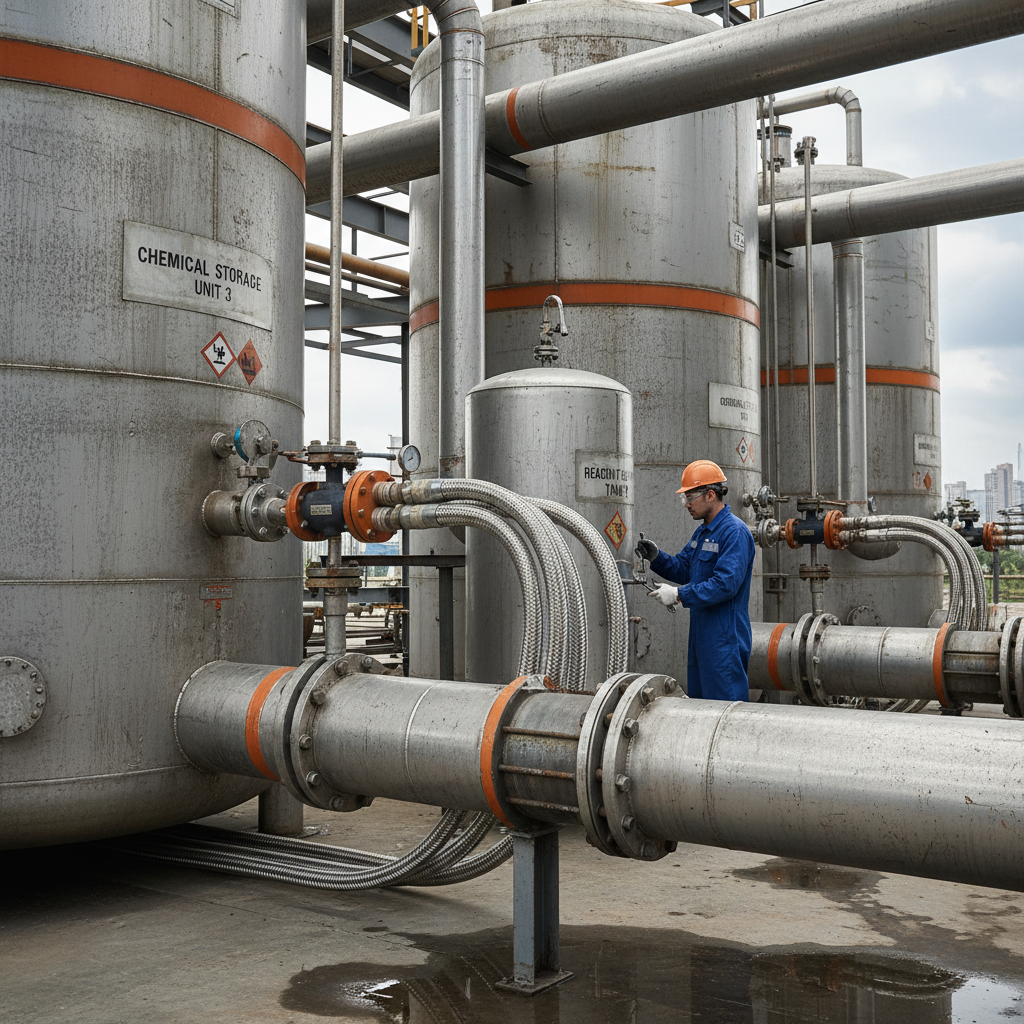
Having spent over a decade knee-deep in the industrial equipment sector, I can tell you that choosing the right storage solution isn’t just about capacity or cost. When it comes to handling aggressive chemicals and abrasive materials, a rubber lined tank often emerges as a quiet hero. Frankly, these tanks combine hard protection with a bit of flexibility that traditional steel tanks just can't match.
What struck me early on was how these tanks resist corrosion and abrasion in ways that feel almost tailor-made for industries like mining, chemical processing, and wastewater treatment. Rubber lining acts as a barrier, preventing the tank’s metal shell from wearing out prematurely — not to mention the cost savings downstream. I remember a client who’d struggled for years with frequent repairs before switching to rubber lined tanks; their downtime dropped by nearly 40%, which, in real terms, means weeks of saved production.
What Makes Rubber Lined Tanks Special?
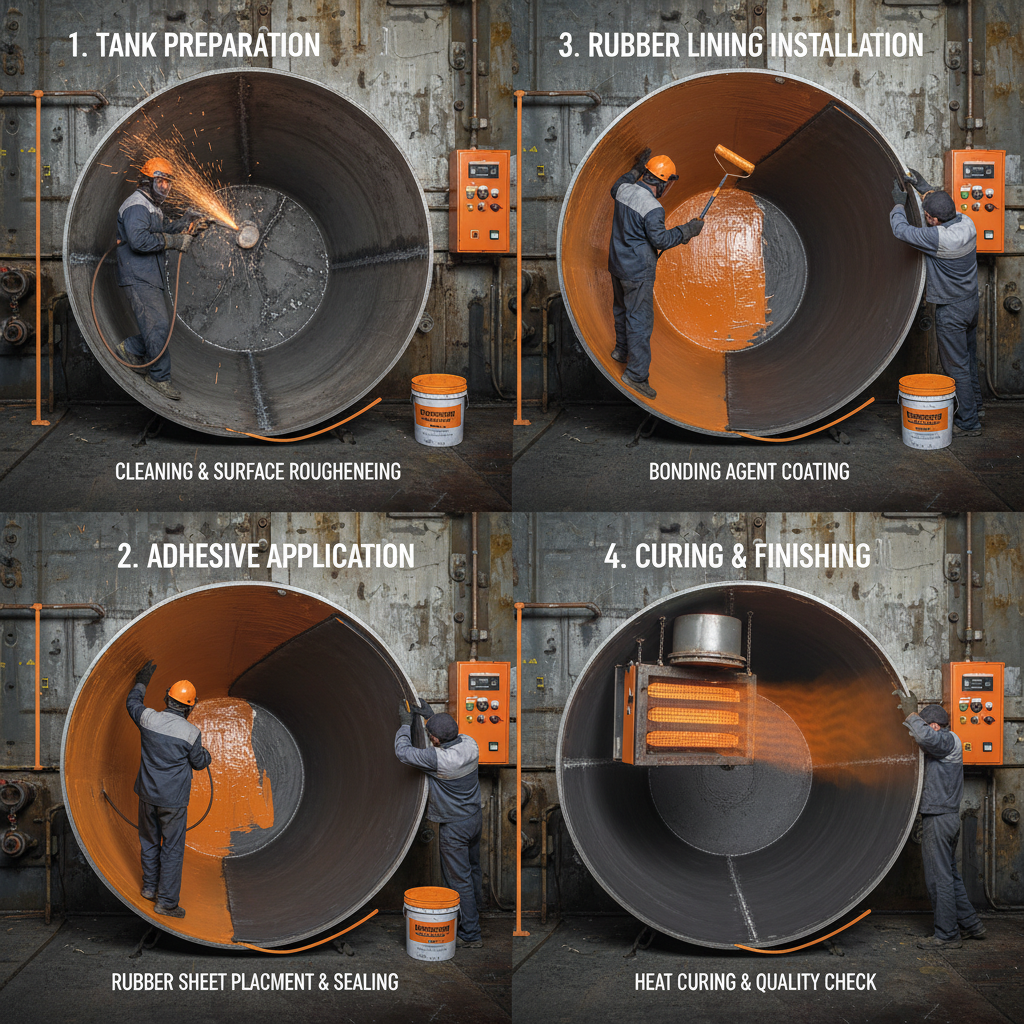
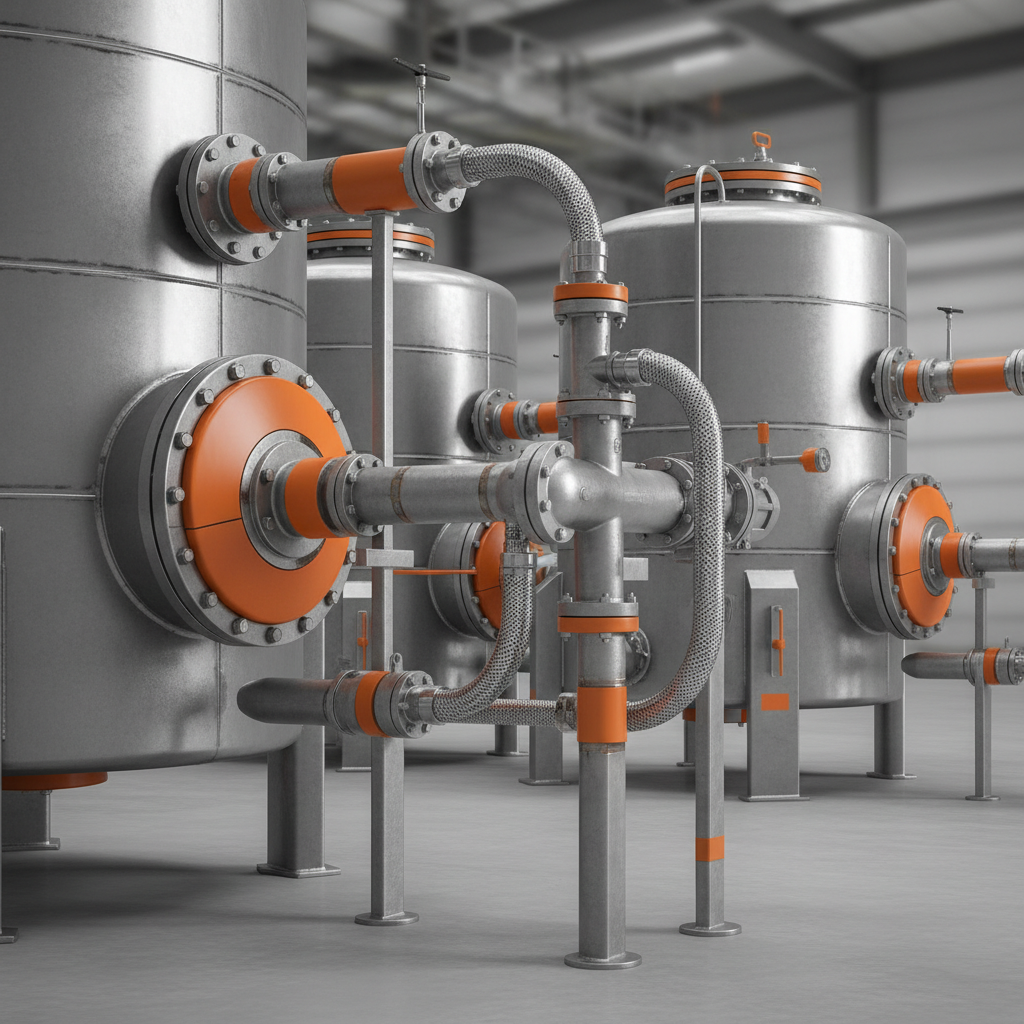
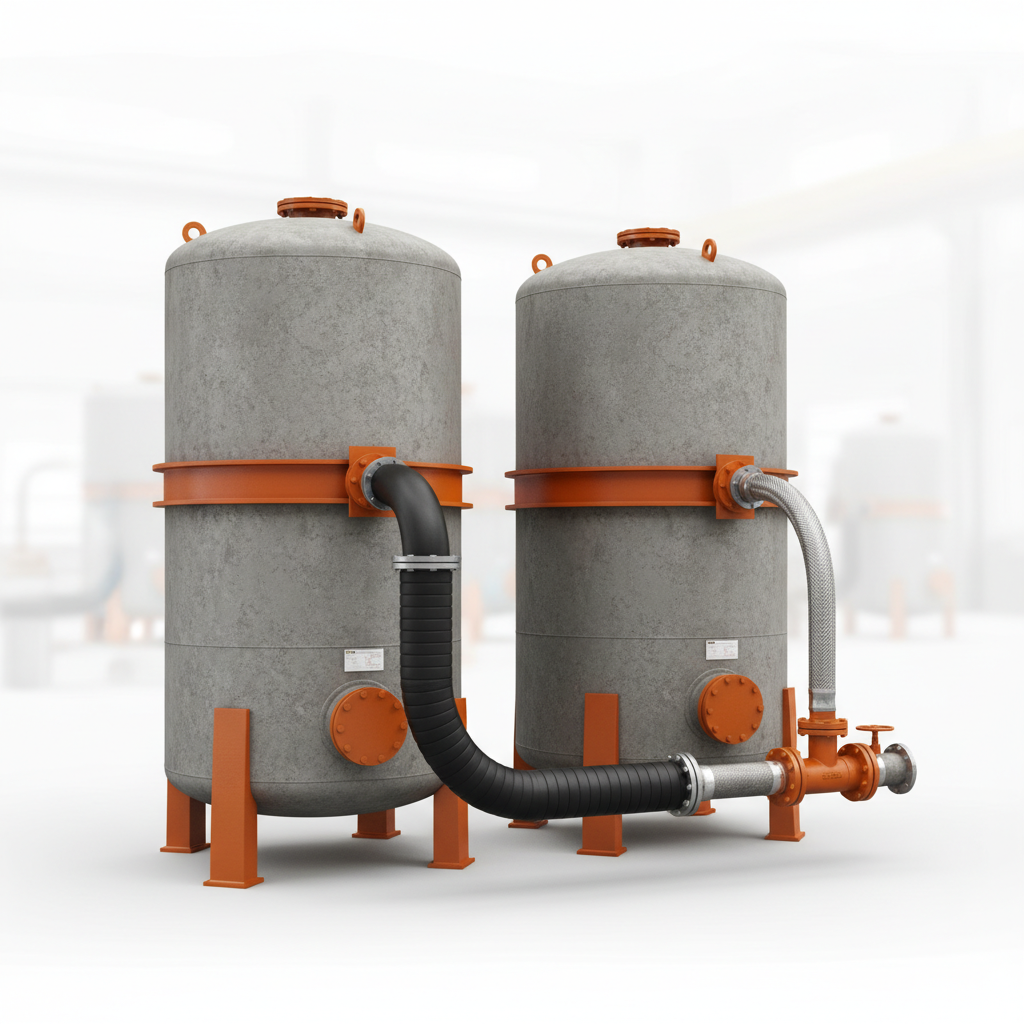
At the core, these tanks are mild steel or carbon steel vessels coated inside with thick layers of specialized rubber compounds. The rubber can be natural or synthetic—like neoprene or nitrile—chosen depending on the chemical resistance required. The lining thickness typically varies but is substantial enough to absorb impacts and chemical attack.
You might wonder about testing — rubber lining undergoes strict quality checks like adhesion tests and thickness uniformity to ensure it holds up under pressure and doesn’t delaminate. I suppose that’s a comforting thought for engineers who can’t afford surprises.
Key Specifications at a Glance
| Specification | Details |
|---|---|
| Tank Material | Carbon Steel / Mild Steel |
| Rubber Lining Types | Natural Rubber, Neoprene, Nitrile, EPDM |
| Lining Thickness | 5mm to 15mm (depending on application) |
| Capacity Range | 1,000 to 50,000 liters (custom options available) |
| Temperature Range | -20°C to 80°C |
| Common Uses | Chemical storage, slurry tanks, wastewater containment |
Vendor Comparison: What to Look for When Buying a Rubber Lined Tank
| Feature | QW Metal | Competitor A | Competitor B |
|---|---|---|---|
| Customization Options | Extensive (liners, sizes, fittings) | Limited | Moderate |
| Material Quality | Certified steel, premium rubber | Standard steel, generic rubber | Certified steel, but low-grade lining |
| Lead Time | 4-6 weeks | 6-8 weeks | 5-7 weeks |
| Warranty | 2 years | 1 year | No warranty |
Oddly enough, in a sector full of heavy metal and rigid design, the rubber lined tank feels like a smart intersection of durability and adaptability. It’s not just a tank—it’s a haven for aggressive substances that would otherwise chew through steel in no time.
Over the years, I’ve seen plenty of projects where specifying the right lining made or broke operational uptime. It’s worth working with a vendor who understands that the lining isn’t an afterthought but the tank’s very lifeline.
So, if you find yourself specifying storage for harsh chemicals or abrasive slurries, I’d say don’t underestimate the value of rubber lined tanks. They bring real resilience and cut down expensive maintenance cycles, which always makes the finance team happier too.
A quick word of advice: check the lining adhesion and compatibility with your stored media and ask vendors about their quality control measures for the lining process. That’s where a lot of the long-term reliability is won or lost.
To wrap it up, while these tanks may seem a bit “soft” compared to pure steel vessels, their rubber lining is what delivers in environments turned brutal by corrosion and abrasion. And frankly, it’s a solution whose popularity I only expect to grow in the coming years.
References:
1. Korhonen & Co, Industrial Tank Lining Technologies, 2021
2. Journal of Chemical Engineering, Rubber Lining Wear Resistance Study, 2022
3. QW Metal Technical Brochure, 2023
Related Products
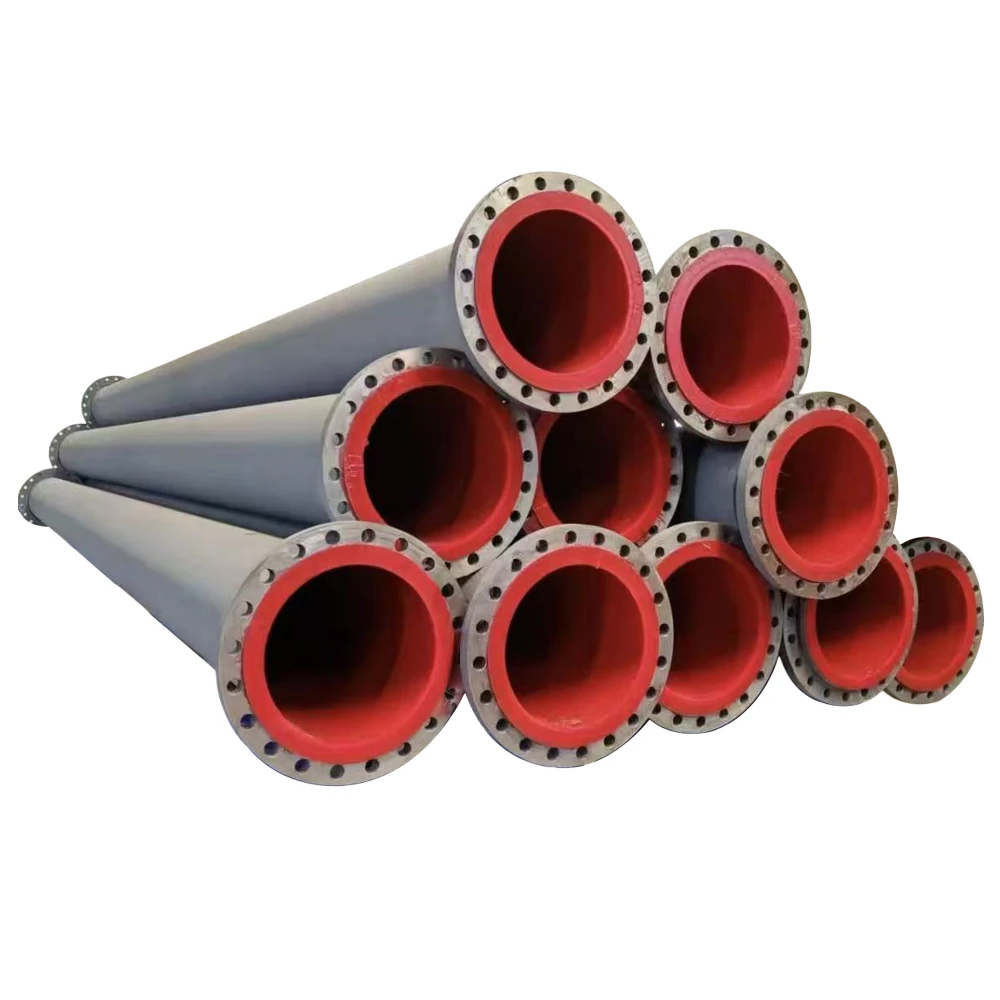
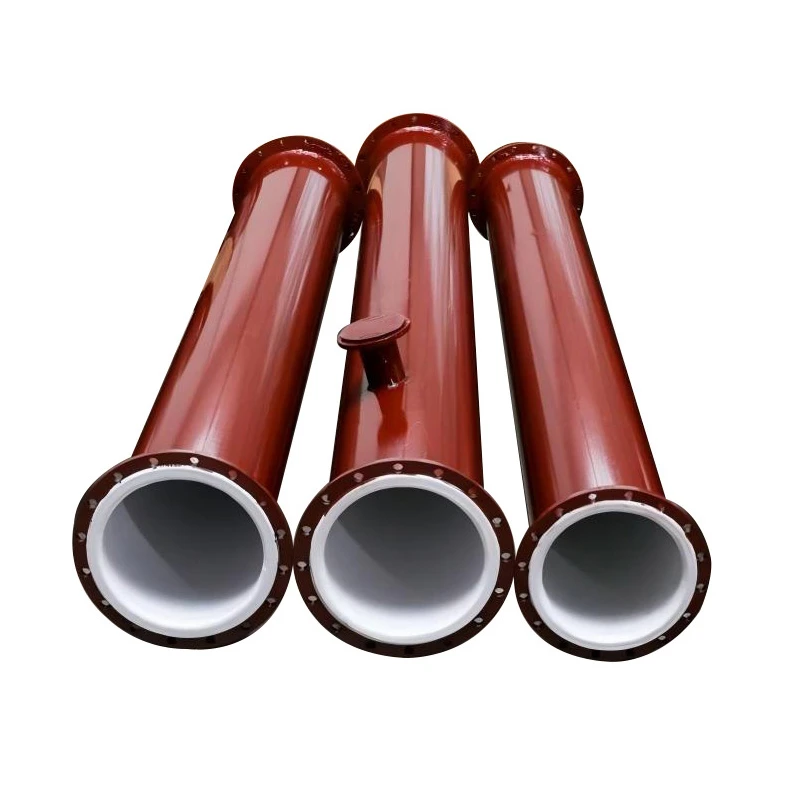
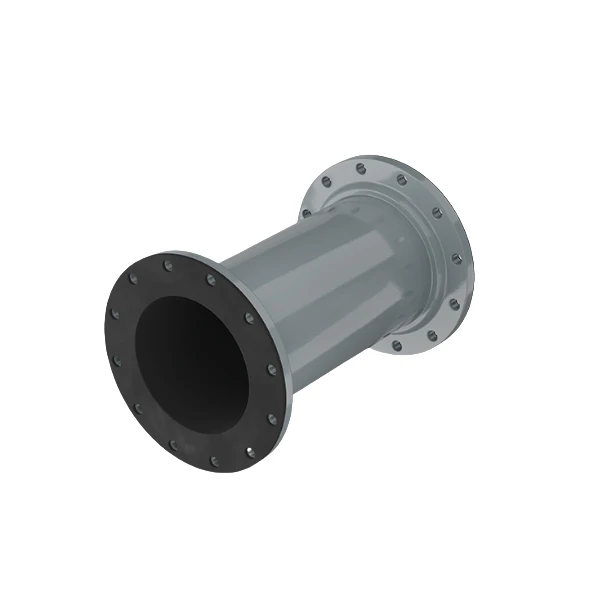
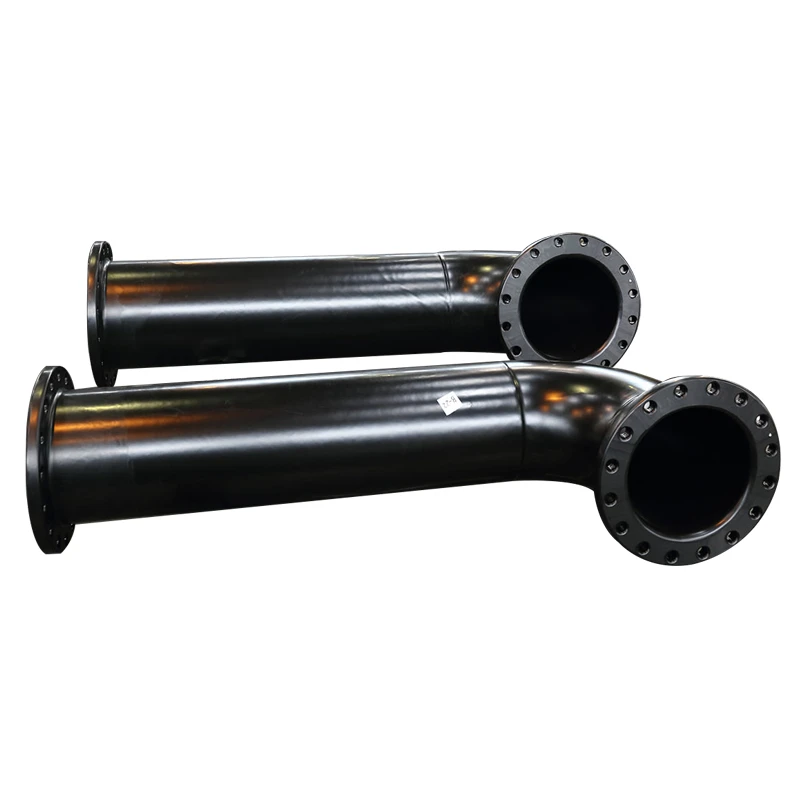
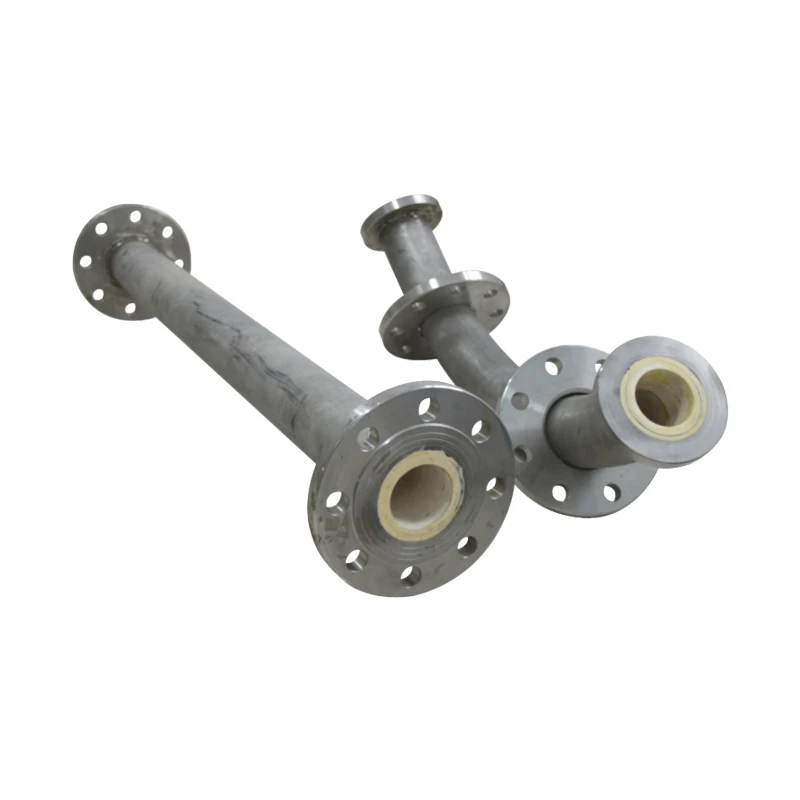
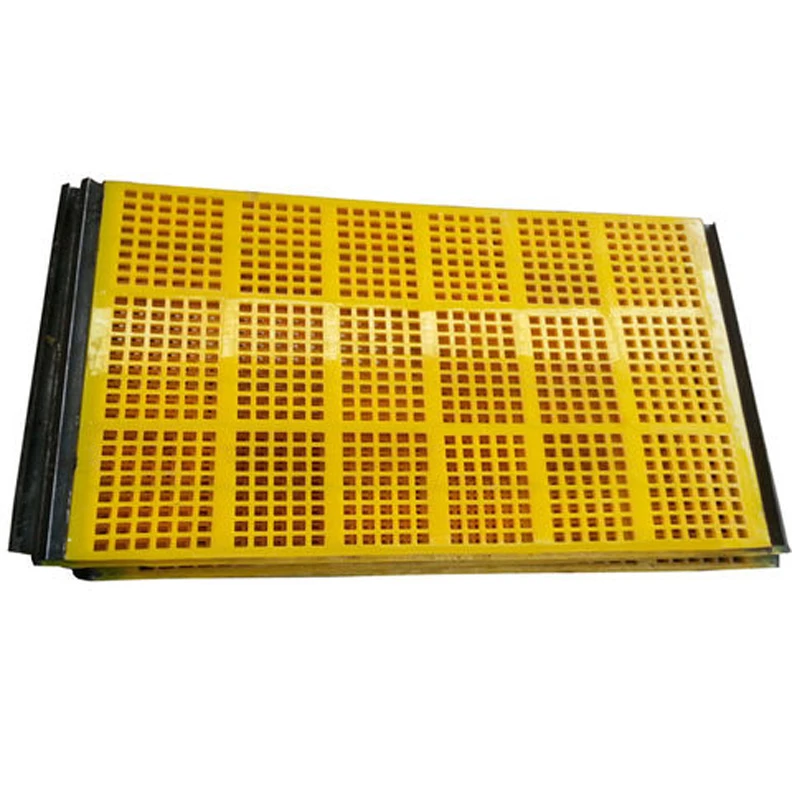
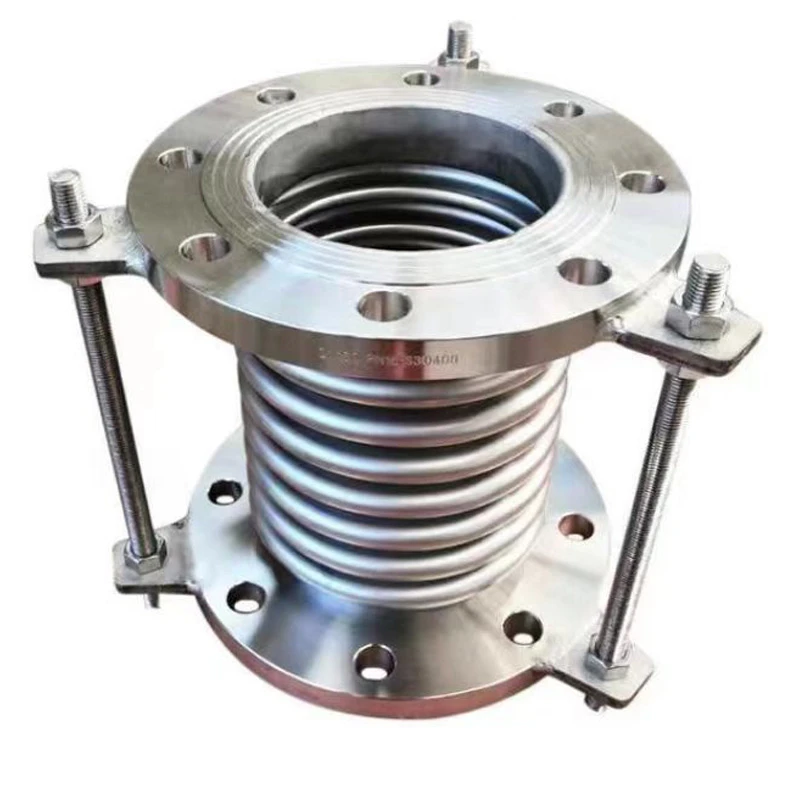
Our main products are polyurethane lined pipes, mining equipment fittings and metal hoses.