Rubber Lined Tank: Corrosion-Proof, Custom-Built—Why Us?
Rubber Lined Tanks: what’s new, what matters, and what actually works
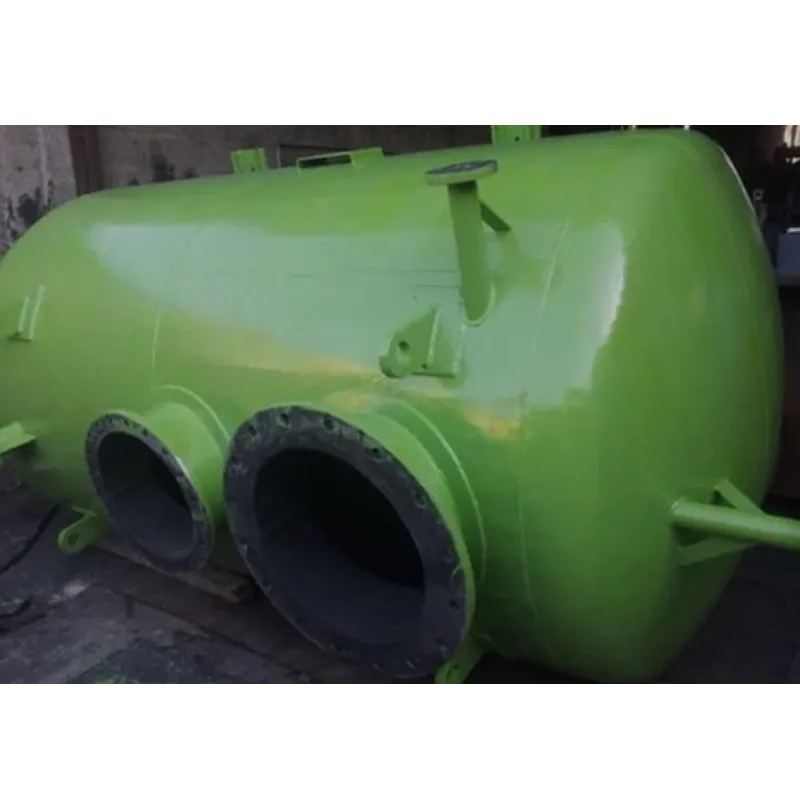
If you store acids, brine, or abrasive slurries, you already know why a Rubber Lined Tank is a quiet hero in the plant. I’ve walked through enough pickling lines and lime slurry rooms to see the difference: fewer pinholes, fewer panicked shutdowns. To be honest, it’s not glamorous—but it’s critical. Our team in Yuqiao Village, Jingxin Street, Jing County, Hengshui City, Hebei Province builds these vessels for chemical, water, mining, even pharma clients who can’t afford surprises.
Industry trend check
Corrosion budgets are under pressure, yet chemistries are getting nastier—higher HCl strengths, recycled brines, lithium salts. Surprisingly, many customers say they’re shifting from exotic alloys back to Rubber Lined Tank solutions because lifecycle cost wins and lead times are saner. Sustainability plays a role too: repairable linings mean fewer scrapped shells.
Core specifications (real-world ranges)
| Item | Typical Spec |
|---|---|
| Shell materials | Carbon steel (API 650), stainless (304/316), ASME VIII when required |
| Lining types | NR, SBR, EPDM, Neoprene, Chlorobutyl/Butyl, Hard rubber (ebonite) |
| Lining thickness | ≈ 3–12 mm (single or multi-layer), service-driven |
| Hardness | Shore A 50–70 (soft), up to Shore D ≈70 (ebonite) |
| Temperature window | -20 to 120 °C (lining-dependent; real-world use may vary) |
| Service life | ≈ 5–15 years with proper chemistry and QA |
| Testing | Holiday test 10–20 kV (NACE SP0188), adhesion (ASTM D429), thickness (UT) |
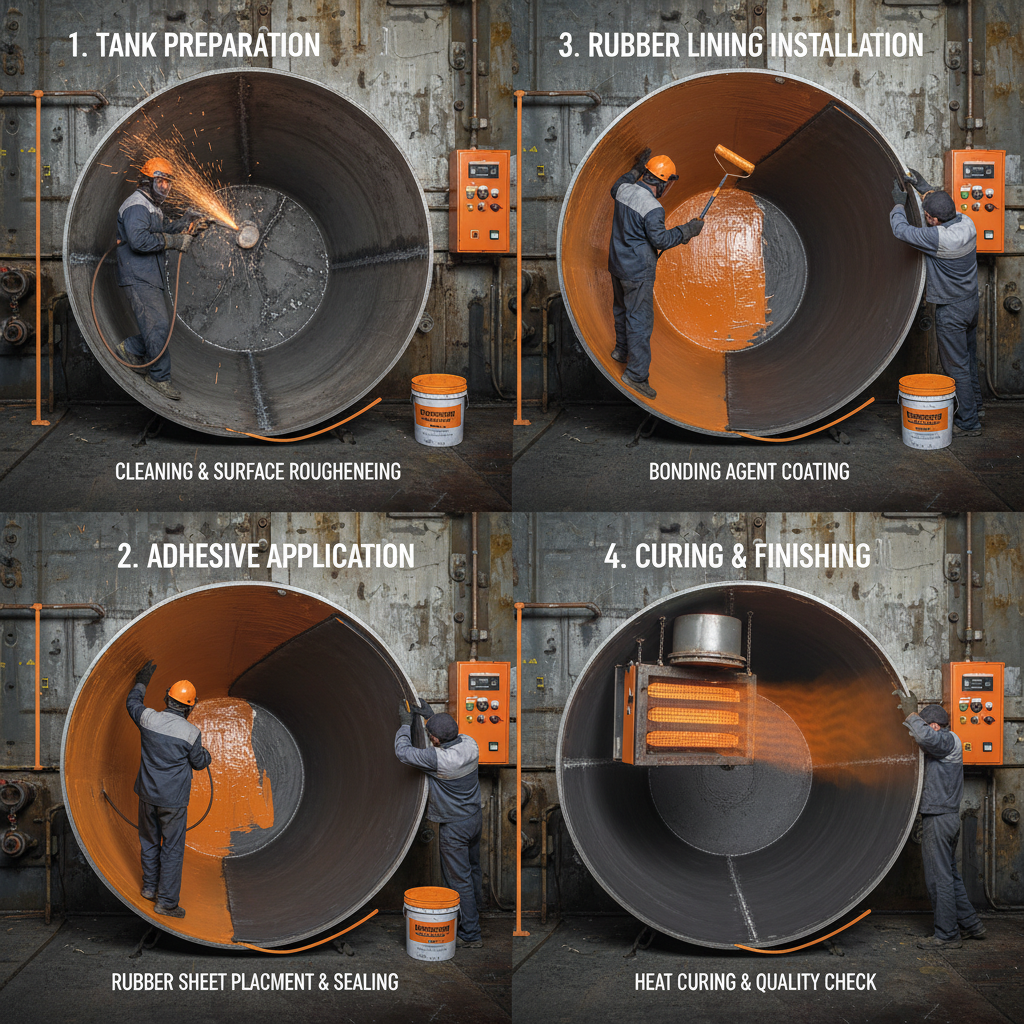
How we build a Rubber Lined Tank (quick flow)
- Material prep: shell to API 650 or ASME VIII, welds dressed.
- Blast cleaning: Sa 2.5 with angular grit; surface profile 50–75 μm.
- Priming: rubber-to-metal cement system (multi-coat) per ASTM D429 guidance.
- Sheet lay-up: spliced seams, stitch-rolled; radii carefully relieved.
- Cure: steam/autoclave 100–140 °C; ebonite needs longer, higher cure.
- QA/QC: holiday test, adhesion pulls, hardness (ASTM D2240), and hydro test of shell.
- Docs: MTRs, cure charts, inspection reports, and traceability.
Where it shines
- Chemicals: HCl, H2SO4 (dilute), HF salts, phosphoric acid, bleach—check compatibility.
- Water/wastewater: brine, chlor-alkali, RO reject.
- Mining: abrasive slurries, tailings—soft rubber absorbs impact.
- Pharma/food: FDA 21 CFR 177.2600–compliant white EPDM options.
Advantages vs. alloy: lower capex, forgiving to impact, field-repairable. In fact, a well-cured Rubber Lined Tank shrugs off underfilm corrosion that often dooms coatings.
Vendor snapshot (what buyers actually compare)
| Vendor | Strengths | Certs | Lead time |
|---|---|---|---|
| QW Metal (Hebei) | End-to-end build + lining, steam cure, tight QA | ISO 9001/14001/45001 | ≈ 4–10 weeks |
| Vendor B | Field lining only | ISO 9001 | ≈ 6–12 weeks |
| Vendor C | Large-diameter shells | ASME U-stamp | ≈ 10–16 weeks |
Customization that actually helps
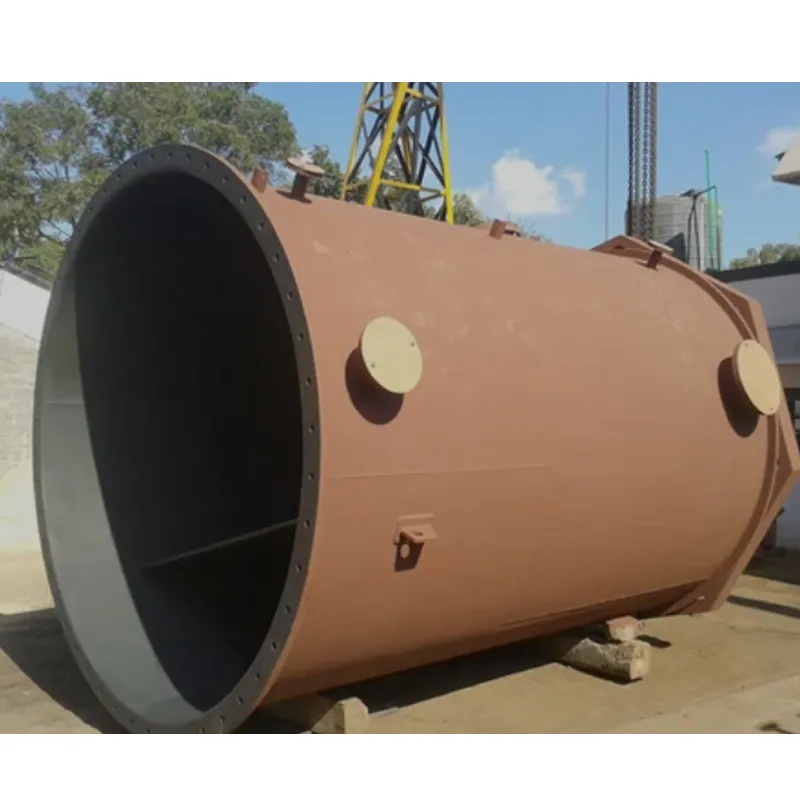
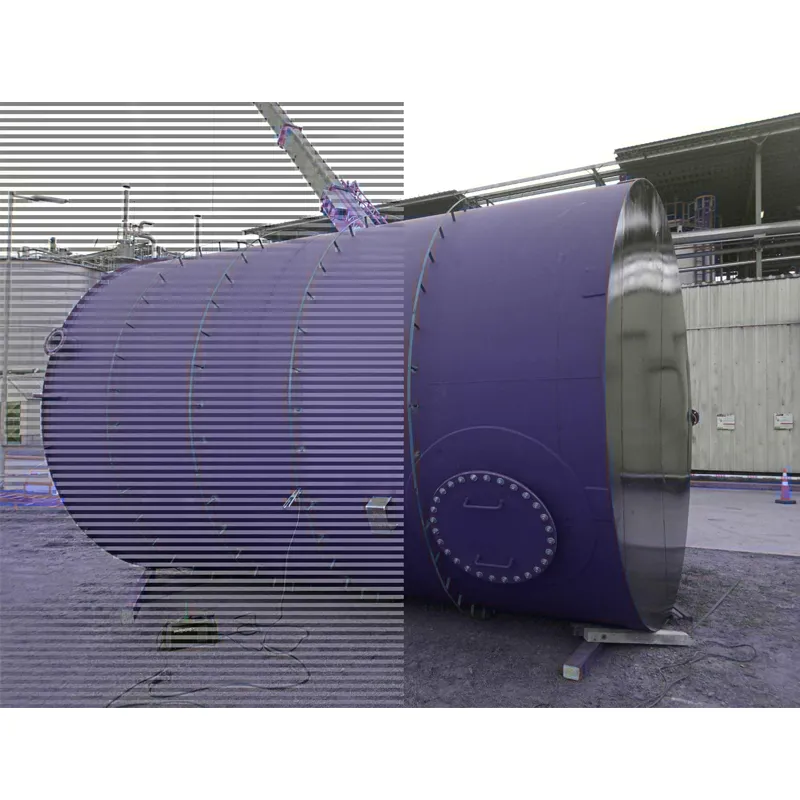
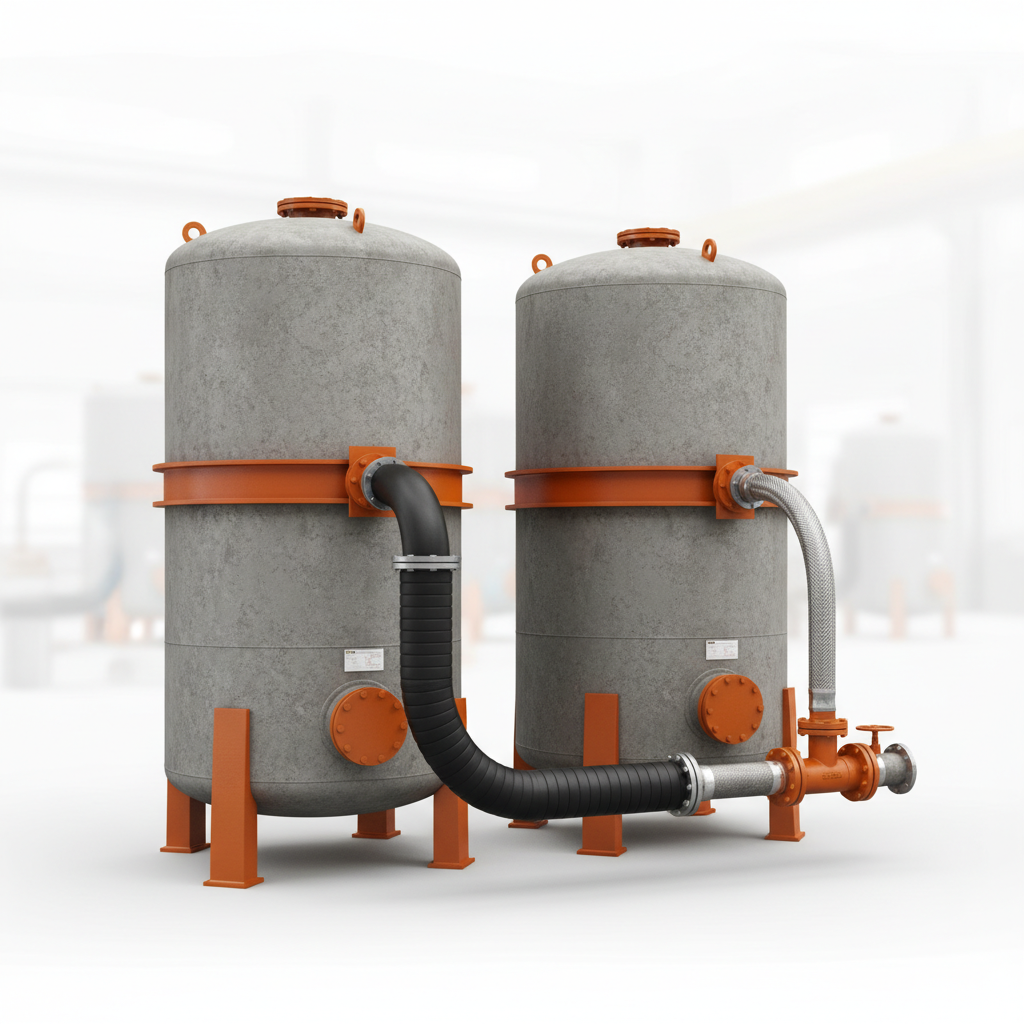
Nozzles lined through, PTFE-faced flanges, manways, agitation baffles, steam coils, external insulation standoffs, conductive rubber for static control, spark-test ports—tell us your maintenance style and the Rubber Lined Tank gets built around it.
Field notes and quick data
- Adhesion (ASTM D429): ≥ 6 N/mm typical; no peel at seams after cure.
- Hardness (ASTM D2240): 60 ± 5 Shore A for soft linings used with HCl.
- Holiday test (NACE SP0188): 10–20 kV; zero holidays accepted.
- Immersion checks (ASTM D471) on coupons for new chem mixes.
Two quick cases
Phosphate plant, SEA: Replaced FRP with a Rubber Lined Tank (butyl, 6 mm). Unplanned downtime dropped ~30% over 18 months; liners still within thickness spec.
Steel pickling line, EU: Ebonite-lined acid storage. After 7+ years, only seam touch-ups during annual outage—operators liked the easier wash-down, oddly enough.
If you want a straight take on chemistry fit, send the SDS and operating envelope. We’ll map the lining recipe and cure schedule that gives your Rubber Lined Tank the longest, least-drama life.
Authoritative references
- API 650: Welded Tanks for Oil Storage.
- ASME Boiler & Pressure Vessel Code, Section VIII, Div. 1.
- NACE SP0188: Discontinuity (Holiday) Testing of Protective Coatings.
- ASTM D429, D2240, D412, D471: Rubber adhesion, hardness, tensile, immersion.
- FDA 21 CFR 177.2600: Rubber articles intended for repeated use.
Related Products
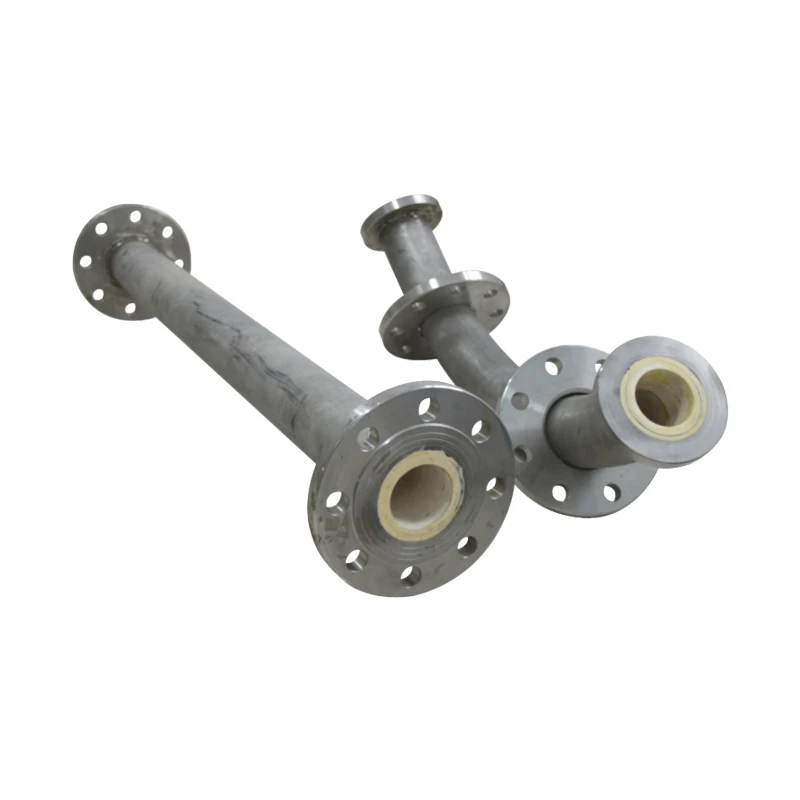
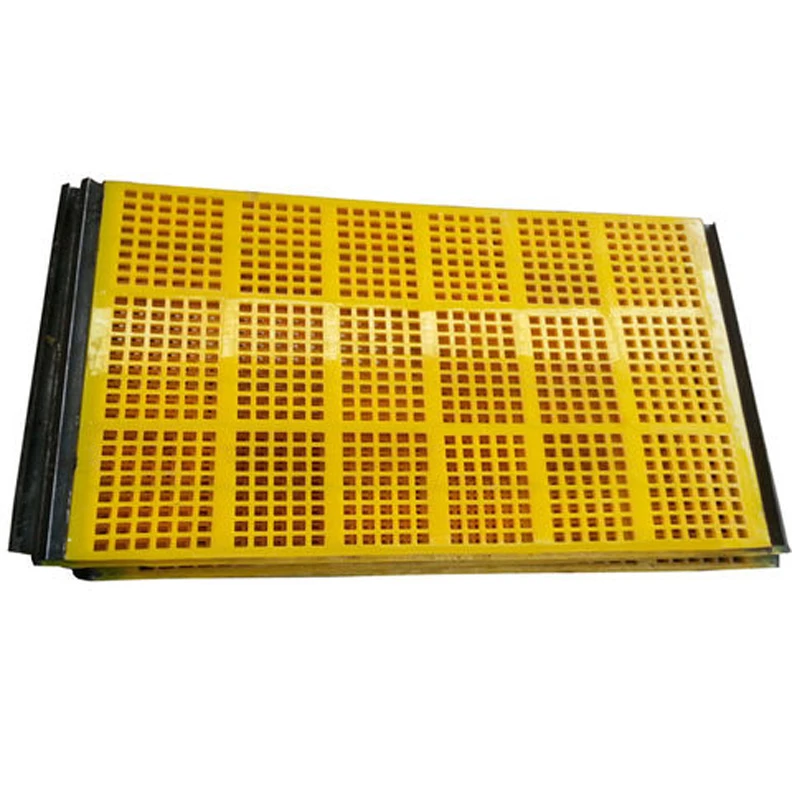
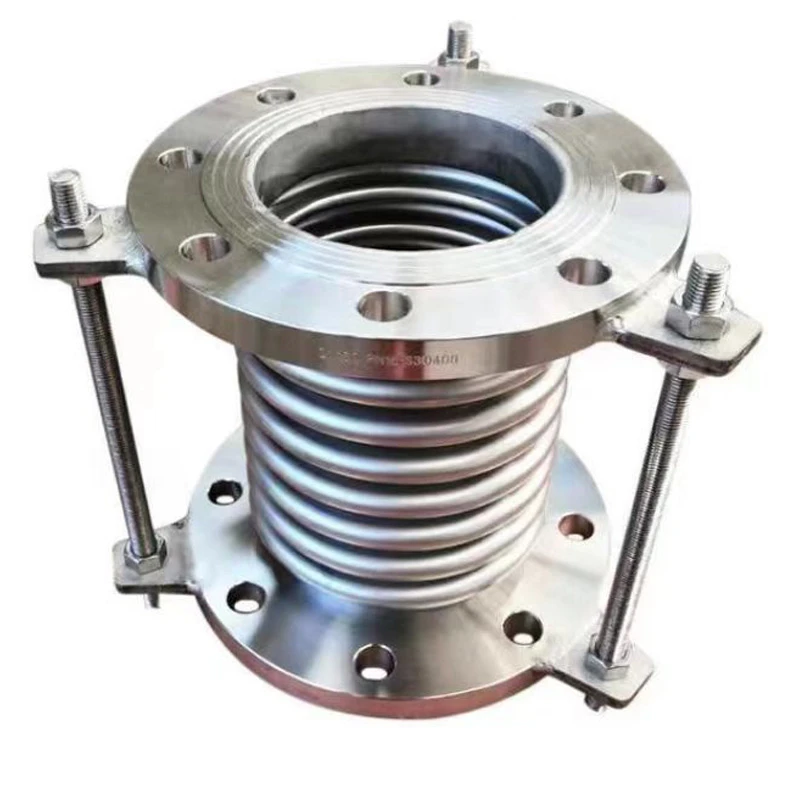
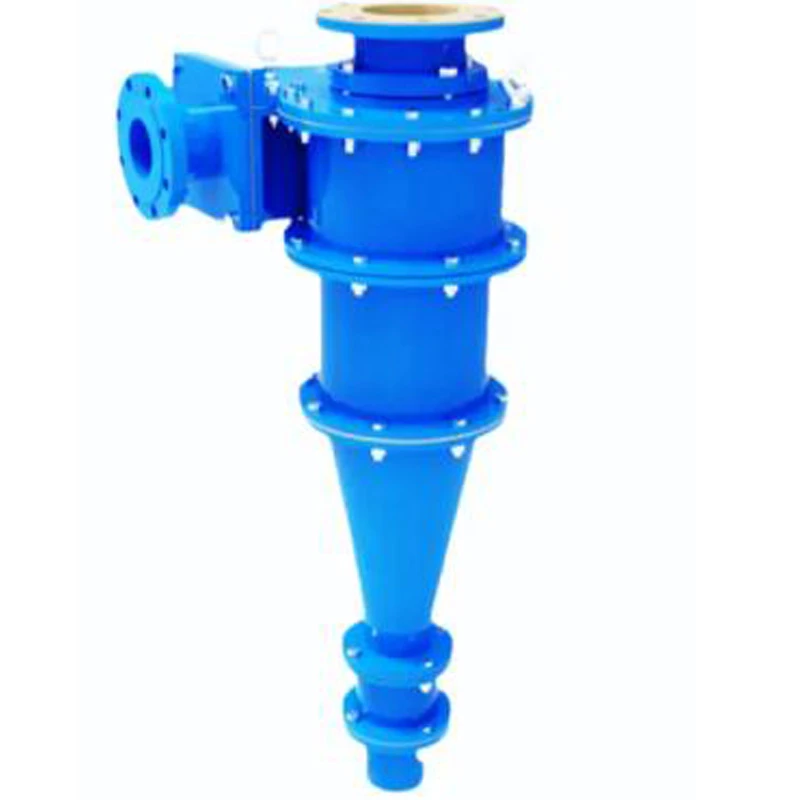
Our main products are polyurethane lined pipes, mining equipment fittings and metal hoses.