Reliable Tank Chemical Storage Solutions | Expert Insights
Understanding tank chemical solutions: insights from the field
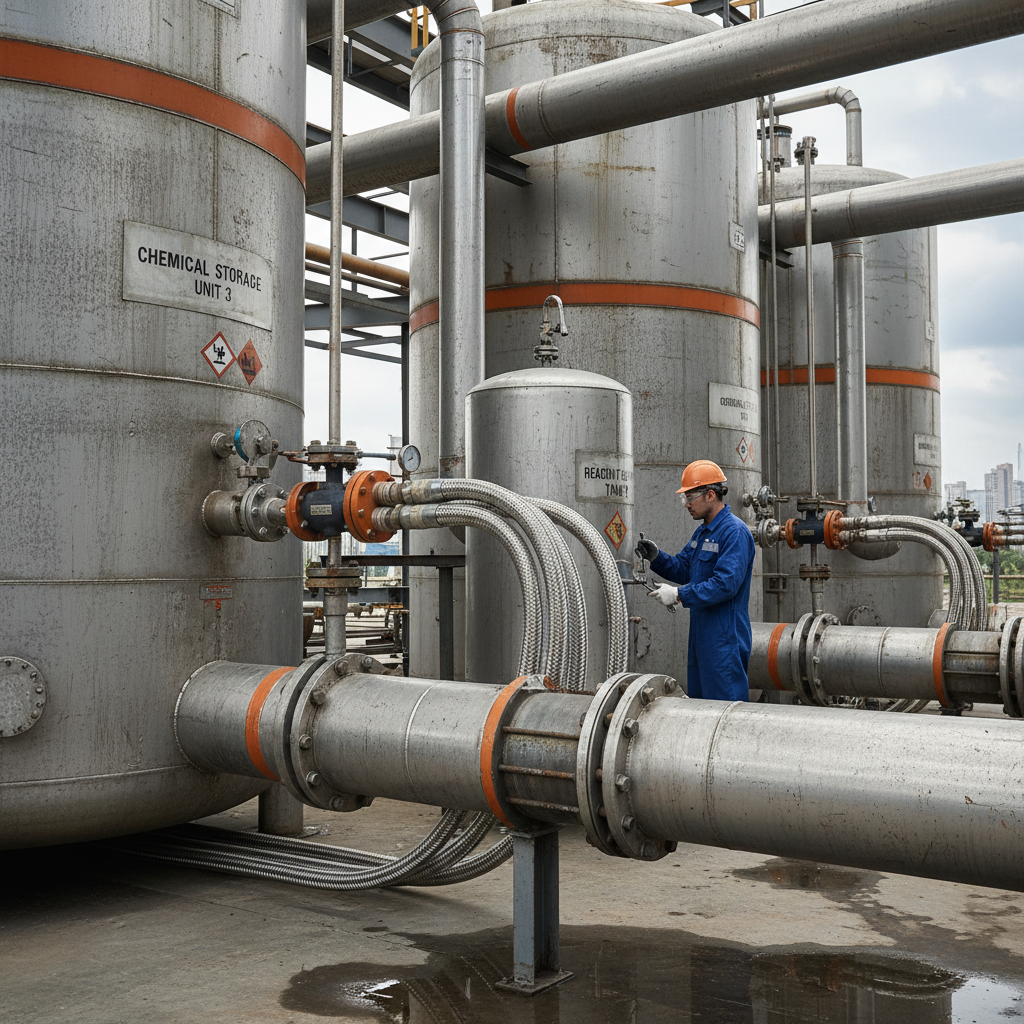
Having spent well over a decade around industrial storage tanks, the term tank chemical brings to mind more than just substances stored inside. It’s actually a whole story about how these chemicals interact with their containers — and how the tanks themselves must be engineered to stand the test of time, harsh substances, and sometimes downright unforgiving environments.
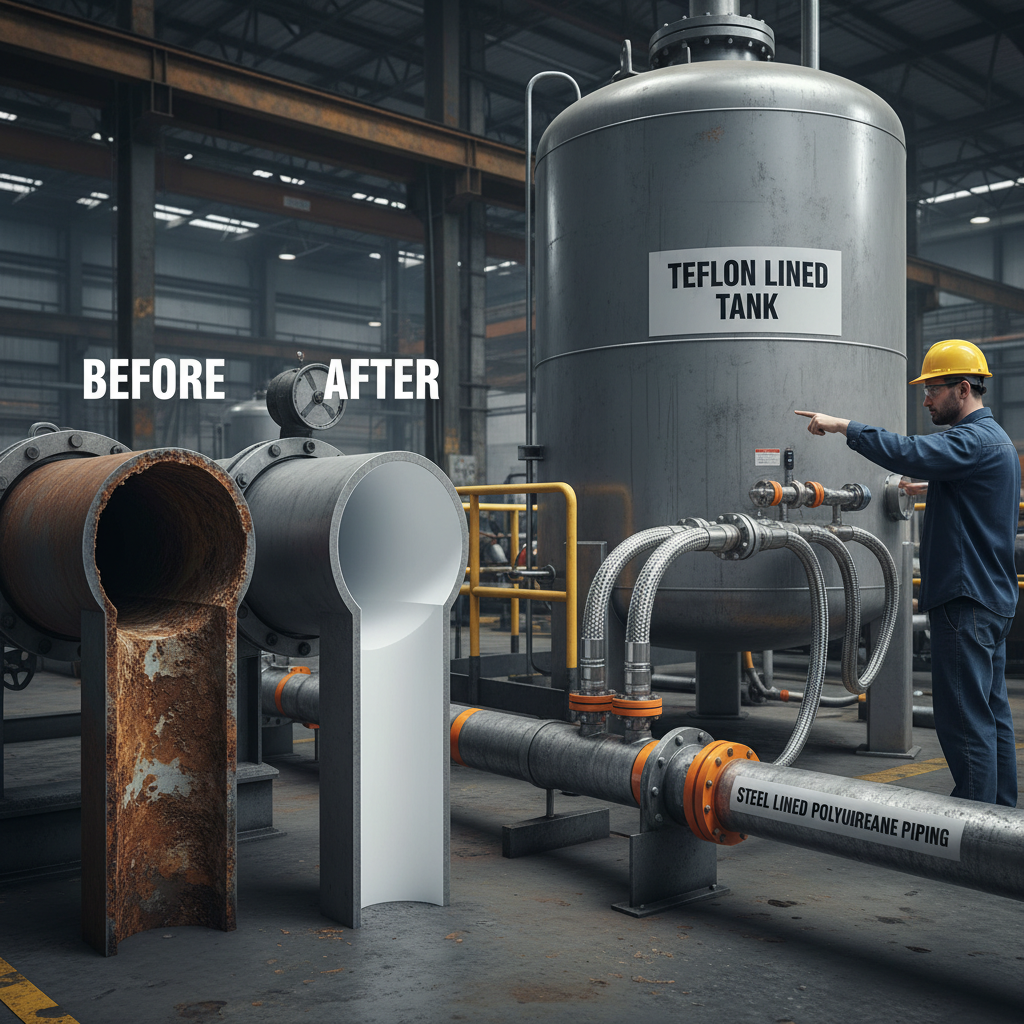
In real terms, tank chemicals are often corrosive or reactive, meaning the tank's material and design have to be carefully selected. I remember once visiting a facility where the team was switching from carbon steel tanks to stainless steel alloy tanks due to increasing demands for chemical resistance. It was eye-opening because just a small oversight in material choice can lead to leaks, contamination, or expensive downtime.
Oddly enough, many engineers don’t always get the recognition for what they balance when specifying tank chemical storage solutions. It's not just about the chemistry, but also about structural integrity, pressure ratings, and longevity. Frankly, that’s why I find companies like QW Metal so interesting—they integrate decades of expertise into their manufacturing process.
What goes into a reliable industrial chemical tank?
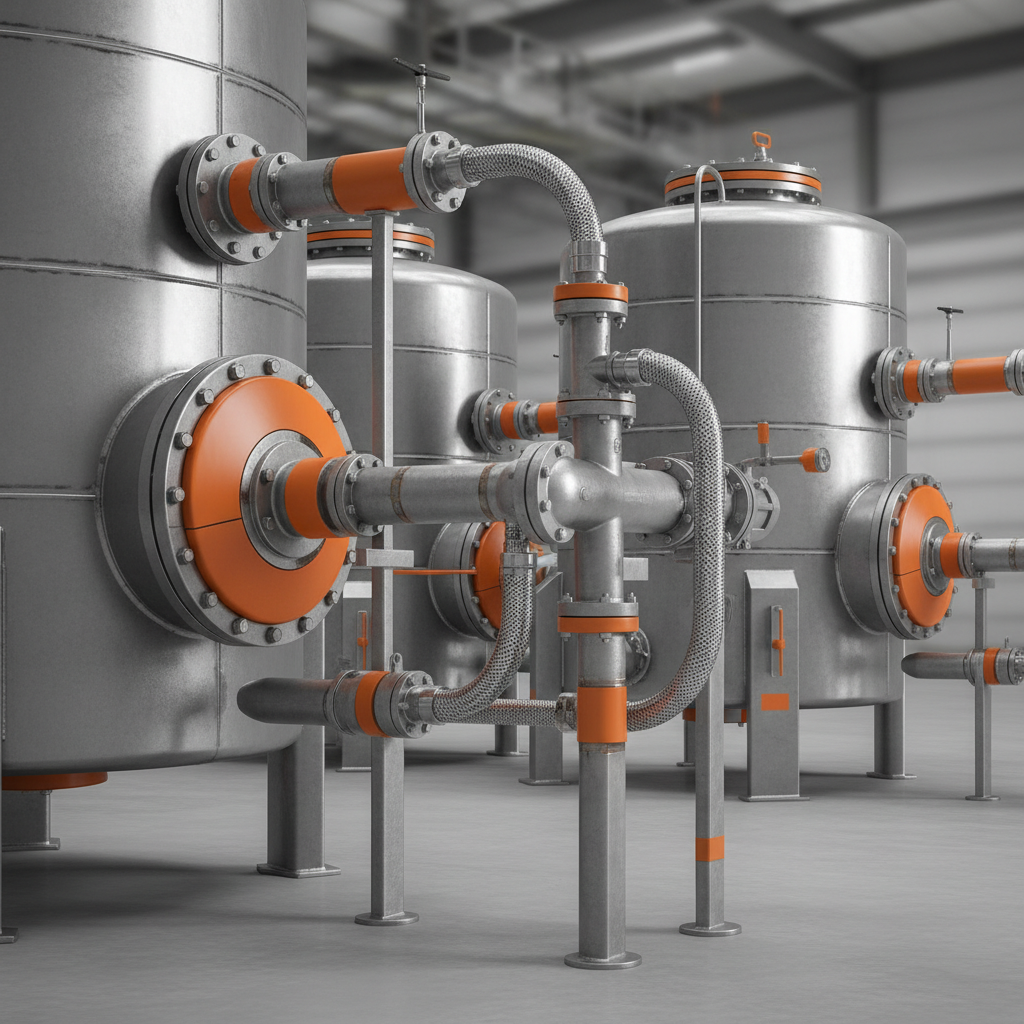
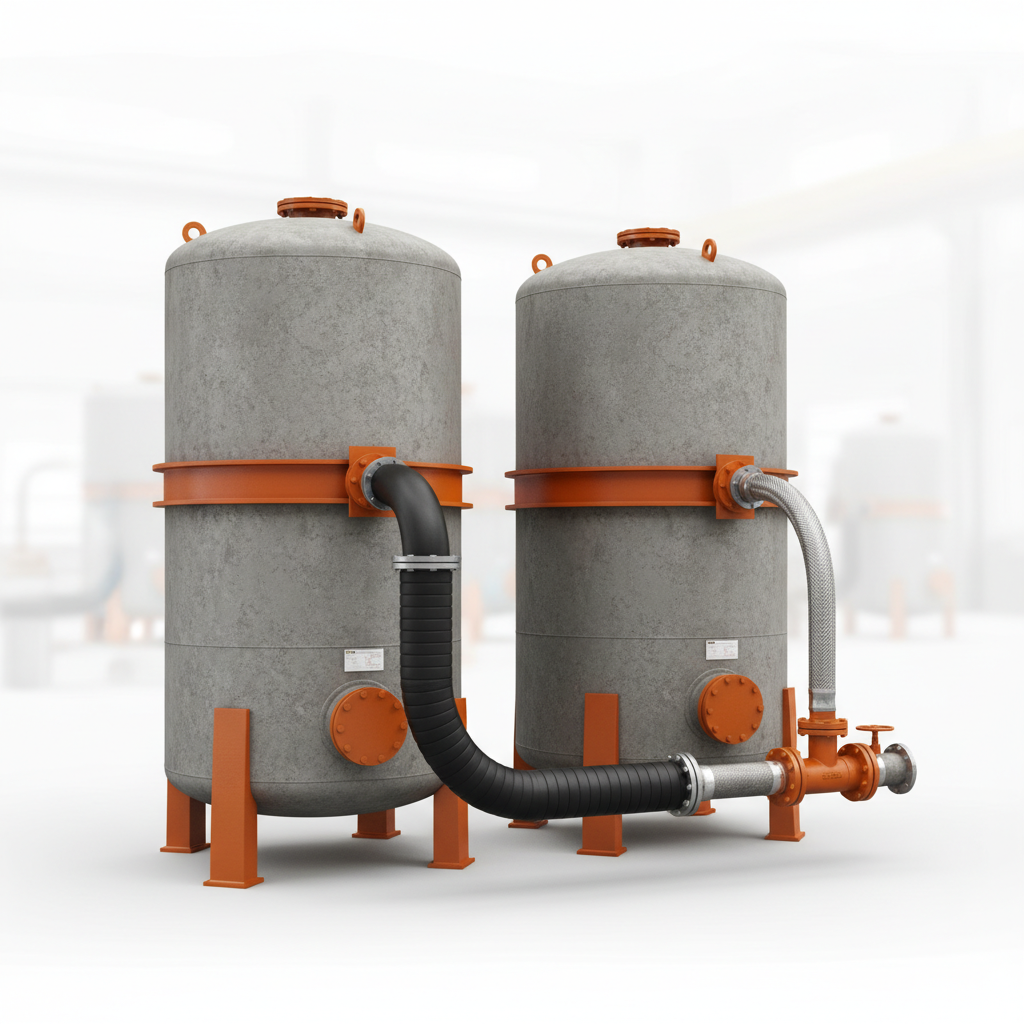
The design often starts with material selection. Most commonly, stainless steel variants—such as 304L or 316L—are favored for corrosive chemicals, thanks to their excellent resistance and durability. For less aggressive chemicals, carbon steel with protective linings might do the trick. Thickness, shape (vertical or horizontal), and capacity must factor in operating conditions and safety codes.
Quality assurance in the industry typically includes pressure testing, leak detection, and sometimes even ultrasonic testing. I recall a case where ultrasonic tests revealed microfissures that would have been disastrous if unnoticed. That kind of rigor helps minimize risk.
| Spec | Details |
|---|---|
| Material | 316L Stainless Steel |
| Capacity | 1,000 – 50,000 Liters |
| Pressure Rating | Up to 3 Bar |
| Surface Finish | Electropolished or Sandblasted |
Choosing a vendor: what really matters?
You may think price is king, but in my experience, it’s the blend of quality assurance, customization, and after-sales support that truly counts. Take a look at this quick comparison I jotted down from recent industry conversations:
| Vendor | Customization | Material Range | Lead Time | After-Sales Support |
|---|---|---|---|---|
| QW Metal | High (Tailored specs) | Stainless Steel, Alloy Steel | 4-6 weeks | Excellent (Global) |
| Vendor B | Medium | Carbon Steel only | 3-5 weeks | Limited |
| Vendor C | Low | Stainless Steel only | 6-8 weeks | Good |
It feels like the right choice almost always comes down to how well the vendor understands your particular chemicals and processes. I once helped a client who had very aggressive acids. Their original tanks corroded in under a year. After leaning on a vendor who offered tailored lining systems and specialized alloys, their tank life doubled — and importantly, maintenance costs went way down.
To wrap up, working with tank chemical storage systems is a subtler art than you might expect. It’s technical, yes, but also practical and relational. You learn to respect materials, quality controls, and the vendor collaboration that make industrial lives easier.
So next time you’re defining specs for chemical storage tanks, keep in mind that it’s not only about containing chemicals but about protecting your entire operation in the long haul.
A little attention to detail here saves a lot of headaches later.
References:
- ASM International. “Corrosion of Stainless Steels.”
- Industrial Tank Storage Association Guidelines, 2023 Edition.
- QW Metal official product documentation (https://www.qwmetal.com).
Related Products
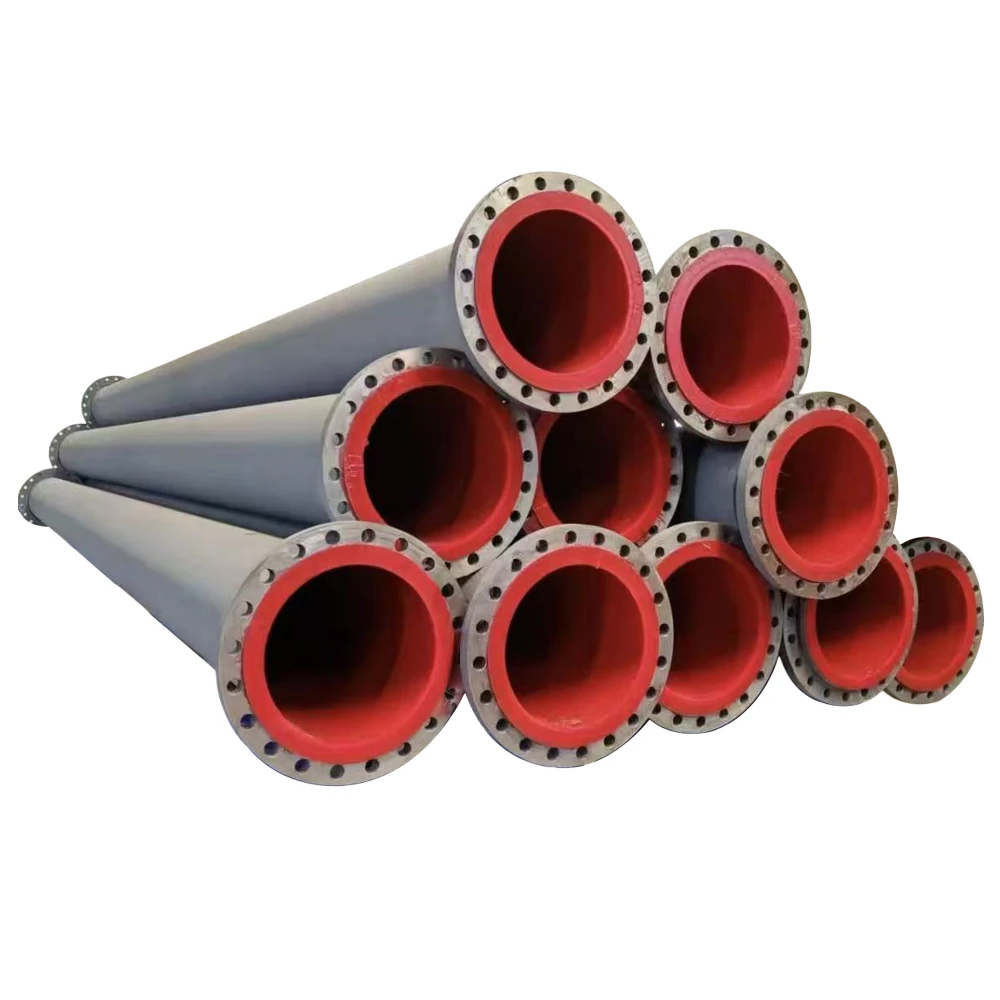
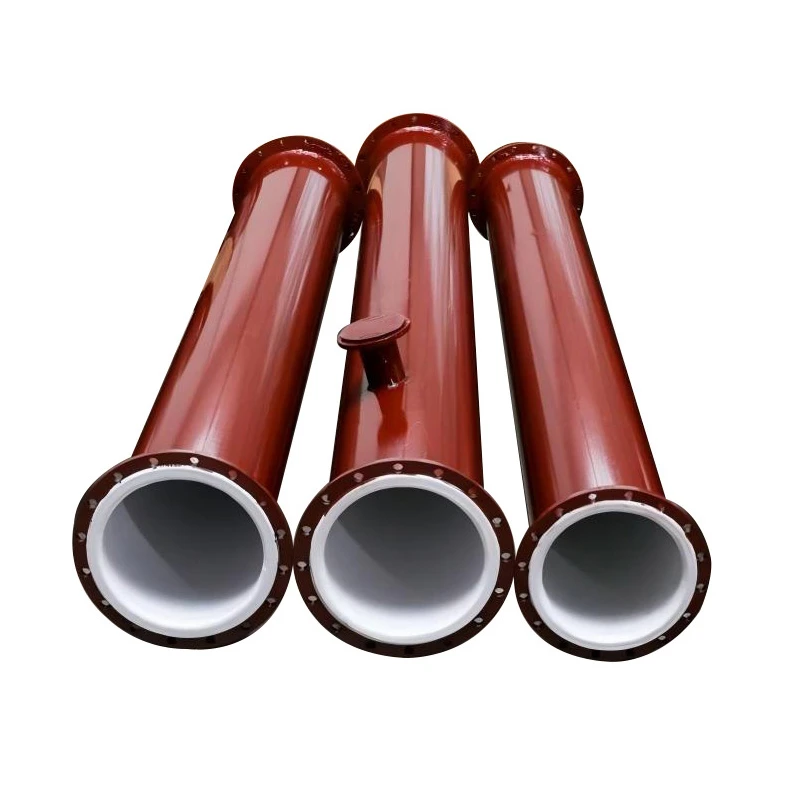
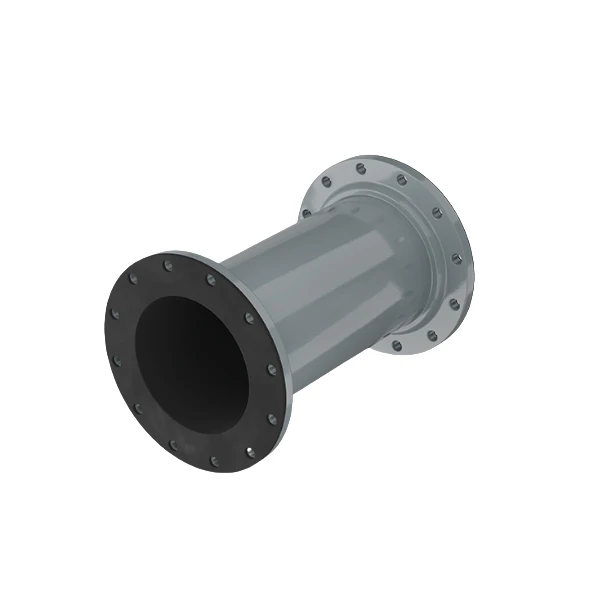
Our main products are polyurethane lined pipes, mining equipment fittings and metal hoses.