Reliable Chemical Tank Suppliers for Industrial Needs
Choosing the Right Chemical Tank Supplier: What You Need to Know
After spending quite a few years in the industrial equipment world, I've seen my fair share of chemical tanks — some good, some that left me scratching my head — and, frankly, picking the right supplier matters just as much as the tank specs.
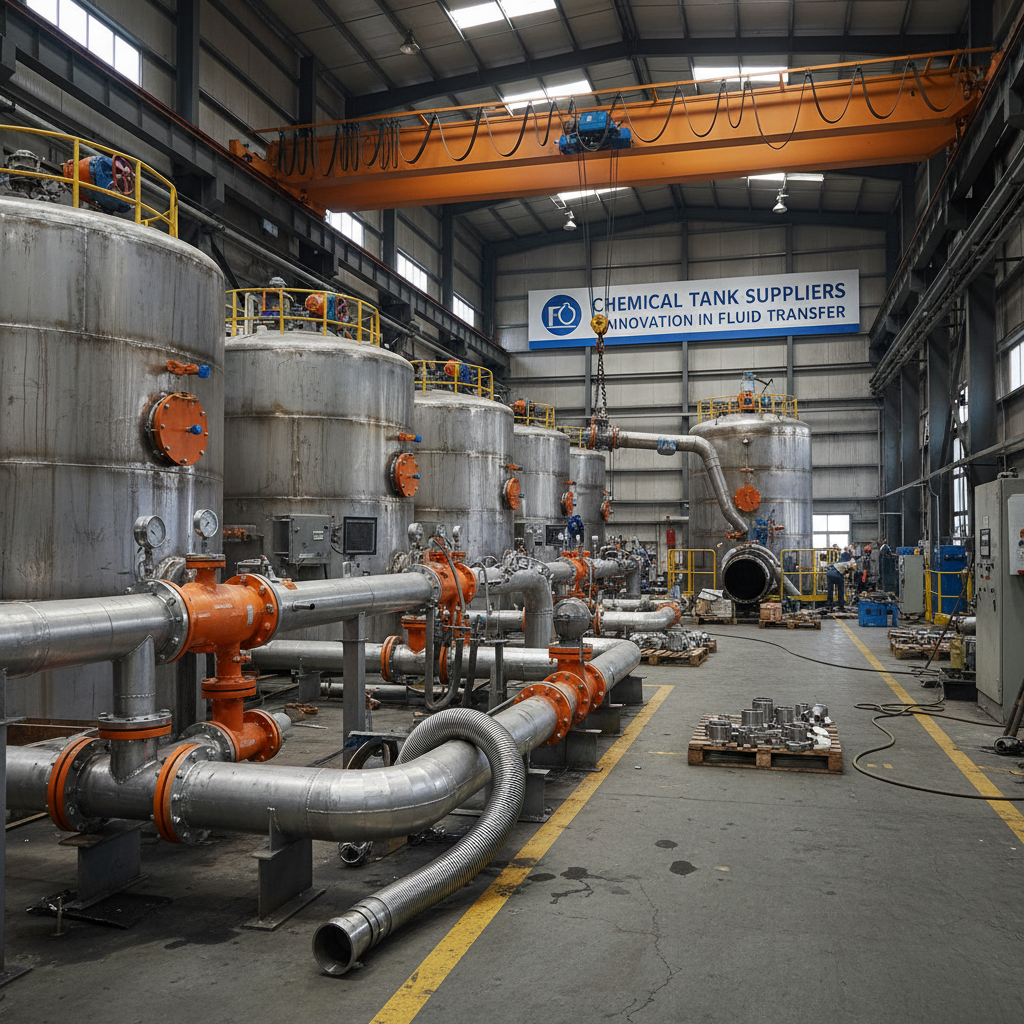
Chemical tanks aren’t just containers. They're the vessels that keep hazardous, corrosive, or sensitive fluids safe, stable, and accessible. Whether it’s a modest onsite solution or a bulk storage mammoth, the supplier’s know-how shapes how well those tanks perform and last.
Now, oddly enough, despite advances in materials and production, many suppliers still rely on “one-size-fits-most” solutions. That kind of makes me pause because chemical storage demands customization. Different chemicals mean specific resistances, shapes, capacities. I've worked on projects where a tank failure could have brought major downtime, so those nuances are not trivial.
One thing I tell folks is: don't just buy a tank. Buy peace of mind. Because at the end of the day, a chemical spill isn’t just a cleanup — it could cost you reputation, regulatory headaches, or worse.
Inspecting Product Specifications Before You Buy
When it comes to specs, you want to check everything — from capacity to material to safety features. Most industrial tanks are made of either steel, polyethylene, or fiberglass-reinforced plastics. Each has pros and cons depending on your chemical's properties.
Here's a rough comparison of a typical steel tank and a polyethylene tank I've come across in my experience:
| Specification | Steel Tank | Polyethylene Tank |
|---|---|---|
| Material | Carbon or stainless steel | High-density polyethylene (HDPE) |
| Typical Capacity | 500 - 10,000+ gallons | 50 - 5,000 gallons |
| Corrosion Resistance | Depends on coating or stainless grade | Excellent against many acids and bases |
| Weight | Heavy, needs crane handling | Lightweight, easy to move |
| Typical Applications | Bulk chemical storage, high-pressure situations | Smaller volume storage, corrosive chemicals |
Big Players and trusted chemical tank suppliers
In the landscape of industrial suppliers, a few names pop up time and again. What stands out is not just their product line, but how much they engage with customers to customize, test, and certify tanks.
Here’s a quick rundown comparing three well-known suppliers I’ve collaborated with or heard solid things about:
| Supplier | Material Options | Customization Availability | Lead Time | Typical Industries Served |
|---|---|---|---|---|
| QW Metal | Steel (carbon & stainless), HDPE | Extensive – sizes, design, accessories | 4-6 weeks | Chemical, wastewater, food processing |
| ABC Tanks Co. | Mostly fiberglass, some HDPE | Moderate – shape and volume | 6-8 weeks | Agriculture, chemicals |
| Global Steel Tanks | Carbon & stainless steel only | Limited – standard models mostly | 3-5 weeks | Petrochemical, manufacturing |
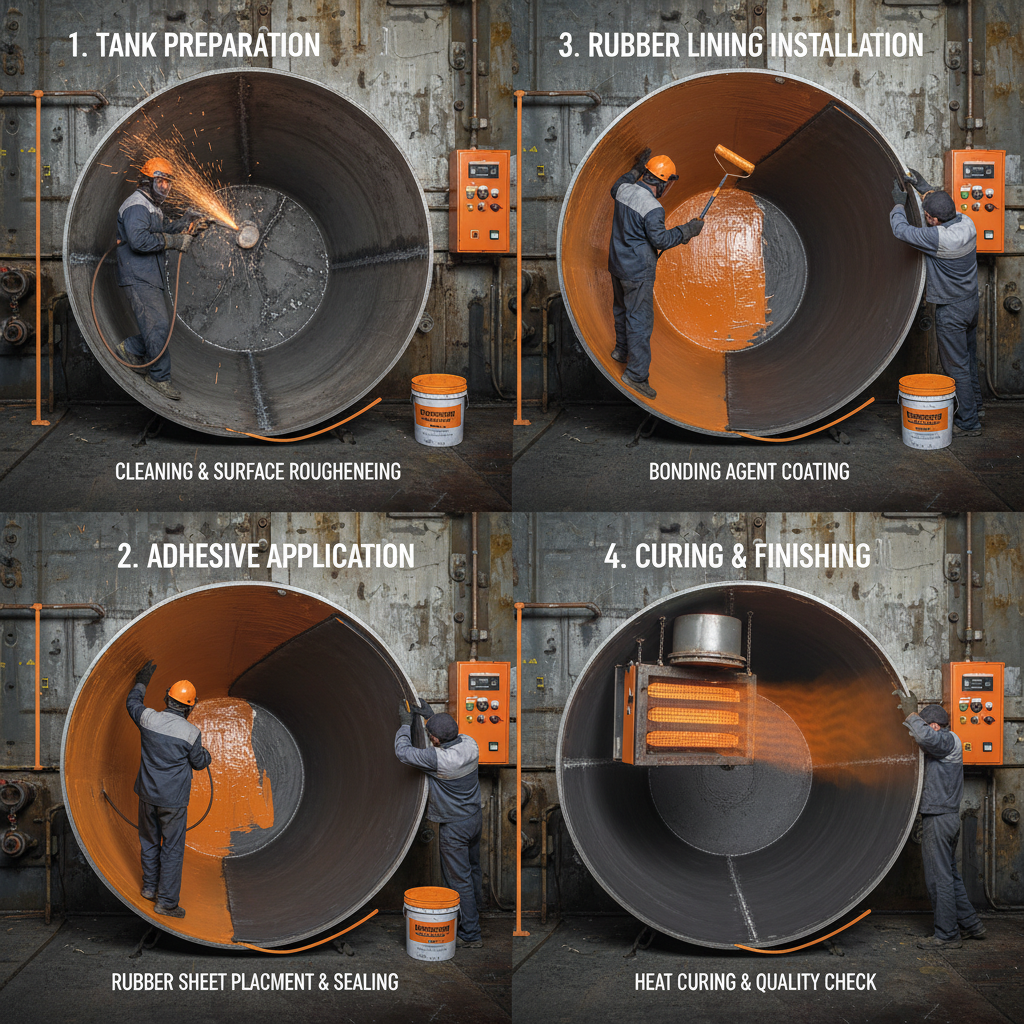
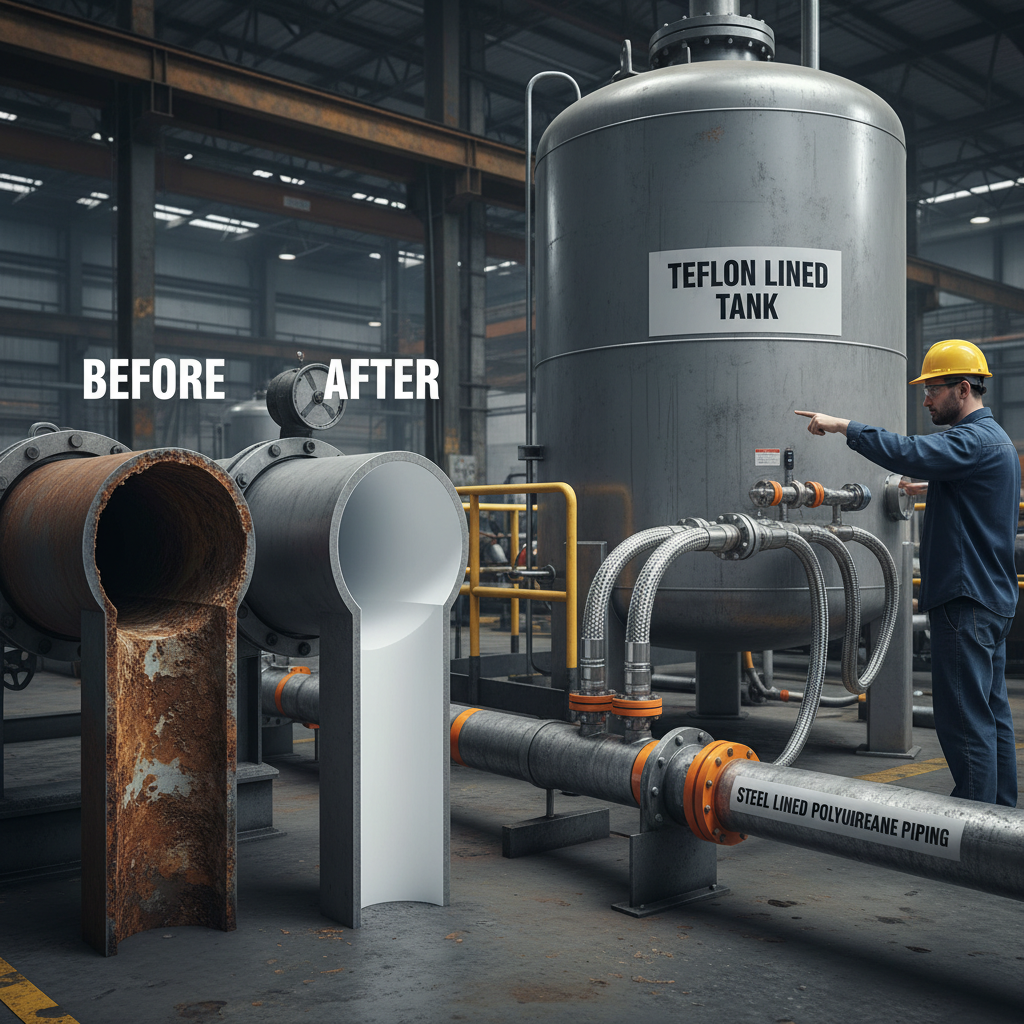
I often appreciate suppliers like QW Metal for their balance of solid lead times and customization options. One project I worked on needed a steel tank lined internally to resist a rather nasty acid mix — not exactly off the shelf — and they nailed the specs with hardly a hitch.
A Few Notes from the Field
In real terms, storage tanks get abused. Temperature swings, chemical attacks, even physical knocks. I’ve seen minor dents turn into leaks because the right materials and thicknesses weren’t chosen upfront. Testing and accreditations (UL, OSHA compliance, you name it) can seem like paperwork, but they’re really an insurance policy.
Don’t underestimate the importance of after-sale support either. Tanks aren’t “set and forget” items. Corrosion inspections, repairs, and accessory replacements keep things running smooth. I can’t count how many times I’ve had to call a supplier back mid-project because of some unexpected change in chemical formula or storage need.
Bottom line? Pick a chemical tank supplier who knows the chemical side as much as they know steel or plastic. It’s about trust, really. And sometimes, a little gut feeling. If their engineers take time to ask questions, listen, and offer options — that’s gold.
In Conclusion
Chemical tanks might look simple on paper, but the story behind each one is full of engineering decisions, industry standards, and practical realities. By choosing the right suppliers, like chemical tank suppliers that emphasize customization and quality, you’re investing in safety, uptime, and ultimately, your bottom line.
Honestly, the best tanks — and the best suppliers — are those who stand by their product long after the invoice is signed.
References / Thoughts
- Direct experience in industrial chemical storage projects over 12 years
- Industry standards: UL compliance, OSHA chemical safety regulations
- Insights drawn from client feedback and frequent supplier audits
Related Products
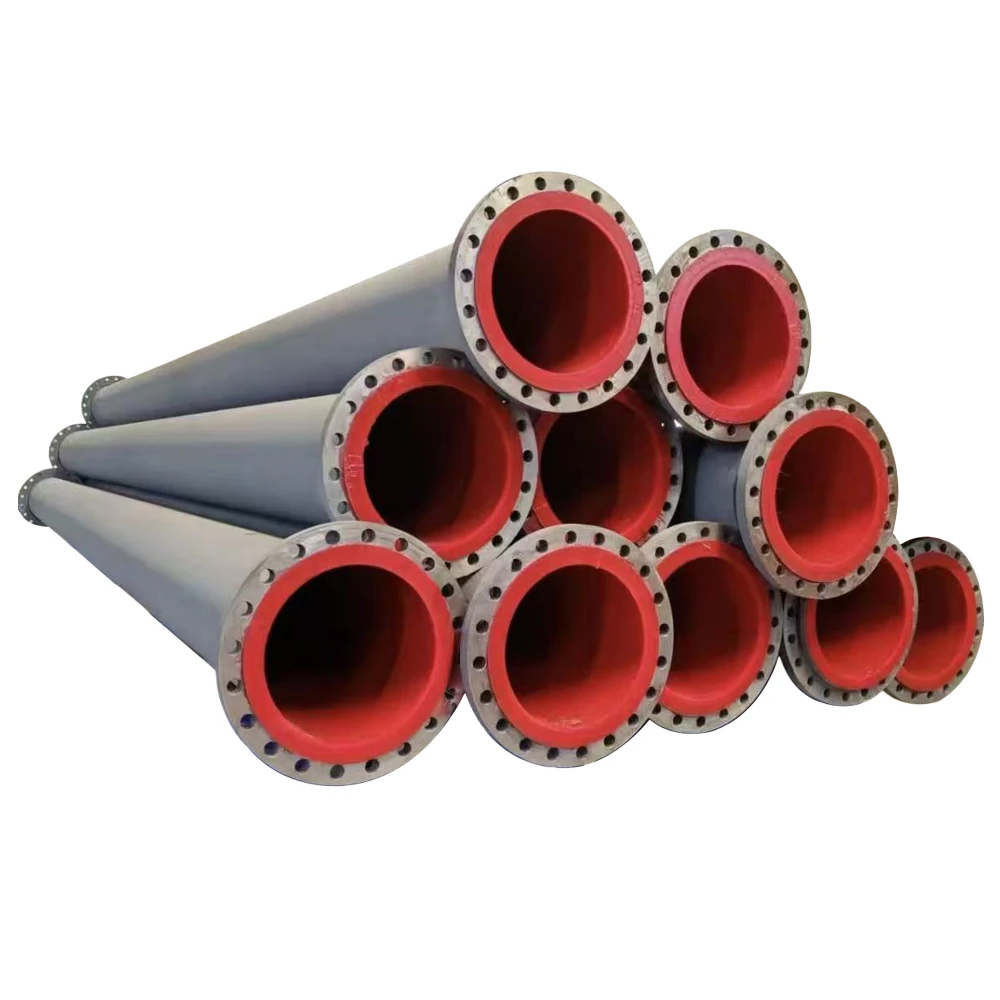
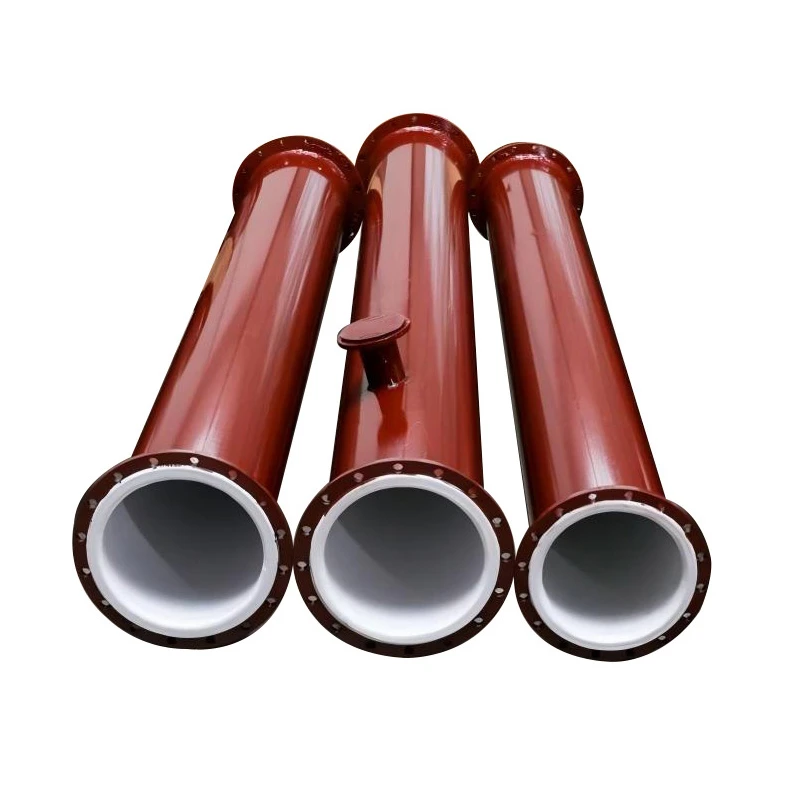
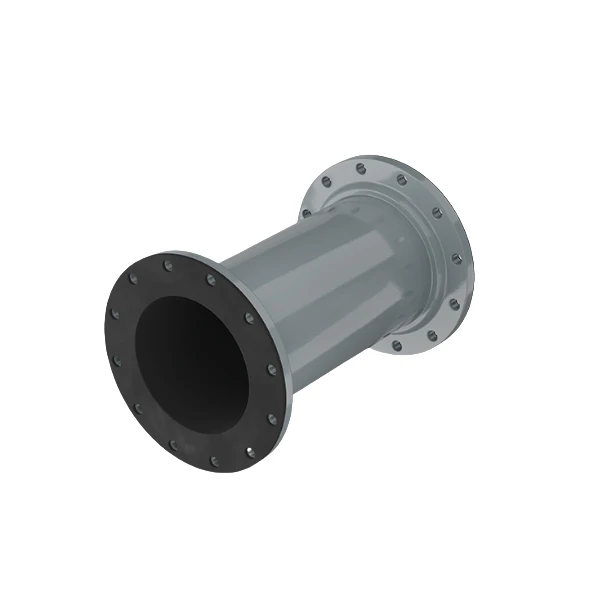
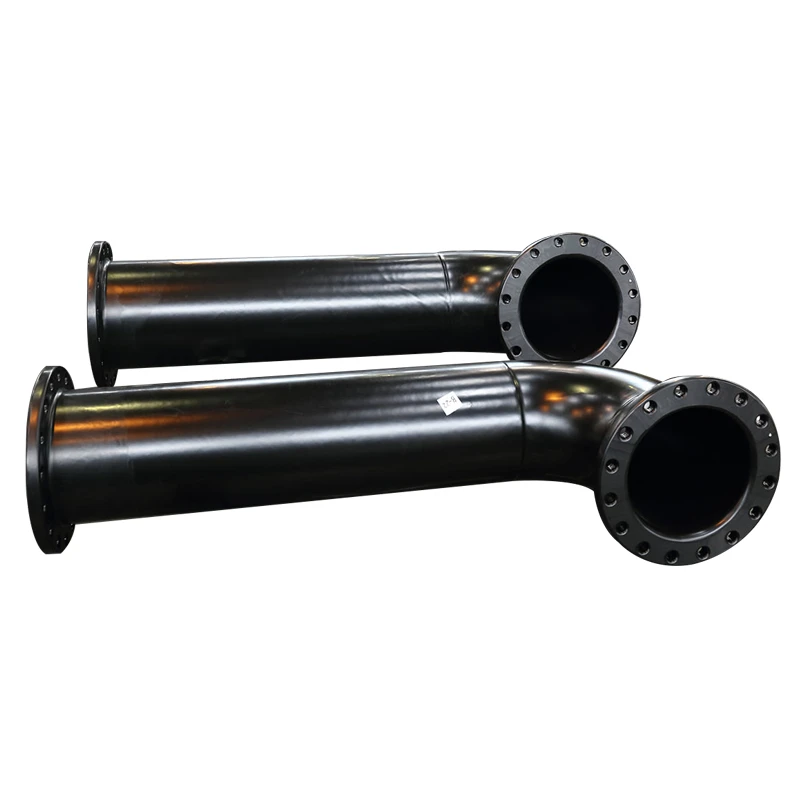
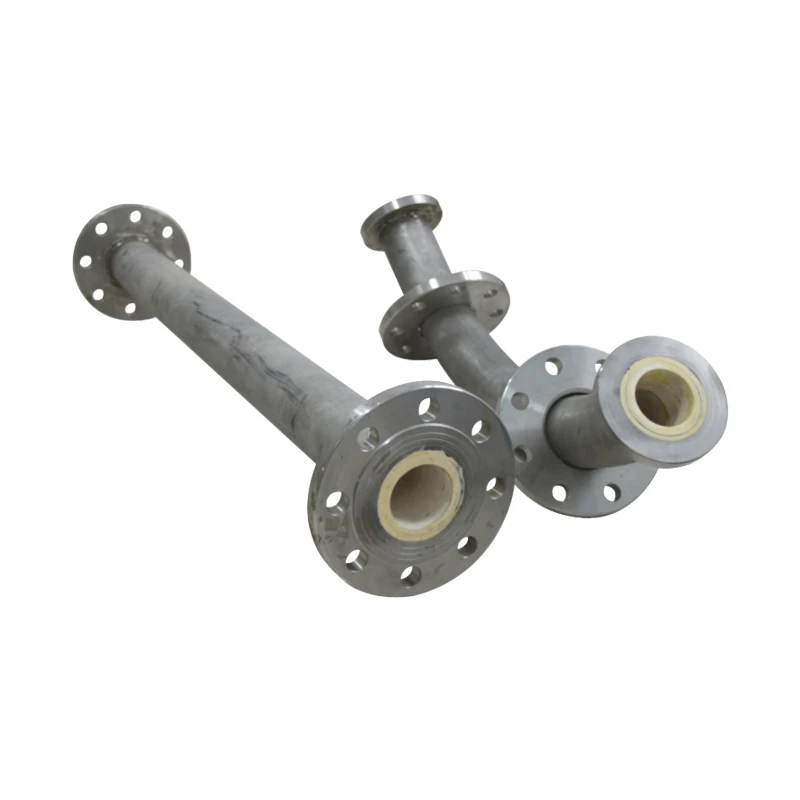
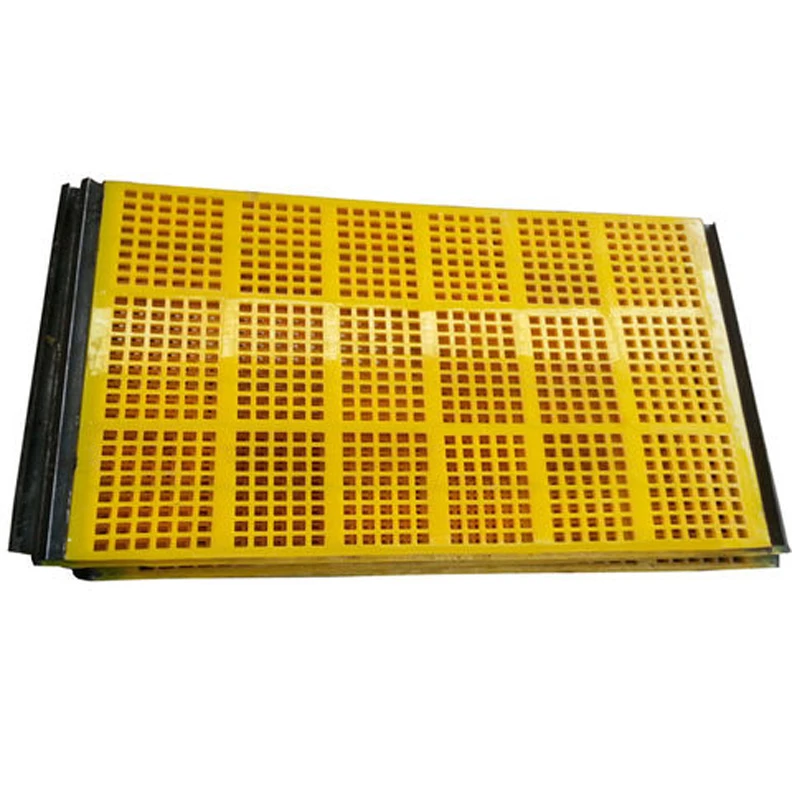
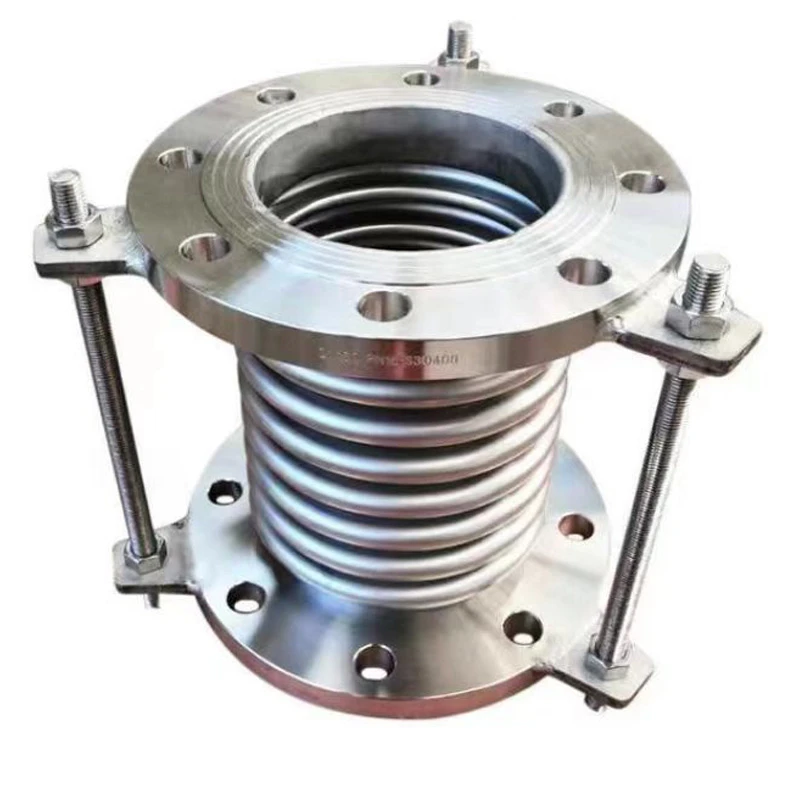
Our main products are polyurethane lined pipes, mining equipment fittings and metal hoses.