Reliable Chemical Storage Tank Solutions | Industry-Trusted Steel Tanks
Chemical Storage Tank: Essential Insights from Industry Experience
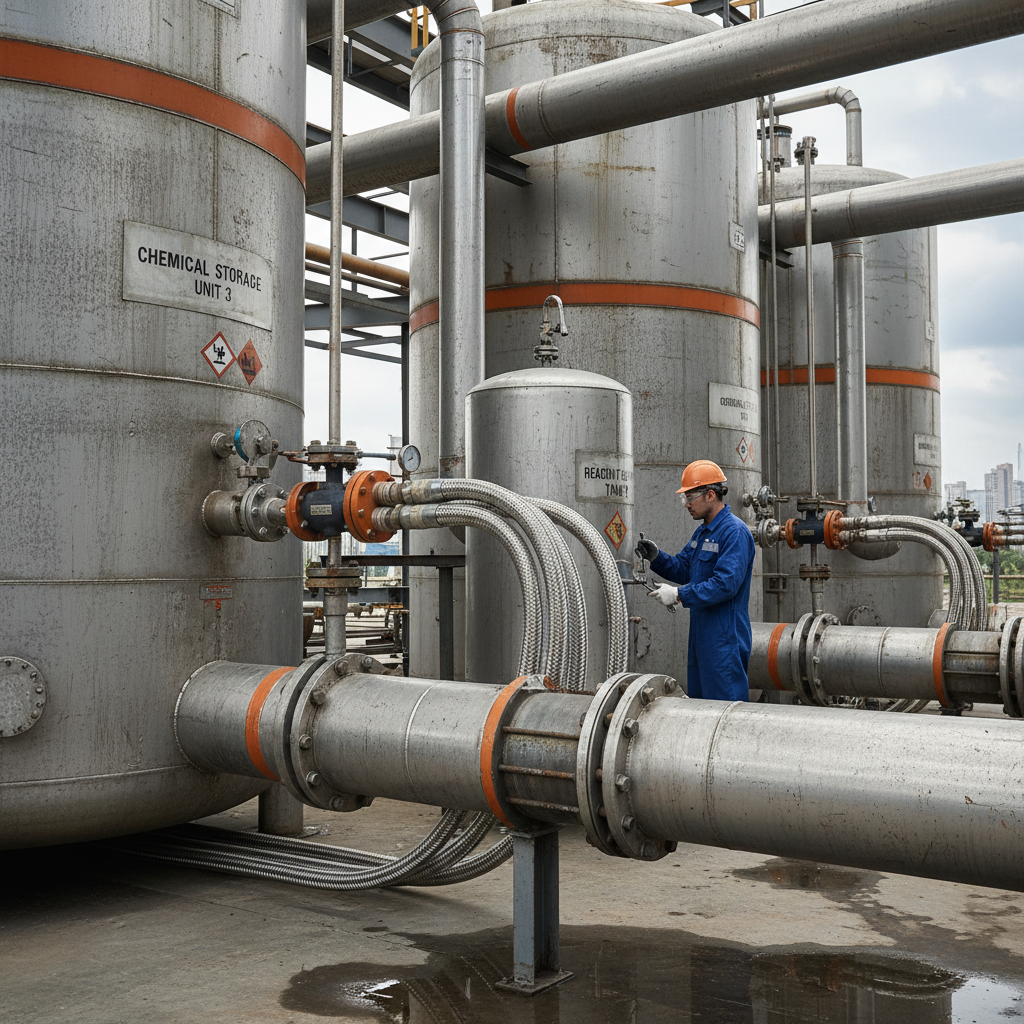
Having spent over a decade in the industrial equipment sector—mainly around storage solutions—I’ve come to appreciate how crucial a well-designed chemical storage tank is to any operation involving hazardous or sensitive liquids. You know, it’s not just about holding chemicals; it’s about safety, durability, and, frankly, peace of mind.
These tanks come in various forms and materials, but the real game-changer is the quality of fabrication and materials used. For instance, stainless steel tanks, especially those made from 304 or 316 stainless steel, offer remarkable corrosion resistance—something you simply cannot overlook when storing aggressive chemicals. I recall an installation where a client’s older carbon steel tank corroded prematurely, causing downtime and expensive cleanup. Since upgrading to stainless steel, those issues have vanished almost entirely.
Technology and design trends are shifting, too. Double-walled tanks, integrated leak detection systems, and compliance with ever-tightening regulations are now pretty much expected, not optional. Sometimes it feels the industry pushes these requirements not just for safety, but to keep reliability top-notch—because a leak or spill can cost much more than the tank itself.
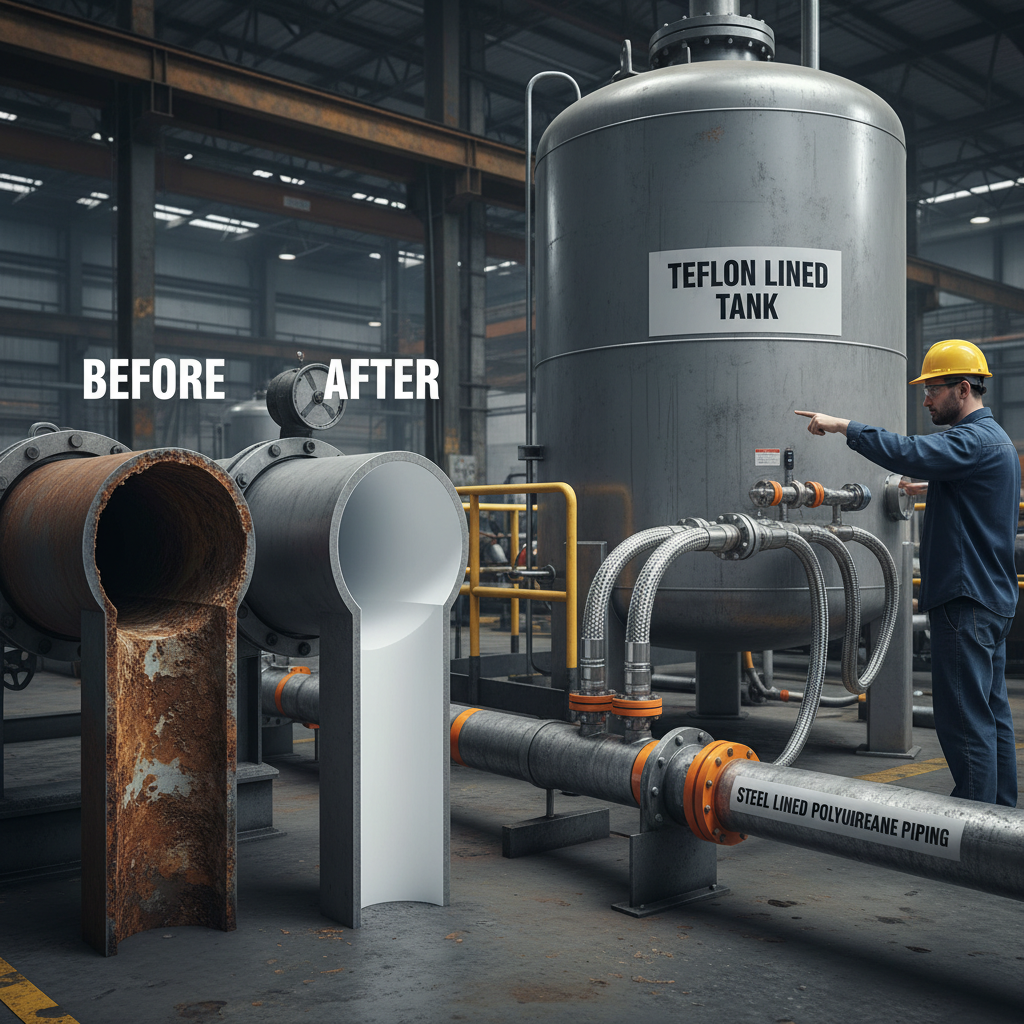
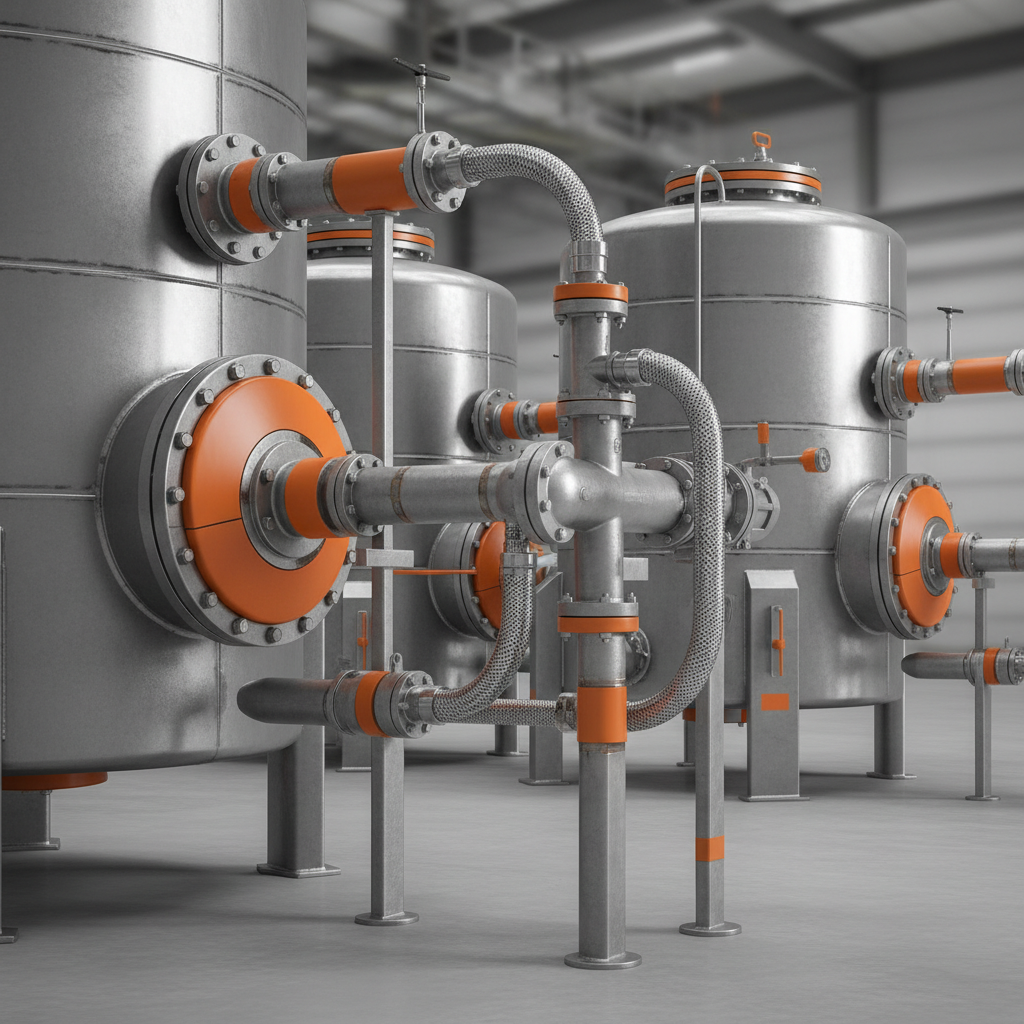
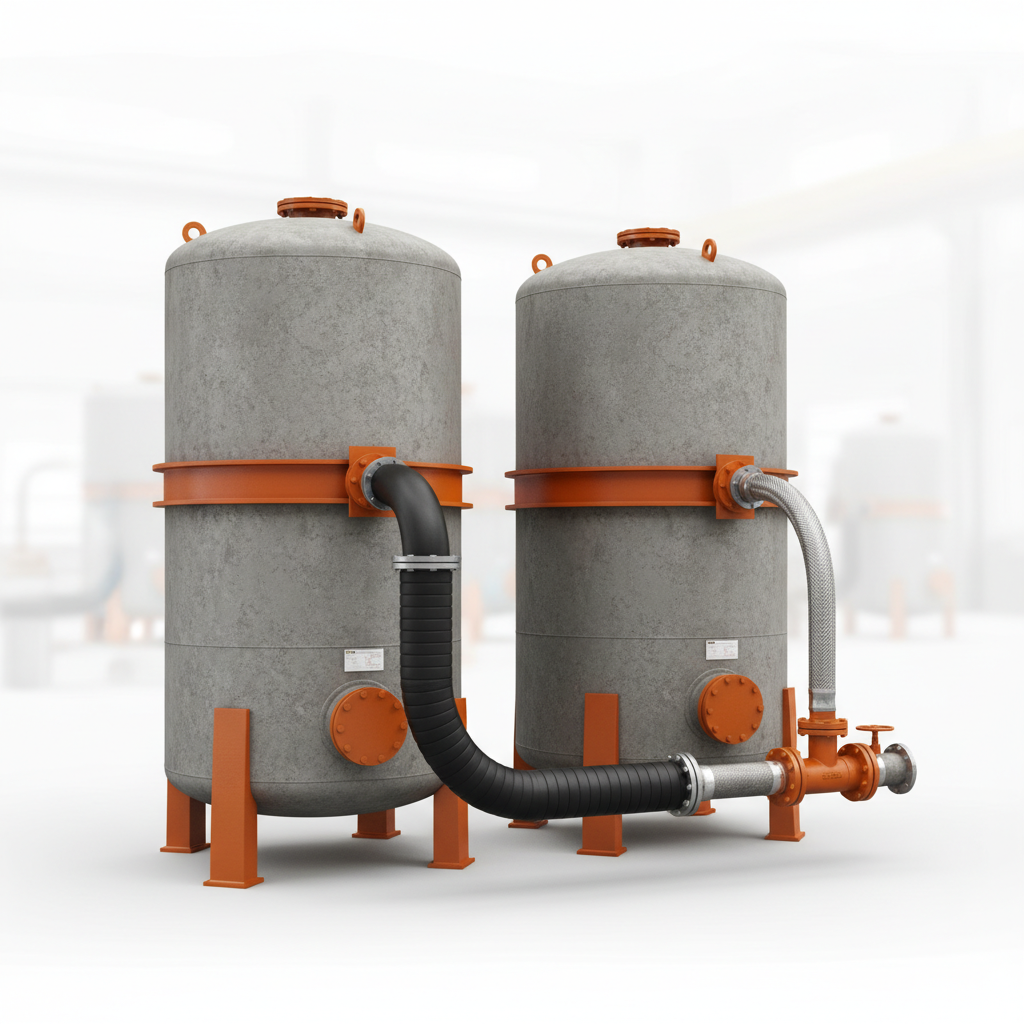
One interesting aspect is customization. Many suppliers nowadays offer tailor-made tanks shaped or sized to fit narrow spaces, with special coatings or linings designed for the exact chemicals held. You might find that a particular polymer liner helps protect against strong acids, while a galvanized steel exterior protects the structure from weather effects.
| Feature | Specification |
|---|---|
| Material | 304/316 Stainless Steel |
| Capacity | 1,000 - 50,000 Liters (custom sizes available) |
| Design Pressure | Atmospheric to 2 bar |
| Standards Compliance | ASME, API 650, ISO 9001 |
| Additional Features | Double Walls, Leak Detection, Venting Valves |
Now, when I mention chemical storage tanks from different vendors, it’s not just about price. It’s their after-sales support, custom engineering capabilities, and testing rigor that really matter in the long run. Here’s a quick comparison I’ve found useful based on recent market intel:
| Vendor | Material Options | Customization | Compliance Certifications | Lead Time |
|---|---|---|---|---|
| QW Metal | 304/316 Stainless Steel, Carbon Steel, Galvanized | High (custom sizes & linings) | ASME, ISO 9001, API 650 | 4-6 weeks |
| Vendor B | Carbon Steel, Plastic Lined | Medium | API 650 | 6-8 weeks |
| Vendor C | Fiberglass, Plastic | Low | UL, FM Approved | 3-5 weeks |
From experience, I’d say it’s worth investing a bit extra upfront for higher-grade materials and certifications. Oddly enough, a friend of mine working at a chemical plant told me how they saved thousands by switching suppliers to one offering stainless steel tanks with built-in leak detectors—avoiding what could have been a catastrophic spill.
Ultimately, chemical storage tanks aren’t “one size fits all.” They must be chosen thoughtfully with consideration for chemical compatibility, environmental factors, and operational needs. I suppose this is why industry veterans often become quite particular about their chemical storage tank choices, investing time in vetting suppliers and inspecting manufacturing details.
So if you’re looking for a reliable, customizable storage solution that truly stands the test of time, it’s worth starting with trusted, experienced manufacturers. And if you ask me, I’d keep an eye on how those subtle design enhancements evolve—they make the difference between a ‘tank’ and a true asset.
1. ASME Boiler and Pressure Vessel Code, Section VIII
2. API Standard 650: Welded Steel Tanks for Oil Storage
3. ISO 9001 Quality Management Systems
Related Products
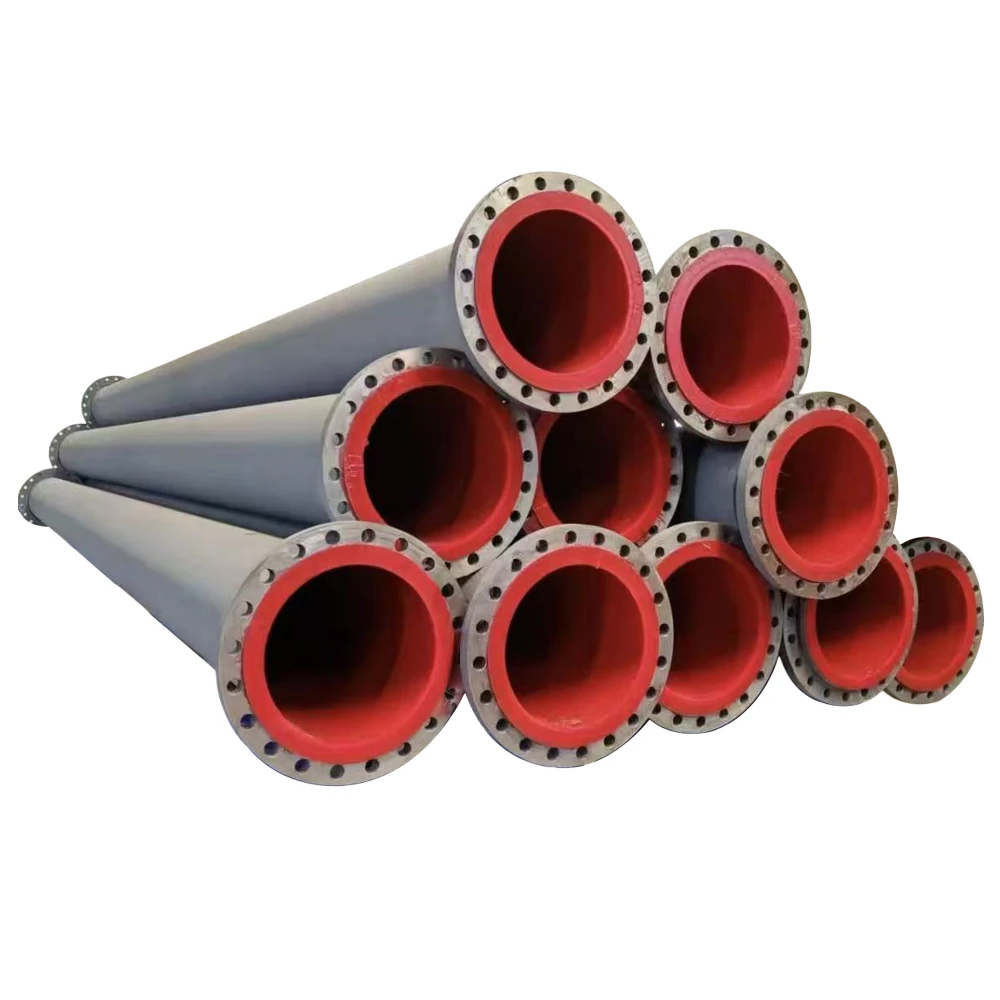
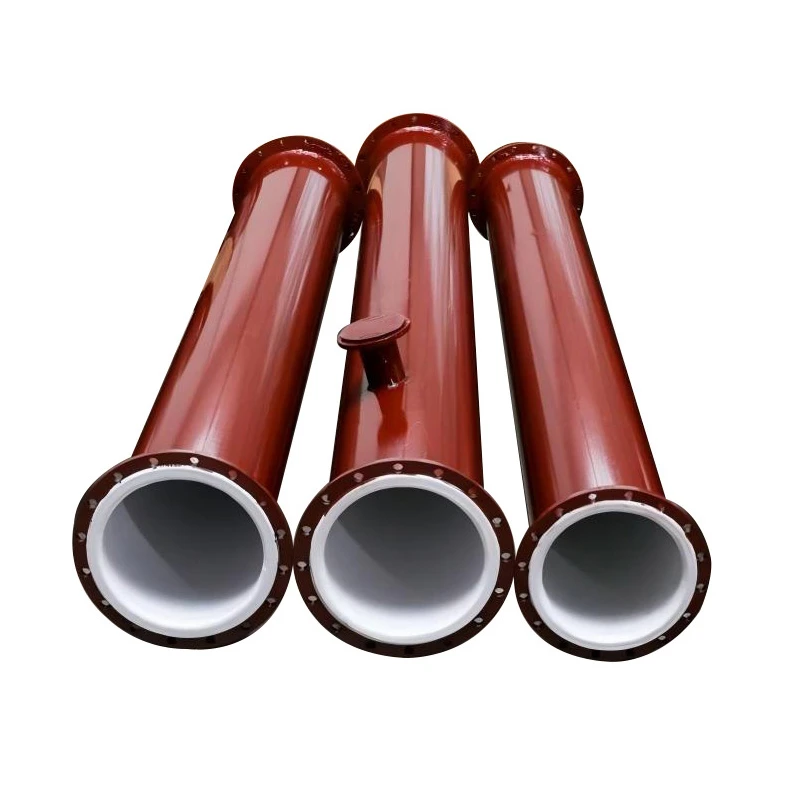
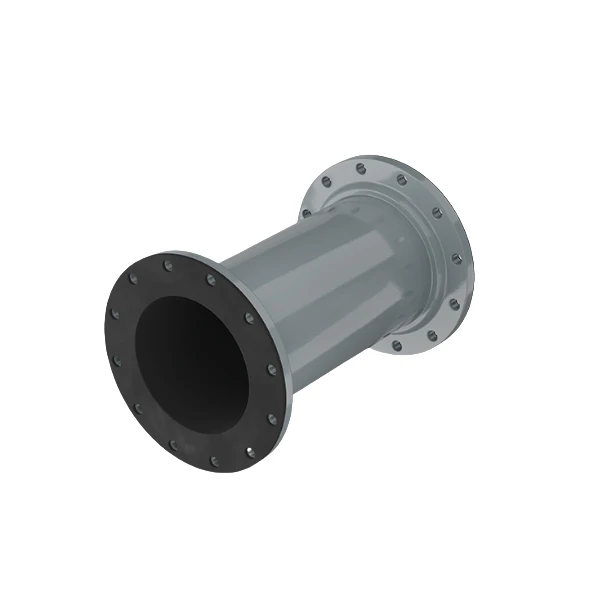
Our main products are polyurethane lined pipes, mining equipment fittings and metal hoses.