PU Screen: Wear-Resistant, Anti-Clogging, High Precision
Field Notes on the Modern pu screen: why polyurethane quietly took over
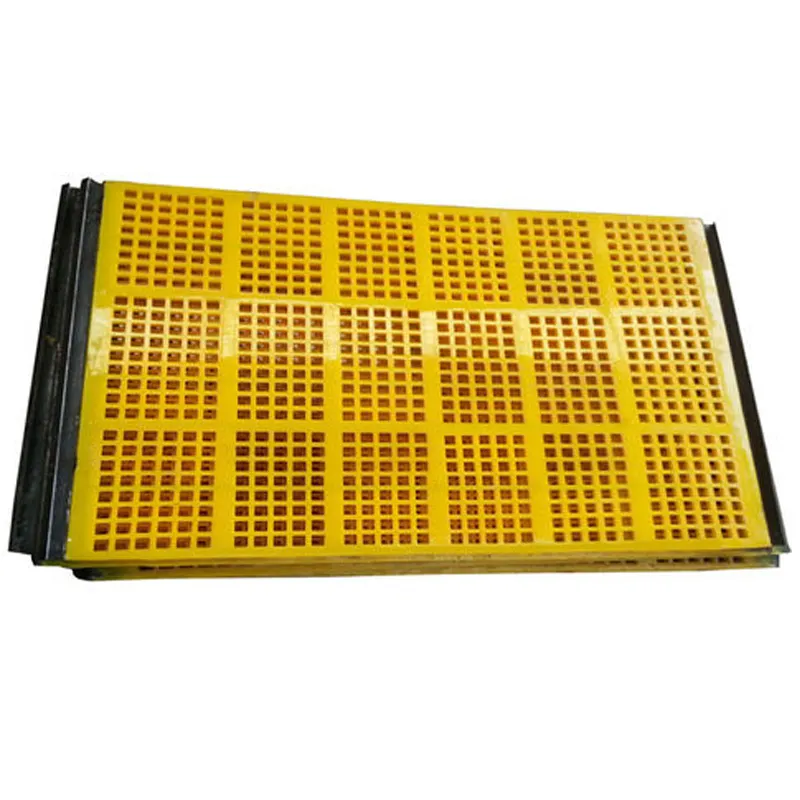
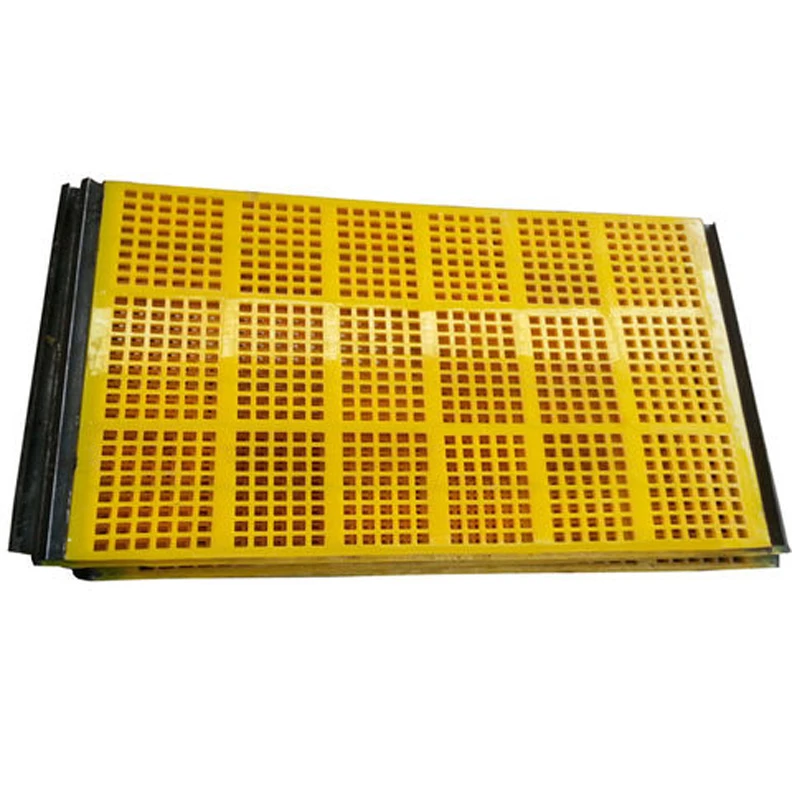
If you’ve spent time around a crushing circuit or a busy dewatering station, you’ve seen the shift. Steel and rubber grids are giving way to polyurethane. To be honest, it wasn’t flashy at first—just fewer changeouts, less downtime, crews smiling on Friday. Today, pu screen panels are the default in mines, quarries, aggregates, and even wastewater plants that care about throughput and maintenance sanity.
What’s driving the trend
- Wear life: many customers say 2–4× vs. mild steel in silica-heavy applications; surprisingly stable in wet fines.
- Noise and safety: lower impact noise; less “pinging” fatigue on crews.
- Modularity: snap-in or pin-and-sleeve systems speed swaps—minutes, not hours, on good days.
- Classification accuracy: elastomer rebound reduces pegging and blinding, especially on sticky clays.
Origin and build quality
We’ve tracked supply out of Yuqiao Village, Jingxin Street, Jing County, Hengshui City, Hebei Province—an established elastomer hub. Panels like QW’s Polyurethane Screen Panels come from hot-cast prepolymer systems with tight cure control. In fact, that’s what separates good pu screen panels from the pretenders: chemistry + process discipline.
Typical spec snapshot (real-world may vary)
| Parameter | Typical Value ≈ | Notes / Standard |
|---|---|---|
| Hardness | 85–95 Shore A | ISO 868 |
| Tensile strength | ≥ 35 MPa | ISO 527-1/2 |
| Abrasion loss | ≤ 80 mm³ | ASTM G65 Proc. A |
| Temp range | -40 to +80 °C | continuous duty |
| Apertures | 0.3–120 mm | slotted/square/VR |
| Open area | 30–55% | depends on pattern |
Process flow (how good panels are made)
- Materials: MDI-based polyether prepolymer + curative; anti-hydrolysis additives for wet duty.
- Mixing & de-gas: vacuum de-aeration to cut pinholes (you’d be amazed how many shops skip this).
- Molding: hot-cast or high-pressure injection into steel molds; embedded steel or FRP frames as needed.
- Cure & post-cure: 80–110 °C oven cycles lock in properties; cold spots kill wear life, so mapping matters.
- Finish: CNC trim, aperture calibration, surface energy treatment to reduce blinding.
- Testing: hardness (ISO 868), tensile/elongation (ISO 527), abrasion (ASTM G65), dimensional checks; QA logged under ISO 9001.
Applications and service life
Mining (gold, iron ore), limestone and granite quarries, sand & gravel, and municipal/industrial wastewater. Service life is often 6–18 months depending on silica content, impact drop height, and water chemistry. On sticky fines, a pu screen with tapered holes noticeably resists pegging—my take: it pays for itself in scheduled runtime.
Vendor snapshot (what buyers compare)
| Vendor | Origin | Material system | Customization | Certs | Lead time ≈ |
|---|---|---|---|---|---|
| QW (Polyurethane Screen Panels) | Hengshui, Hebei | Hot-cast MDI, abrasion-grade | Aperture/durometer/frame | ISO 9001 | 10–20 days |
| Vendor B | EU | PU blend, injection | Standard patterns | ISO 9001/14001 | 3–5 weeks |
| Vendor C | NA | Cold-cast PU | Limited sizes | — | 2–4 weeks |
Customization checklist
- Aperture: square, rectangular, VR (tapered), deck-specific layouts.
- Durometer: softer for anti-blinding, harder for high-impact tops.
- Attachment: pin & sleeve, rail, bolt-down, or snap-in.
- Frame: steel, FRP, or full PU for corrosion-prone wastewater lines.
Quick case notes
Granite quarry, Southeast Asia: swapping 10 mm steel to 90A pu screen with tapered 8 mm apertures lifted open area by ~7% and cut blinding; net +12% hourly throughput over 60 days.
Gold plant dewatering: modular 0.5×1 m panels, slotted 0.7×14 mm; ASTM G65 abrasion loss tracked at 62–70 mm³. Operators reported “half the changeouts” in Q2.
Buyer tips
- Ask for test sheets: ISO 868, ISO 527, and G65 numbers tell the story.
- Check cure control—post-cure uniformity correlates with service life.
- Match aperture style to feed PSD; don’t overspec hardness for sticky ores.
References:
- ASTM G65 – Standard Test Method for Measuring Abrasion Using the Dry Sand/Rubber Wheel Apparatus. ASTM International.
- ISO 868: Plastics and ebonite — Determination of indentation hardness by means of a durometer (Shore hardness).
- ISO 527-1: Plastics — Determination of tensile properties — Part 1: General principles.
- ISO 9001: Quality management systems — Requirements.
Related Products
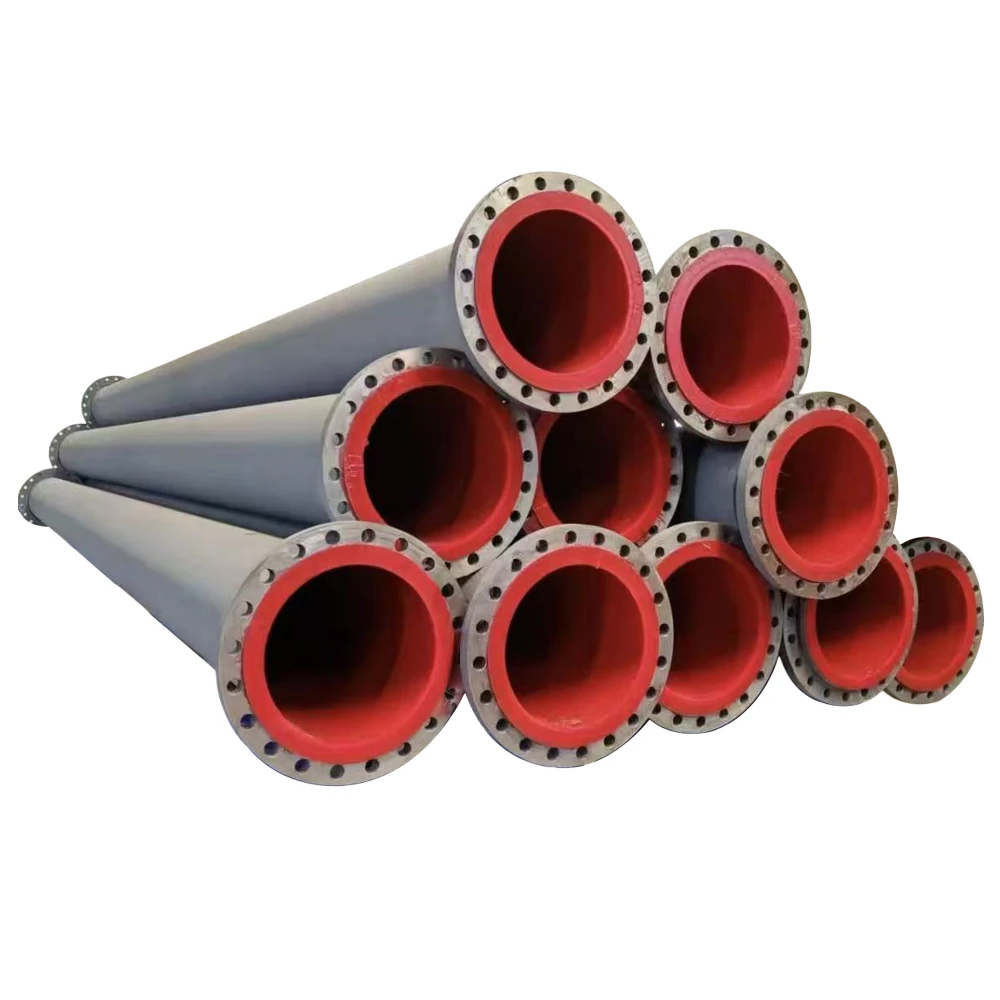
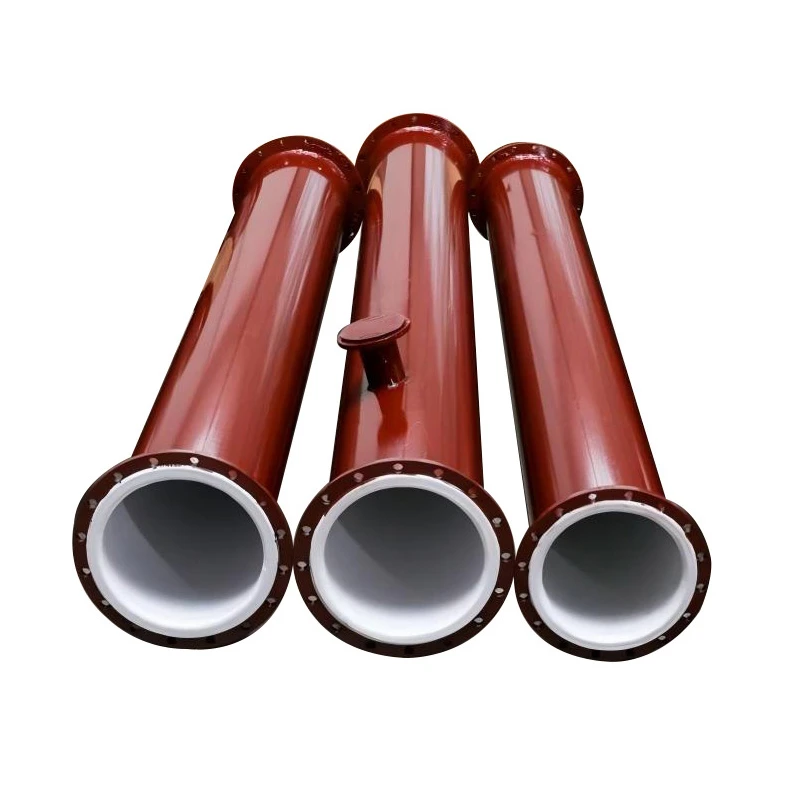
Our main products are polyurethane lined pipes, mining equipment fittings and metal hoses.