Premium Polyurethane Impellers: Wear-Resistant & Efficient
Evolution and Industry Trends of Polyurethane Impellers
The industrial landscape's relentless pursuit of efficiency, durability, and cost-effectiveness has significantly elevated the prominence of advanced material solutions. Among these, the Polyurethane Impeller has emerged as a critical component, revolutionizing fluid dynamics and material handling across a spectrum of heavy industries. Traditional metallic or rubber impellers often fall short in applications characterized by severe abrasion, chemical exposure, or cavitation. This inadequacy has driven innovation towards high-performance polymers, with polyurethane standing out due to its unique blend of mechanical properties. Current industry trends emphasize components that not only withstand harsh operating conditions but also contribute to energy savings and reduced maintenance downtime. The demand for lightweight, corrosion-resistant, and high-efficiency impellers is accelerating, particularly in sectors dealing with abrasive slurries, corrosive chemicals, and high-wear environments. Furthermore, stringent environmental regulations are pushing industries to adopt materials that offer extended service life, thereby minimizing waste and resource consumption. This shift underscores a broader move towards sustainable engineering practices where the initial investment in a superior material like polyurethane is justified by substantial long-term operational savings and improved system reliability. The bespoke engineering of these impellers allows for precise tailoring to specific flow rates, head pressures, and media characteristics, optimizing performance beyond what off-the-shelf solutions can provide. This adaptability, coupled with inherent resilience, positions the Polyurethane Impeller as an indispensable asset in modern industrial processes, driving innovation in pump design and fluid transportation.
Key Technical Parameters and Material Specifications
Understanding the technical parameters of a Polyurethane Impeller is crucial for optimal selection and application. Polyurethane, as a versatile elastomer, can be engineered to possess a wide range of properties, from soft and flexible to rigid and durable, primarily influenced by its formulation and Shore hardness. For impellers, a higher Shore hardness (typically Shore A 70-95 or Shore D for more rigid applications) often correlates with enhanced abrasion resistance and load-bearing capacity, making it ideal for slurry pumping. Key specifications include tensile strength, elongation at break, tear strength, and compression set, all of which dictate the impeller's performance under dynamic stress and impact. Chemical compatibility is another critical parameter, ensuring the impeller withstands exposure to acids, alkalis, oils, and solvents without degradation. Furthermore, operating temperature ranges are vital, as polyurethane's properties can be affected by extreme heat or cold; typical operational limits are often specified. Density, while seemingly minor, contributes to the impeller's overall weight, impacting motor load and rotational inertia, with lighter materials potentially offering energy efficiency gains. The specific gravity of the material also plays a role in buoyancy in certain fluid applications. These parameters collectively ensure that the Polyurethane Impeller not only fits the mechanical requirements of the pump system but also provides a prolonged, efficient service life, reducing the total cost of ownership.
| Parameter | Typical Range/Value | Significance for Impeller Performance |
|---|---|---|
| Shore Hardness (A/D) | 60A - 95A, 40D - 75D | Determines abrasion resistance, impact resilience, and load-bearing capacity. Higher hardness for abrasive slurries. |
| Tensile Strength | 30 - 60 MPa | Resistance to stretching and breaking under tension, crucial for rotational stress. |
| Elongation at Break | 300% - 700% | Indicates flexibility and ability to deform without fracturing, essential for shock absorption. |
| Tear Strength | 50 - 150 kN/m | Resistance to the propagation of a tear, vital in abrasive media. |
| Operating Temperature Range | -30°C to +80°C (continuous) | Ensures material stability and performance across environmental conditions. |
| Specific Gravity | 1.10 - 1.25 | Influences buoyancy and overall weight, impacting motor efficiency. |
The Advanced Manufacturing Process of Polyurethane Impellers
The manufacturing of a high-quality Polyurethane Impeller involves a sophisticated multi-stage process, beginning with meticulous material selection. Unlike generic rubber or metal, polyurethane formulations are highly customizable, allowing engineers to tailor the polymer's properties for specific applications, such as enhanced hydrolysis resistance for wet environments or improved chemical resistance for corrosive media. The primary manufacturing technique for impellers is casting, where liquid polyurethane prepolymer and curative are precisely mixed and poured into a mold. This process requires controlled temperature and humidity environments to ensure optimal chemical reactions and prevent air entrapment. Vacuum degassing is often employed before casting to remove any residual air bubbles, which could compromise the impeller's structural integrity and performance. Following the casting, the impeller undergoes a crucial curing phase, which can involve both ambient and post-curing at elevated temperatures. This step is vital for achieving the desired Shore hardness, tensile strength, and chemical stability. Post-curing ensures complete polymerization, maximizing the material's mechanical properties and longevity. The mold design itself is critical, often leveraging advanced CAD/CAM software to achieve precise hydrodynamic profiles that optimize fluid flow and minimize cavitation, contributing directly to the impeller's efficiency and longevity. This comprehensive approach, from raw material to final product, underpins the superior performance of polyurethane solutions in demanding industrial pump applications.
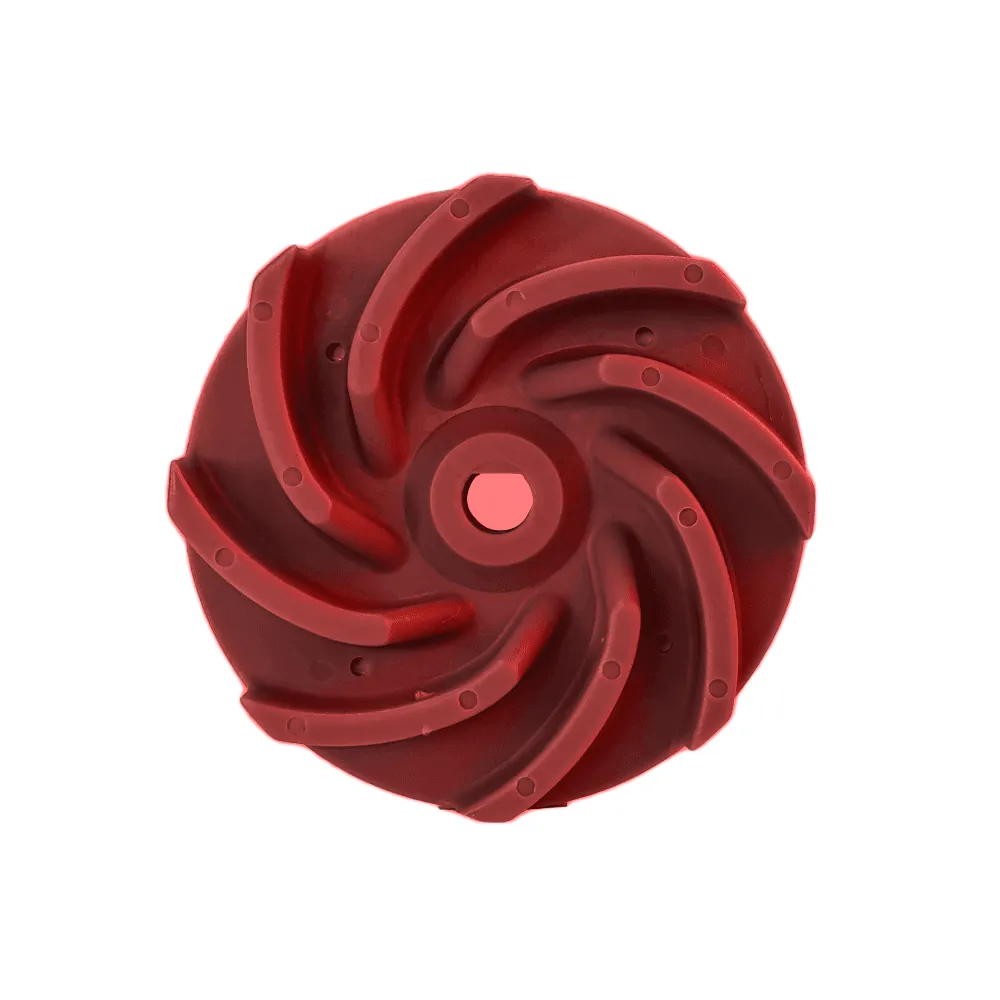
Beyond the initial casting and curing, the manufacturing process incorporates rigorous quality control and finishing operations to meet exacting industry standards. After demolding, each Polyurethane Impeller undergoes comprehensive inspection, including visual checks for surface imperfections and dimensional verification using precision measuring tools to ensure adherence to tight tolerances (e.g., as per ANSI B73.1 for centrifugal pumps). Non-destructive testing methods might also be employed to detect internal flaws. Balancing is another critical step, especially for larger impellers operating at high RPMs; dynamic balancing ensures smooth operation, reduces vibration, and extends bearing and seal life, thereby directly impacting the pump's overall efficiency and operational lifespan. Companies adhering to international standards like ISO 9001 ensure that every stage, from raw material procurement to final packaging, follows a documented and auditable quality management system. The application of these robust manufacturing and quality assurance protocols results in impellers with a significantly extended service life compared to traditional materials, often up to 3-5 times longer in abrasive conditions. This extended lifespan translates into reduced maintenance downtime, lower replacement costs, and improved operational continuity for end-users in industries such as petrochemical, metallurgy, mining, power generation, and municipal water and wastewater treatment. The inherent resilience and precision of a properly manufactured Polyurethane Impeller directly contribute to improved energy efficiency by maintaining optimal hydrodynamic performance over time and resisting performance degradation due to wear and corrosion.
Technical Advantages and Diverse Application Scenarios
The technical advantages of a Polyurethane Impeller are manifold, setting it apart from conventional materials like cast iron, stainless steel, or rubber. Foremost among these is its exceptional abrasion resistance, particularly in slurry applications where hard solids rapidly erode metallic surfaces. Polyurethane's elastomeric nature allows it to absorb impact energy rather than succumbing to material loss, effectively 'bouncing off' abrasive particles. This dynamic resistance translates into significantly extended service life, reducing the frequency of costly impeller replacements and associated downtime. Furthermore, polyurethane exhibits superior resistance to a wide range of chemicals, including many acids, alkalis, and hydrocarbons, making it suitable for chemical processing and wastewater treatment where corrosive media would rapidly degrade metallic components. Its lighter weight compared to metal impellers reduces rotational inertia, potentially lowering energy consumption and placing less strain on pump motors and bearings. The material also offers excellent noise and vibration damping properties, contributing to a quieter and more stable pump operation. Unlike some metals, polyurethane does not corrode or rust, ensuring consistent performance over time and preventing contamination of the pumped fluid. These combined properties make the Polyurethane Impeller a highly efficient and durable choice for critical industrial applications, where reliability and performance are paramount.
The robust characteristics of Polyurethane Impellers enable their deployment across a diverse array of demanding industrial scenarios. In the mining industry, they are indispensable for slurry pumps handling highly abrasive ore slurries and tailings, dramatically extending pump component life and reducing operational costs. Within the petrochemical sector, these impellers are utilized in pumps transferring corrosive chemicals, oil, and gas, where their chemical resistance prevents material degradation and ensures fluid purity. Municipal water and wastewater treatment plants benefit from polyurethane's resistance to chemicals used in treatment processes and its resilience against abrasive sludge and grit, leading to more reliable and efficient pumping systems for both supply and drainage applications. In the power generation industry, particularly coal-fired plants, polyurethane impellers are critical in ash handling systems and flue gas desulfurization (FGD) processes, enduring the erosive effects of ash slurries and acidic environments. Furthermore, industries like cement production, paper and pulp, and even agriculture, where abrasive or corrosive fluids are routinely managed, find significant advantages in adopting these advanced components. Their ability to deliver consistent hydraulic performance, even in challenging environments, positions the Polyurethane Impeller as a cornerstone technology for enhancing operational efficiency, minimizing maintenance interventions, and ensuring long-term system reliability across these critical sectors.
Manufacturer Comparison and Tailored Customization Solutions
Selecting the right manufacturer for a Polyurethane Impeller is as critical as understanding the product itself. Reputable manufacturers differentiate themselves through several key aspects: their expertise in polyurethane chemistry and engineering, their manufacturing precision, and their commitment to quality. A leading manufacturer will possess extensive R&D capabilities, allowing them to formulate custom polyurethane compounds optimized for specific chemical, temperature, and abrasive environments beyond standard offerings. This includes precise control over Shore hardness, chemical compatibility, and even unique additives to enhance performance characteristics like UV resistance or flame retardancy. Manufacturing precision, often achieved through advanced CNC machining for mold creation and rigorous quality control protocols for casting and curing, ensures that the impeller's hydraulic profile is exact, leading to optimal flow efficiency and reduced cavitation. Manufacturers with proven track records and years of service in the industry often have established partnerships with material suppliers, ensuring consistent quality and availability of raw materials. Furthermore, certifications such as ISO 9001 demonstrate a commitment to standardized quality management, providing an additional layer of assurance for B2B decision-makers. Evaluating a manufacturer also involves assessing their technical support and after-sales service capabilities, ensuring that expert assistance is available for troubleshooting, installation guidance, and performance optimization.
The strength of advanced Polyurethane Impeller providers lies in their ability to offer highly customized solutions, moving beyond off-the-shelf components to perfectly match an application's unique demands. Customization extends to various design elements, including impeller type (e.g., open, semi-open, or closed designs based on fluid viscosity and solids content), vane geometry, and shroud configurations to maximize hydraulic efficiency. Material customization is paramount; for instance, tailoring the polyurethane formulation to withstand specific chemical concentrations or operating temperatures that fall outside typical ranges. This might involve adjusting the polyol and isocyanate ratios, or incorporating specialized additives to achieve desired characteristics such as increased hydrolysis resistance for hot water applications, or improved cut and tear resistance for highly abrasive slurries containing sharp particles. Through a collaborative design process, engineers work directly with clients to analyze their system requirements, fluid properties, and operational challenges. This iterative approach, leveraging computational fluid dynamics (CFD) simulations and finite element analysis (FEA), ensures that the custom Polyurethane Impeller not only fits perfectly but also delivers optimized performance, contributing to significant energy savings and extended pump life. This bespoke engineering capability is a defining characteristic of expert polyurethane component manufacturers, providing tailored solutions that resolve complex industrial challenges.
Real-World Application Cases and Performance Data
The practical benefits of a Polyurethane Impeller are best illustrated through real-world application cases and verifiable performance data. In a typical mining operation in Western Australia, a copper concentrate plant experienced frequent downtime due to the rapid wear of traditional metal impellers in their slurry pumps, requiring replacements every 3-4 months. After transitioning to high-hardness (Shore A 90) polyurethane impellers, the average lifespan of the impellers extended to over 18 months, representing a 450% increase in operational life. This not only dramatically reduced maintenance costs and parts inventory but also led to an estimated 15% reduction in energy consumption due to the lighter weight and consistent hydraulic efficiency of the polyurethane components. Another compelling case involves a large wastewater treatment facility in North America, struggling with severe corrosion and abrasion in pumps handling chemically treated sludge. Metal impellers were failing within 6 months, leading to high replacement costs and regulatory compliance issues due to unexpected pump failures. Implementing specially formulated chemical-resistant Polyurethane Impellers resulted in an average lifespan of 24 months, showcasing a 300% improvement. Furthermore, analysis showed a decrease in operational noise levels by approximately 5 dB, indicating reduced vibration and smoother pump performance. These tangible improvements in lifespan, energy efficiency, and operational reliability underscore the superior performance and long-term cost savings offered by advanced polyurethane solutions, providing a strong economic justification for their adoption across various heavy industrial applications.
Ensuring Trustworthiness: FAQ, Delivery, and Warranty
Building trust with B2B clients extends beyond product specifications to transparent business practices, robust support, and clear commitments. Understanding common inquiries regarding Polyurethane Impellers can streamline decision-making. Frequently asked questions often revolve around compatibility with existing pump systems, specific chemical resistance, temperature limits, and installation procedures. Comprehensive technical data sheets and expert consultations are provided to address these concerns thoroughly. For example, regarding chemical compatibility, detailed charts outlining resistance to various acids, bases, and solvents are available, or custom material testing can be arranged for unique fluid compositions. Our typical delivery cycle for standard Polyurethane Impellers ranges from 4-6 weeks, with expedited options available for urgent requirements, depending on design complexity and current production schedules. Complex custom designs may require a longer lead time of 8-12 weeks, inclusive of design validation and mold fabrication. All products are backed by a comprehensive quality assurance program, including a standard 12-month limited warranty against manufacturing defects from the date of shipment. This warranty covers material or workmanship failures under normal operating conditions. Our commitment to quality is reinforced by a dedicated customer support team available for technical assistance, troubleshooting, and post-installation support, ensuring that clients receive prompt and effective solutions to maintain optimal pump performance. This holistic approach to product quality, clear communication on logistics, and unwavering commitment to client success fosters long-term partnerships based on mutual trust and reliable service.
Frequently Asked Questions (FAQ)
- Q: How does a polyurethane impeller's lifespan compare to traditional metal or rubber impellers?
A: In highly abrasive or corrosive applications, polyurethane impellers typically exhibit a lifespan 3 to 5 times longer than equivalent metal or rubber components due to superior abrasion and chemical resistance. - Q: Can polyurethane impellers be customized for specific pump models or fluid characteristics?
A: Absolutely. Our engineering team specializes in custom solutions, tailoring impeller designs (e.g., vane geometry, shroud configuration) and polyurethane formulations (e.g., Shore hardness, chemical resistance) to match unique operational requirements and fluid properties. - Q: What are the primary industries that benefit most from polyurethane impellers?
A: Industries facing severe abrasion and corrosion challenges, such as mining, petrochemical, metallurgy, power generation, and municipal water/wastewater treatment, are primary beneficiaries. - Q: What is the typical lead time for a custom polyurethane impeller order?
A: Lead times vary based on complexity, but generally, custom orders, including design and mold fabrication, can take 8-12 weeks. Standard product orders are typically delivered within 4-6 weeks. - Q: Are these impellers resistant to specific chemicals or high temperatures?
A: Polyurethane formulations can be customized for specific chemical resistance (e.g., acids, bases, hydrocarbons). Standard continuous operating temperature for most formulations is up to 80°C (176°F), with specialized formulations available for higher or lower temperature requirements.
Authoritative References and Further Reading
For deeper technical insights into polyurethane materials and their applications in industrial components, the following authoritative sources are recommended for further reading and research:
- Smith, L.N., & O'Brien, R.J. (2018). Advanced Polyurethane Elastomers: Properties, Synthesis, and Applications in Industrial Systems. Journal of Materials Science and Engineering.
- Davies, P.A. (2020). Erosion-Corrosion Mechanisms in Slurry Pumps: A Comparative Study of Metallic and Polymeric Materials. International Journal of Fluid Mechanics and Turbomachinery.
- Anderson, M.K. (2019). Polymer Selection for Abrasive and Corrosive Environments in Chemical Processing Equipment. Polymer Engineering and Science Review.
- ISO 9001:2015 - Quality Management Systems - Requirements. International Organization for Standardization.
- ANSI/HI 1.1-1.2-2014 - Rotodynamic (Centrifugal) Pumps for Nomenclature and Definitions. Hydraulic Institute.
Related Products
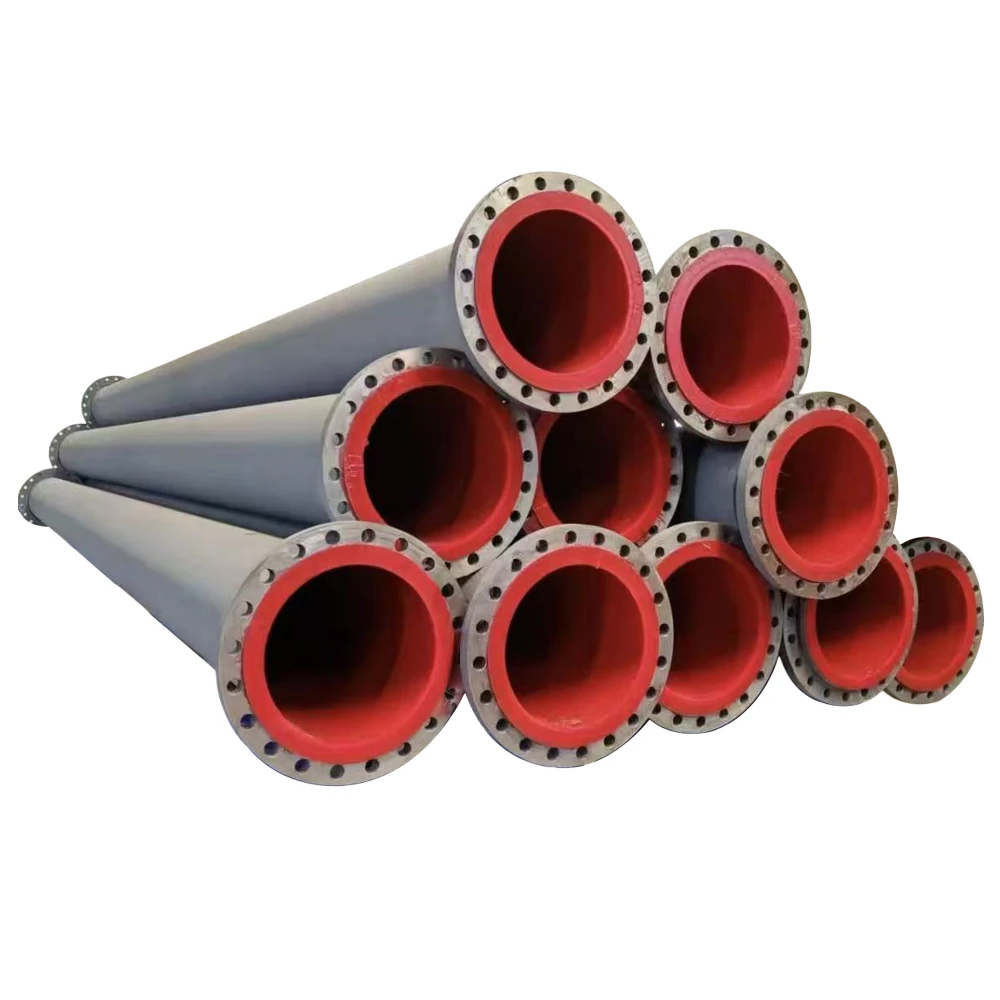
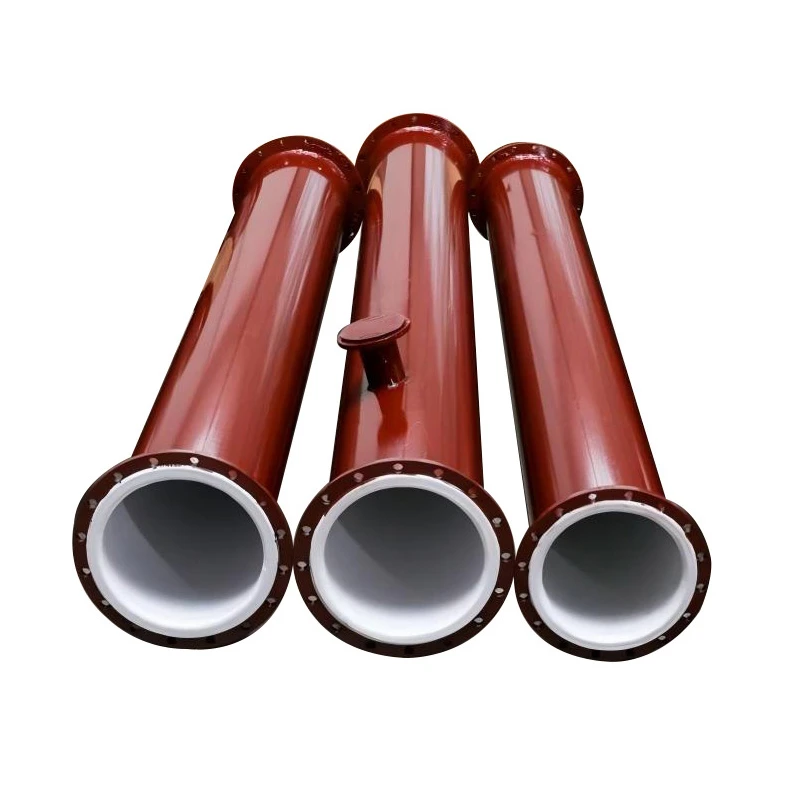
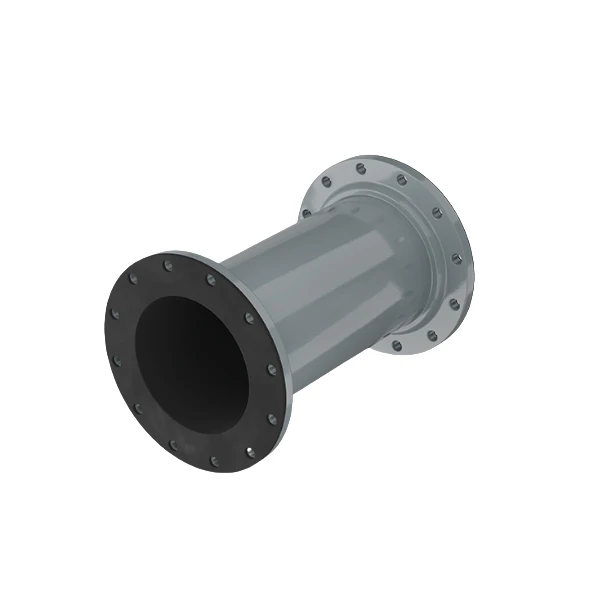
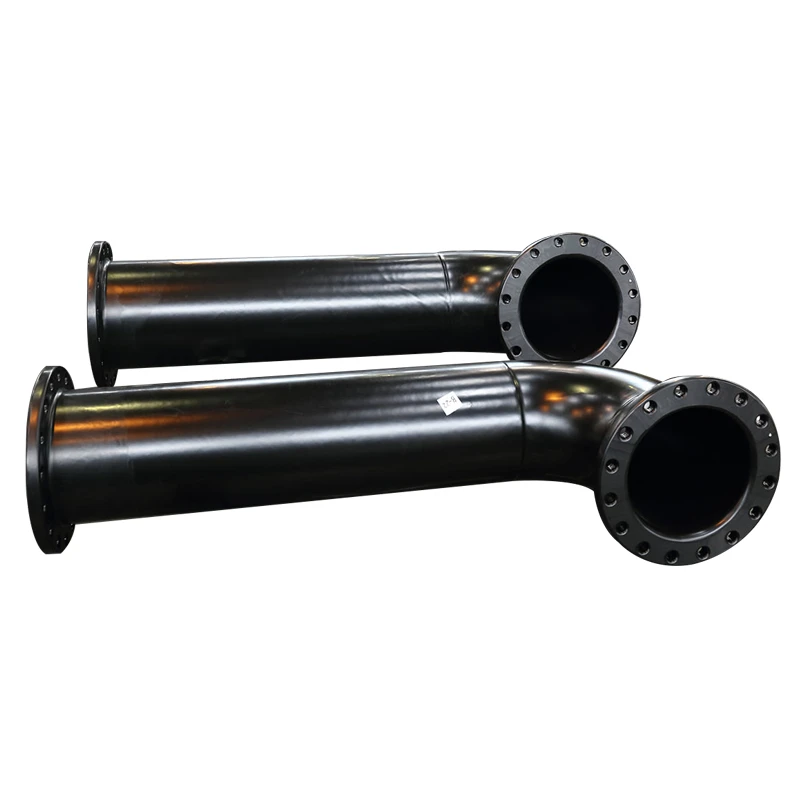
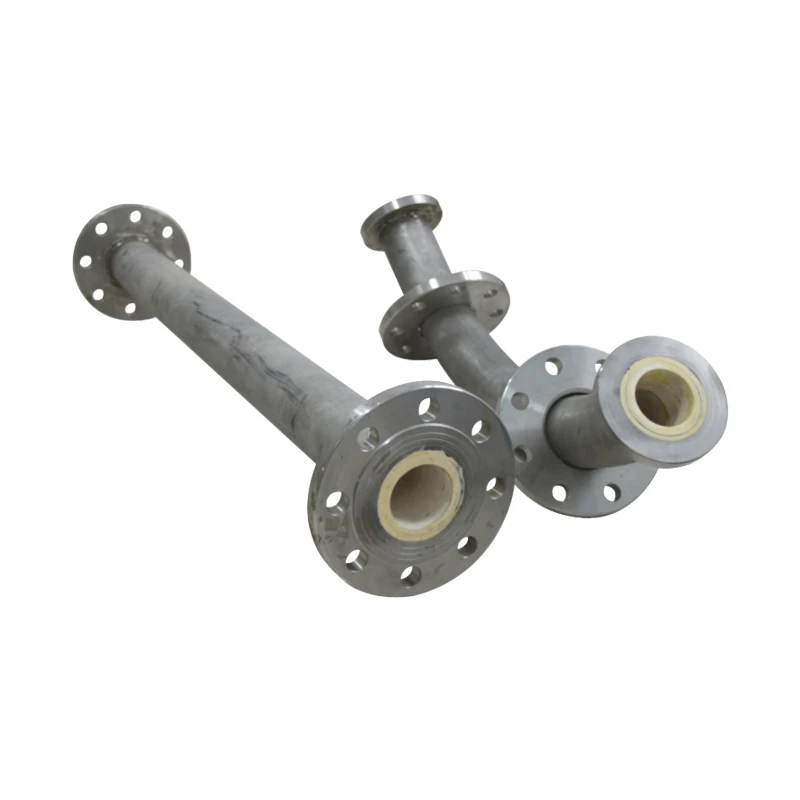
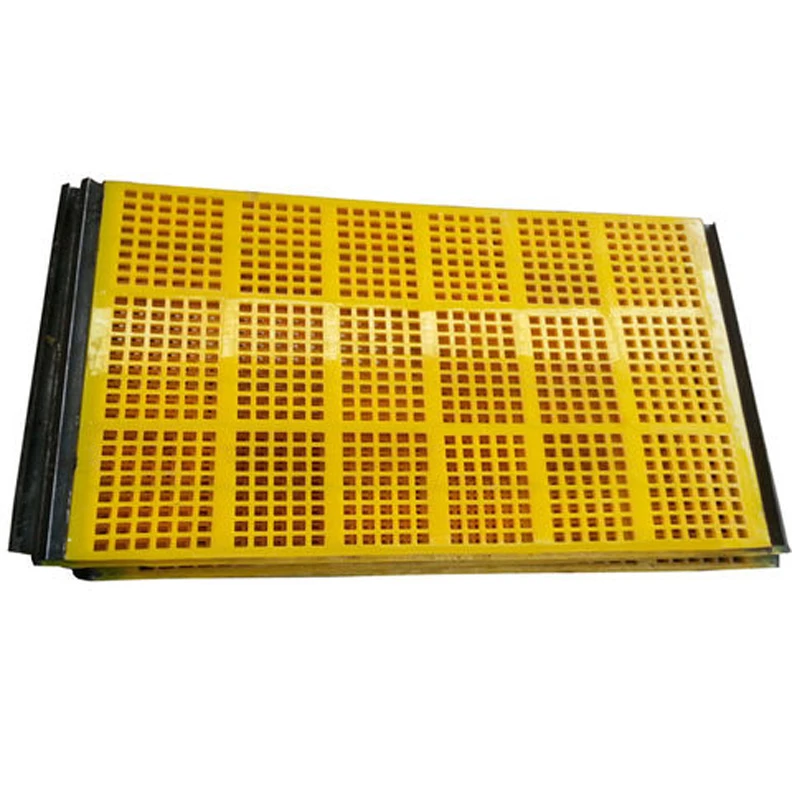
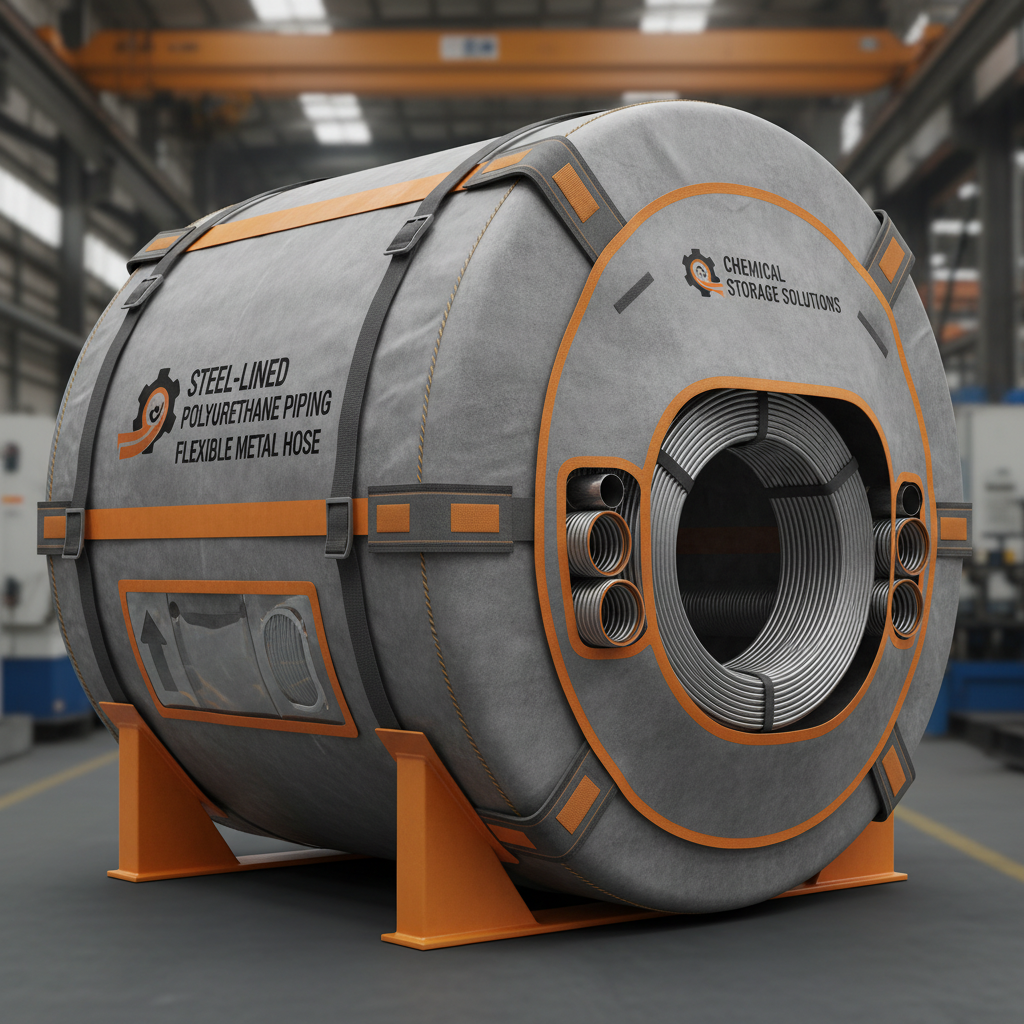
Our main products are polyurethane lined pipes, mining equipment fittings and metal hoses.