Polyurethane Impeller - Wear-Resistant, High-Efficiency OEM
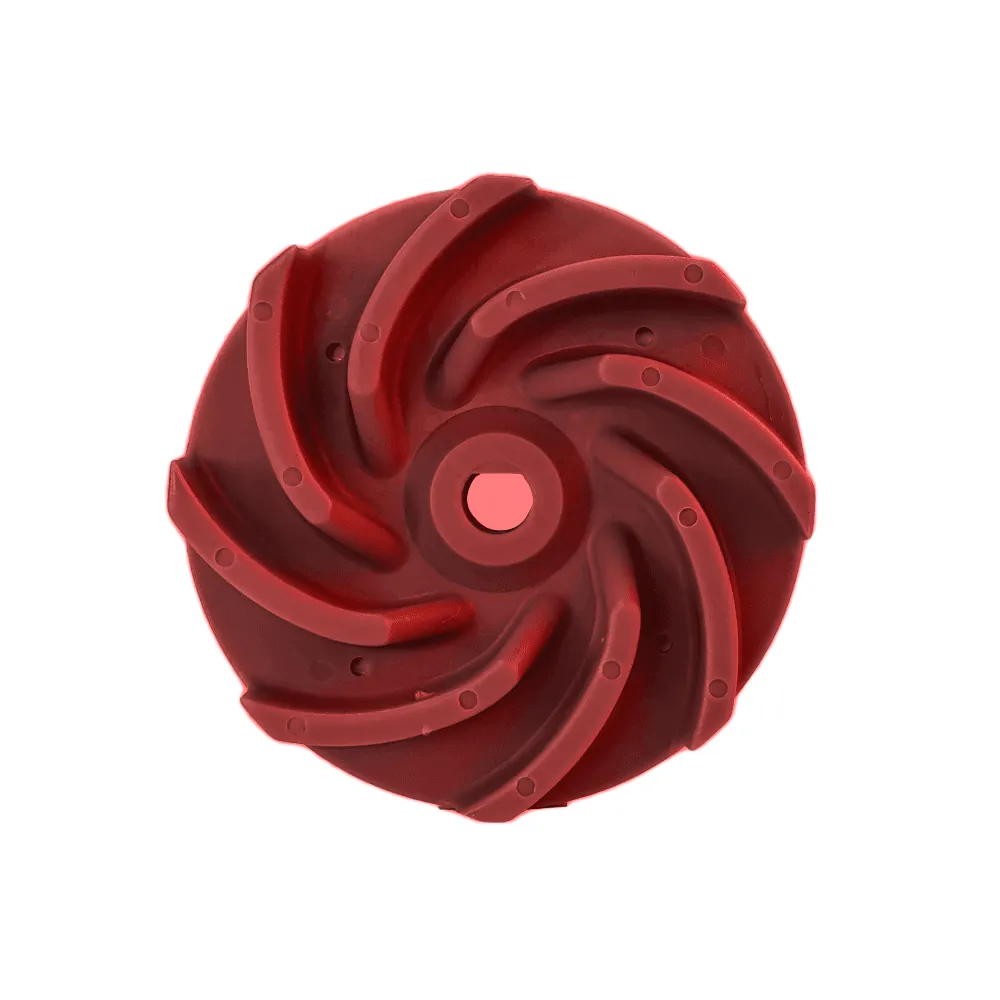
Inside the Shop: What a Modern Polyurethane Impeller Can Really Do
If you spend time around slurry pumps, mixers, or flotation cells, you’ve probably heard the chatter: polyurethanes have quietly become the go-to wear solution. I’ve toured plants from phosphate to paper, and it’s the same refrain—operators just want parts that last. Our Polyurethane Impeller comes out of Yuqiao Village, Jingxin Street, Jing County, Hengshui City, Hebei Province, and—speaking frankly—it’s built for punishment: abrasive slurries, corrosive chemistries, intermittent dry runs (not recommended, but it happens), the whole real-world mess.
What’s trending (and why it matters)
Three currents are shaping decisions: rising media abrasiveness (finer, harder solids), sustainability targets (longer life, less scrap), and tighter maintenance windows. Polyurethane, especially ether-based formulations, has been winning because it couples high tear and abrasion resistance with a forgiving modulus that shrugs off particle impact. Many customers say they’ve cut changeouts by a third without touching pump hydraulics. That’s not nothing.
Key specifications
| Parameter | Typical Value | Notes |
|---|---|---|
| Base Material | Premium ether-based PU, MDI system | Hydrolysis-resistant blend |
| Hardness | Shore A 85–95 (ASTM D2240) | Application-tuned |
| Tensile Strength | ≈ 40 MPa (ASTM D412) | Real-world use may vary |
| Abrasion Loss | ≤ 60 mm³ (ISO 4649) | DIN wheel method |
| Temperature Range | -30°C to +80°C | Short excursions to 90°C |
| Dynamic Balance | G6.3 (ISO 1940-1) | Tighter on request |
| Service Life | 1.5–3× vs. rubber in silica slurry | Media-dependent |
How we make it (short version)
Material selection → vacuum mixing/degassing → mold prep and controlled casting (or centrifugal casting for thin vanes) → post-cure → CNC finish → hub bonding → dynamic balancing to ISO 1940-1 → inspection. Tests include hardness (ASTM D2240), tensile/elongation (ASTM D412), abrasion (ISO 4649), water absorption (ASTM D570), and dimensional checks. We keep traceability lot-to-serial. It’s a bit obsessive, I know.
Where a Polyurethane Impeller shines
- Mining slurries (Cu, Au, Fe); cyclone feed pumps
- Phosphate and potash; mildly acidic brines
- Pulp and paper stock; fillers with high ash content
- Wastewater grit pumps; sand dredging
Users like the quieter operation and lower shaft vibration—balance helps, elasticity helps more.
Vendor snapshot (real-world buying criteria)
| Vendor | Wear Life | Lead Time | Certs | Customization |
|---|---|---|---|---|
| QW (this product) | High in abrasive slurries | ≈ 2–4 weeks | ISO 9001, RoHS/REACH | Tailored shore, vane geometry |
| Cast iron impeller supplier | Good; brittle in impact | 1–2 weeks | ISO 9001 | Limited profiles |
| Rubber-lined alternative | Moderate; cuts easily | 3–5 weeks | Varies | Good lining options |
Customization
We routinely tweak shore hardness, vane thickness and count, shroud configuration (open/semi/closed), hub taper fits, and anti-swirl features. If you’re chasing NPSH or efficiency, we’ll iterate CFD + sample casting. To be honest, the quickest wins often come from a small throat-vane radius change.
Field notes (2 quick cases)
- Gold mine, cyclone feed: switched to Polyurethane Impeller, ISO 1940-1 G6.3 balance; life improved from 10 to 19 weeks at 46% solids. Operator noted lower motor amps by ≈2%.
- Fertilizer plant, phosphate slurry: ether-based PU resisted hydrolysis; inspection after 6 months showed uniform wear, no chunking. Maintenance signed off to standardize.
Testing, data, and compliance
Internal slurry-loop data (silica, 400 µm d50, 45% solids) measured abrasion loss at 54–60 mm³ per ISO 4649. Hardness held within ±2 Shore A after 72 h water soak (ASTM D570). Products ship with CoC, material trace, and optional PPAP. Designed to fit pump programs referencing API 610 hydraulics; balance per ISO 1940-1. Certifications: ISO 9001; materials RoHS/REACH compliant.
If you’ve read this far, you’re probably wrestling with uptime. Same here. The short of it: a well-made Polyurethane Impeller gives you durable wear resistance without sacrificing balance or efficiency—and the plant runs steadier. That’s the goal.
References
- ISO 4649: Rubber, vulcanized or thermoplastic — Determination of abrasion resistance
- ASTM D2240: Standard Test Method for Rubber Property—Durometer Hardness
- ASTM D412: Standard Test Methods for Vulcanized Rubber and Thermoplastic Elastomers—Tension
- ISO 1940-1: Mechanical vibration—Balance quality requirements for rotors
- API 610: Centrifugal Pumps for Petroleum, Petrochemical and Natural Gas Industries
Related Products
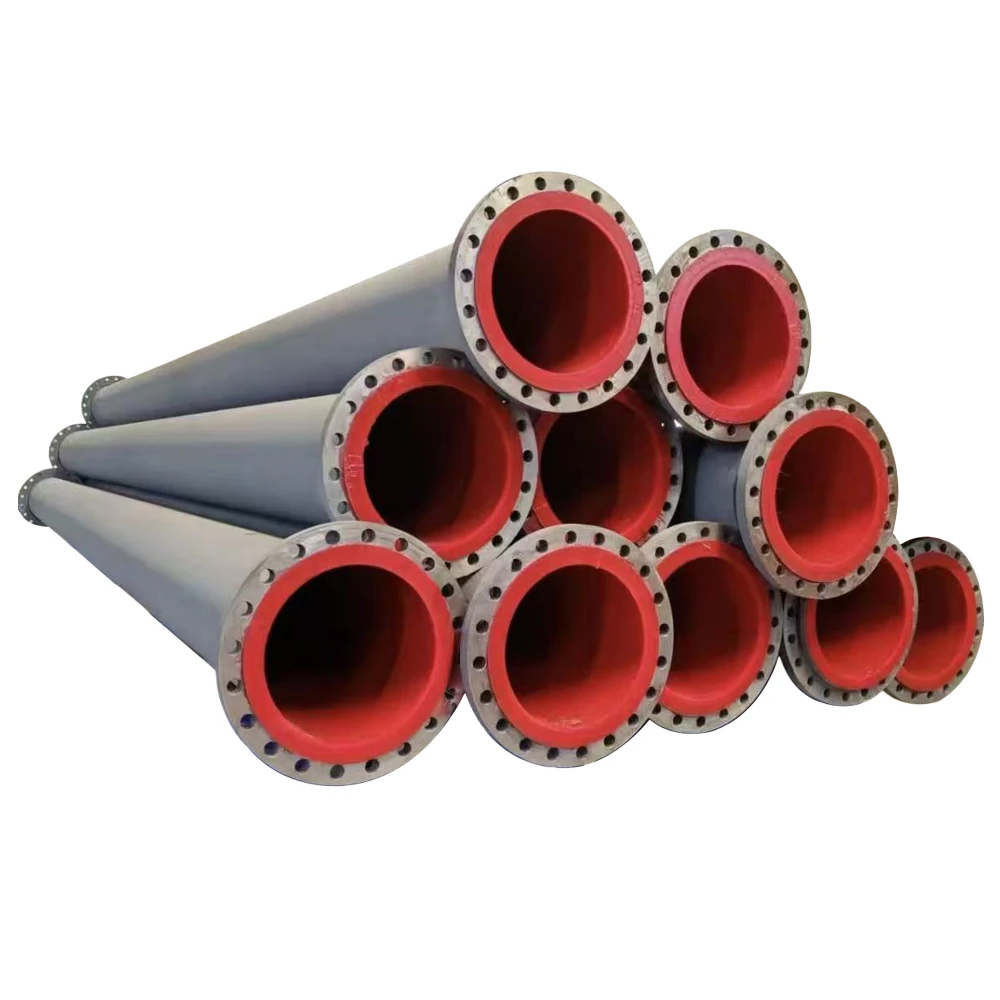
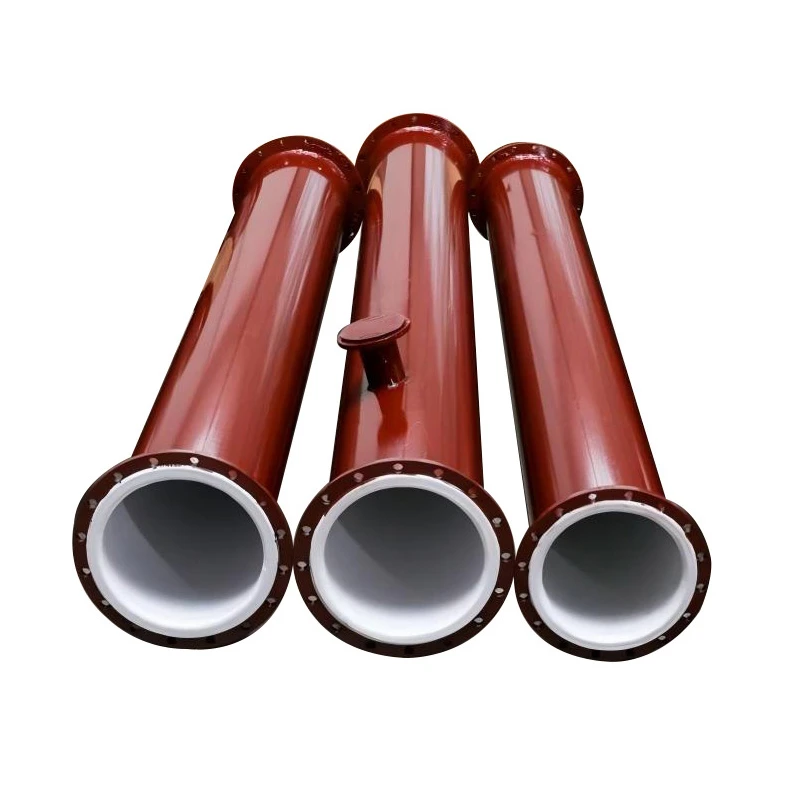
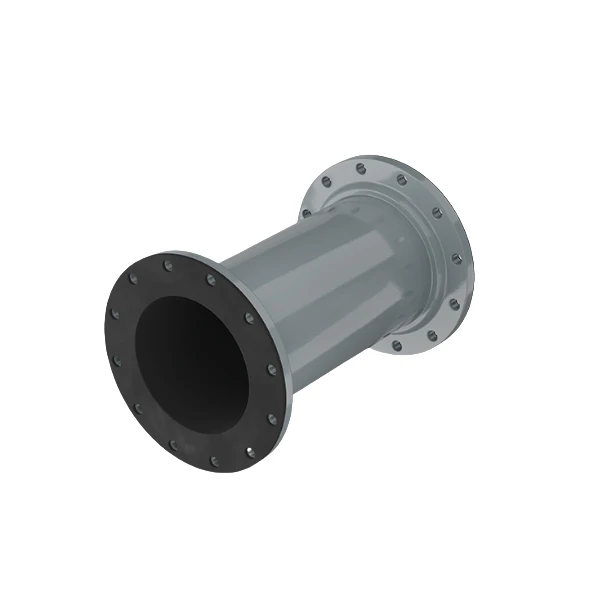
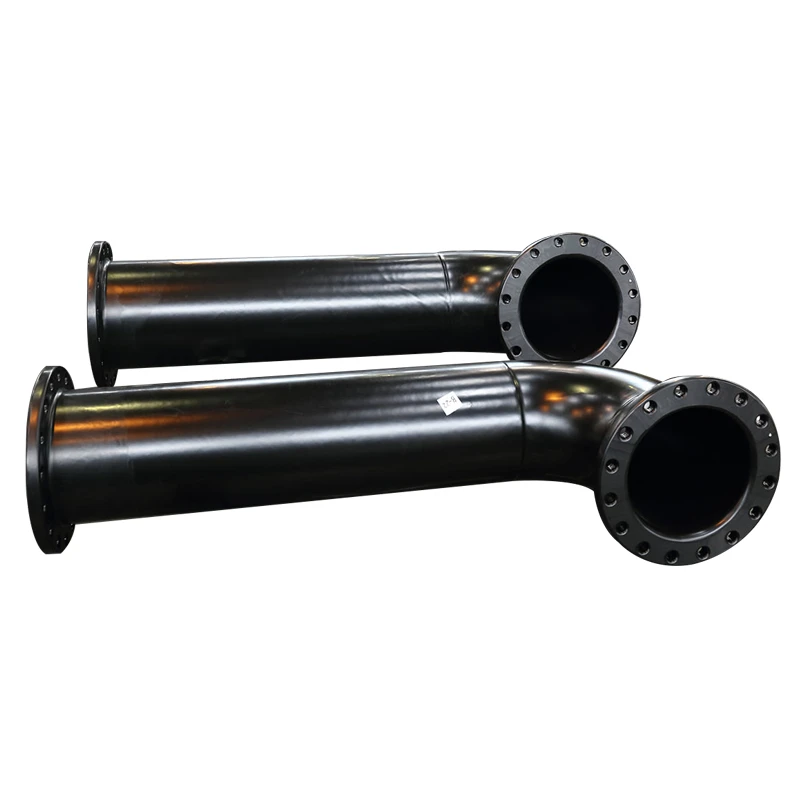
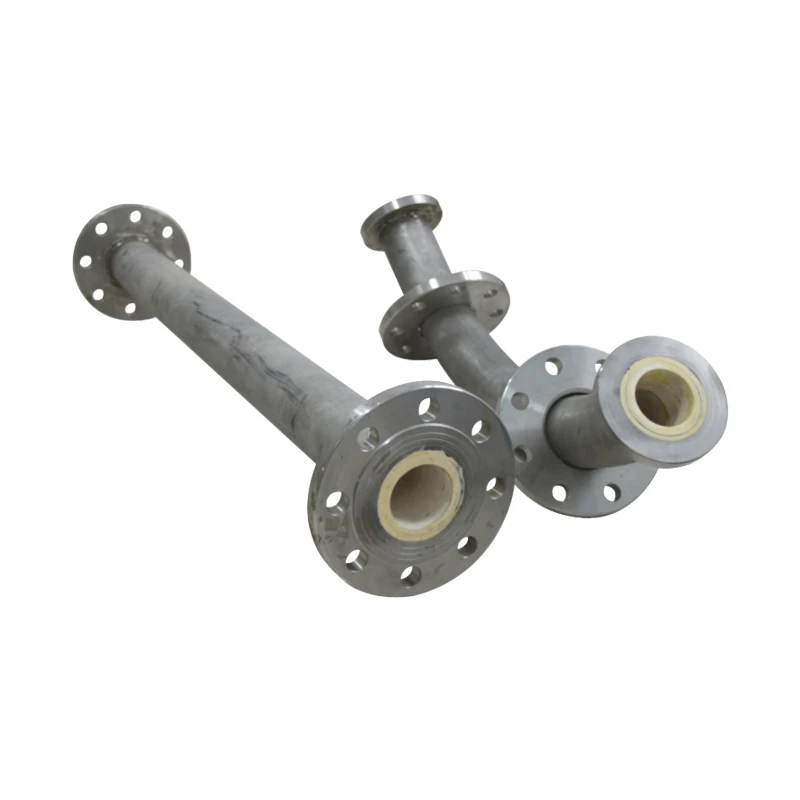
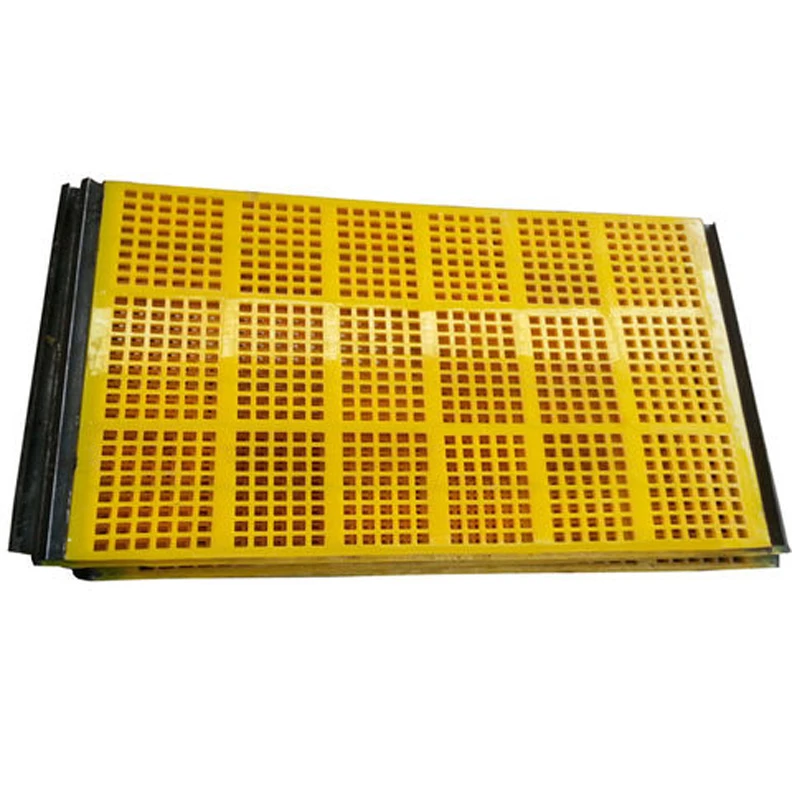
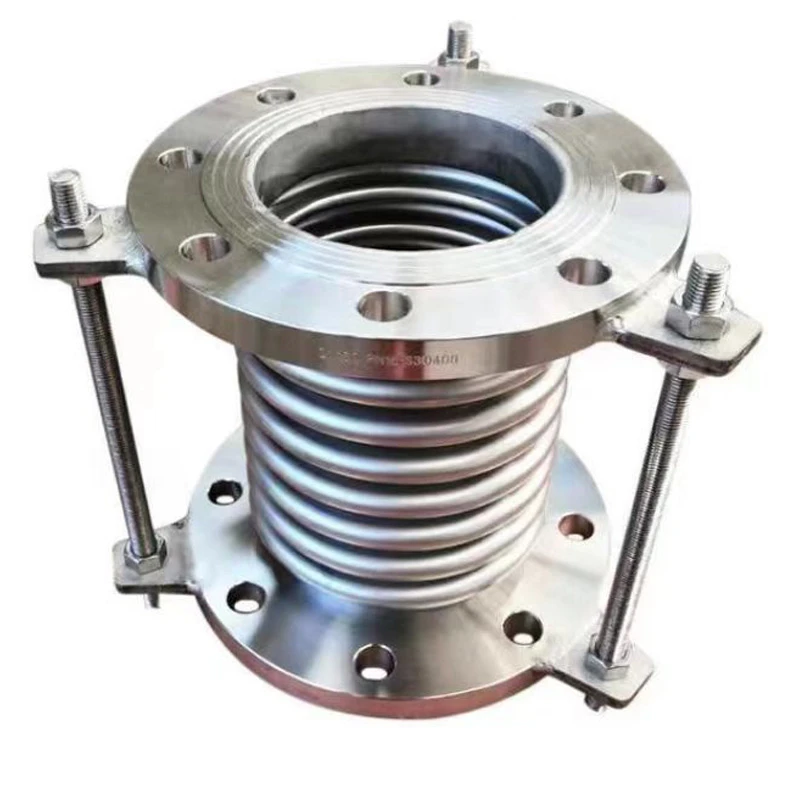
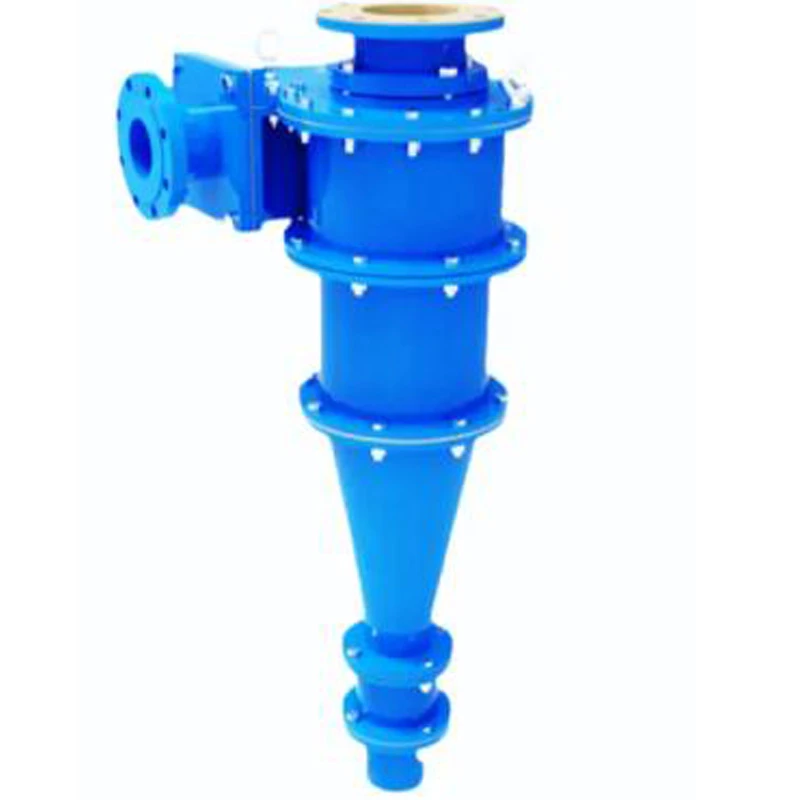
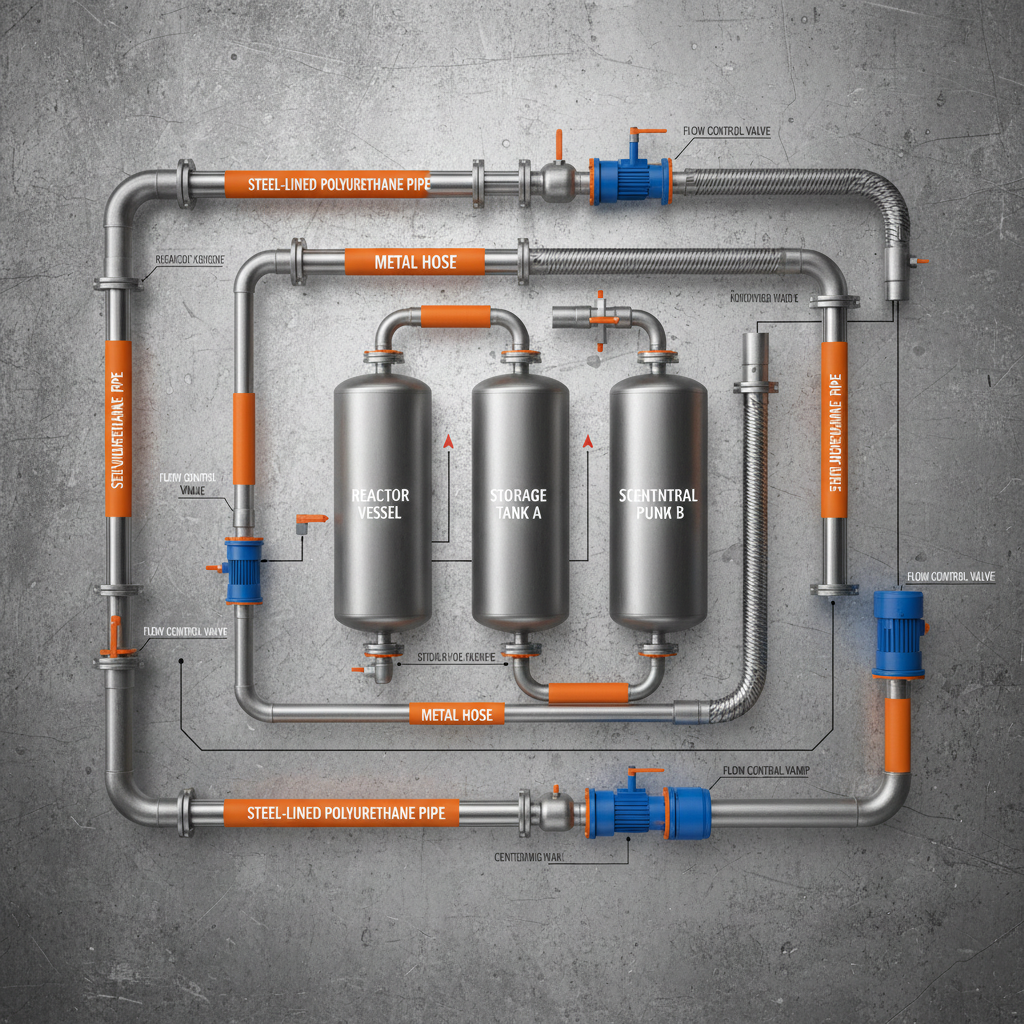
Our main products are polyurethane lined pipes, mining equipment fittings and metal hoses.