Polyurethane Board - High R-Value, Lightweight, Durable
An Insider’s Take on the Polyurethane board
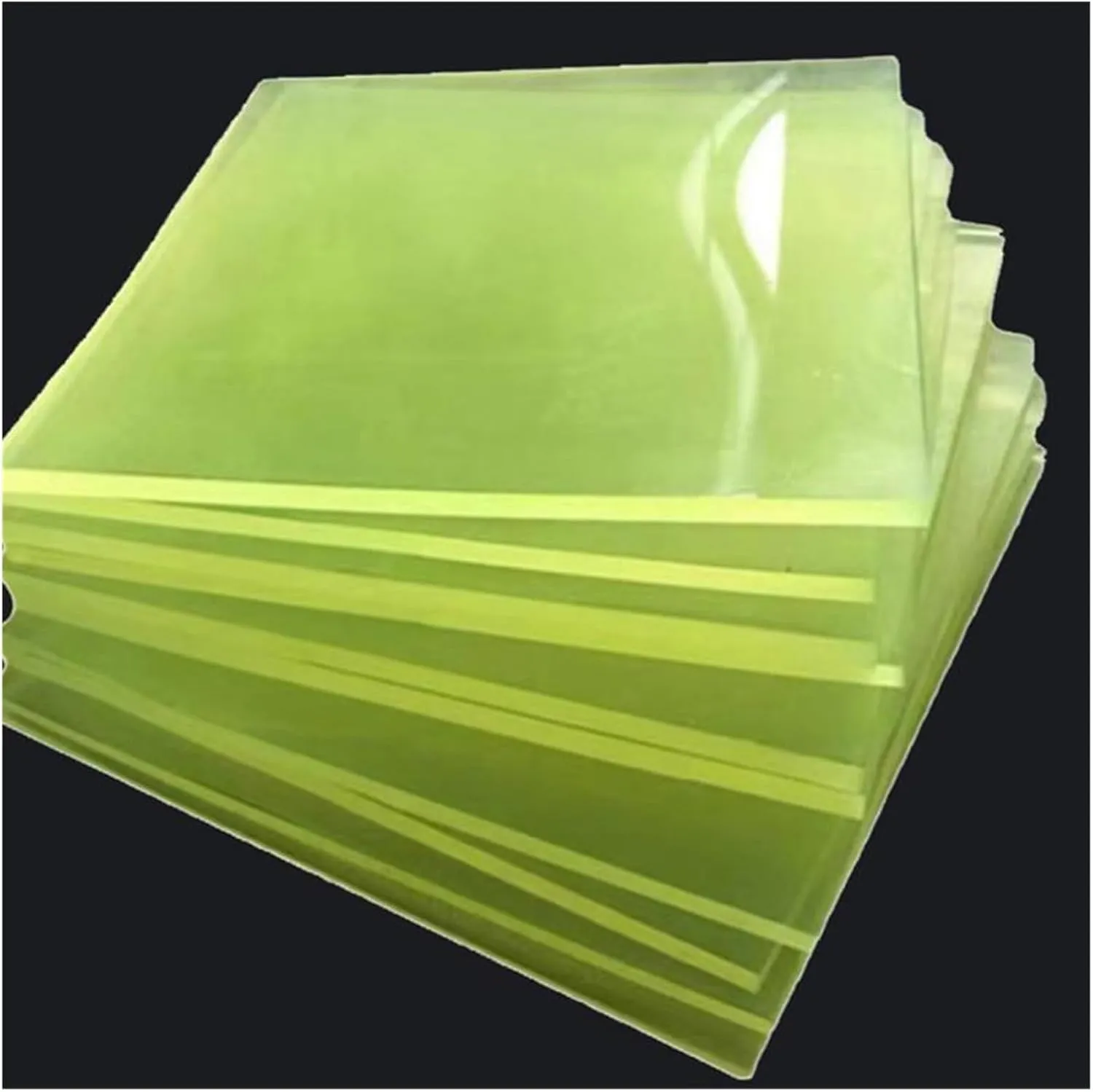
If you work in insulation, conveying, or precision sealing, you’ve probably argued about materials over coffee. I have too. And, to be honest, the Polyurethane board keeps showing up on RFQs for a reason: it balances toughness, chemical stability, and that rare combo of abrasion resistance with workable elasticity. The piece I sampled—originating from Yuqiao Village, Jingxin Street, Jing County, Hengshui City, Hebei Province—felt purpose-built for rough industrial life.
What’s trending (quick, but real)
Two currents right now: 1) wear parts are switching from rubber to Polyurethane board to reduce downtime; 2) builders want cleaner thermal envelopes, which is pushing PU systems that can hit tighter tolerances and better fire behavior. Surprisingly, many customers say the total cost drops after 6–12 months thanks to slower wear and fewer swaps.
Core specs (typical values, real-world may vary)
| Property | Typical Value ≈ | Test Standard |
|---|---|---|
| Density | 1.05–1.25 g/cm³ | ASTM D792 |
| Hardness | Shore A 90 ±5 (or Shore D 50–60) | ASTM D2240 |
| Tensile Strength | 25–40 MPa | ISO 37 |
| Elongation at Break | 350–550% | ISO 37 |
| Abrasion Loss | ≤80 mm³ | DIN 53516 |
| Thermal Conductivity (solid PU) | 0.20–0.25 W/m·K | ISO 8302 |
| Working Temp. | -35 to +90 °C (peaks ≈110 °C) | ISO 75 (guidance) |
| Water Absorption | ≤0.5% / 24 h | ISO 62 |
Process flow, briefly
- Materials: polyether/ester polyols + MDI, chain extenders, catalysts, pigments; optional flame-retardants.
- Methods: hot-cast sheets, reaction injection molding (RIM), or slabstock; then curing (8–24 h), post-cure for stability.
- Finishing: trimming, CNC routing/waterjet, surface texturing, adhesive priming.
- Testing: hardness (ASTM D2240), tensile/elongation (ISO 37), abrasion (DIN 53516), thermal (ISO 8302), aging (ISO 62, heat soak).
- Service life: around 8–15 years depending on load, UV, and chemicals—mining lines skew lower; indoor seals last longer.
Applications we see most
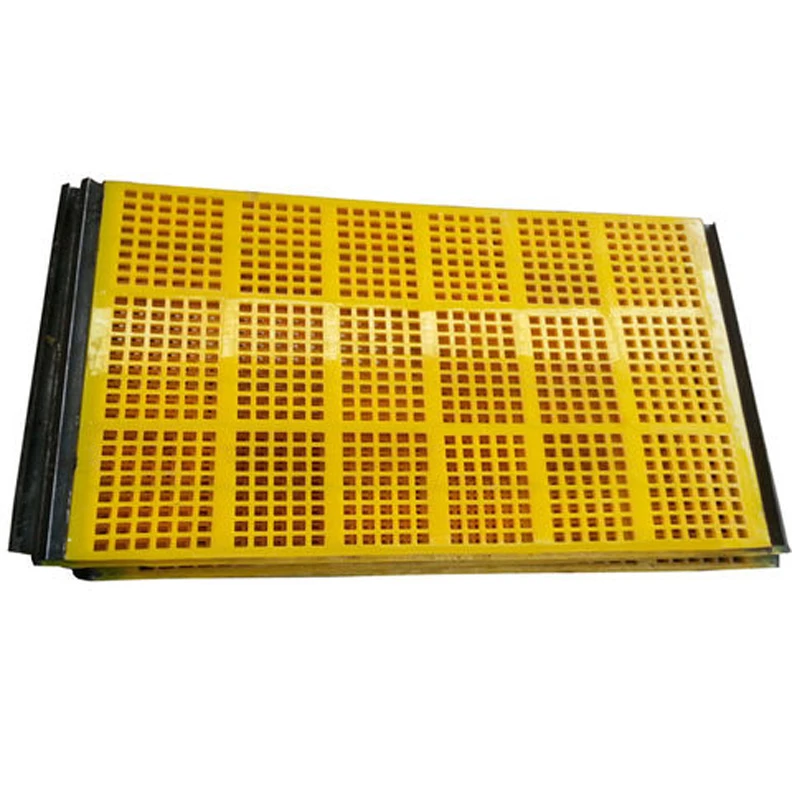
Conveyor wear strips and skirting, chute liners, scraper blades; vibration-damping pads; precision seals and gaskets; spacer blocks; marine fender facings; construction thermal breaks (solid PU) and, with different chemistry, insulation roles. The Polyurethane board holds up against oil, many solvents, and high-cycle impact.
Vendor snapshot (what buyers actually compare)
| Vendor | Origin | Process | Hardness Range | Certs | Lead Time |
|---|---|---|---|---|---|
| QW Metal | Yuqiao Village, Jing County, Hebei | Hot-cast / RIM | Shore A 70–98; D on request | ISO 9001, RoHS, REACH; UL 94 options | 7–15 days (spec-dependent) |
| Generic Importer | Mixed | Cast | Shore A 80–95 | Basic ROHS | 15–30 days |
Customization and feedback
Colors, anti-static and FR packages (UL 94 HB–V-0), food-grade formulations, laser-etched branding, and CNC-to-print are common. Many customers say tolerances of ±0.3 mm are realistic on thickness with proper post-cure. It seems that beveling edges reduces early chipping in conveyor duty.
Mini case study
A northern quarry swapped rubber skirting for Polyurethane board (Shore A 92, 12 mm thick). Wear audits showed abrasion loss ≈0.12 mm/week vs 0.31 mm/week previously, and unplanned stoppages fell by 18% over three months—mostly fewer belt cleans. Not world peace, but ops were happy.
Standards and certifications
Typical conformance: ISO 9001 QMS, RoHS/REACH compliance, material tests per ASTM D2240, ISO 37, DIN 53516, ISO 62, ISO 8302, and optional UL 94 for FR builds. For building insulation variants, EN 13165 is a relevant benchmark.
Authoritative citations
- ISO 37: Rubber, vulcanized or thermoplastic — Determination of tensile stress-strain properties.
- ASTM D2240: Standard Test Method for Rubber Property—Durometer Hardness.
- DIN 53516: Determination of abrasion resistance of rubber and elastomers.
- ISO 8302 / ASTM C177: Steady-state thermal conductivity measurement methods.
- EN 13165: Factory made rigid polyurethane foam (PU) products for thermal insulation.
Related Products
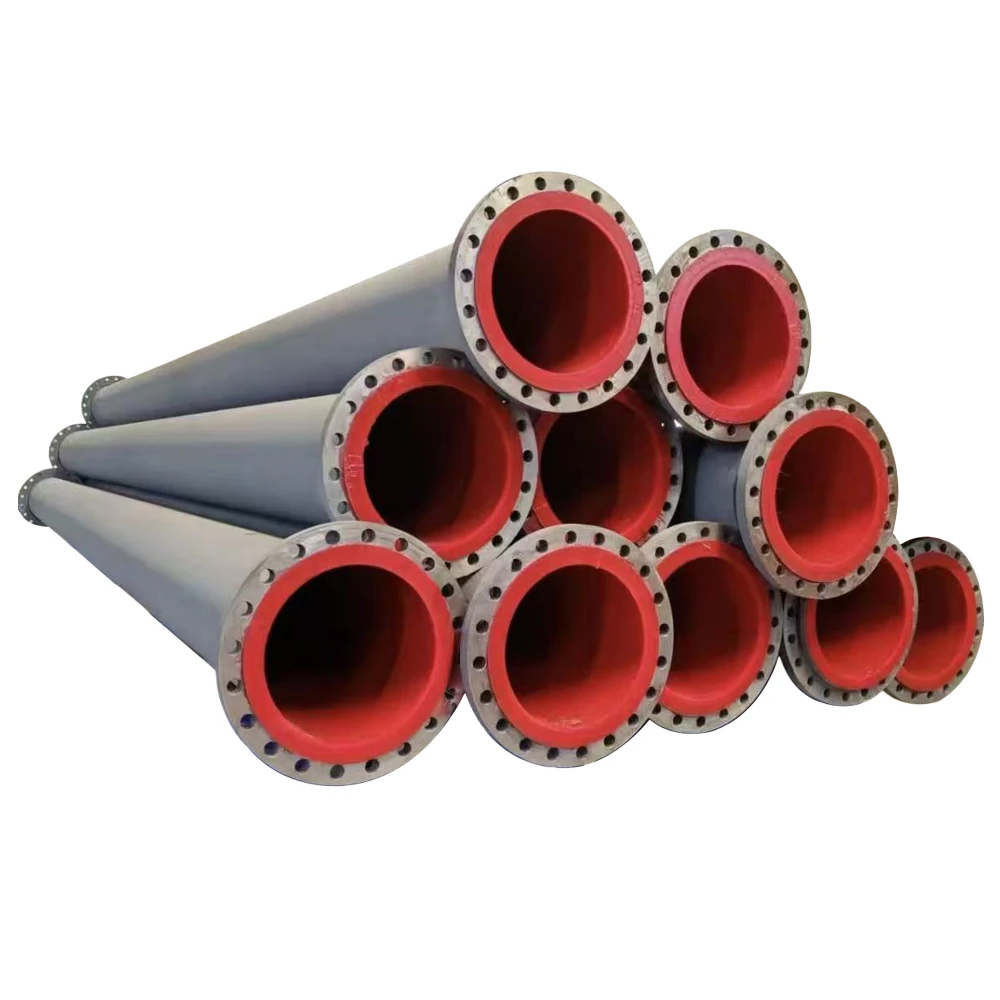
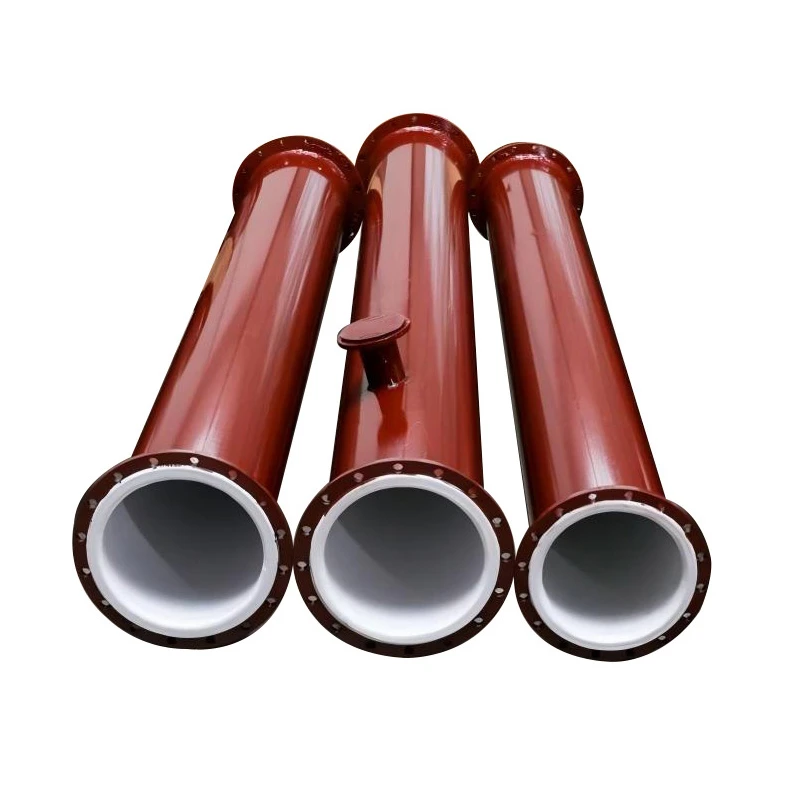
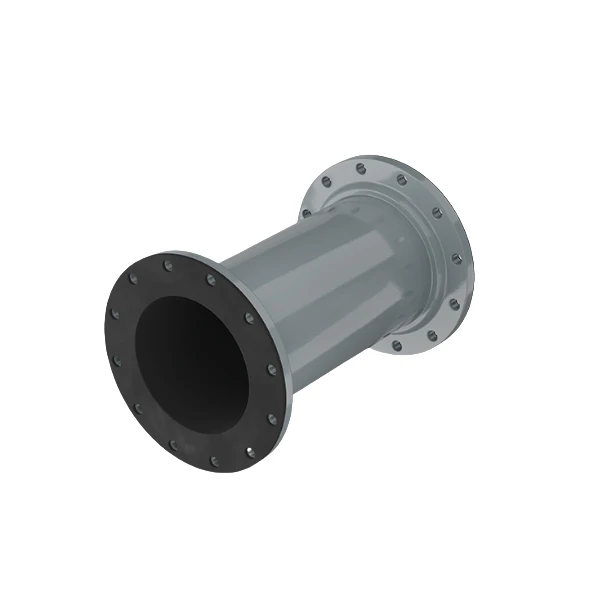
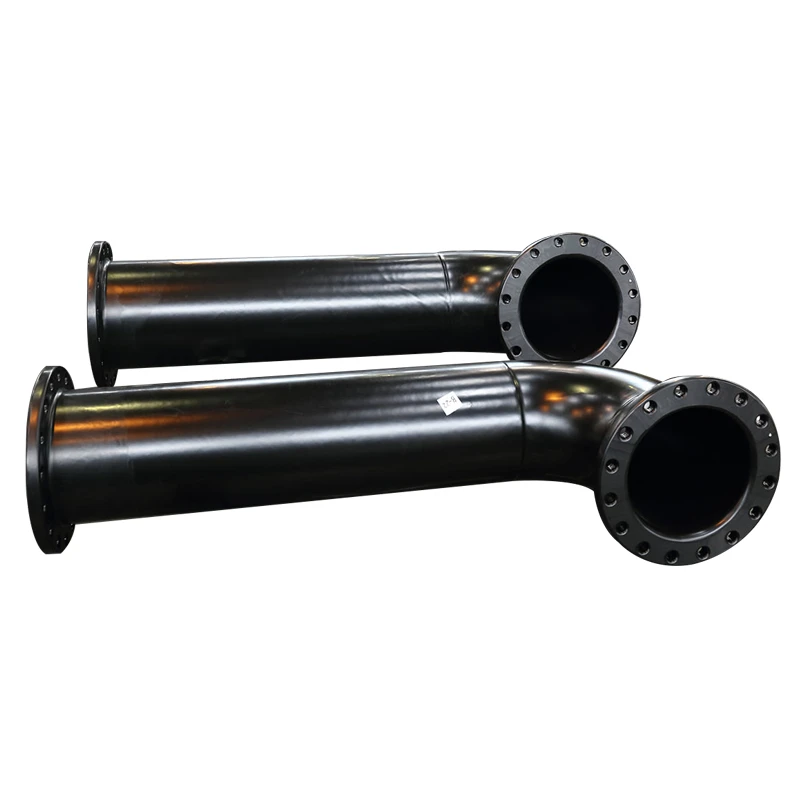
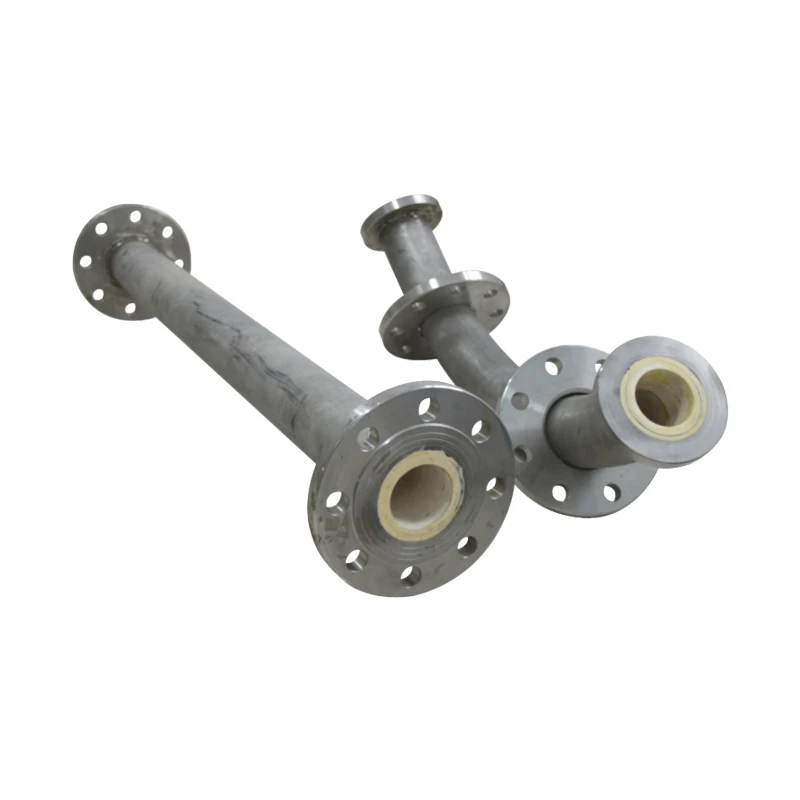
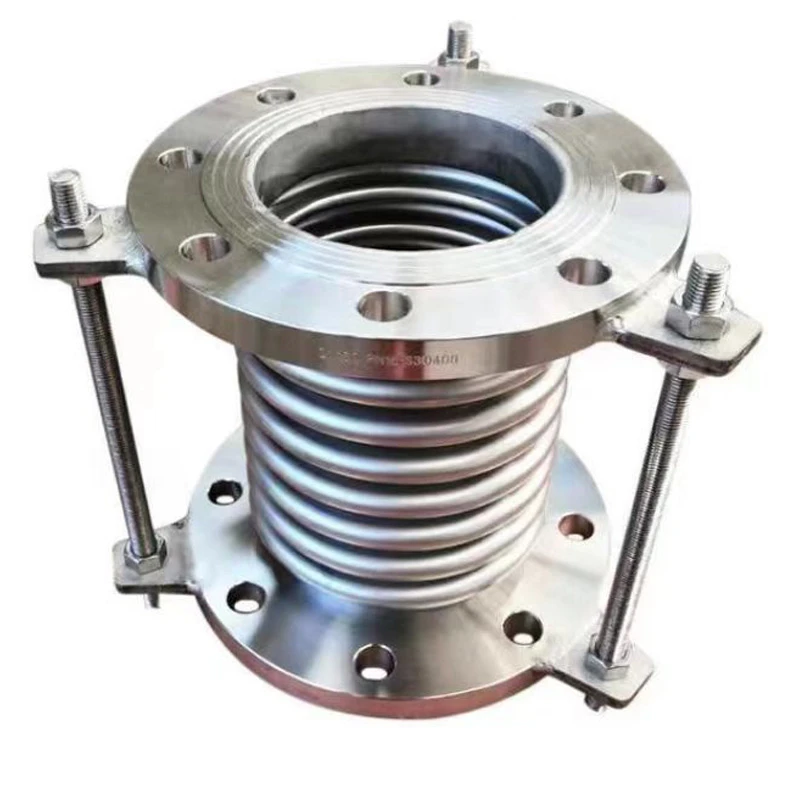
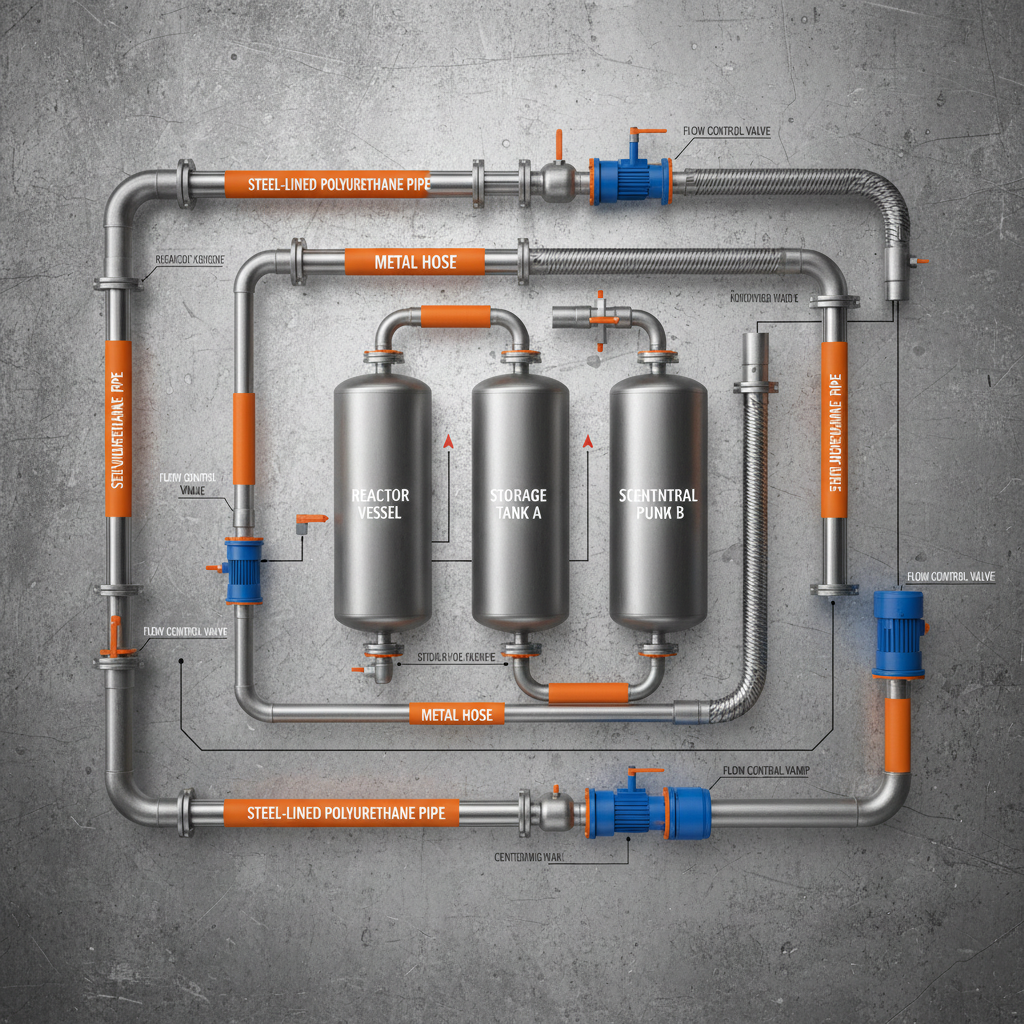
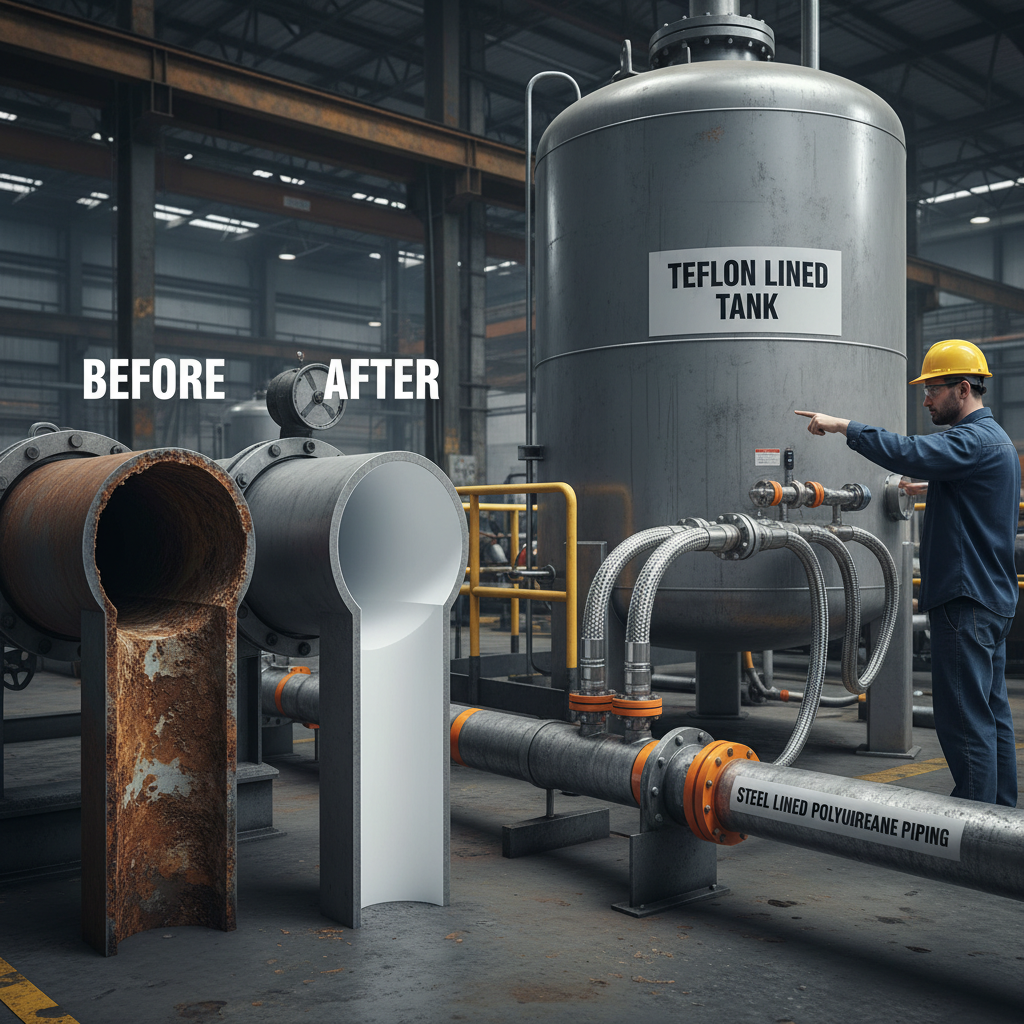
Our main products are polyurethane lined pipes, mining equipment fittings and metal hoses.