search
Achieving a precision fit in industrial piping systems often comes down to the final few inches of a run. Standard pipe lengths frequently lead to excessive joints, increased leak points, and wasted material during installation, which is why the demand for specific dimensional accuracy has surged.
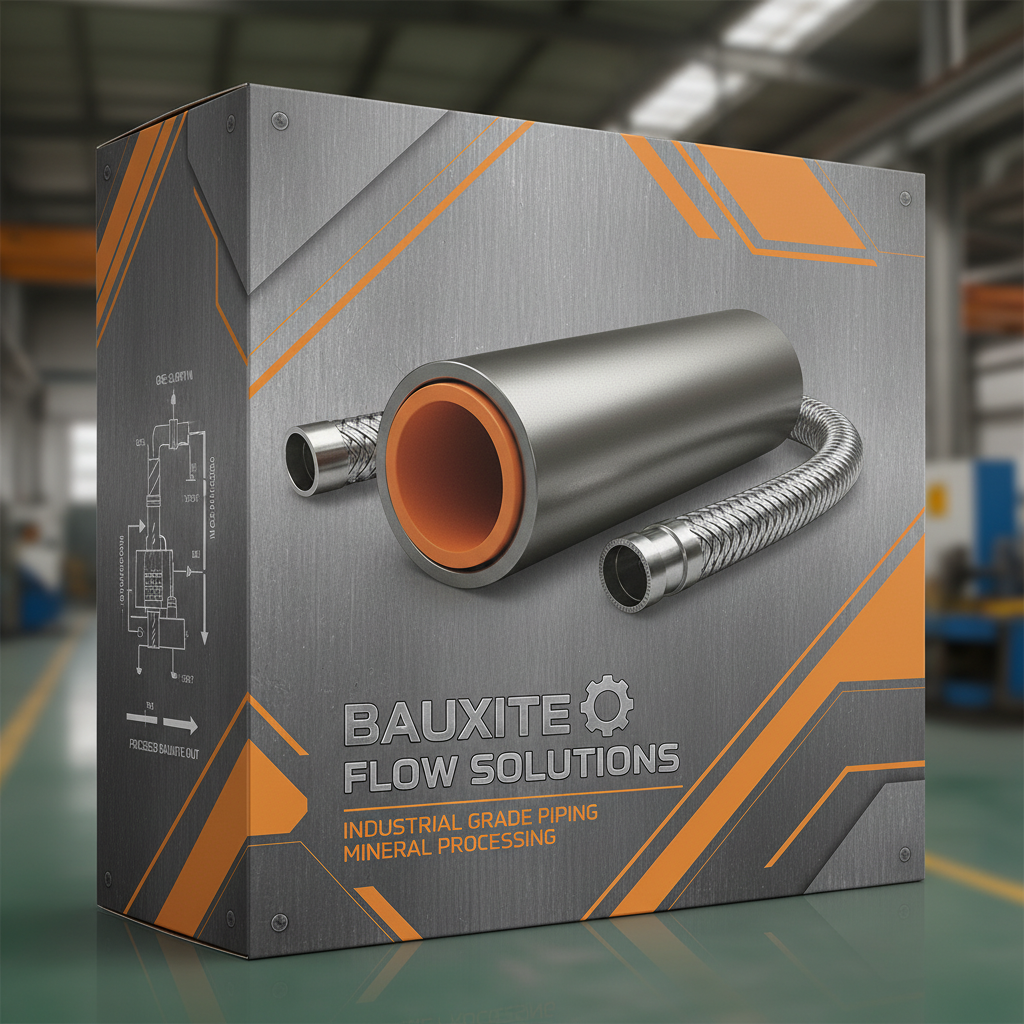
In abrasive and corrosive environments, the marriage of a high-strength steel exterior with a wear-resistant interior is essential. When these specifications are coupled with the ability to order pu lined pipe custom length, engineers can design leaner, more efficient systems that reduce the need for onsite cutting and welding.
This shift toward customized procurement reflects a broader industry trend toward "precision installation," where material specifications and physical dimensions are optimized before the product even leaves the factory floor.


Procuring piping in standard lengths often results in a "cut-to-fit" approach on-site. For standard steel pipes, this is a minor inconvenience. However, for lined pipes, field-cutting can expose the lining edge, creating a vulnerability where corrosive media can penetrate the bond between the polyurethane and the steel shell.
By ordering specific lengths, the manufacturer can ensure that the lining is perfectly bonded and sealed at the factory, maintaining the integrity of the anti-corrosion barrier across the entire length of the pipe.
The effectiveness of a polyurethane-lined pipe depends on the mechanical relationship between the outer structural shell and the inner protective layer. The steel outer layer provides the necessary hoop strength to withstand high internal pressures and external mechanical impacts, which is critical in heavy-duty industrial environments like mining or chemical processing.
Polyurethane is selected for the inner lining due to its exceptional abrasion resistance and elasticity. Unlike rigid ceramics, polyurethane can absorb the impact of large particles moving at high velocities, preventing the lining from cracking or spalling under heavy slurry loads.
This hybrid construction allows the pipeline to handle materials that would either erode bare steel in weeks or crack brittle linings. The precision of the bond ensures that there is no gap between the two materials, preventing the "pillowing" effect often seen in lower-quality lined products.
One of the most significant failure points in any fluid transport system is the joint. In traditional piping, the need to adapt standard lengths to a specific site layout leads to an increase in elbows, couplings, and weld points. Each of these represents a potential leak path and a point of accelerated wear.
Reducing the number of joints through custom-length procurement directly correlates to a decrease in systemic turbulence and a reduction in maintenance frequency, as joints are typically where lining failure begins.
When pipes are manufactured to exact lengths, the installation process becomes a matter of assembly rather than modification. This not only speeds up the project timeline but also ensures that the protective properties of the polyurethane lining are not compromised by imprecise field cutting or improper sealing of cut ends.
Evaluating the performance of lined piping requires looking beyond simple material hardness. The focus should be on the relative wear rate and the flow efficiency. A smooth polyurethane interior reduces friction, which lowers the energy required for pumping viscous slurries and reduces the likelihood of material buildup.
The following index illustrates the relative suitability of different lining materials across key industrial requirements, emphasizing why polyurethane is often the preferred choice for abrasive, high-impact slurry applications.
In the mining sector, the transport of tailings and ore slurries presents a constant challenge of internal erosion. A typical industrial setting involves long-distance transport where any internal inconsistency in the pipe lining can lead to turbulent flow and premature wear. Custom length polyurethane pipes allow these facilities to map their routes exactly, reducing the number of high-wear bend points.
Beyond mining, these pipes are increasingly used in dredging operations and wastewater treatment plants where grit and abrasive solids are common. In these scenarios, the ability to specify the exact length of the pipe ensures a tighter seal at connection points, which is critical for preventing environmental contamination from hazardous slurry leaks.
The industry is moving toward "intelligent piping" systems where lining thickness is varied based on the predicted wear profile of the specific route. By utilizing data from previous installations, manufacturers can optimize the polyurethane thickness in high-turbulence zones while maintaining standard thickness in linear runs.
We are also seeing an integration of different lining materials within a single line. For example, transitioning from a ceramic lining in a high-velocity entry point to a polyurethane lining for the remainder of the run. This hybrid approach maximizes the lifespan of the system by matching the material to the specific wear mechanism of each section.
As sustainability becomes a core driver, the focus is shifting toward the recyclability of the lining materials. The development of high-performance, bio-based polyurethanes is an active area of research, aiming to maintain the same abrasion resistance while reducing the environmental footprint of the manufacturing process.
When selecting between different lining options and length specifications, procurement managers must balance initial capital expenditure against the long-term operational cost of maintenance. While custom-length pipes may have a slightly higher upfront cost compared to bulk standard lengths, the reduction in installation time and joint-related failures typically results in a lower total cost of ownership.
The decision process should begin with a thorough analysis of the transported medium's pH level, particle size, and velocity. For instance, if the material is highly corrosive but not abrasive, a PTFE or HDPE lining might be more appropriate. However, for heavy particulate transport, polyurethane remains the industry standard.
Hebei Qiao Wan Metal Products Co., Ltd. provides these specialized solutions by combining their engineering expertise with advanced manufacturing. By offering both standardized and tailored specifications, they allow operators to match the hardware exactly to the operational demands of their specific site.
| Lining Material | Wear Resistance | Chemical Stability | Typical Application |
|---|---|---|---|
| Polyurethane (PU) | Very High | Moderate | Mining Slurry / Grit |
| Ceramic | Extreme | High | High-Velocity Abrasives |
| PTFE | Low | Extreme | Corrosive Acids / Chemicals |
| HDPE | Moderate | High | Water / Low-Pressure Slurry |
| Rubber | High | Moderate | General Industrial Waste |
| Bare Steel | Low | Low | Non-Corrosive Fluids |
Field-cutting lined pipes often results in uneven edges and compromises the bond between the inner lining and the outer steel shell. This creates a vulnerability where abrasive or corrosive materials can seep into the gap, causing the lining to peel or "pillowing" to occur. Factory-cut custom lengths ensure the lining is perfectly sealed and bonded at the ends, maintaining full structural integrity and extending the service life of the pipeline.
Polyurethane is superior in applications involving high-impact abrasion. While ceramics are harder, they are brittle and can crack or shatter when hit by large, heavy particles moving at high speeds. Polyurethane's elasticity allows it to absorb these impacts without fracturing. Therefore, in mining slurry transport where the medium contains large, irregular rocks, PU is generally more durable than ceramic.
Although custom lengths may carry a higher initial purchase price than standard lengths, they significantly reduce installation costs. They minimize the need for expensive on-site cutting equipment and specialized labor. More importantly, by reducing the total number of joints and couplings required in the system, they lower the long-term maintenance costs and the risk of expensive unplanned downtime caused by joint failure.
Yes, because the pressure is handled by the outer steel shell, not the lining itself. The polyurethane layer provides the chemical and abrasion protection, while the stainless or carbon steel exterior provides the mechanical strength. As long as the outer shell is rated for the specific pressure of the application, the PU lining will remain secure, provided the bonding process was performed correctly at the factory.
The lifespan varies based on the velocity of the slurry and the particle size, but PU linings typically last several times longer than bare steel in abrasive environments. When custom lengths are used to minimize joints—which are the primary points of failure—the overall system life is further extended. Regular monitoring of the wall thickness is recommended to plan replacements before full penetration occurs.
The most accurate method is to provide the manufacturer with a detailed piping and instrumentation diagram (P&ID) or a 3D CAD model of the installation site. By calculating the center-to-center distance between fittings and accounting for the take-out dimensions of the couplings, you can specify exact lengths that will fit the layout perfectly, eliminating the need for field adjustments.
The transition from standard piping to custom-length, lined solutions represents a strategic move toward higher operational reliability. By eliminating the vulnerabilities associated with field-cutting and reducing the number of critical joints, industries can significantly lower their risk of leakage and premature wear.
Ultimately, the synergy between a robust steel exterior and a high-performance polyurethane interior provides the most balanced solution for abrasive slurry transport. When this technical capability is matched with precise dimensional procurement, the result is a piping system that is not only more durable but also more cost-effective over its entire lifecycle.