Durable Rubber Lined Tanks: Superior Corrosion & Abrasion Resistance
Industry Trends in Corrosion & Abrasion Control
The industrial landscape, particularly within sectors such as chemical processing, mining, metallurgy, and water treatment, continually faces significant challenges posed by highly corrosive and abrasive media. Operating environments often involve aggressive acids, caustic solutions, slurries containing hard particulates, and elevated temperatures. These conditions accelerate the degradation of conventional storage and processing vessels, leading to premature equipment failure, costly downtime, environmental hazards, and compromised operational safety. The imperative for robust, long-lasting, and maintenance-efficient solutions has never been more pronounced, driving innovation in material science and engineering.
Current industry trends highlight a growing demand for specialized containment solutions that offer superior chemical resistance, exceptional abrasion properties, and extended service life. This focus is further intensified by stringent environmental regulations and a global push for sustainable industrial practices, which necessitate materials and designs that minimize leaks, spills, and the need for frequent replacements. Companies are increasingly investing in technologies that promise enhanced reliability and a lower total cost of ownership (TCO).
In this demanding context, the Rubber Lined Tank emerges as a cornerstone technology. By combining the structural integrity of steel with the unparalleled protective qualities of various rubber compounds, these tanks provide an optimal solution for handling a wide array of aggressive substances. Their ability to withstand severe chemical attack and resist abrasive wear positions them as a critical asset for maintaining operational continuity and safety in high-stakes industrial applications, with market trends favoring adaptable, customizable linings tailored to specific chemical profiles and operational parameters.
Manufacturing Process & Technical Specifications
Process Flow for Rubber Lined Tank Manufacturing
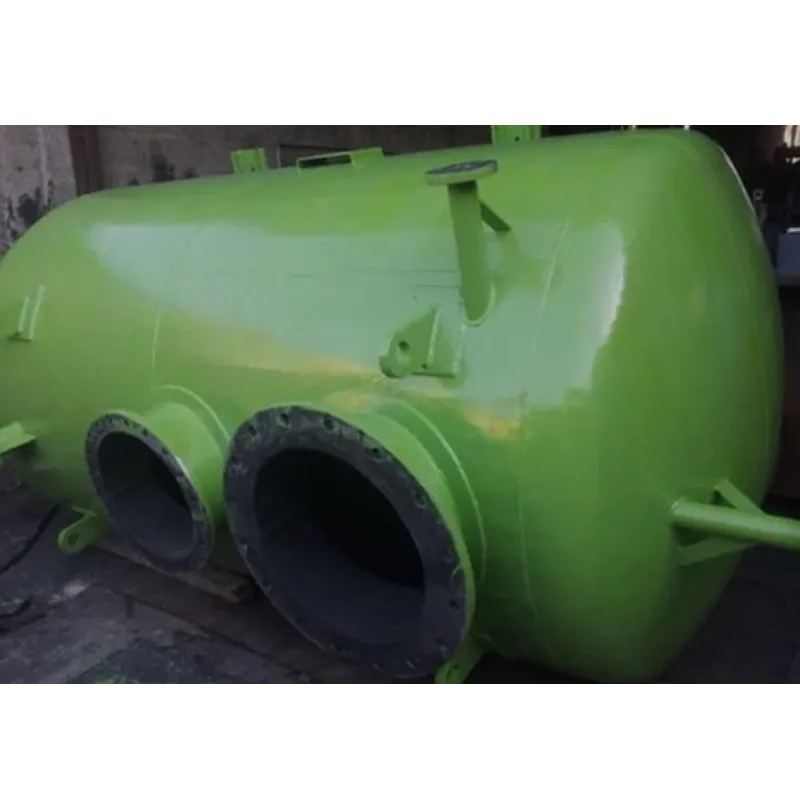
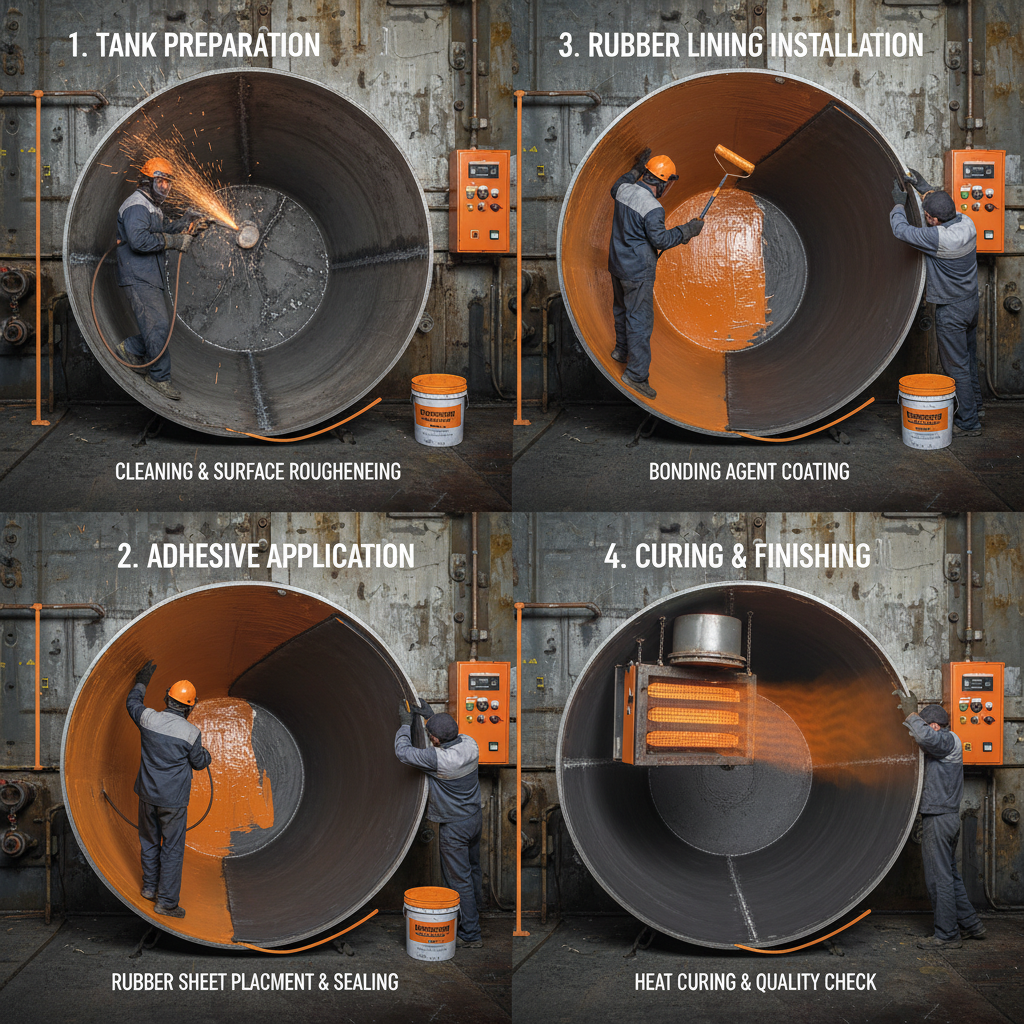
The fabrication of a high-performance Rubber Lined Tank is a meticulous multi-stage process designed to ensure maximum adhesion, chemical resistance, and longevity. The synergy between the robust steel substrate and the carefully applied rubber lining is critical for its efficacy and reliability in challenging industrial environments.
-
Steel Shell Fabrication:
High-grade carbon steel (e.g., SA-516 Grade 70) or stainless steel plates are cut, rolled, and welded to form the tank shell, dished heads, and nozzles. All welding is performed by certified welders in accordance with recognized codes (e.g., ASME Boiler and Pressure Vessel Code Section VIII, Division 1), followed by non-destructive testing (NDT) such as radiography or ultrasonic testing (UT) to ensure weld integrity. Post-weld heat treatment (PWHT) may be applied to relieve residual stresses. A hydrostatic test is then conducted to verify structural soundness under pressure.
-
Surface Preparation:
The interior surface of the steel tank undergoes abrasive grit blasting (e.g., to Sa 2.5 or NACE No. 2/SSPC-SP10 standards) to remove all rust, scale, and contaminants, creating an angular profile for optimal mechanical adhesion of the rubber. This step is critical for preventing delamination and ensuring the long-term integrity of the lining.
-
Primer/Adhesive Application:
Immediately after blasting, a specialized primer or a multi-layer adhesive system is applied to the steel surface. This chemical bond layer is vital for achieving maximum adhesion between the metal and the rubber lining, acting as a crucial interface to withstand operational stresses.
-
Rubber Selection & Cutting:
Based on the specific chemical compatibility and temperature requirements of the stored media, the appropriate rubber compound (e.g., natural rubber, neoprene, butyl, EPDM, chlorobutyl) is selected. Rubber sheets are then precision-cut to fit the internal contours of the tank, including complex geometries around nozzles and manways, minimizing seams and potential weak points.
-
Rubber Lining Application:
Skilled technicians meticulously apply the rubber sheets to the primed tank interior, ensuring perfect alignment and overlap. Air pockets are carefully eliminated using specialized tools to prevent blistering during vulcanization. Multiple layers may be applied to achieve the specified thickness and enhance barrier properties. All seams are meticulously joined and rolled to ensure a monolithic, impermeable lining.
-
Vulcanization (Curing):
The lined tank is then subjected to a controlled vulcanization process, typically involving steam curing in an autoclave or direct steam injection for larger field-lined tanks. This high-temperature, high-pressure process chemically cross-links the rubber polymers, transforming the pliable raw rubber into a tough, elastic, and chemically resistant material. Curing parameters (temperature, pressure, time) are precisely controlled according to the rubber manufacturer's specifications to achieve optimal physical and chemical properties.
-
Quality Inspection & Testing:
Post-vulcanization, the lining undergoes rigorous quality control. This includes visual inspection for defects, thickness measurements, and crucial spark testing (e.g., per ASTM D816, using a high-voltage spark tester) to detect any pinholes or discontinuities in the rubber that could compromise its protective barrier. Adhesion tests (e.g., peel strength tests) may also be performed on test panels to ensure the rubber is securely bonded to the steel substrate. Final documentation includes material traceability, inspection reports, and certification of compliance with relevant standards (e.g., ISO 9001, ASTM, NACE).
The typical service life of a well-maintained system like this can range from 10 to 20 years or more, depending on the severity of the application and the type of rubber used. Target industries for these robust solutions include petrochemical, chemical processing, mining and mineral processing, pulp and paper, power generation, and municipal water supply & drainage, where corrosion and abrasion resistance are paramount.
Typical Technical Specifications
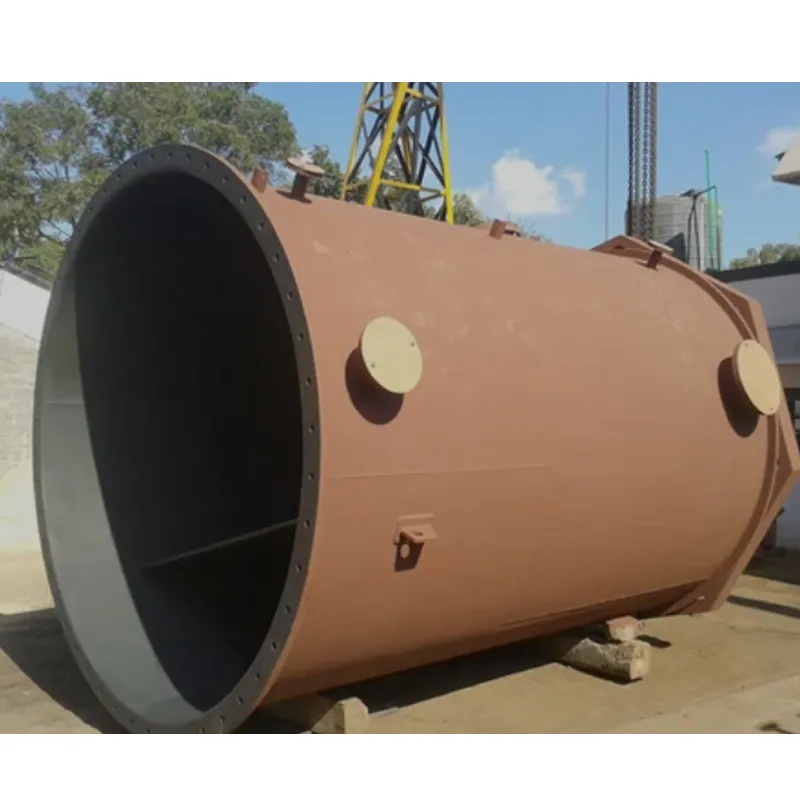
The performance of a Rubber Lined Tank is defined by its precise technical specifications, which dictate its suitability for specific industrial applications. Below are common parameters for a standard process tank designed for demanding corrosive and abrasive environments.
| Parameter | Specification | Notes |
|---|---|---|
| Shell Material | Carbon Steel (SA-516 Gr. 70) | Other alloys available upon request (e.g., Stainless Steel 304/316L, Duplex Stainless) |
| Lining Material (Typical) | Soft Natural Rubber (SNR) | Excellent for non-oxidizing acids, slurries; other options: Neoprene, Butyl, EPDM, Chlorobutyl, Viton |
| Lining Thickness | 4.5 mm to 9 mm (3/16" to 3/8") | Custom thicknesses available based on corrosivity, abrasion, and design life |
| Design Volume (Typical) | 5,000 Liters to 250,000 Liters | Custom capacities from small process tanks to large storage vessels |
| Design Pressure | Full Vacuum to 15 BarG (217 psi) | Higher pressure ratings engineered per ASME/PED design codes |
| Design Temperature Range | -15°C to +110°C (5°F to 230°F) | Temperature limits are specific to the chosen rubber compound and media |
| Flange Standards | ANSI B16.5, DIN, JIS, AS | Custom nozzle configurations and sizes to client specifications |
| Design Codes | ASME Section VIII Div. 1, TEMA, API 650, EN 13445 | Adherence to relevant international pressure vessel standards with full certification |
| Lining Hardness (Shore A) | 50-85 (depending on rubber type) | From soft, abrasion-resistant linings to hard ebonite for chemical permeation resistance |
| Typical Service Life | 10 - 20+ Years | Longevity is highly dependent on application severity, maintenance, and selected lining type |
Application Scenarios & Technical Advantages
Rubber Lined Tank solutions are indispensable across a multitude of heavy industrial applications where handling corrosive, abrasive, or impact-prone materials is a daily reality. Their robust design and specialized linings offer distinct technical advantages over unlined metal tanks or those with alternative coatings.
Typical Application Scenarios:
- Chemical Processing: Storage and processing of highly acidic solutions (e.g., hydrochloric acid, sulfuric acid, phosphoric acid), caustic soda, and various chemical intermediates where metal corrosion is a severe concern.
- Mining & Mineral Processing: Handling abrasive slurries containing ore, tailings, and process water. Tanks are used for leaching, solvent extraction, flotation, and thickened tailings storage, where excellent abrasion and impact resistance are paramount.
- Metallurgy: Pickling tanks for steel production, electrolysis, and acid regeneration plants, protecting against strong acid attack at elevated temperatures.
- Water & Wastewater Treatment: Storage of corrosive chemicals like hypochlorite, ferric chloride, and acids used in water purification and effluent treatment processes.
- Power Generation: Used in flue gas desulfurization (FGD) systems, where corrosive and abrasive slurries are generated.
- Pulp & Paper Industry: Chemical recovery processes involving corrosive pulping liquors.
Key Technical Advantages:
- Superior Corrosion Resistance: Rubber linings provide an impermeable barrier, protecting the steel substrate from direct contact with corrosive chemicals, extending the tank's operational life significantly. Specific rubber types are chosen for optimal compatibility (e.g., Butyl for oxidizing acids, Neoprene for oils and moderate chemicals).
- Exceptional Abrasion Resistance: Soft natural rubber linings exhibit excellent resilience against abrasive slurries and particulate erosion, outperforming metallic surfaces in many high-wear applications, leading to reduced material loss and maintenance.
- Impact Absorption: The inherent elasticity of rubber helps to absorb impact energy from falling solids or agitated slurries, minimizing damage to both the lining and the tank structure.
- Thermal Shock Resistance: Rubber linings can better withstand rapid temperature fluctuations compared to rigid coatings, reducing the risk of cracking and delamination.
- Noise Reduction: The rubber layer can dampen vibrations and reduce noise levels associated with material handling within the tank, contributing to a safer and more compliant work environment.
- Extended Service Life & Reduced Maintenance: By preventing corrosion and abrasion, these systems drastically extend equipment lifespan, leading to fewer repairs, less frequent replacements, and substantial reductions in long-term operational costs. This directly translates to energy saving through minimized production interruptions and optimized resource utilization.
- Enhanced Safety & Environmental Protection: The integrity of the rubber lining provides a critical safeguard against leaks and spills of hazardous materials, protecting personnel and the environment from chemical exposure, and ensuring compliance with stringent safety regulations.
Vendor Comparison & Customized Solutions
Selecting the right supplier for a Rubber Lined Tank is a critical decision that impacts long-term operational reliability and cost efficiency. While many manufacturers offer standard solutions, a truly effective partnership provides expert consultation, customized engineering, and unwavering post-sales support. Below is a comparative overview of key considerations when evaluating vendors in this specialized field.
Comparative Vendor Analysis
| Feature/Criteria | Generic Vendor A (Standard Offerings) | Generic Vendor B (Mid-Range Options) | QWMETAL (Specialized & Custom) |
|---|---|---|---|
| Lining Material Variety | Limited (Natural Rubber, Neoprene) | Moderate (NR, Neo, Butyl, EPDM) | Extensive (NR, Neo, Butyl, EPDM, Chlorobutyl, Viton, Hypalon; tailored to specific chemicals and temperatures) |
| Customization Capabilities | Basic dimensions and nozzle placement | Some internal components, agitator supports, minor modifications | Full engineering design for complex geometries, agitator bridges, spargers, heating/cooling coils, specialized fittings, manway design |
| Design & Manufacturing Standards | Local codes, basic adherence | ASME, some ISO compliance, limited documentation | Full ASME Section VIII Div. 1, TEMA, API 650, PED, ISO 9001 (complete documentation package, NDE reports, material certifications) |
| Quality Control & Testing | Standard visual, basic spark test | Hydrostatic, spark testing, some adhesion checks on samples | Rigorous NDT (RT/UT), Hydrostatic, Spark Testing (100% of lining), Adhesion Testing, Thickness Profiling, Full Material Traceability, Third-Party Inspection options |
| Lead Time (Typical) | 8-12 weeks | 10-16 weeks | 12-20 weeks (project-dependent, with transparent scheduling and expedited options for critical projects) |
| Warranty & Support | 1 year limited | 1-2 years standard, basic remote support | Up to 5 years (lining integrity), comprehensive technical support, on-site service, proactive spare parts program, maintenance training |
| Experience & Expertise | General fabrication experience, minimal lining focus | Some specialized lining projects, regional presence | Decades of specialized experience in B2B heavy industry, global footprint, recognized authority in complex corrosion/abrasion solutions |
Customized Solutions for Optimal Performance
The effectiveness of these specialized tanks is often maximized through bespoke engineering that aligns perfectly with specific process requirements. A "one-size-fits-all" approach rarely delivers optimal performance or longevity in challenging industrial environments. Customization extends beyond mere dimensions to encompass a range of critical design and material selections, ensuring the vessel performs reliably under unique operational stresses.
- Tailored Rubber Compounds: Selection of the precise rubber type (e.g., hard ebonite for specific chemicals, soft natural rubber for high abrasion, chlorobutyl for chemical and permeation resistance, Viton for high temperature/chemical service) and curing method based on detailed chemical compatibility analysis, temperature profiles, and abrasion levels, often using proprietary formulations.
- Optimized Shell Design: Custom tank geometry, including conical bottoms for efficient solids removal, agitator bridges for mixing applications, internal baffles, and specific nozzle orientations and sizes to integrate seamlessly with existing plant infrastructure and process flow.
- Access & Maintenance Features: Design considerations for easier inspection and maintenance, such as optimized manway sizes and locations, inspection ports, specialized lifting lugs, and internal ladder systems with lined rungs.
- Ancillary Components: Integration of specialized internal fittings, sparging systems, heating/cooling coils, instrument nozzles, and level indicator connections, all meticulously rubber-lined or fabricated from compatible corrosion-resistant materials to prevent galvanic corrosion.
- External Protection: Application of external coatings (e.g., multi-layer epoxy paint, fireproofing, insulation) for additional corrosion protection, thermal management, or aesthetic requirements, often certified to industry standards like SSPC or NACE for external coatings.
Engaging with a vendor capable of comprehensive custom engineering ensures that the tank is not merely a component but a perfectly integrated solution, optimized for maximum efficiency, safety, and a significantly lower lifecycle cost.
Application Case Studies: Proving Reliability
Real-world deployments demonstrate the unparalleled reliability and cost-effectiveness of Rubber Lined Tank solutions in demanding industrial environments. These case studies highlight their capability to withstand extreme conditions, ensuring continuous operation and significant operational savings for our clients.
Case Study 1: Acid Leaching Tanks in a Copper Mine
- Challenge: A major copper mining operation in South America faced persistent issues with rapid corrosion and abrasion in their unlined carbon steel leaching tanks. The process involved sulfuric acid at 60-70°C and highly abrasive copper ore slurry (up to 40% solids by weight), leading to frequent downtime for repairs and tank replacements, significantly impacting production targets and increasing operational expenditures.
- Solution: Twelve new 50,000-liter units were engineered and installed to replace the failing vessels. Each tank featured a 6mm thick, dual-layer soft natural rubber lining (Shore A hardness 60), specifically chosen for its superior resistance to both sulfuric acid at elevated temperatures and aggressive abrasive slurries. The internal design incorporated abrasion-resistant baffles, also rubber-lined.
- Results: After five years of continuous operation, the rubber linings showed minimal signs of wear and no corrosion, far exceeding the 2-year lifespan of previous solutions. The mine reported a 90% reduction in maintenance costs associated with these tanks and zero unplanned shutdowns due to tank failure. The extended service life dramatically improved operational efficiency and safety. Customer feedback from the mine's Head of Operations emphasized the "transformative impact on our leaching circuit's reliability and throughput, directly contributing to our profitability."
Case Study 2: Chemical Storage for a Pharmaceutical Intermediate Plant
- Challenge: A pharmaceutical intermediate manufacturing plant required secure and highly reliable storage for a variety of highly corrosive chemicals, including concentrated hydrochloric acid (32% HCl) and a mixture of organic acids, at ambient to moderate temperatures (up to 50°C). Previous stainless steel tanks suffered from pitting and crevice corrosion, risking costly product contamination and potential environmental release.
- Solution: Two 15,000-liter vessels were supplied, fabricated from SA-516 Gr. 70 carbon steel, featuring a vulcanized 4.5mm thick chlorobutyl rubber lining. Chlorobutyl was selected for its excellent chemical resistance, particularly against strong acids, and its low permeation rate, which prevents chemical absorption into the lining and subsequent substrate attack. Detailed chemical compatibility testing was conducted prior to final lining selection.
- Results: The tanks have been in service for seven years without any reported issues of lining degradation, blistering, or leakage. The plant achieved full compliance with stringent environmental regulations and significantly improved worker safety by eliminating the risk of chemical exposure from corroded tanks. The lead engineer noted, "The chlorobutyl lining has performed flawlessly, providing peace of mind and substantial savings from avoiding costly material batch losses. This reliability is paramount in pharmaceutical production." The project demonstrated a ROI of less than 3 years due to averted maintenance and lost production costs.
Ensuring Trust: FAQ, Lead Time, Warranty & Support
Frequently Asked Questions (FAQ)
- Q: What types of rubber linings are available?
- A: We offer a comprehensive range including Soft Natural Rubber (SNR), Hard Natural Rubber (Ebonite), Neoprene (Chloroprene), Butyl, Chlorobutyl, EPDM, and specialized compounds like Hypalon or Viton. The selection depends critically on the specific chemical environment, temperature profile, and abrasive characteristics of your application. Our engineers provide expert guidance for optimal material selection based on your process data.
- Q: How do I determine the correct lining thickness for my application?
- A: Lining thickness is determined by factors such as the corrosivity of the media, the level of abrasion, operating temperature, mechanical stresses, and expected service life. Our technical team will conduct a thorough assessment of your operational parameters and recommend the most appropriate thickness, typically ranging from 4.5mm to 12mm, in accordance with NACE and ASTM guidelines.
- Q: What maintenance is required for a Rubber Lined Tank?
- A: While highly durable, periodic inspections are recommended, typically during planned shutdowns. This includes thorough visual inspection for cracks, blisters, or tears, and high-voltage spark testing to detect any pinholes or discontinuities in the rubber. Prompt repair of minor damage can significantly extend the lining's lifespan. We offer comprehensive inspection, field repair, and maintenance services, as well as operator training.
- Q: Can existing tanks be rubber-lined?
- A: Yes, in many cases, existing steel tanks can be successfully retrofitted with a rubber lining. This involves thorough internal surface preparation (grit blasting to Sa 2.5), followed by the standard lining and vulcanization process. For tanks that cannot be transported to our facility, on-site lining and curing services are available. A detailed assessment of the existing tank's structural integrity, material, and previous service history is always the first step to ensure feasibility and optimal outcome.
- Q: What are the primary advantages of rubber lining over other corrosion protection methods like FRP or coatings?
- A: Rubber linings offer superior resistance to a wider range of aggressive chemicals, especially concentrated acids and caustics, and unparalleled abrasion and impact resistance, which thin film coatings or some FRP resins often lack. While Fiber Reinforced Plastic (FRP) can be effective, rubber linings provide greater flexibility, resilience to thermal shock, and a higher tolerance for mechanical stress, often resulting in a significantly longer operational lifespan and lower life-cycle costs in highly dynamic, abrasive, or thermally cycling environments.
Lead Time & Fulfillment Details
Our commitment to project schedules is paramount. Typical lead times for a custom-lined tank vary based on size, complexity, material availability, and current production load. For standard configurations, lead times generally range from 12 to 20 weeks from confirmed order to ex-works delivery. Larger, more complex, or highly customized projects, especially those requiring specific alloy shells or specialized rubber compounds, may require extended periods. A detailed project timeline, including key milestones, will be provided during the quotation phase. We maintain robust supply chains for steel and rubber materials and optimize our manufacturing processes to minimize delays and ensure timely project completion. Expedited manufacturing and priority scheduling options are available for urgent requirements, subject to project scope and additional costs, always with transparent communication.
Warranty Commitments & After-Sales Support
We stand behind the quality and performance of every Rubber Lined Tank we deliver. Our products come with an industry-leading warranty that typically covers the integrity of the rubber lining against manufacturing defects for a period of up to 5 years, and the steel shell against structural defects for 1 year, from the date of commissioning or shipment, whichever comes first. Specific warranty terms and conditions, including coverage limitations and client responsibilities, will be detailed in your project contract.
Our commitment extends beyond delivery and installation. We offer comprehensive after-sales support designed to ensure the long-term reliability and optimal performance of your investment, including:
- Technical Assistance: Direct access to our experienced engineering and technical support team for operational guidance, troubleshooting, process optimization, and material compatibility queries throughout the lifespan of the equipment.
- Spare Parts & Repair Kits: Availability of genuine spare parts (e.g., gaskets, fasteners) and specialized repair kits for on-site minor maintenance and emergency lining repairs, ensuring rapid response and minimal downtime.
- On-Site Service: Provision of highly skilled field service technicians for routine inspections, preventative maintenance, advanced diagnostics, and emergency repairs, available globally to ensure minimal disruption to your operations.
- Documentation & Training: Provision of detailed operation and maintenance manuals, engineering drawings, and material certifications. We also offer customized training sessions for your plant personnel on proper handling, care, inspection, and basic maintenance of the lined equipment to maximize its service life.
We partner with our clients for the entire lifecycle of their equipment, ensuring maximum uptime and optimal performance of their lined assets, thereby contributing directly to their operational success and safety objectives.
Authoritative References
- ASTM International. (n.d.). ASTM D816/D816M-19, Standard Test Methods for Coated Fabrics—Rubber-Lined. Retrieved from astm.org
- ASME Boiler and Pressure Vessel Code, Section VIII, Division 1: Rules for Construction of Pressure Vessels. (2023). The American Society of Mechanical Engineers. Retrieved from asme.org
- NACE International (now AMPP). (n.d.). NACE SP0188-2016, Discontinuity (Holiday) Testing of New Protective Coatings on Conductive Substrates. Retrieved from ampp.org
- ISO. (n.d.). ISO 2878: Rubber, vulcanized or thermoplastic — Determination of hardness (Shore hardness). Retrieved from iso.org
- The Engineering ToolBox. (n.d.). Rubber Chemical Resistance. Retrieved from engineeringtoolbox.com
- SSPC: The Society for Protective Coatings (now AMPP). (n.d.). SSPC-SP10/NACE No. 2, Near-White Metal Blast Cleaning. Retrieved from ampp.org
Related Products
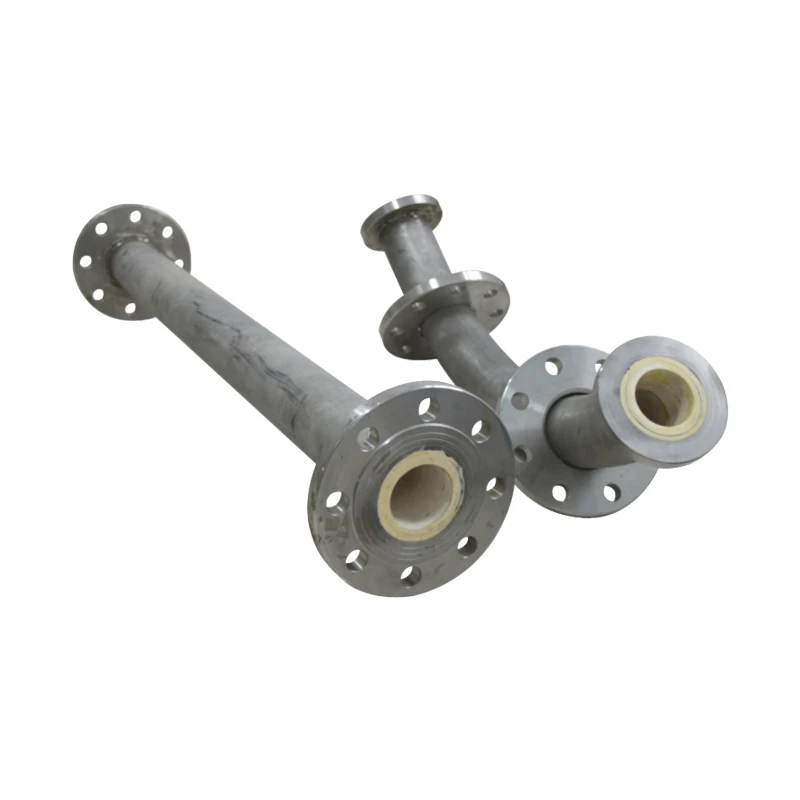
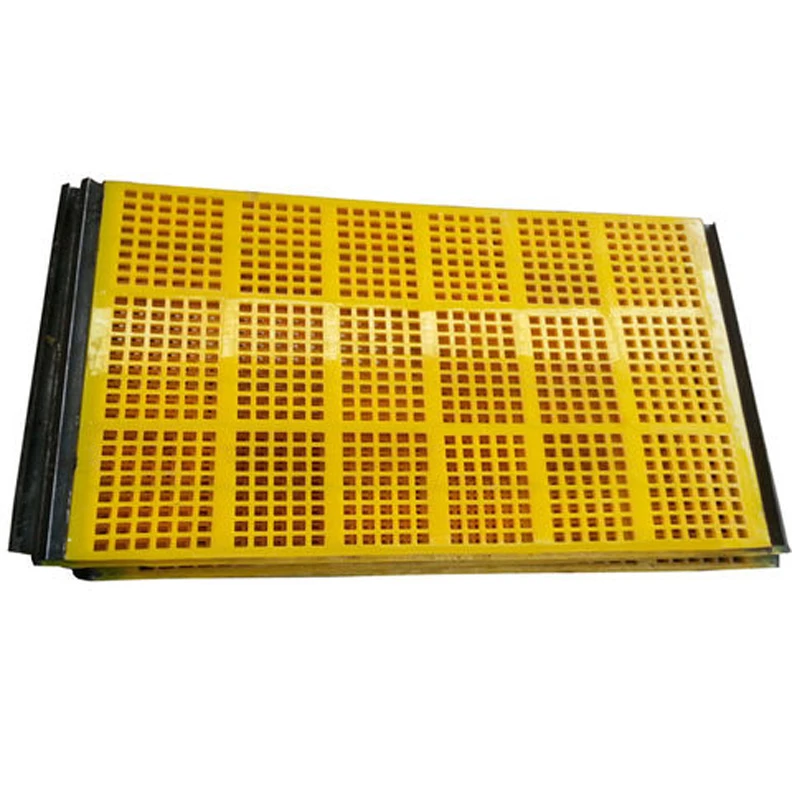
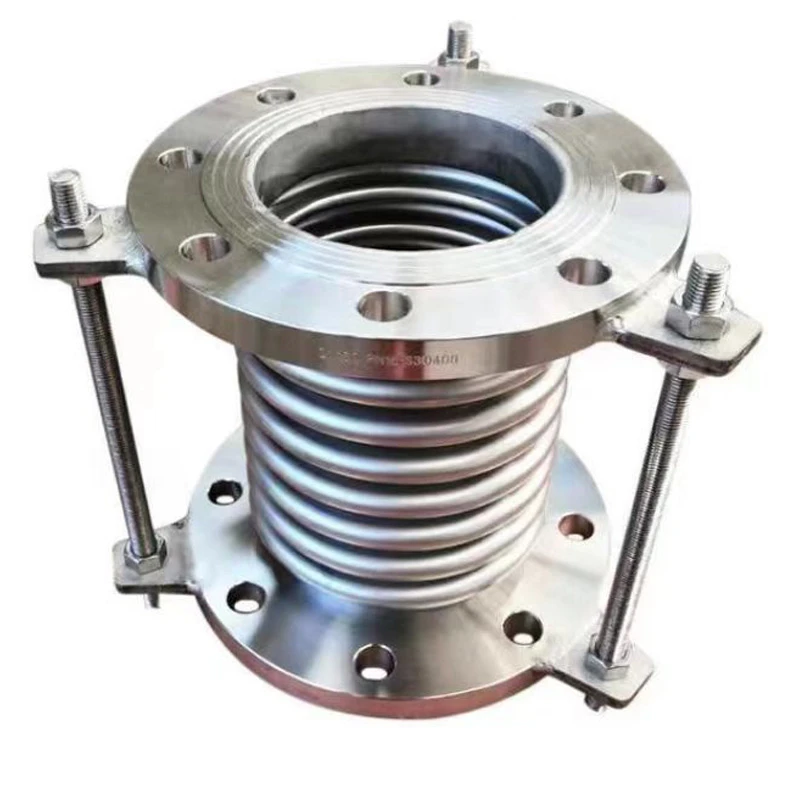
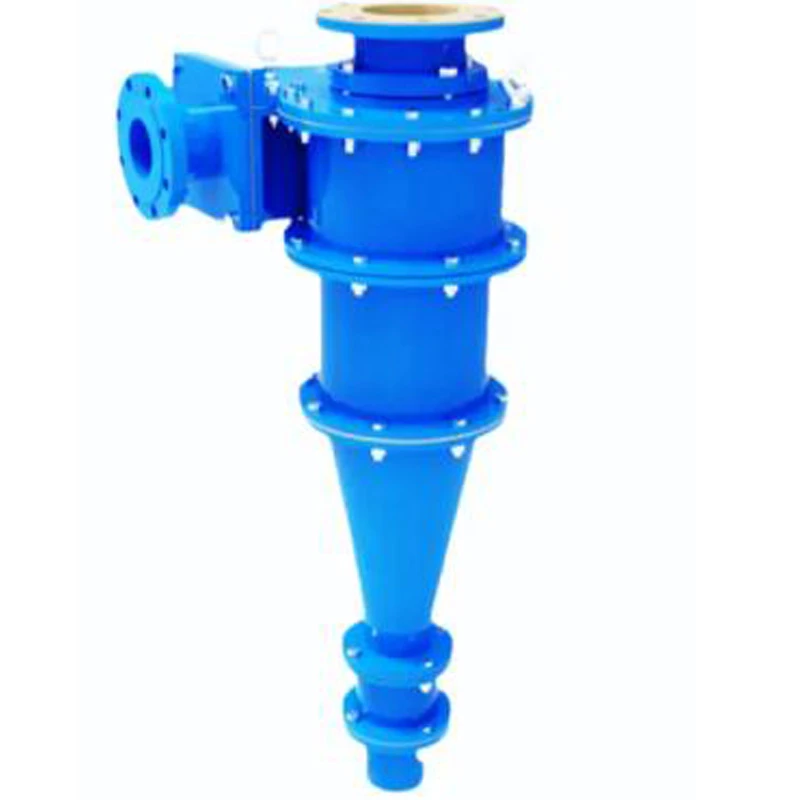
Our main products are polyurethane lined pipes, mining equipment fittings and metal hoses.