Durable Rubber Lined Tanks for Industrial Corrosion Protection | QW Metal
Rubber Lined Tank: Durable Protection for Harsh Industrial Needs
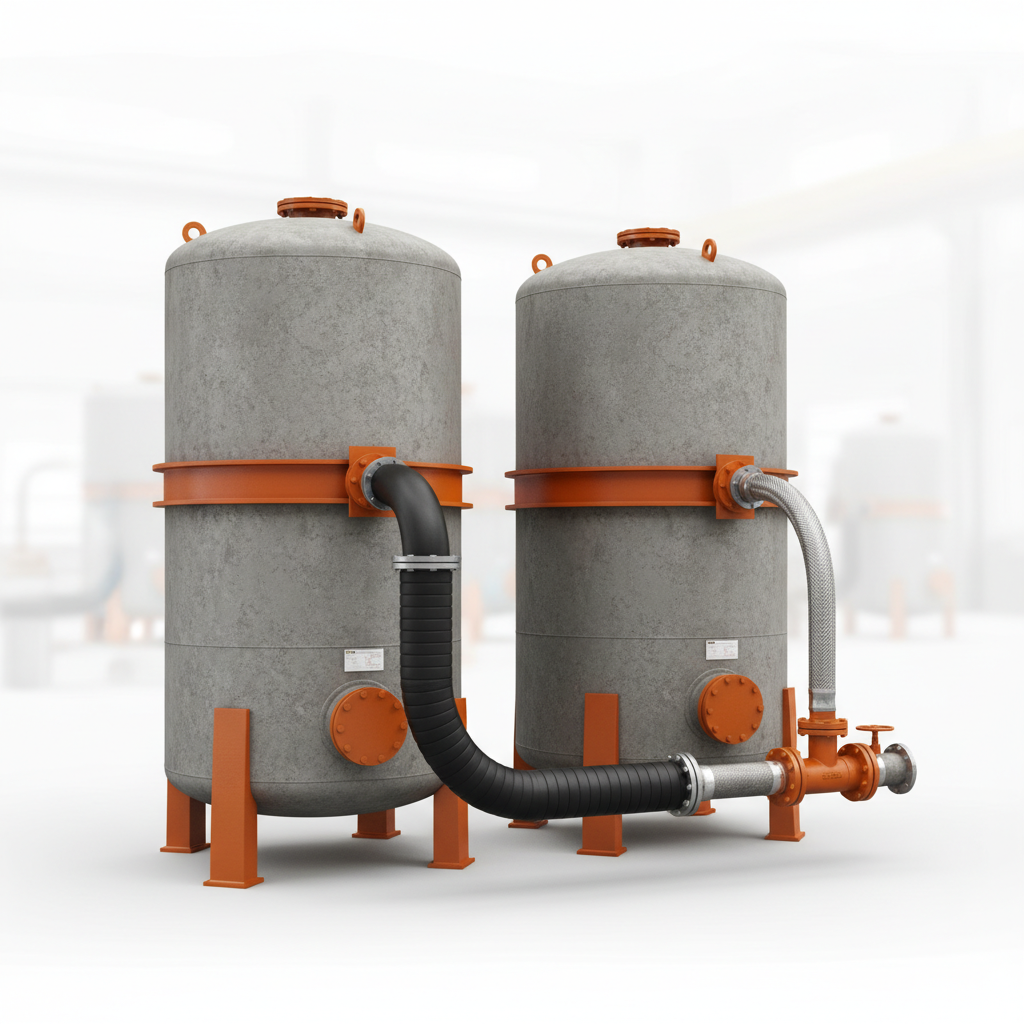
Having tinkered with industrial equipment for most of my career, I’ve seen how tanks and vessels take a beating. When you’re handling corrosive or abrasive materials, plain metal tanks simply don’t cut it. That’s where the rubber lined tank really shines. It’s a pretty straightforward concept—line a steel tank interior with a thick rubber membrane—but the details, frankly, make all the difference.
Oddly enough, many engineers overlook just how customizable rubber linings can be. Depending on the fluid, temperature, or abrasion, the lining material varies—natural rubber, neoprene, EPDM, and others. Each has its quirks in chemical resistance or elasticity. I remember a project where neoprene lining saved a client from costly corrosion when handling acidic slurry. There’s something satisfying about a solution that’s low-tech but high-impact.
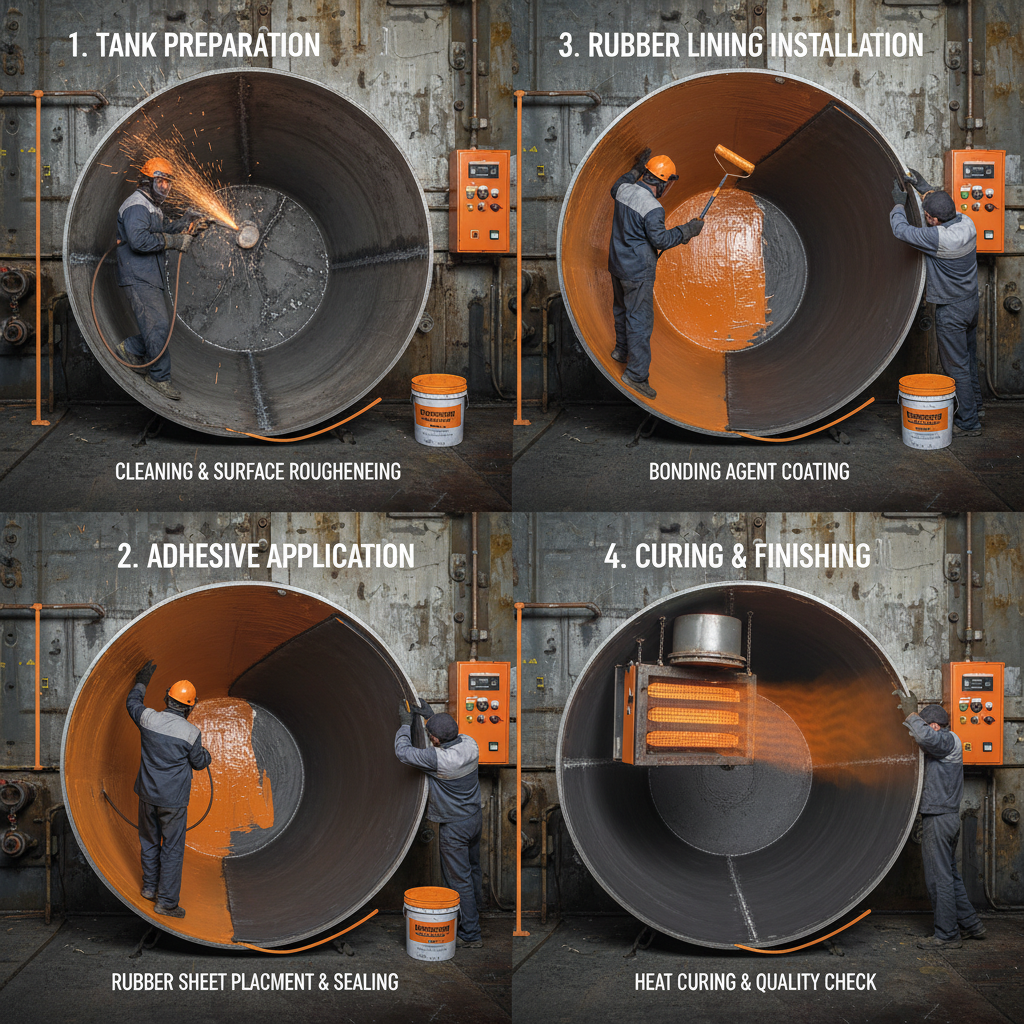
Let’s talk design. Most rubber lined tanks are crafted from carbon steel or stainless steel shells, then bonded with an adhesive before the rubber is vulcanized in place. This vulcanization process is a bit like curing rubber tires—it creates an incredibly durable bond. You want to watch details here: poor adhesion or uneven thickness can cause premature failure, which I’ve unfortunately seen once or twice on site visits.
| Specification | Details |
|---|---|
| Tank Material | Carbon Steel, Stainless Steel |
| Rubber Lining Types | Natural Rubber, Neoprene, EPDM, Nitrile |
| Max Operating Temperature | Up to 80°C (varies by rubber type) |
| Lining Thickness | 3 - 12 mm, customizable |
| Common Applications | Chemical storage, abrasive slurry tanks, wastewater treatment |
Quality control testing is another point to highlight. No reputable vendor skims this. Non-destructive ultrasonic testing to verify lining thickness and integrity is a must. Plus, tensile strength and adhesion tests ensure the lining won’t delaminate under industrial stress. I’ve visited factories where they even perform mock spills to check chemical resistance firsthand.
On the practical side, maintenance is fairly straightforward but important. Always inspect for cut or worn spots, especially near agitators or inlets where abrasion spikes. It’s a nice feature that, in many cases, you can reline the tank instead of replacing it entirely—cost-saving in the long run.
Now, a quick comparison of several popular vendors I’ve dealt with over the years. This is of course a snapshot — you’ll want to dig into specifics based on your exact needs.
| Vendor | Lining Options | Delivery Time | Custom Features | Price Tier |
|---|---|---|---|---|
| QW Metal | Natural Rubber, EPDM, Nitrile | 4-6 weeks | Full custom sizing & embedded heaters | Mid-range |
| GlobalRubber Tanks | Neoprene, EPDM | 3-5 weeks | Standard designs, limited custom | Budget |
| SteelGuard Linings | Natural Rubber, Silicone | 6-8 weeks | Advanced coatings, corrosion resistant shells | Premium |
I vaguely recall a plant visit a few years back where their rubber lined tank had been running trouble-free for nearly a decade despite handling highly abrasive chemical slurry daily. It’s a testament to how such a seemingly simple lining can extend equipment life and reduce downtime.
In real terms: if you need reliable corrosion and abrasion resistance without breaking the bank, rubber lined tanks are probably your best friend. And while no one likes maintenance, this solution sure softens the blow.
If you want to learn more or explore options, check out QW Metal’s rubber lined tank offerings — their customization and quality control impressed me the most.
References
1. Industrial Equipment Handbook, 3rd Ed, 2020
2. “Corrosion Control in Tanks,” Journal of Materials Protection, 2019
3. QW Metal Product Documentation, accessed 2024
Related Products
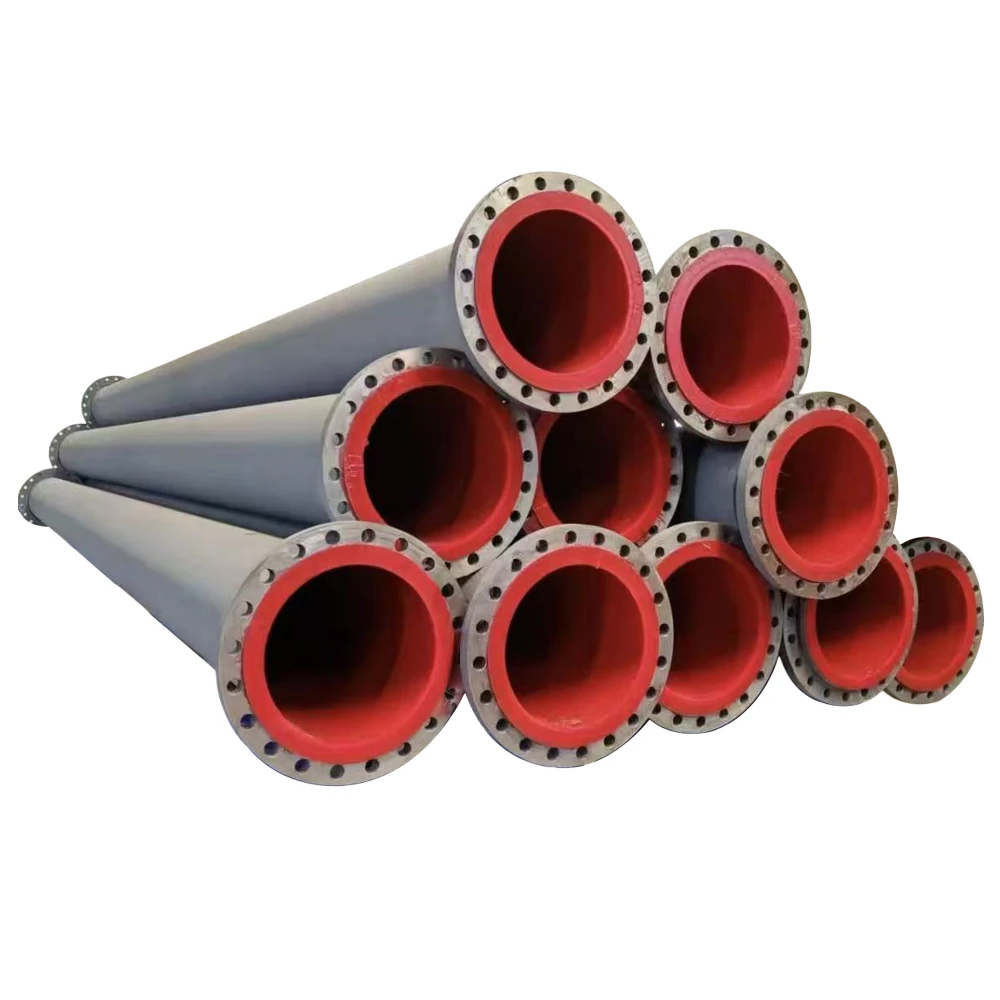
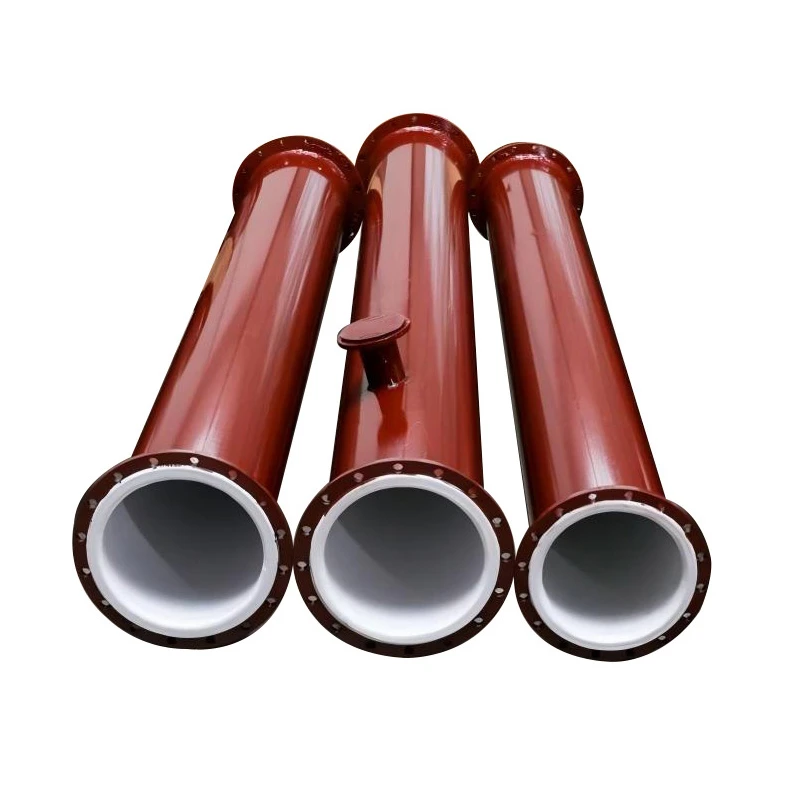
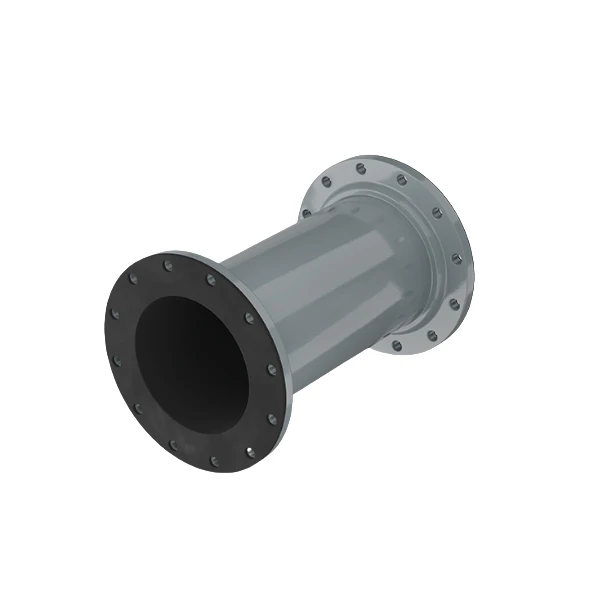
Our main products are polyurethane lined pipes, mining equipment fittings and metal hoses.