Durable Chemical Tanks for Industrial Storage & Safety
Chemical Tanks: Durable Solutions for Industrial Storage
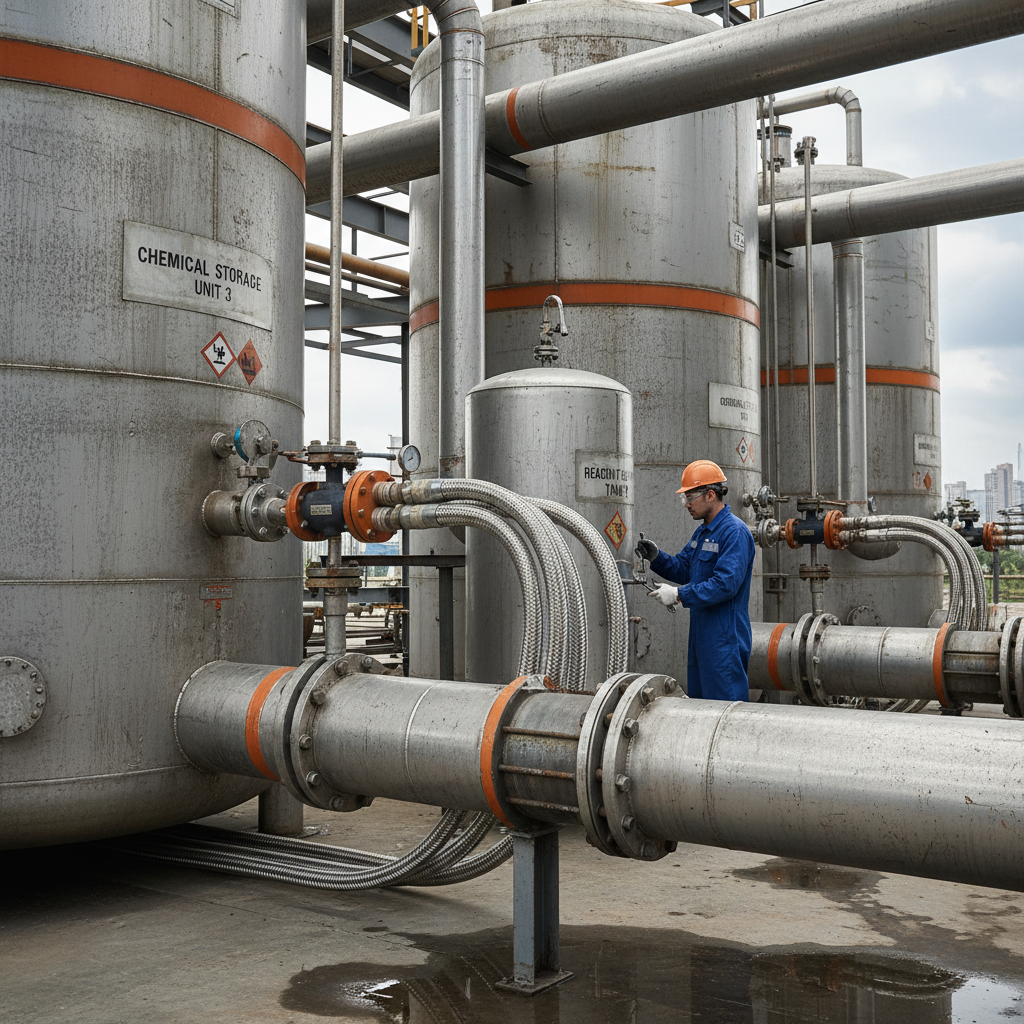
Having spent quite some time in the industrial equipment sector, I can say that chemical tanks are one of those unsung heroes that keep many operations running smoothly. They might not get the spotlight, but honestly, without reliable chemical tanks, plenty of processes would grind to a halt—or worse, cause costly hazards.
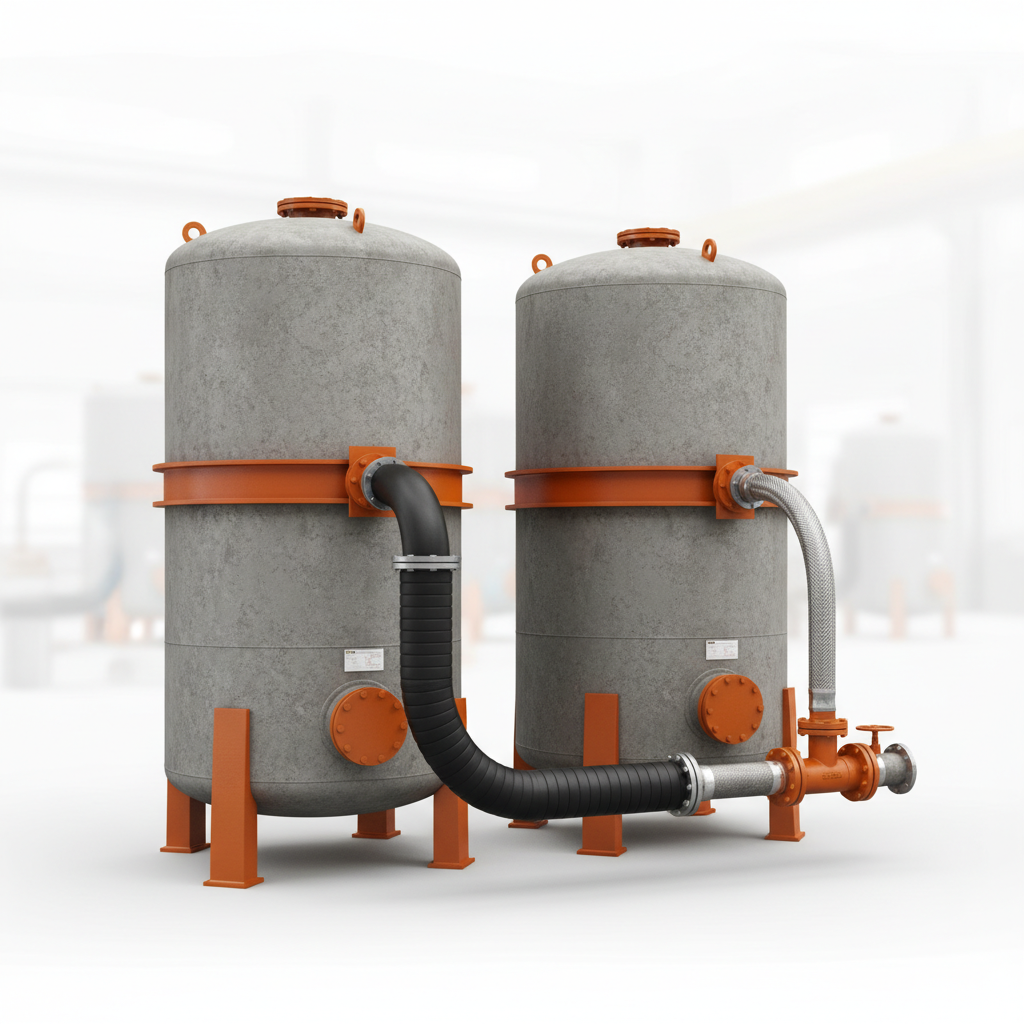
Now, what makes a chemical tank stand out in the noisy world of industrial storage? Frankly, it’s a mix of solid design, material choice, and a bit of on-site customization. For years, I’ve watched engineers debate whether fiberglass or steel is better, and it usually boils down to specific use cases and the chemicals involved.
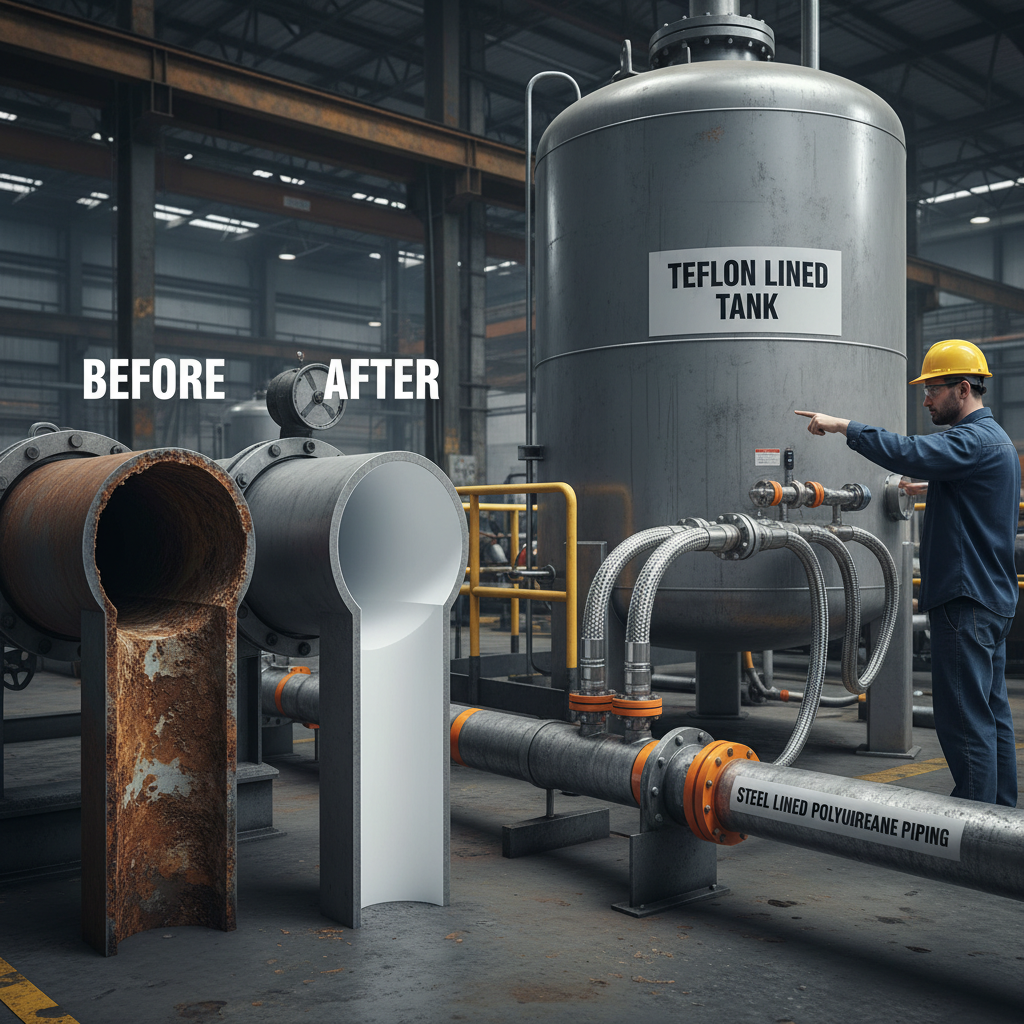
Oddly enough, the choice of materials often seems straightforward but comes loaded with trade-offs. Steel tanks, for example, offer robustness and impact resistance. But then, some chemicals eat away at steel unless it's properly lined or alloyed. Fiberglass tanks, while lighter and naturally corrosion-resistant, can be a bit more fragile if mishandled. There's always that balance between longevity and cost-efficiency.
Key Product Specifications at a Glance
| Specification | Typical Range | Notes |
|---|---|---|
| Capacity | 500 to 20,000 gallons | Custom sizes available |
| Material | Carbon steel, stainless steel, fiberglass | Material chosen based on chemical type |
| Temperature Range | -40°F to 250°F | Varies with insulation and material |
| Pressure Rating | Atmospheric to 15 PSI | Most tanks are non-pressurized |
| Certifications | API 650, UL142, ASME | Essential for safety and compliance |
One particular job sticks out in my memory: a chemical plant needing a replacement for severely corroded tanks. We recommended stainless steel models with proper linings and conducted onsite testing to verify compatibility. Seeing those tanks in place, performing without issue for years, reminded me how much attention to detail truly matters.
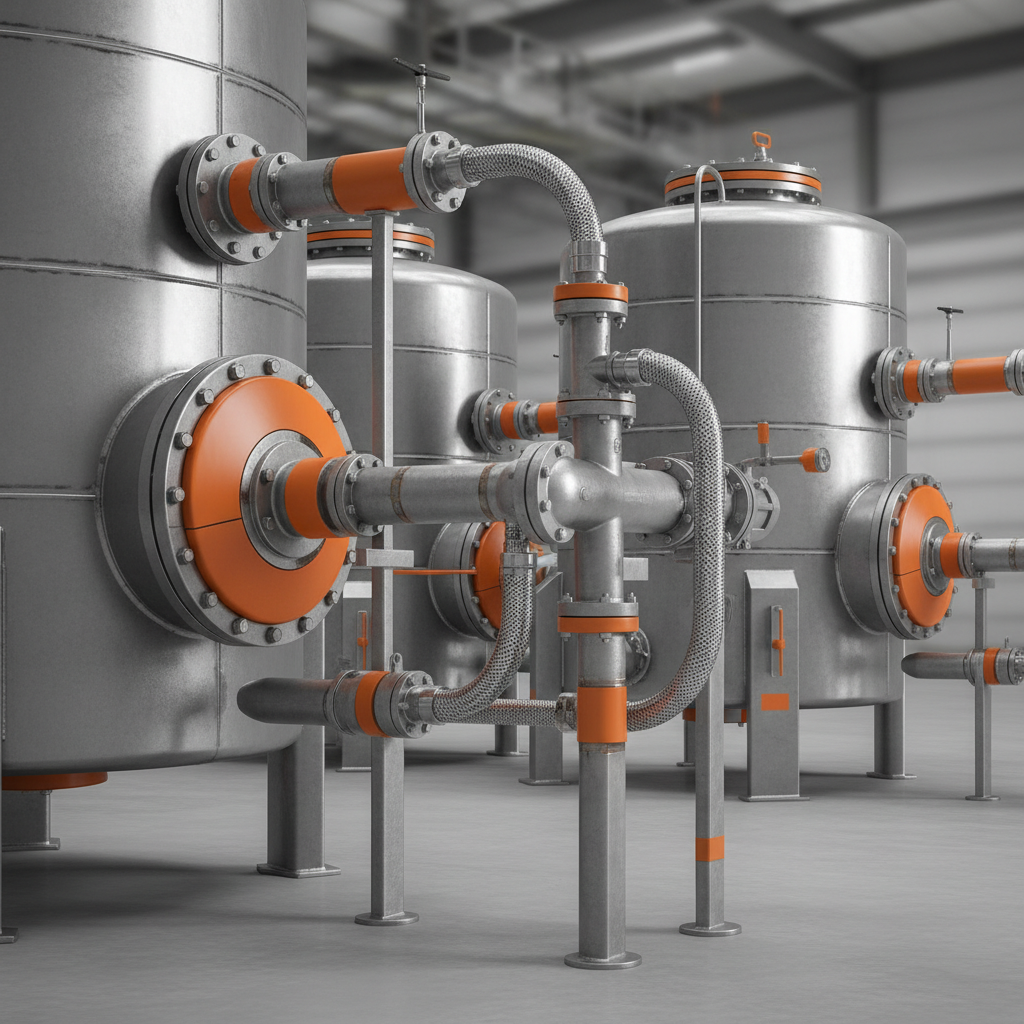
Customization, I believe, is the secret sauce. Whether it's adding agitation systems, sight glasses, or multi-layer linings, the best tanks adapt to the specific challenges of their environment. Many engineers I know are also looking into sustainability nowadays—tanks designed for easy maintenance and longer lifespans, which frankly adds up in cost savings.
Vendor Comparison: What to Look For
| Feature | Vendor A | Vendor B | Vendor C |
|---|---|---|---|
| Material Options | Carbon & Stainless Steel | Fiberglass & Lined Steel | Stainless Steel Only |
| Custom Sizes | Yes | Limited | Yes |
| Certifications | API 650, ASME | UL142 | API 650, UL142 |
| Lead Time | 6-8 Weeks | 10-12 Weeks | 8-10 Weeks |
| Warranty | 5 Years | 3 Years | 5 Years |
When selecting a vendor, I always advise considering more than just upfront cost. Reliability, local support, and certification credibility matter a great deal. It feels like investing a little more often prevents headaches down the line.
And if you’re curious like me, diving a bit deeper into the technical specs and user reviews tends to reveal nuances that marketing sheets don’t. There’s no substitute for a conversation with someone who’s handled the real deal, in real terms.
In the end, chemical tanks are all about safety, durability, and fit-for-purpose engineering. If you’re searching for tanks that tick those boxes, don’t overlook the importance of partnering with a trusted, experienced provider—even if it’s just to borrow some tips or get a solid quote.
So, next time you see those big tanks in a plant, you might just appreciate all the thought and expertise that goes into them – I certainly do.
– Reflections from years in the industry
References:
- API 650 Standard for Welded Tanks for Oil Storage
- UL142 Standard for Steel Aboveground Tanks
- Case studies from chemical plant maintenance logs
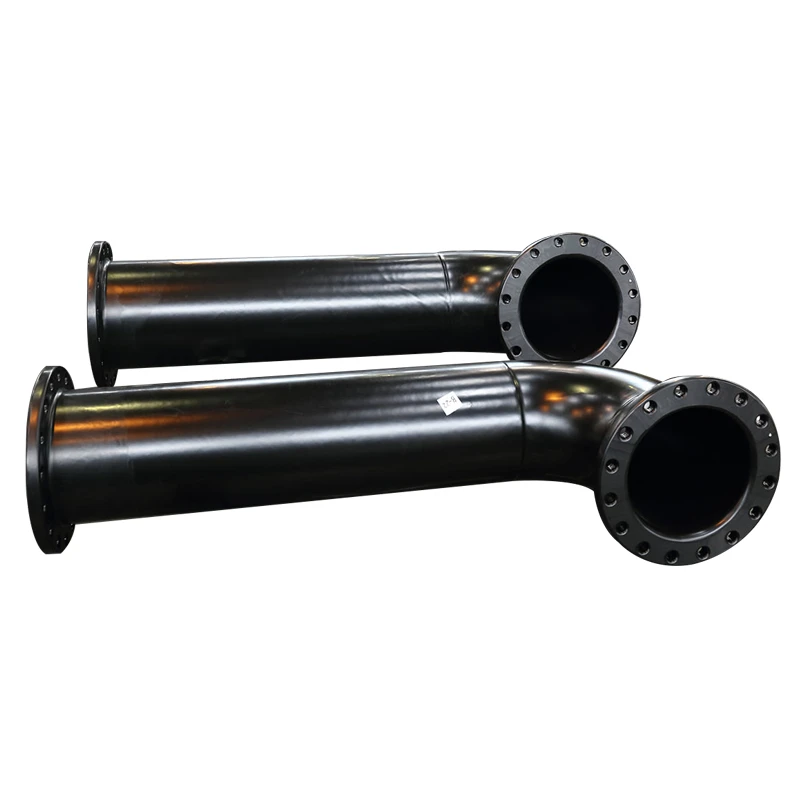
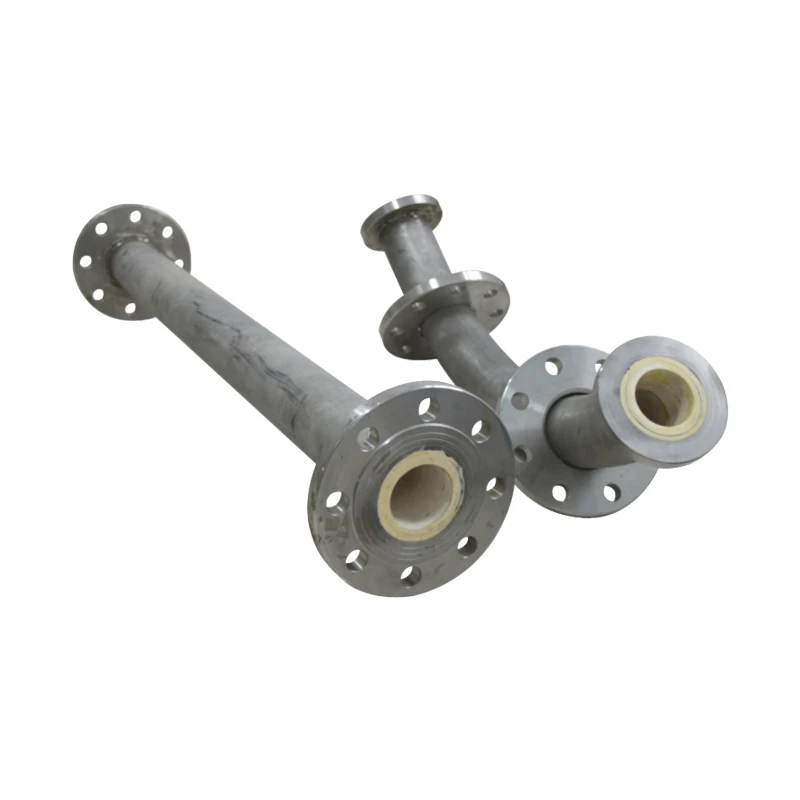
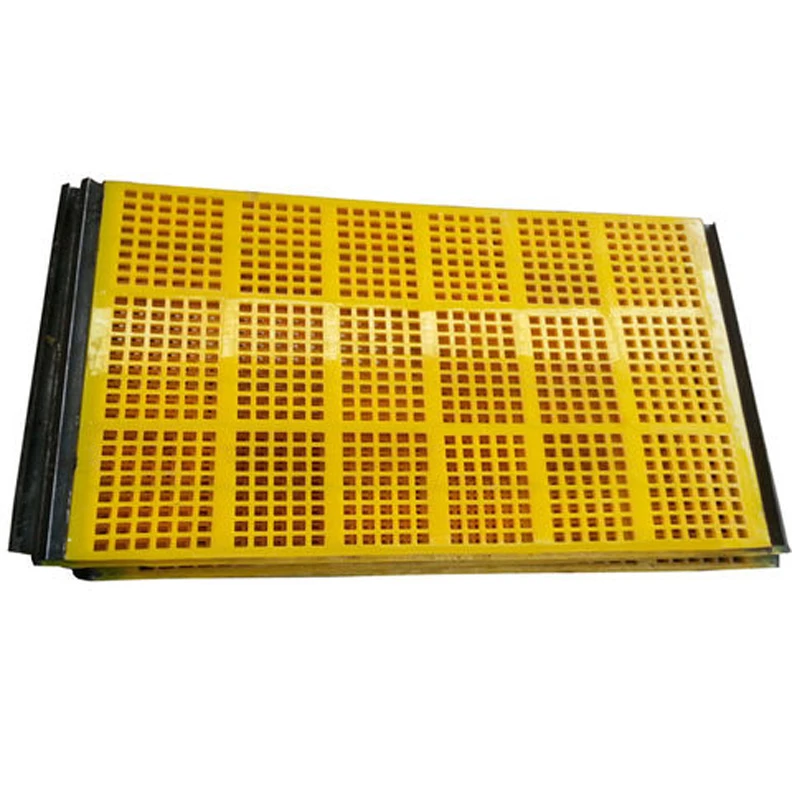
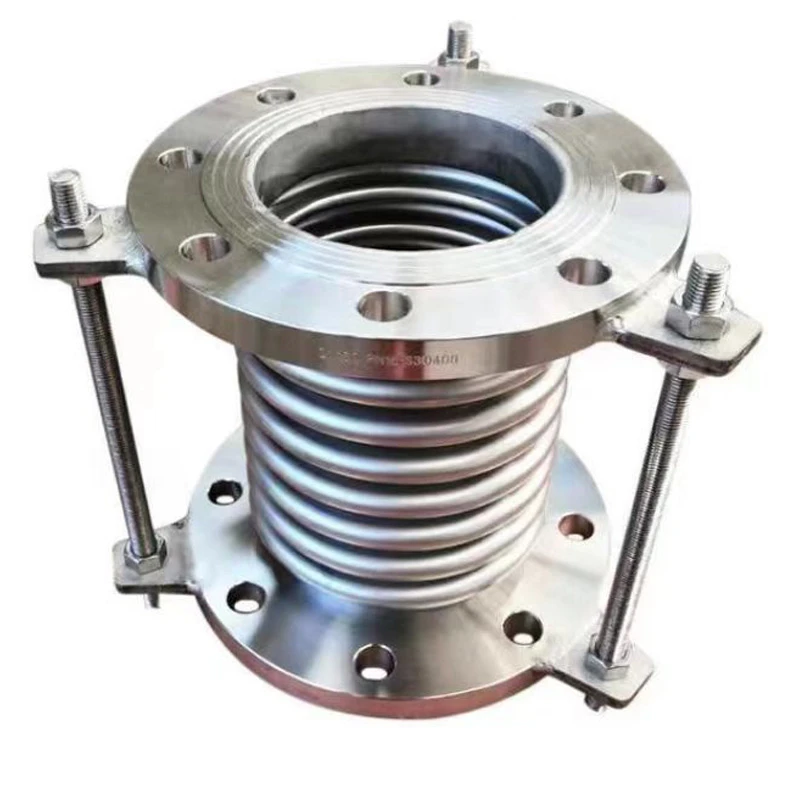
Related Products
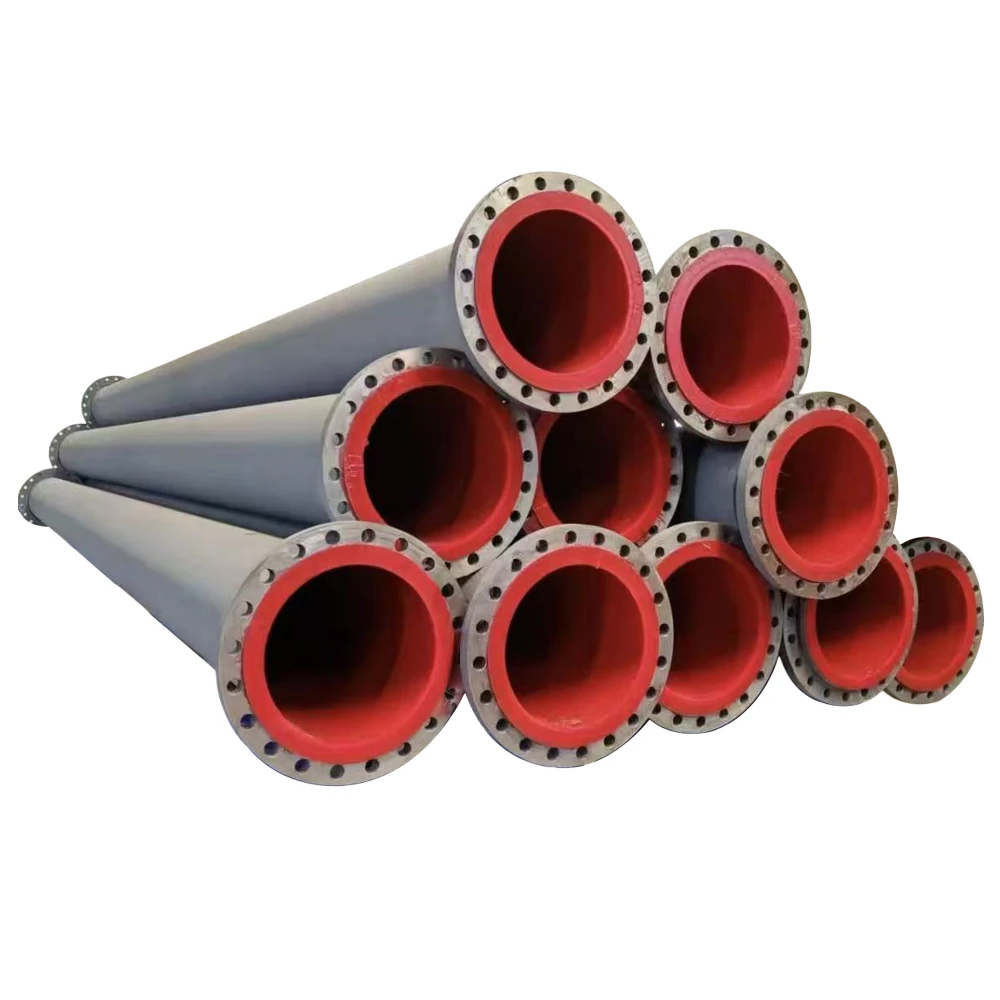
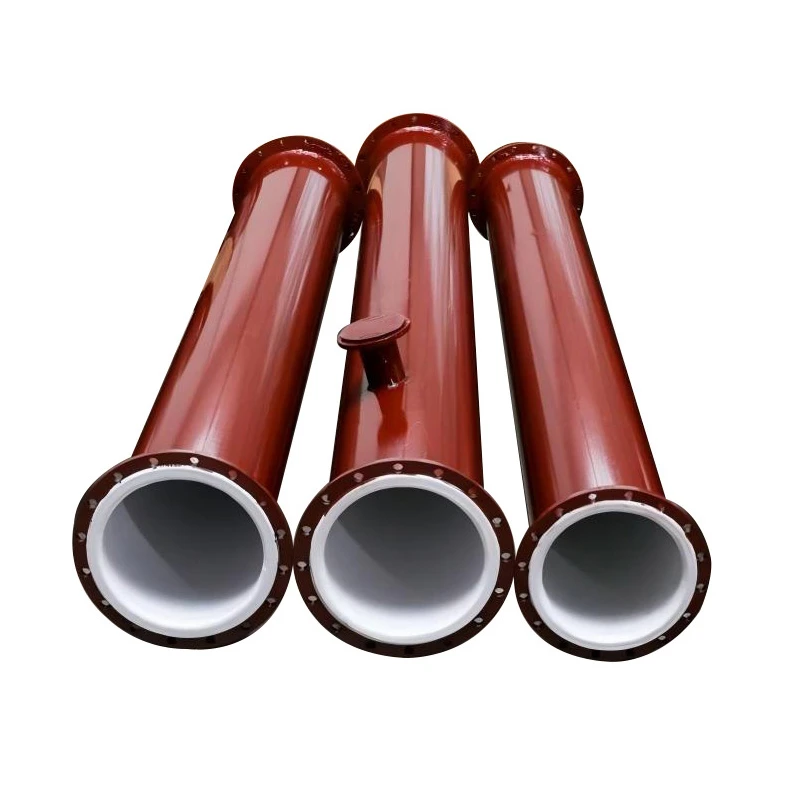
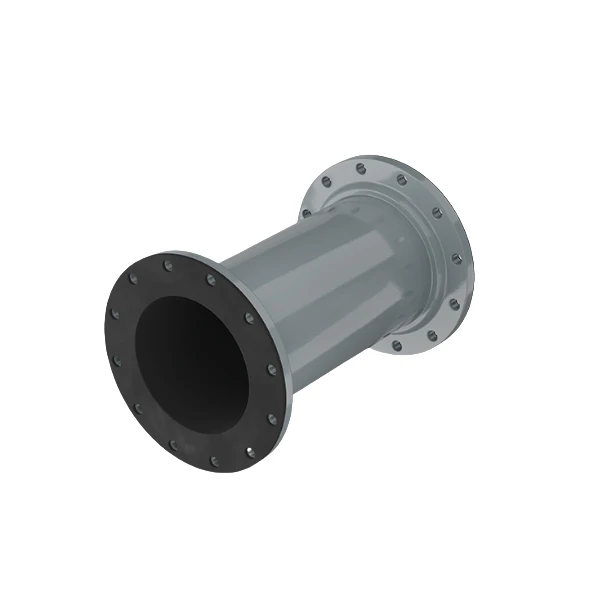
Our main products are polyurethane lined pipes, mining equipment fittings and metal hoses.