Optimizing Custom PU Lined Pipe Lining Thickness for Industry
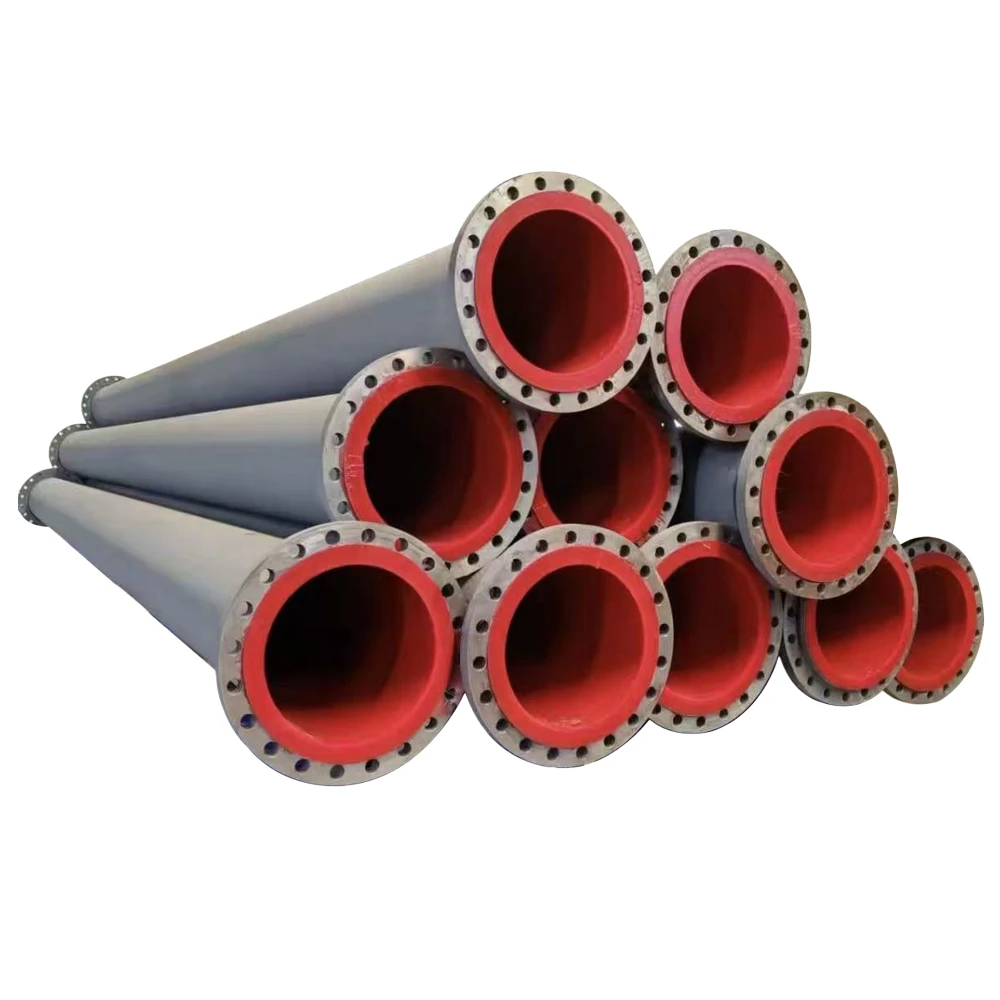
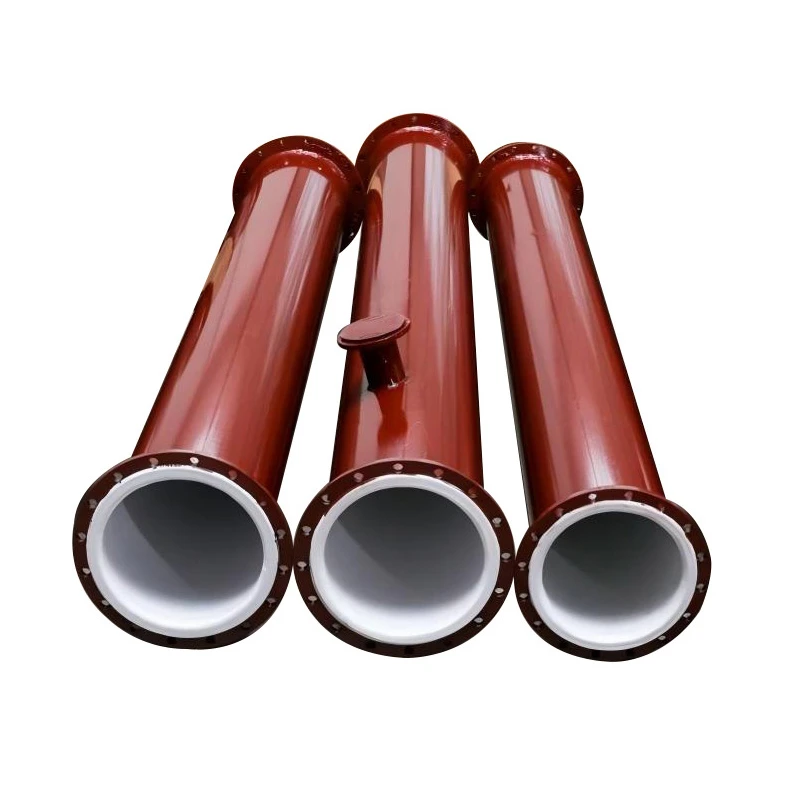
When dealing with highly abrasive slurry or corrosive chemical transport, the integrity of the internal lining is the primary determinant of a piping system's operational lifespan. Selecting the appropriate custom pu lined pipe lining thickness is not merely a matter of adding material, but a strategic engineering decision that balances flow efficiency with wear resistance. Polyurethane, known for its exceptional elasticity and hardness, provides a protective barrier that shields the outer steel shell from premature erosion.
For industrial procurement managers and plant engineers, understanding how lining thickness correlates with specific media velocity and particle size is critical. A lining that is too thin may fail prematurely under high-impact conditions, while excessive thickness can unnecessarily restrict the internal diameter and increase costs. By optimizing these specifications, companies can significantly reduce downtime and maintenance overhead in harsh industrial environments.

The Engineering Logic Behind Polyurethane Lining Selection and Performance
Polyurethane (PU) is an engineered elastomer that bridges the gap between rubber and plastic. Its primary value in industrial piping lies in its ability to absorb the energy of impacting particles, effectively "bouncing" them off the surface rather than allowing them to gouge the material. This characteristic makes it superior to traditional metal-only pipes in mining and chemical processing.
The effectiveness of the lining depends heavily on the bond between the polyurethane and the steel substrate. A high-quality lining process ensures that there is no delamination, even under thermal expansion or pressure fluctuations. Key performance factors include:
- Abrasion Resistance: PU offers far higher wear resistance than most plastics, making it ideal for transporting ores, sands, and tailings.
- Chemical Stability: It resists a wide range of oils, greases, and many acids, though suitability varies by the specific PU grade.
- Impact Energy Absorption: Unlike brittle ceramics, polyurethane can withstand sudden shocks without cracking.
When specifying the lining, engineers must consider the slurry concentration and the chemical composition of the fluid. The synergy between the steel outer shell's structural strength and the internal lining's chemical resistance creates a composite pipe capable of operating in environments that would destroy standard carbon steel in weeks.

Critical Application Scenarios for Wear-Resistant Lined Piping
Different industries demand different lining characteristics. In the mining sector, for instance, the primary challenge is high-velocity slurry transport. Here, the lining must withstand constant scouring from hard mineral particles. The application logic focuses on maximum wall thickness at high-wear points like elbows and junctions.
In chemical processing, the priority shifts toward corrosion resistance. Polyurethane serves as an inert barrier that prevents aggressive chemicals from reaching the steel shell. This is particularly vital in pharmaceutical and food processing where purity and non-reactivity are non-negotiable requirements to prevent contamination.
Other notable applications include:
- Water Management: Handling treated wastewater or salt-heavy brine where traditional coatings peel.
- Energy Sector: Power plant ash handling systems where high-temperature abrasion is a constant threat.
- Construction: Pumping concrete or grout, where the high viscosity and abrasive aggregates require a tough, low-friction internal surface.
By matching the specific polyurethane formulation and lining thickness to these scenarios, operators can ensure that the piping system exceeds the standard expected service life, moving from a reactive maintenance model to a proactive, planned replacement cycle.
Buyer's Guide: Evaluating Lined Pipe Specifications and Quality
Procuring lined piping requires a move beyond simple price-per-meter comparisons. A low-cost pipe with poor lining adhesion will result in catastrophic failure via "blistering," where the lining separates from the steel. Buyers should evaluate the manufacturing process, specifically how the polyurethane is bonded to the steel—whether through centrifugal casting or thermal bonding.
When reviewing a technical data sheet, focus on the following criteria to ensure long-term reliability:
- Shore Hardness: Higher hardness generally means better abrasion resistance but lower flexibility.
- Bond Strength: Request test data on the adhesive bond between the PU and the steel shell.
- Tolerances: Ensure the internal diameter (ID) is consistent to prevent turbulence, which accelerates wear.
Furthermore, consider the supplier's ability to provide customized solutions. Standard pipes may not fit complex layouts. A manufacturer capable of providing tailored thickness for specific high-wear sections—such as increased lining at bends—can provide a more cost-effective solution than simply over-specifying the entire line.
Technical Comparison of Lining Materials for Industrial Piping
| Material Type | Abrasion Resistance | Chemical Resistance | Impact Strength | Typical Lifespan |
|---|---|---|---|---|
| Standard Carbon Steel | Low | Low | High | Short (in slurry) |
| Rubber Lining | Medium | Medium | High | Medium |
| Polyurethane (PU) | Very High | High | Medium-High | Long |
| PTFE/Teflon | Low | Very High | Low | Medium-Long |
| Ceramic Lining | Extreme | High | Low (Brittle) | Very Long |
Manufacturing Excellence and Quality Control in Lined Products
The quality of a lined pipe is only as good as the quality control (QC) measures implemented during production. Hebei Qiao Wan emphasizes a rigorous multi-stage inspection process to eliminate defects. This starts with the raw material selection, ensuring the polyurethane resin meets purity standards to avoid air bubbles or voids in the final lining.
During the manufacturing phase, precise temperature control is essential. If the PU is cured too quickly, internal stresses can develop, leading to premature cracking. If cured too slowly, the bond strength is compromised. Our technical team, including senior engineers, monitors these parameters to ensure a homogenous lining across the entire length of the pipe.
Final testing involves several critical checks:
- Dimensional Inspection: Verifying that the actual thickness meets the client's specific requirements.
- Pressure Testing: Ensuring the steel shell and lining can withstand operational pressures without leakage.
- Surface Analysis: Checking for pinholes or surface imperfections that could become initiation points for corrosion.
This commitment to precision allows us to produce both standardized products and highly customized solutions tailored to the unique operational demands of international clients in the oil, gas, and mining sectors.
Future Trends in Wear-Resistant Piping and Procurement Strategy
The industry is moving toward "intelligent piping" where lining wear can be monitored in real-time. While fully integrated sensors are still emerging, the current trend focuses on using advanced composite polyurethane blends that offer dual-property benefits—combining the hardness of ceramics with the elasticity of rubber.
For procurement teams, the strategy is shifting toward Total Cost of Ownership (TCO) rather than initial purchase price. Investing in a higher-grade lining with an optimized thickness today reduces the frequency of emergency shutdowns, which often cost ten times more than the pipe itself in lost production revenue.
When planning future upgrades, consider these recommendations:
- Audit High-Wear Zones: Identify the exact points where failure occurs most often and specify reinforced lining for those areas.
- Material Migration: Transition from standard rubber to polyurethane in high-velocity slurry lines to extend service intervals.
- Supplier Partnership: Work with manufacturers who provide technical consultations and design optimization rather than just a product catalog.
As sustainability becomes a priority, the long-life nature of polyurethane lined pipes reduces the environmental impact by decreasing the volume of scrap steel and lining material sent to landfills over the plant's lifecycle.
Frequently Asked Questions Regarding Lined Industrial Piping
What factors determine the required lining thickness for PU pipes?
The thickness is primarily determined by the velocity of the fluid, the hardness and size of the abrasive particles in the slurry, the expected service life, and the specific chemical aggressiveness of the media. Higher impact and abrasion levels require thicker linings to ensure longevity.
How does polyurethane compare to rubber lining for abrasion?
Polyurethane generally offers significantly higher abrasion and tear resistance than natural or synthetic rubber. While rubber is excellent for absorbing very high-impact shocks, PU is superior for continuous scouring and abrasive wear, providing a longer service life in most slurry applications.
Can custom pu lined pipe lining thickness be adjusted for different sections of a pipeline?
Yes, high-quality manufacturers can provide customized thickness. It is common practice to increase the lining thickness in "high-wear" areas, such as elbows and tees, while maintaining a thinner lining in straight sections to optimize flow and cost.
What is the temperature limit for polyurethane lined pipes?
Depending on the specific grade of polyurethane used, these pipes typically handle temperatures from moderate cold up to approximately 80-100°C. For extreme temperatures (e.g., -200°C to +260°C), PTFE bellows or other specialized fluoropolymers are recommended.
How can I tell if my lining is starting to fail?
Signs of failure include a noticeable drop in flow rate (due to internal scaling or lining collapse), an increase in the frequency of leaks in the outer steel shell, or visible wear/pitting during scheduled borescope inspections.
What quality certifications should I look for in a lined pipe supplier?
Look for suppliers who adhere to international quality standards, provide material certificates for both the steel and the polyurethane, and can demonstrate rigorous pressure and bond-strength testing protocols.
Technical References and Further Reading
- ISO Standards for Industrial Piping and Material Specifications
- ASTM International - Standards for Polyurethane Elastomers
- Research on Slurry Erosion and Wear-Resistant Linings
- EPA Guidelines for Industrial Wastewater Piping Systems
Choosing the right protective lining is a critical investment in your facility's operational stability. Whether you require standardized solutions or a specific configuration for a challenging environment, Hebei Qiao Wan Metal Products Co., Ltd. provides the engineering expertise and manufacturing precision to ensure your piping systems withstand the test of time.
Related Industrial Lining Solutions