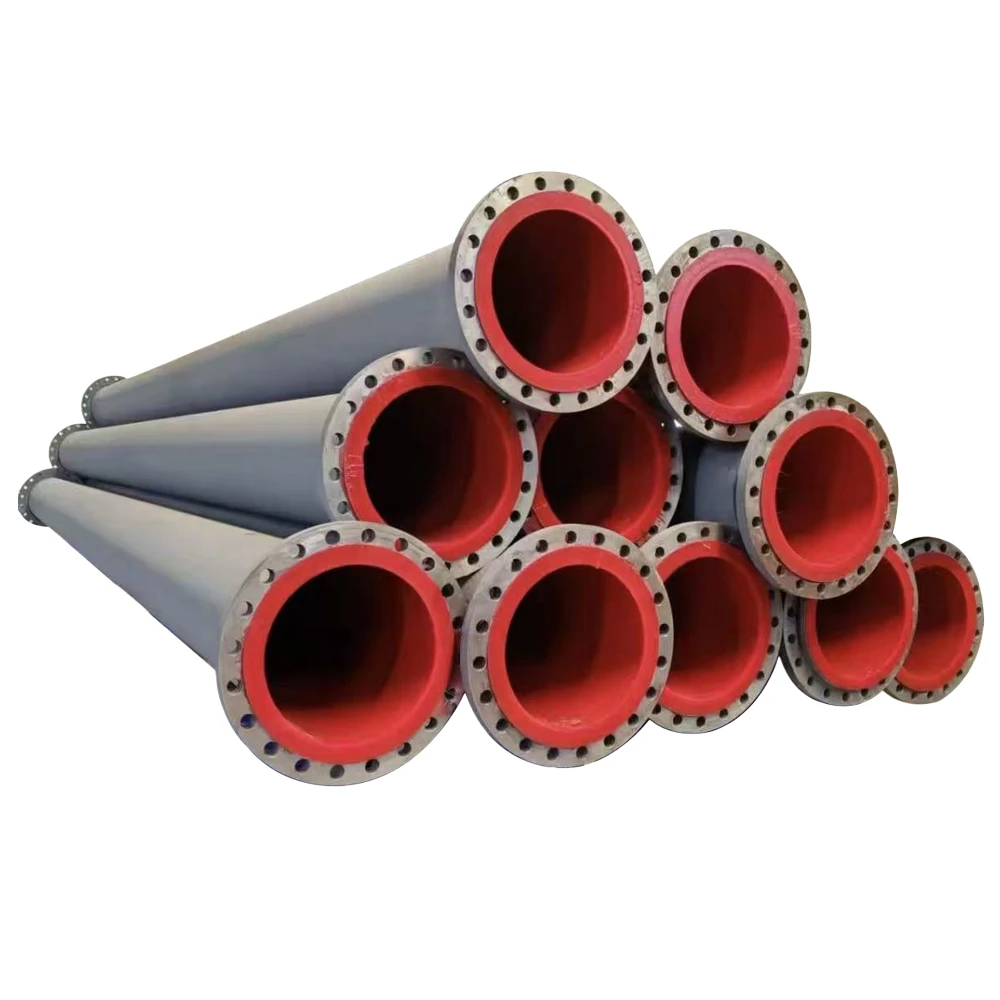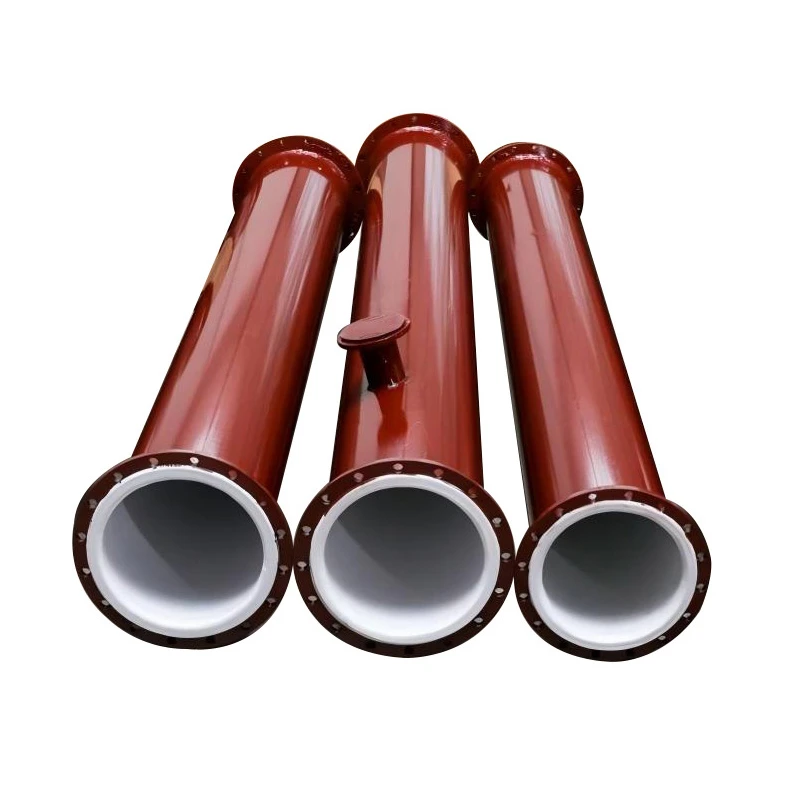

Polyurethane (PU) lined piping represents a critical engineering solution for industries transporting highly abrasive or corrosive media. By integrating the mechanical strength of steel with the wear-resistant properties of polyurethane, these systems prevent premature pipeline failure and ensure operational continuity. This guide examines the technical requirements and procurement considerations for high-performance lined piping systems.
For procurement managers and engineers, selecting an odm pu lined pipe supplier requires an understanding of how material thickness, lining adhesion, and outer shell specifications impact the total cost of ownership. In sectors like mining and chemical processing, the failure of a single elbow or joint can lead to significant production losses, making technical verification essential.
Readers will explore the structural advantages of dual-layer piping, a detailed analysis of performance factors—including impact and chemical resistance—and a framework for evaluating supplier capabilities. We will provide a technical breakdown of how customized dimensions and angles allow these pipes to integrate seamlessly into existing industrial infrastructures.
Polyurethane Lining Engineering Fundamentals
The core engineering logic of a PU-lined pipe is the separation of structural load-bearing and surface protection. The outer steel shell is designed to withstand high internal pressures and external mechanical stresses, providing the necessary rigidity to prevent collapse or deformation. Meanwhile, the internal polyurethane layer serves as a sacrificial and protective barrier. Unlike traditional rubber or plastic linings, polyurethane offers a unique combination of elasticity and hardness, which allows it to absorb the kinetic energy of high-velocity particles without cracking.
From a fluid dynamics perspective, the smooth internal surface of the PU lining is engineered to reduce friction. This minimize material buildup—particularly in slurry transport—and lowers the energy required for pumping. The bonding process between the steel and the polyurethane is the most critical technical phase; any delamination can lead to "pocketing," where fluids collect between layers, eventually causing the lining to rupture. Therefore, high-standard manufacturing focuses on rigorous material selection and precise curing temperatures to ensure a permanent bond.
Strategic Sourcing for Industrial PU Pipelines
When evaluating the technical specifications of polyurethane-lined systems, the focus must shift from simple dimensions to performance metrics under stress. The following analysis breaks down the critical dimensions of quality and application that dictate the effectiveness of the pipeline in harsh industrial environments.
Material Synergy and Structural Integrity
The effectiveness of the pipe depends on the synergy between the steel grade and the PU elastomer. A sturdy steel exterior provides the mechanical strength needed for high-pressure applications, while the inner lining ensures chemical stability. This combination allows the pipe to operate in environments where a purely metallic pipe would erode within weeks.
| Component | Primary Function | Critical Requirement | Risk of Failure |
|---|---|---|---|
| Steel Shell | Structural Strength | Wall Thickness / Grade | Mechanical Deformation |
| PU Lining | Wear Protection | Shore Hardness / Bond | Delamination / Erosion |
| Joints/Welds | System Continuity | Leak-proof Sealing | Pressure Leaks |
| Surface Finish | Flow Efficiency | Low Friction Coefficient | Material Build-up |
| Bonding Layer | Interfacial Adhesion | Chemical Compatibility | Internal Blistering |
| End Fittings | System Integration | Dimensional Precision | Coupling Failure |
Abrasion and Impact Resistance Analysis
Polyurethane is specifically chosen for its superior abrasion resistance when transporting abrasive materials like slurry, sand, or mining byproducts. Its elastic nature allows the lining to absorb shocks and impacts from high-speed particles, effectively "bouncing" the particles back into the flow rather than allowing them to gouge the surface. This mechanism significantly protects the pipe from internal damage compared to rigid ceramic or metal liners.
Chemical Stability in Corrosive Environments
In chemical processing, the lining acts as a barrier against corrosive fluids and gases. The polyurethane lining prevents chemical degradation of the steel shell, enhancing the overall lifespan of the system. When selecting specifications, engineers must verify that the PU grade is compatible with the specific PH levels and chemical compositions of the transported media to avoid swelling or softening of the elastomer.
Operational Noise and Vibration Dampening
One often overlooked advantage of PU lining is its acoustic properties. The flexible and resilient nature of the polyurethane dampens the noise and vibration caused by high-velocity material flow. This is particularly beneficial in power plants and mining facilities where noise pollution is a regulatory concern, contributing to a safer and more tolerable working environment for personnel.
Customization Parameters for Complex Systems
Standard pipes often fail at the elbows due to centrifugal force and concentrated wear. Customization allows for specific dimensions, angles, and lining thicknesses tailored to the flow velocity and particle size. Hebei Qiao Wan Metal Products Co., Ltd. utilizes a skilled team of engineers and technicians to optimize these designs, ensuring that lining thickness is increased in high-wear zones to maximize service life.
Application Suitability by Industry
The versatility of these pipes makes them indispensable across several sectors. In mining, they manage ore slurry; in power plants, they are used for ash handling; and in water treatment, they manage sediment-rich flows. Each application requires a different PU hardness—higher hardness for extreme abrasion and higher elasticity for high-impact scenarios.
Lifecycle Maintenance and Downtime Reduction
By extending the service life of critical pipeline components, PU-lined pipes drastically reduce maintenance costs and system downtime. The key to a long lifecycle is the initial quality control during manufacturing. Regular inspections for lining wear and ensuring a secure fit during installation prevent the catastrophic failures that lead to unplanned plant shutdowns.
FAQ
What is the primary advantage of polyurethane lining over rubber?
Polyurethane offers significantly higher abrasion and tear resistance than traditional rubber. While rubber is flexible, PU combines that flexibility with a hardness that can withstand high-velocity abrasive particles, such as mining slurry, without wearing down as quickly. Additionally, PU generally provides better chemical stability and a smoother internal surface, which reduces flow resistance.
How does the steel outer shell contribute to the pipe's performance?
The steel shell provides the necessary mechanical strength and structural rigidity. Since polyurethane is an elastomer, it cannot withstand high external pressures or structural loads on its own. The steel exterior ensures the pipe maintains its shape and can be securely bolted or welded into a larger industrial system, while the PU handles the internal wear.
Can these pipes be customized for specific angles or dimensions?
Yes, they can be manufactured to specific dimensions, angles, and lining thicknesses. This is crucial for elbow pipes where the angle of the bend determines the impact force of the material. Customization ensures that the pipe integrates perfectly with existing infrastructure and that the lining is thick enough in high-wear areas to prevent premature failure.
In which industries are polyurethane-lined pipes most commonly used?
They are widely used in mining for transporting ore and slurry, in power plants for ash handling systems, in chemical processing for diverting corrosive fluids, and in water treatment plants to manage sediment-rich flows. Any environment involving the transport of abrasive, corrosive, or high-pressure materials benefits from this technology.
What should a buyer check when evaluating an odm pu lined pipe supplier?
Buyers should evaluate the supplier's engineering capacity, specifically their ability to provide design optimization and technical consultations. Key checks include the quality of the bonding process between the steel and PU, the precision of the customization, and the availability of after-sales support. Verification of international quality standards and the experience of the engineering team is also critical.
How do I maintain a PU-lined pipeline to ensure maximum lifespan?
Maintenance involves periodic internal inspections to monitor lining thickness, especially at the elbows and joints. Ensure that the materials being transported remain within the chemical and temperature specifications of the PU grade used. Proper installation to avoid stress concentrations and ensuring that joints are leak-proof will prevent external corrosion of the steel shell.
References and further reading
- Industrial Pipeline Engineering Standards for Abrasion Resistance.
- Polyurethane Elastomer Properties and Chemical Compatibility Guide.
- Slurry Transport Systems: Design and Maintenance Optimization.