Expert oem pu lined pipe manufacturer and Ceramic Piping
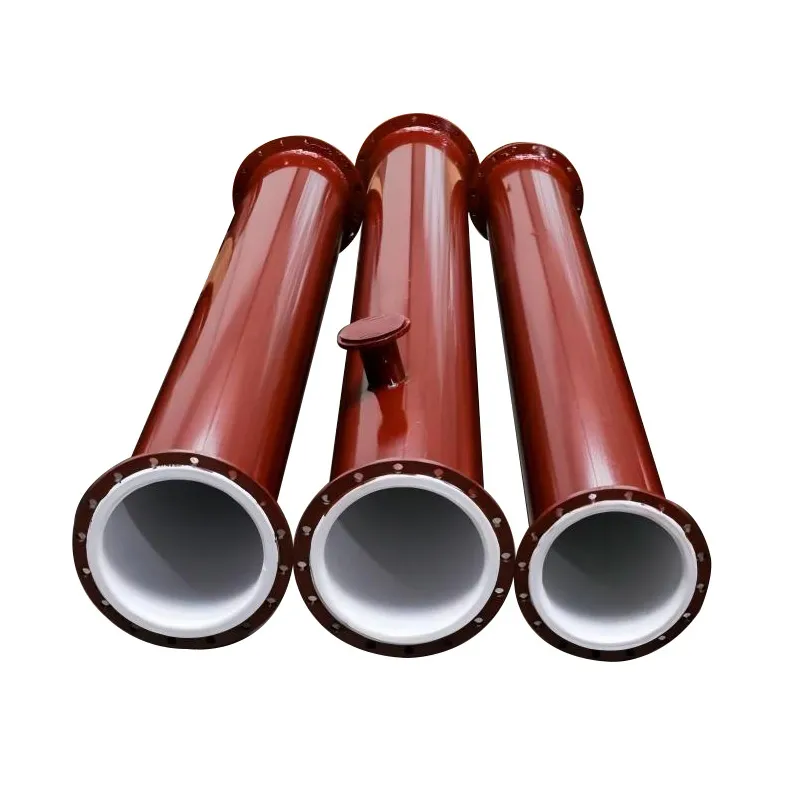
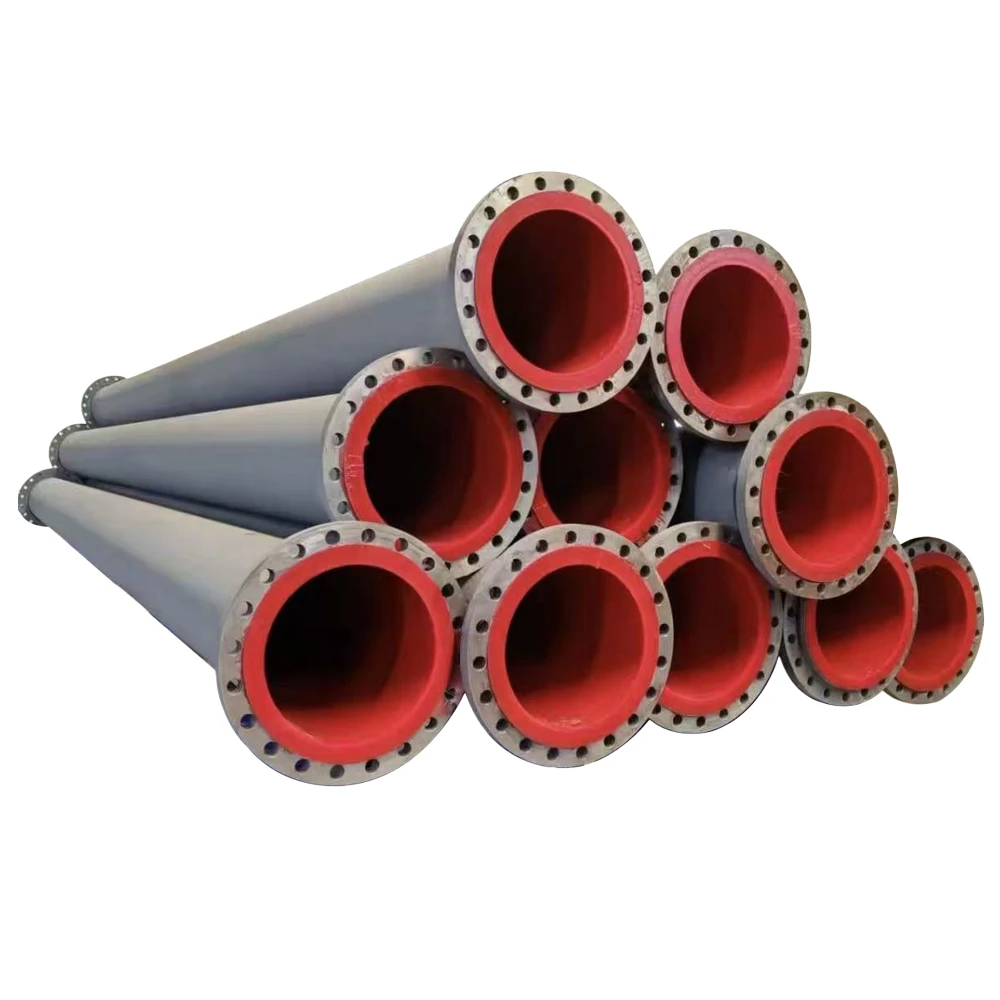
Managing the transport of abrasive slurries and corrosive fluids requires more than just standard piping; it demands a composite engineering approach. Ceramic lined steel pipes integrate the structural integrity of carbon steel with the extreme hardness of alumina ceramics to solve the chronic issue of internal wall erosion. For industries handling high-velocity particulate flow, these pipelines act as a critical barrier, significantly extending the mean time between failures compared to traditional polymer or bare metal options.
By bonding a dense ceramic layer to the inner surface, the system achieves a synergistic effect where the steel shell manages the external pressure and mechanical stress while the lining neutralizes abrasive wear. This technical combination is essential for maintaining operational uptime in heavy-duty environments like mineral processing and power generation, where sudden pipe wall breach can lead to catastrophic system shutdowns and costly unplanned maintenance.

The Engineering Logic Behind Composite Ceramic Lining Systems
The core value of a ceramic lined pipe lies in its material duality. Carbon steel provides the necessary hoop strength and pressure-bearing capacity required for industrial piping standards. However, steel alone fails rapidly when exposed to high-alumina particulate flow. By incorporating an internal lining of alumina ceramics (typically Al₂O₃ 92% or 95%), the pipeline gains a surface hardness that is nearly impervious to most industrial abrasives.
The bonding process is critical to the product's longevity. Depending on the application, linings are fixed via adhesive bonding, welding, or interlocking methods. This ensures that the ceramic tiles do not displace under high-pressure surges or thermal expansion. The result is a smooth internal bore that minimizes turbulence, which in turn reduces the localized erosion often seen at pipe bends and junctions in high-velocity systems.
- High-Alumina Integration: Utilizing advanced ceramics to ensure a hardness level that exceeds the abrasive nature of the conveyed media.
- Structural Synergy: Combining the ductility of steel with the rigidity of ceramics to prevent brittle failure of the entire assembly.
- Surface Optimization: Reducing material adhesion and friction through a dense, polished internal ceramic surface.

Operational Advantages in Extreme Industrial Environments
Unlike polymer-lined pipes, which may degrade under high temperatures or specific chemical solvents, ceramic linings are chemically inert. This makes them suitable for transporting aggressive acids and alkalis without compromising the outer steel shell. Furthermore, the thermal stability of alumina ceramics allows these pipes to operate in high-temperature slurry and gas-solid conveying systems where other materials would melt or soften.
From a maintenance perspective, the primary advantage is the drastic reduction in replacement frequency. In mining tailings or fly ash transport, the wear rate of ceramic linings is a fraction of that of hardened steel. This shift from "reactive maintenance" to "planned longevity" allows plant managers to optimize their operational budgets and reduce the risk of hazardous leaks in chemical processing environments.
The mechanical strength of the outer shell—available in carbon steel or stainless steel grades like SS304 and SS316L—ensures that the system can handle working pressures typically up to 2.5 MPa, with customized high-pressure designs available for specialized deep-well or high-head pumping applications.
Strategic Application Scenarios and Industry Integration
The deployment of these pipes is most effective in sectors where "extreme abrasion" is the primary failure mode. In the mining and mineral processing sector, they are indispensable for transporting ore slurries and tailings, where the high concentration of quartz and other hard minerals would erode standard pipes in weeks. Similarly, in power plants, they are the standard for fly ash and bottom ash conveying systems.
Other critical use cases include:
- Metallurgy: Transfer of sinter, coke, and ore fines where high-velocity impact is common.
- Cement Production: Raw material and clinker transportation involving highly abrasive powders.
- Petrochemicals: Handling of catalyst-laden streams and corrosive slurry in chemical reactors.
- Pneumatic Conveying: Solid material transport where gas-solid friction creates severe internal wear.
Selecting the correct lining thickness and material grade depends on the particle size, velocity, and chemical composition of the media. An engineering-led approach ensures that the pipeline is neither over-engineered (adding unnecessary weight and cost) nor under-engineered (leading to premature failure).
Technical Specification and Selection Matrix
| Technical Parameter | Standard Range | Material Options | Performance Impact |
|---|---|---|---|
| Pipe Diameter | DN25 – DN1200 | Customizable | Scalable for plant-wide systems |
| Lining Material | Al₂O₃ 92% / 95% | Alumina Ceramic | Determines wear resistance level |
| Outer Shell | Carbon / Stainless | SS304, SS316L | Determines corrosion/pressure resistance |
| Working Pressure | Up to 2.5 MPa | Application-dependent | Ensures structural safety under load |
| Temp. Limit | Up to 250°C | Ceramic-based | Allows for high-temp slurry transport |
Evaluating Supplier Capabilities for Custom Pipeline Solutions
When sourcing from an oem pu lined pipe manufacturer or a ceramic specialist, the focus should be on the quality of the bonding interface. A failure in the adhesive or welding process can lead to "lining spalling," where the ceramic tiles detach and cause blockages downstream. Therefore, verifying the manufacturing process and the testing protocols used for lining adhesion is paramount.
Reliable manufacturers provide design optimization, ensuring that the pipe's wall thickness and lining grade are matched to the specific abrasive index of the material being transported. This technical consultation prevents the common mistake of choosing a general-purpose pipe for a highly specialized chemical environment, which could lead to unexpected corrosion of the outer shell.
Furthermore, the ability to produce standardized lengths (typically 6 meters) alongside custom-engineered fittings is a sign of a mature production facility. This flexibility reduces on-site installation time and ensures that all joints maintain the same wear-resistance properties as the straight sections of the pipeline.
Future Trends in Wear-Resistant Piping Systems
The industry is moving toward "smart piping" where sensor integration allows for real-time monitoring of wall thickness. While ceramic linings are incredibly durable, the ability to predict the end-of-life for a specific section of the pipeline through ultrasonic testing or embedded sensors will further reduce unplanned downtime. We are seeing a trend toward hybrid linings that combine different ceramic grades to optimize cost and performance.
Sustainability is also driving the demand for longer-lasting components. By extending the service life of a pipeline from two years to ten years, companies significantly reduce their carbon footprint associated with steel production and waste disposal. The focus is shifting from the initial purchase price to the Total Cost of Ownership (TCO), where the higher upfront investment in ceramic lining is offset by years of maintenance-free operation.
As industrial processes become more aggressive—with higher temperatures and more corrosive chemicals—the demand for customized, high-performance composite pipes will continue to grow, necessitating closer collaboration between engineering teams and specialized manufacturers.
Frequently Asked Questions on Ceramic Lined Pipes
What is the primary difference between ceramic lined and polymer lined pipes?
Ceramic lined pipes offer significantly higher hardness and temperature resistance, making them ideal for severe abrasion and high-heat slurries. Polymer linings are generally better for low-temperature, purely corrosive environments where abrasion is minimal.
Can these pipes be customized for high-pressure applications?
Yes, while standard designs typically handle up to 2.5 MPa, the outer steel shell thickness can be increased to meet higher pressure requirements based on specific project engineering needs.
How is the ceramic lining attached to the steel pipe?
The linings are typically installed using high-strength adhesive bonding, welding, or specialized interlocking methods to ensure they remain secure under operational vibration and pressure.
Which industries benefit most from ceramic lined steel pipes?
Mining, power generation (fly ash transport), metallurgy, and cement plants are the primary beneficiaries due to the highly abrasive nature of the materials they convey.
What is the typical lifespan of a ceramic lined pipe compared to carbon steel?
Depending on the media, ceramic lined pipes can last several times longer than untreated carbon steel in abrasive environments, drastically reducing replacement and maintenance costs.
Are these pipes resistant to chemical corrosion?
Yes, alumina ceramics are chemically inert and resistant to most acids and alkalis. For the outer shell, stainless steel (SS304/316L) can be used if the external environment is also corrosive.
Technical References and Industry Sources
- ISO Standards for Industrial Piping and Materials
- ASME Boiler and Pressure Vessel Code (BPVC)
- Research on Alumina Ceramic Wear Resistance in Slurry Transport
- ASTM International Standards for Ceramic Materials
Selecting the right lining solution is a balance of material science and operational reality. Whether you are optimizing a mining slurry line or a power plant ash system, prioritizing the synergy between the outer shell and the internal lining is the key to long-term reliability.
Related Industrial Piping Insights